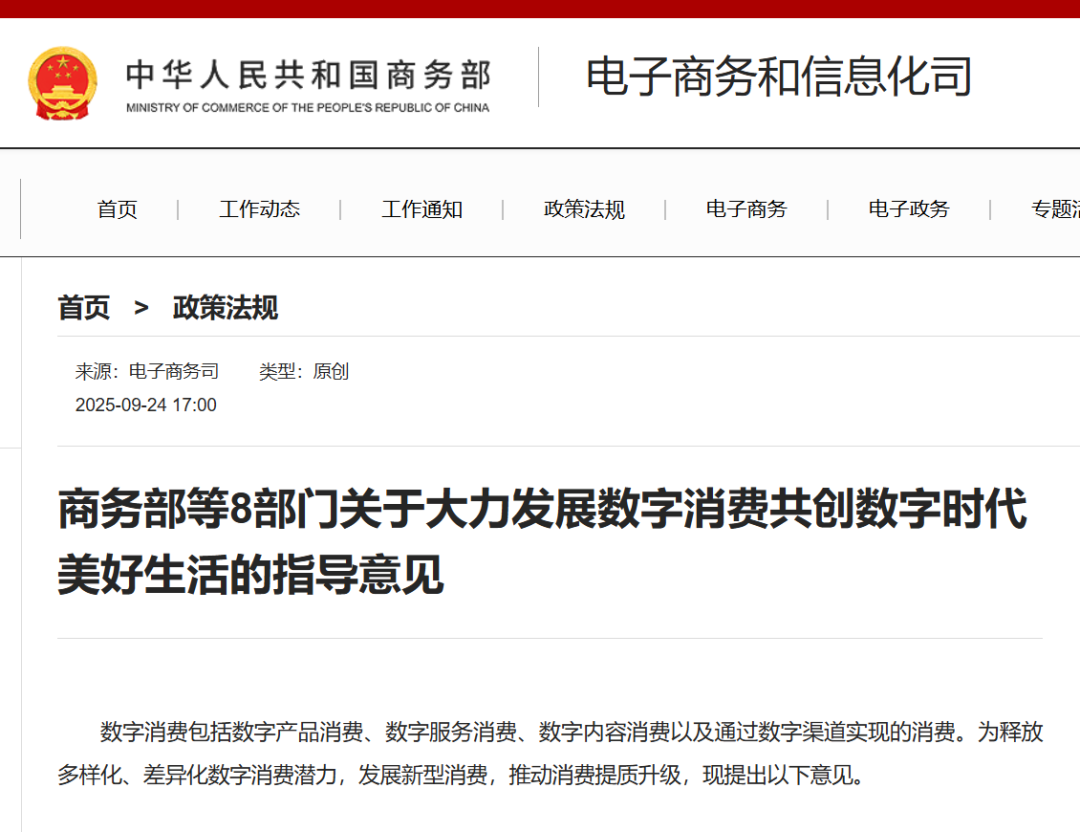
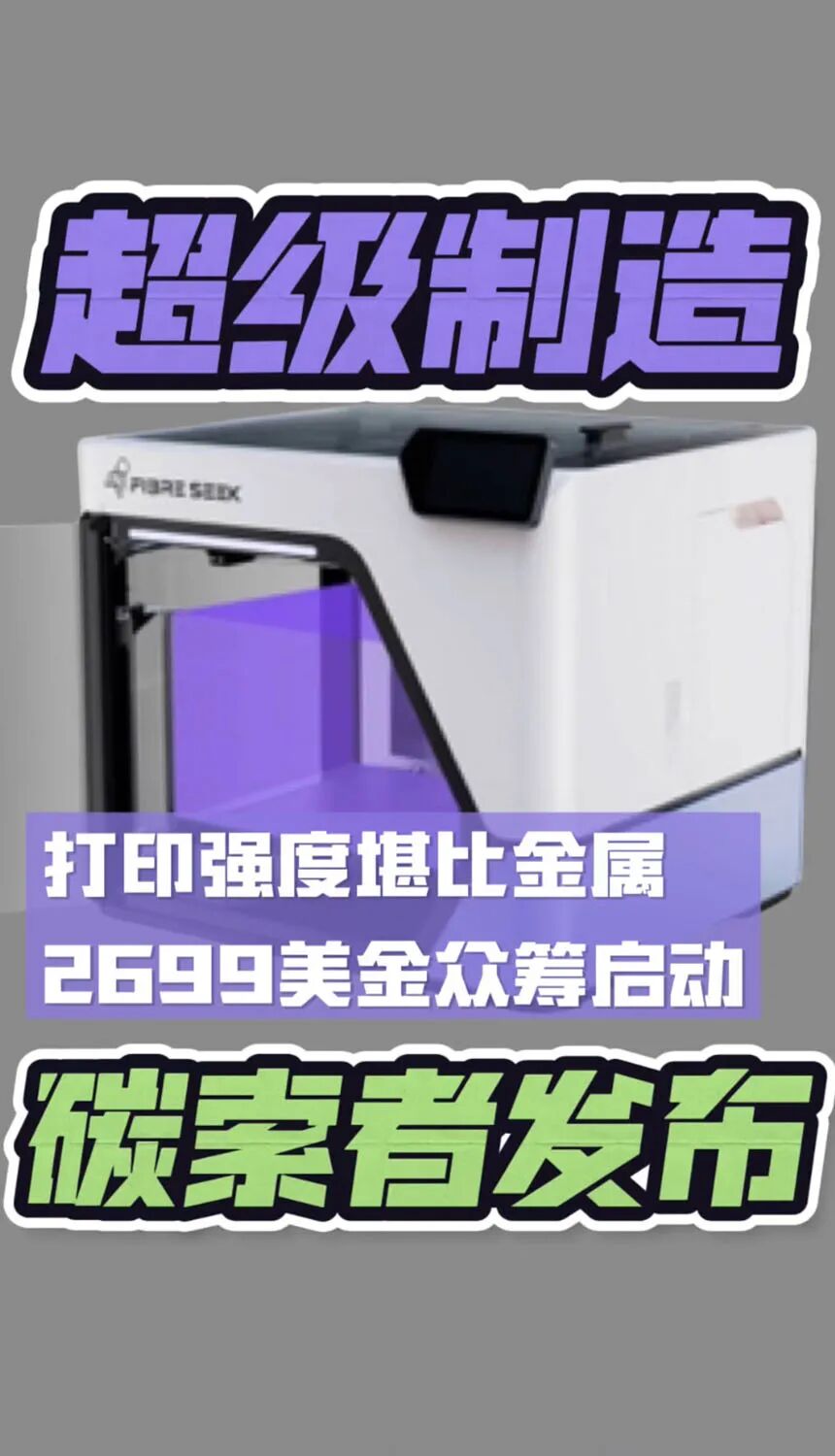
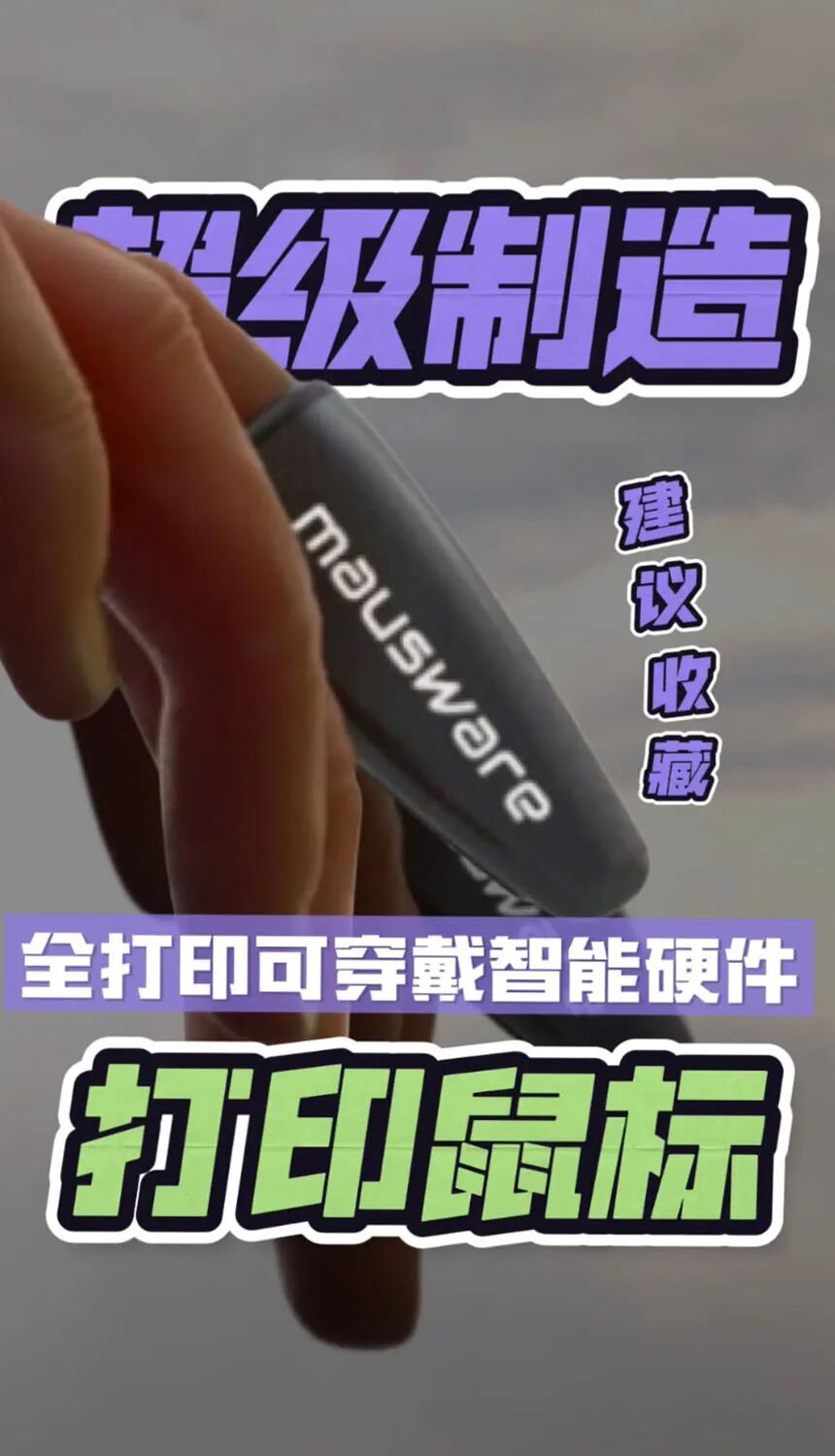
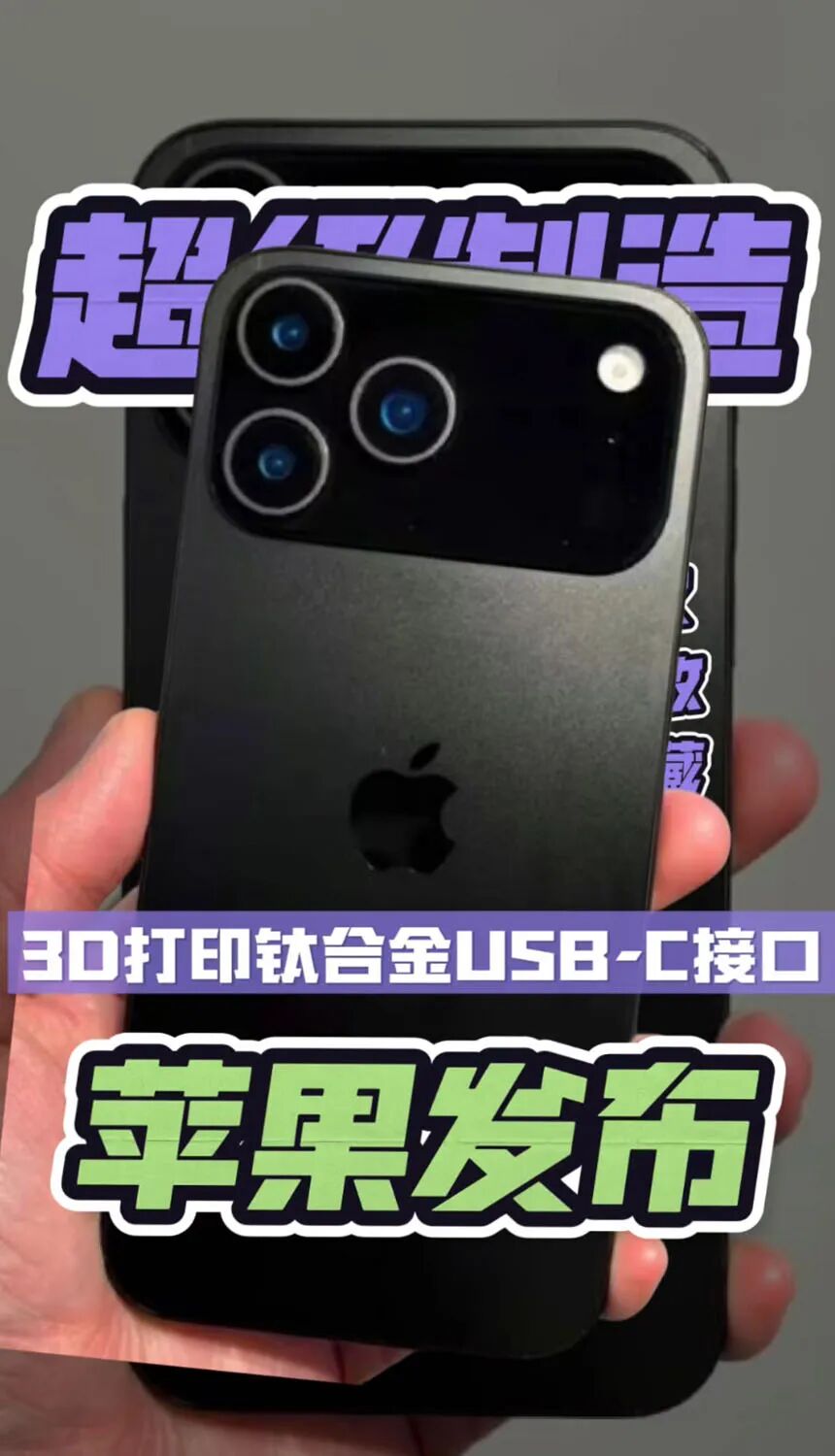
Let’s talk about the freshly released “Guiding Opinions on Vigorously Developing Digital Consumption to Co-create a Better Life in the Digital Age.” One of the most interesting points in this document is that it has quietly completed a very important “positioning shift”: desktop 3D printing devices have, for the first time, been clearly taken out of the “manufacturing tools” basket and placed into the shopping cart of “AI terminal products,” alongside trendy items like AI smartphones and smart robots. This seemingly simple classification change carries a strong signal; it means that the authorities have realized that 3D printing can no longer be just a professional device in factories and laboratories; it is knocking on the doors of ordinary consumers’ homes.
Think about it, when we used to mention 3D printers, what came to mind? Perhaps engineers printing parts, or designers creating models, always with a sense of professionalism and distance. But now, with such definitive policies, it essentially states that the future of this technology is linked to everyone’s daily life. This opens up the path completely. The most direct impact is that it gives the entire industry a sense of reassurance. Companies involved in 3D printing, especially those specialized small and medium enterprises, will find it easier to apply for high-tech enterprise recognition, seek policy support, and obtain funding subsidies, as their direction aligns perfectly with the path indicated by the government. Moreover, the document also mentions the need to cultivate digital national trend brands, which is like handing a ready-made creative treasure trove to 3D printing companies—transforming patterns from the Forbidden City, colors from Dunhuang, and various intangible cultural heritage elements into printable models, allowing traditional culture to enter the desks of young people in this particularly cool way, greatly expanding the market’s imaginative space.
Speaking of future trends, I believe the core concept is “integration.” First, there will be a deep integration with AI. Future desktop 3D printers will undoubtedly become “smarter”; you might only need to take a photo with your phone or describe what you want verbally, and AI will help you build the model and print it with one click. The complex thresholds of leveling and parameter settings will be significantly lowered, making it as simple as using a regular printer. Secondly, there will be integration with application scenarios. It will no longer be a solitary machine but will be embedded in our specific lives. For example, in education, children can directly print and touch geometric solid shapes; in home decoration, you can print a unique vase or lampshade at any time; in the cultural and creative field, personalized phone cases and figurine models will have great potential. The “innovative digital content consumption” mentioned in the document is likely to give rise to a prosperous market for trading 3D models, similar to how people currently buy phone themes and game skins; in the future, buying and selling interesting and attractive 3D printing model files could become a big business.
Of course, the explosion of the consumer market will not happen overnight; it will definitely take a process. As hinted in the document, it will need to start with pilot projects in areas and scenarios where conditions are mature, gradually allowing everyone to accept, get used to, and eventually rely on this new way of creation. But the overall direction is already very clear. With the wind of policy support, companies will surely strive to make their products cheaper, more user-friendly, and more fashionable. It is foreseeable that it won’t be long before desktop 3D printers may become mainstream consumer electronics, just like personal computers in the past and smart speakers today, transforming from a geek toy into a new terminal for realizing personalized creativity and enjoying digital life. At that time, each of us will truly become a “maker,” which is quite exciting to think about.
 @ 3D Printing Insights
I am Xu Fanglei, a design professional with a PhD, a Fellow of the Royal Society of Arts in the UK, focusing on industrial design, additive manufacturing, and business models. Here, I will use my expertise and experience to take you deep into the world of 3D printing, sharing the latest industry dynamics, interpreting cutting-edge technologies, and discussing business applications.
 END
END



 Welcome to add the editor’s WeChatto learn about the latest dynamics in the 3D printing industry
 About 3D Printing Technology
We integrate insights, technology trends, application scenarios, competitive strategies, and in-depth dynamics from the US and global industry for practitioners in 3D printing and artificial intelligence, providing high-value information. We are passionate about 3D printing and welcome contributors from around the world.Our English website3DPTimes is also launched, focusing on the 3D printing field, producing a large amount of high-quality cutting-edge information and technical content.
Disclaimer:3D Printing Technology has no commercial cooperation, sponsorship, employment, or other interests with the companies mentioned in the text.3D Printing TechnologyImages and videos are sourced from the internet and are for auxiliary reading purposes only, with no commercial intent.All rights belong to the original authors. If there are any infringement issues, please contact the rights holders in a timely manner, and we will delete them immediately. The copyright of the images in this article belongs to the copyright holders,3D Printing Technologywatermarks are automatically added for auxiliary reading and do not represent ownership of the images. For image usage, please consult the copyright holders.3D Printing TechnologyThe article does not constitute any investment advice,3D Printing Technologyis not responsible for any direct or indirect losses caused by the use of the information in this article.For more exciting content, please follow us