1. Industry Overview
Outdoor Touch Screens are interactive display devices specifically designed for non-indoor environments. They are not merely indoor displays relocated outdoors; rather, they are comprehensive hardware solutions that integrate high-brightness LCD display technology, touch interaction technology, environmental adaptability design (windproof, waterproof, dustproof, anti-vandalism), and intelligent temperature control systems.
The core application scenarios include:
-
Digital Out-of-Home Advertising (DOOH): Outdoor advertising machines, smart information kiosks, interactive screens at bus stops/subway stations.
-
Public Information Services: Government inquiry machines, library information terminals, hospital guidance screens, interactive navigation maps at tourist attractions.
-
New Retail and Catering: Outdoor self-service ordering machines, smart vending machines, interactive windows on brand experience stores.
-
Smart City Infrastructure: Integrated screens for smart streetlights, navigation screens for smart parks, information release screens at transportation hubs.
2. Market Characteristics
-
Technology Intensive: The industry has high barriers to entry, requiring the integration of optical display, touch, computer software, structural engineering, and thermal management technologies, testing the comprehensive R&D capabilities of enterprises.
-
Significant Customization Demand: Downstream application scenarios are diverse, with customers having high customization requirements for size, brightness (usually ≥2000 nits), protection level (IP65 and above is mainstream), appearance design, and built-in software functions.
-
Project-Driven Sales: Buyers are typically system integrators, advertising operators, or government agencies, with orders primarily project-based, involving large amounts and longer sales cycles.
-
Strong Cyclicality and Regionality: Demand is closely related to macroeconomic conditions, government budgets, major events (such as the Olympics, World Expo), and urban development plans, with demand concentrated in economically developed first- and second-tier cities.
3. Industry Status Analysis
-
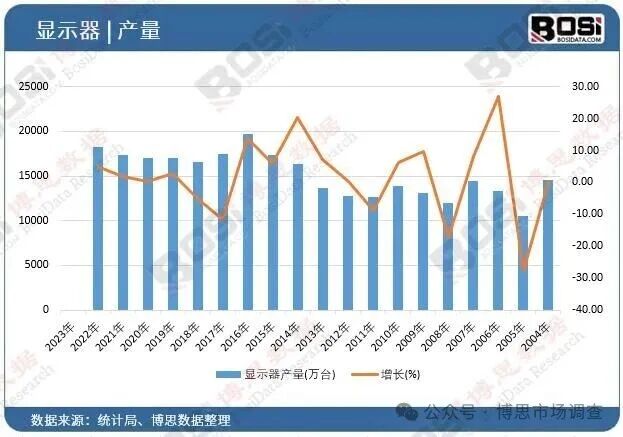
Market Size and Growth: The Chinese outdoor touch screen market is in a period of steady growth. Driven by digital new infrastructure, the digital upgrade of traditional advertising, and the implementation of smart city projects, the market size is expanding year by year. Although public project investments and advertising budgets were somewhat slowed by the pandemic in the early stages, a strong recovery trend has emerged in 2023, with an expected average annual compound growth rate (CAGR) of 15%-20% over the next three years.
-
Competitive Landscape: The market shows a “polarized” pattern.
-
High-End Market: Dominated by international giants such as Samsung, LG, and Philips, which leverage superior panel technology, brand influence, and reliability to capture high-end shares of large projects.
-
Mid-Low End Market: Home to many local brands, such as CVTE, Shenzhen Ruimu, and Guangzhou Yaxun. They occupy a considerable market share by offering cost-effectiveness, rapid response customization services, and flexible channel strategies, leading to intense competition.
Industry Chain Analysis:
-
Upstream: Core components include LCD panels, touch screen modules, chips, power supplies, and structural parts. Panel costs account for the highest proportion, and their price fluctuations significantly impact industry profits. The domestic upstream supply chain is becoming increasingly mature, reducing costs for local manufacturers.
-
Midstream: Outdoor touch screen manufacturers are the key link for technology integration and product realization.
-
Downstream: Applications are widespread, including advertising media companies, system integrators, government agencies, and retail catering brands.
4. Future Trends
-
Technology Integration and Intelligence:
-
AI+IoT Integration: Screens will no longer be isolated display terminals but will become IoT nodes. By integrating cameras and sensors, and using AI algorithms for facial recognition, body interaction, and audience analysis (such as gender, age, dwell time), precise advertising content delivery and effect quantification can be achieved.
-
5G Ultra-High-Speed Connectivity: 5G networks will ensure real-time, seamless transmission of 4K/8K ultra-high-definition content, supporting remote centralized management and real-time content updates, greatly enhancing operational efficiency.
Form and Experience Innovation:
-
New technologies such as transparent displays and flexible screens will gradually be applied in high-end outdoor scenarios, creating more visually impactful and technologically advanced interactive experiences.
-
Contactless Interaction trends will continue, with voice control and gesture recognition technologies supplementing or replacing traditional touch, enhancing public health safety and interaction fun.
Value Enhancement of Content and Services: Hardware competition will gradually become homogeneous, shifting the focus of competition to software platforms, data analysis capabilities, and content creative services. Manufacturers that can provide integrated solutions of “hardware + software + content + operation” will gain higher premiums and customer stickiness.
5. Challenges and Opportunities
Challenges:
-
High Comprehensive Costs: High-performance hardware, customized designs, and stringent protection requirements lead to high product prices and subsequent maintenance costs, putting pressure on downstream customers’ budgets.
-
Rapid Technology Updates: Display and interaction technologies are evolving rapidly, requiring companies to continuously invest in R&D to maintain competitiveness, posing significant challenges in terms of funding and talent.
-
Lack of Standards and Quality Variability: Industry standards have not yet been fully unified, and the product quality of some small and medium-sized manufacturers is unstable, affecting end-user experience and the overall reputation of the industry.
-
Data Security and Privacy Concerns: The integration of cameras and AI analysis functions raises public concerns about the legality of data collection and privacy security, necessitating the improvement of relevant regulations.
Opportunities:
-
Policy Dividends: The goals for new infrastructure, digital economy, and smart city construction in the “14th Five-Year Plan” provide long-term and stable policy driving forces for the industry.
-
Demand Upgrade: Advertisers are pursuing more efficient and measurable advertising effects, driving the upgrade of traditional static advertising to digital and interactive formats, creating significant market space for replacement.
-
Technological Maturity and Cost Reduction: The costs of core components (such as LCD panels) are decreasing year by year, making outdoor touch screen solutions more economical and accelerating penetration into more lower-tier markets and scenarios.
-
Emerging Cross-Industry Application Scenarios: New scenarios such as advertising screens at electric vehicle charging stations, interactive screens at community group buying pickup points, and offline entrances to the metaverse are continuously emerging, creating new growth poles.
6. Investment Recommendations and Conclusion
Overall, the Chinese outdoor touch screen market has broad prospects and is a typical track for the deep integration of the digital economy and the real economy. For investors:
-
It is recommended to focus on: Leading local enterprises with deep technical R&D accumulation, scalable production capabilities, and the ability to provide integrated “hardware + software” solutions. They are more likely to succeed in the industry reshuffle and enjoy the dual dividends of market growth and technological upgrades.
-
Caution is advised for: Pure assembly manufacturers lacking core technology, as they will face intense price competition and ongoing profitability pressure.
In this process, Bosi Data will continue to monitor industry dynamics, providing accurate and timely market analysis and recommendations for related enterprises and investors.
Chapter 1Overview of the Outdoor Touch Screen Industry
Chapter 2Analysis of the Development Environment of the Outdoor Touch Screen Industry
Chapter 3Current Status and Trend Forecast of Technology Development in the Outdoor Touch Screen Industry (2024-2025)
Chapter 4Analysis of Supply and Demand in the Chinese Outdoor Touch Screen Industry
Chapter 5Analysis of Key Regional Development in the Chinese Outdoor Touch Screen Industry (2019-2024)
Chapter 6Overall Development Analysis of the Chinese Outdoor Touch Screen Industry (2019-2024)
Chapter 7Analysis of the Outdoor Touch Screen Industry Chain and Its Impact on the Industry
Chapter 8Analysis of Price Trends and Influencing Factors of Domestic Outdoor Touch Screen Products
Chapter 9Customer Research in the Outdoor Touch Screen Industry
Chapter 10Research on the Development of Key Enterprises in the Outdoor Touch Screen Industry
Chapter 11Research and Analysis of Business Strategies in the Outdoor Touch Screen Industry
Chapter 12Analysis of Investment Benefits and Risks in the Outdoor Touch Screen Industry
Chapter 13Market Forecast and Project Investment Recommendations for Outdoor Touch Screens
For the complete report directory, please click on “Read the Original” below.