
Abstract
This study explores the integration of Direct Air Capture (DAC) technology into building Heating, Ventilation, and Air Conditioning (HVAC) systems to reduce indoor carbon dioxide concentrations and enhance energy efficiency. The research team established a physics-based DAC model on the Modelica platform and integrated it into a typical Variable Air Volume (VAV) HVAC system compliant with ASHRAE 2006 standards, while designing a Demand Control Ventilation (DCV) strategy to further reduce the amount of fresh air intake. Simulation results across eight different climate zones in the United States show that integrating DAC can reduce indoor CO₂ concentrations by an average of over 45%; combined with DCV, annual energy savings range from 0.39% to 21.66%, with carbon emissions reduced by 226 to 9539 kilograms, particularly significant in cold climate zones.
Written by| Zhang Bin
Edited by| Gou Chen
Citation|Youmin Xu, Xu Han, Xiangkun Elvis Cao. Comprehensive performance evaluation of HVAC systems integrated with direct air capture of CO2 in various climate zones[J]. BUILDING AND ENVIRONMENT, 2024, 266.
Note|Click the “mini program code” at the end of the article to access the original materials
→This is the 272nd article of “HVAC Insights”
01
Full Interpretation
In the context of an increasingly severe global climate crisis, carbon emissions in the building sector are becoming a key breakthrough for achieving carbon neutrality goals. A recent study systematically evaluates the potential of integrating Direct Air Capture (DAC) technology into building HVAC systems and quantifies the energy-saving and carbon reduction benefits of this technology under various climate conditions for the first time nationwide. This research, published in a prestigious academic journal, not only fills several gaps in the existing literature but also provides a practical technical pathway for the design and operation of future green buildings.
Carbon dioxide (CO₂) is the primary greenhouse gas globally, accounting for as much as 80% of greenhouse gas emissions in the United States in 2019. Urban areas, as concentrated sites of energy and resource consumption, contribute over 70% of global carbon emissions. The building sector accounts for about 30% of global final energy consumption, with HVAC systems within buildings consuming more than half of the total energy used in buildings. Meanwhile, modern individuals spend an average of 90% of their time indoors, making indoor air quality—especially CO₂ concentration—crucial for health and work efficiency. The traditional approach to addressing indoor pollutants is to introduce large amounts of outdoor air, which significantly increases heating or cooling loads, thereby raising energy consumption and carbon emissions.
Faced with this dilemma, researchers proposed an innovative idea: to actively remove CO₂ from indoor air using DAC technology, thereby significantly reducing the demand for external fresh air while ensuring indoor air quality. DAC is an emerging technology capable of directly capturing CO₂ from ambient air, based on the principle of selectively binding CO₂ molecules using specific adsorbent materials (such as amine or ion exchange materials), which are then released and collected through changes in temperature or pressure. Although DAC is currently mostly used in large centralized facilities, there have been recent explorations to miniaturize and modularize it for applications in vehicles, ships, and even within buildings.
The major highlight of this study is that it constructs a detailed DAC unit model based on physical equations for the first time and seamlessly integrates it into a typical building HVAC system on the Modelica platform. The research team employed a Variable Air Volume (VAV) system with reheat under ASHRAE 2006 standard control logic, simulating a single-story office building. More importantly, they designed and implemented a Demand Control Ventilation (DCV) strategy—dynamically adjusting the fresh air intake based on real-time indoor CO₂ concentrations to maximize the energy-saving benefits brought by DAC.
The study set up four comparative scenarios and conducted year-round simulations across eight ASHRAE climate zones in the United States (covering various types such as cold, temperate, hot-dry, and humid). The results are encouraging: integrating the DAC unit alone can reduce the average indoor CO₂ concentration by over 45% compared to the baseline scenario. When the DCV control strategy is also activated, the annual energy savings range from 0.39% to 21.66% across different climate zones, corresponding to annual carbon emissions reductions of 226 to 9539 kilograms. Notably, the energy-saving effect is most significant in cold climate zones—this is because introducing cold air in winter requires substantial heating, and DAC reduces the demand for fresh air, thus saving considerable heating energy; conversely, in temperate regions, the energy-saving potential is relatively limited.
The scientific value of this research lies not only in the data but also in its methodological breakthroughs. Previous studies on the integration of DAC with building systems often relied on simplified steady-state models, lacking consideration of dynamic control, variations in human activity, and real climate fluctuations. The Modelica model developed in this study possesses high scalability and can be compatible with mainstream building simulation tools such as EnergyPlus and TRNSYS, laying the groundwork for subsequent optimization of more complex systems. Furthermore, this is the first national-level assessment covering multiple climate zones in the U.S., revealing regional differences in technology deployment and providing policymakers and engineers with location-specific decision-making bases.
Despite the current challenges of DAC technology, such as high costs and energy consumption, the application prospects in the building sector are rapidly becoming clearer with improvements in adsorbent material performance (such as humidity-responsive non-porous materials mentioned in the study) and optimization of system integration efficiency. Companies like Noya and Soletair Power have begun to explore transforming cooling towers or dedicated equipment into building-level carbon capture devices, indicating market recognition of this direction.
In summary, this paper, with rigorous modeling, comprehensive simulations, and clear quantitative results, strongly demonstrates the feasibility and benefits of the collaborative operation of DAC and HVAC systems. It not only addresses the core question of “how to achieve deep decarbonization of buildings while ensuring health” but also provides a new path for the building industry towards net-zero emissions, combining technological innovation with engineering practicality. For researchers, designers, and policymakers focused on sustainable buildings, intelligent ventilation systems, or negative emission technologies, this is undoubtedly a key document worth in-depth reading.
02
Table of Contents
1IntroductionPART ONE
- Introduction to Direct Air Capture technology and its application background in HVAC systems
2MethodologyPART TWO
- Modeling DAC based on Modelica and integration methods with HVAC systems
3ResultsPART THREE
- Quantitative results of the impact of DAC integration on indoor CO₂ concentration and energy consumption
4DiscussionPART FOUR
- Analysis of the synergistic benefits of DAC and demand control ventilation in different climate zones
5ConclusionPART FIVE
- Summary of the full content of the article
03
HIGHLIGHT Image
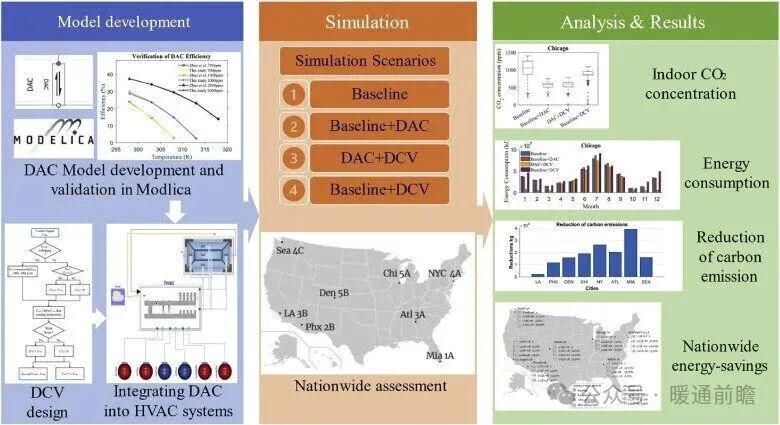
Fig. 1. Overall workflow of this research.
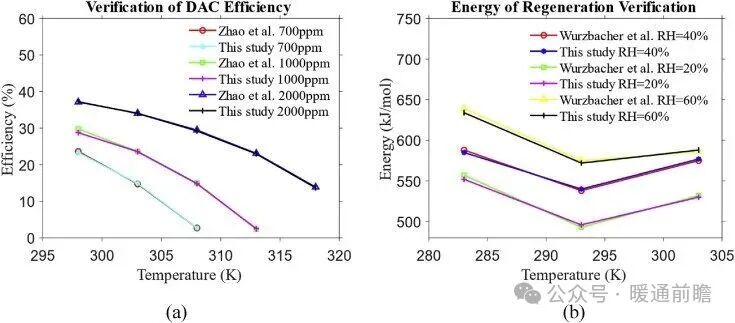
Fig. 2. Verification of DAC model.
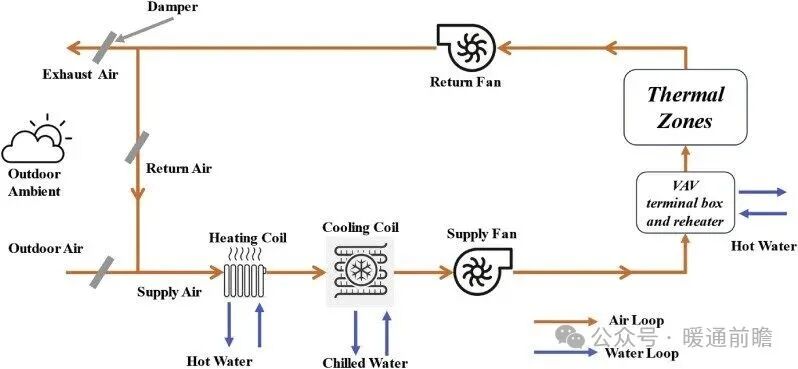
Fig. 3. Schematic diagram of the studied HVAC system.
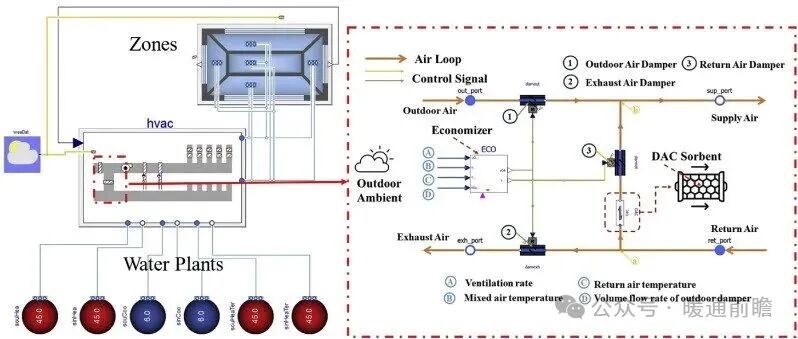
Fig. 4. Integration of DAC unit in Modelica model.
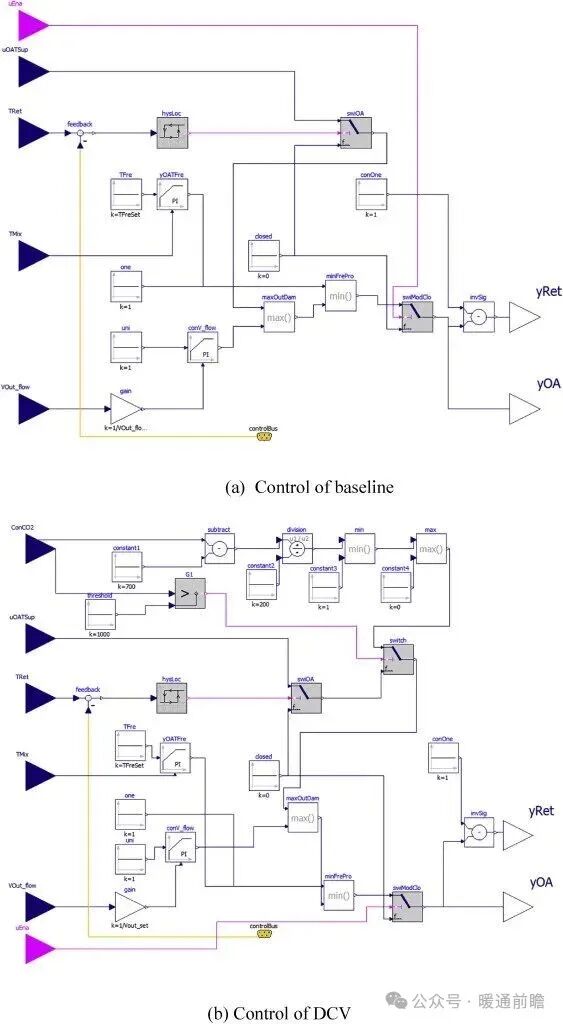
Fig. 5. Control logic.
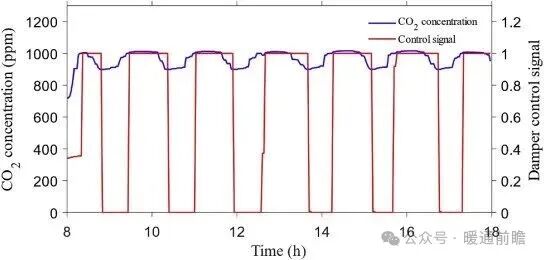
Fig. 6. Implementation of control in Modelica.
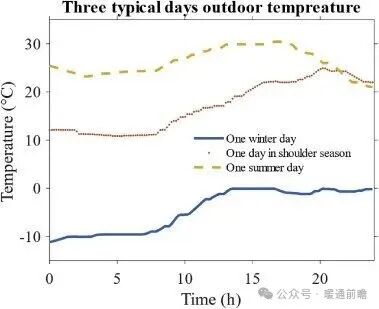
Fig. 7. Performance of the designed DCV control.
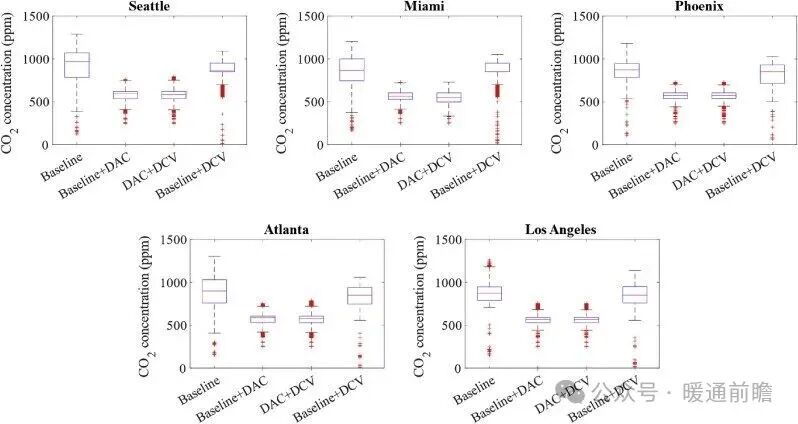
Fig. 8. Outdoor temperature of three typical days.
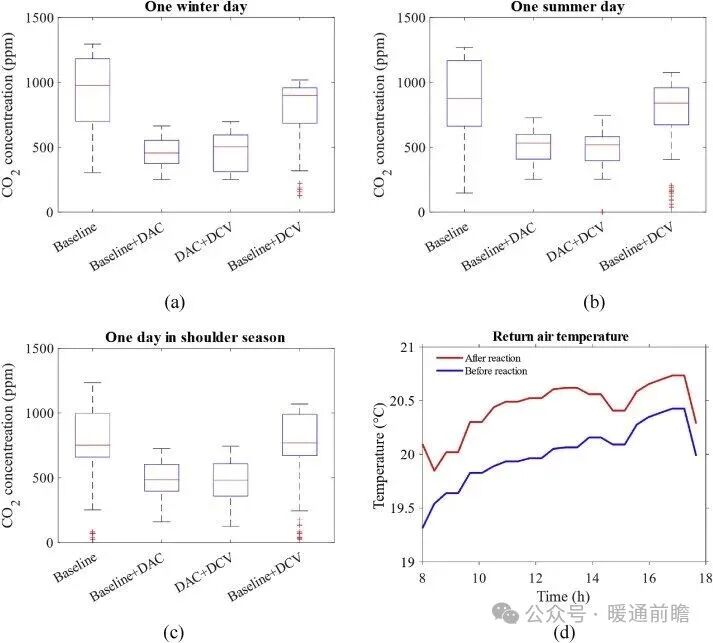
Fig. 9. Indoor CO2 concentration of three typical days and temperature change of DAC reaction process.
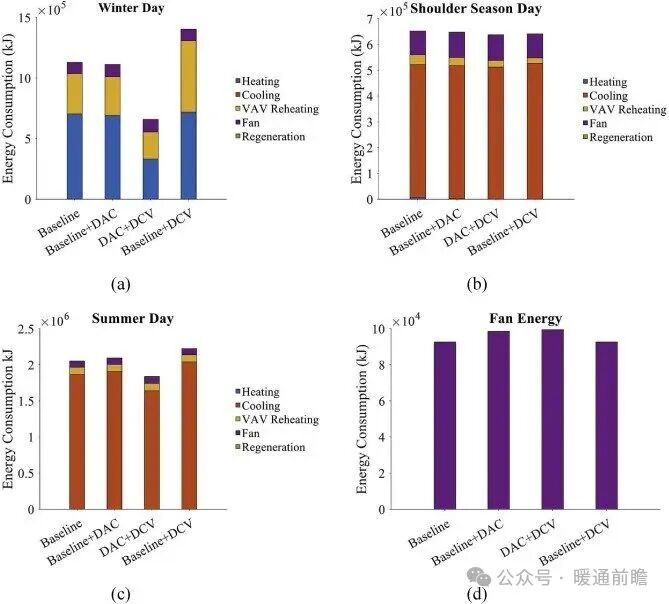
Fig. 10. Energy consumption of three typical days.
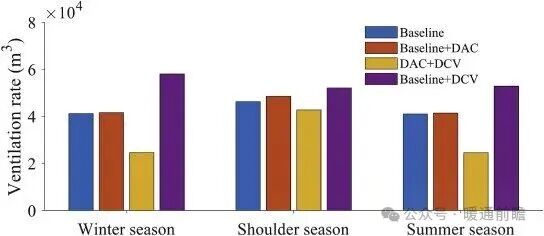
Fig. 11. Ventilation rate of three typical days.
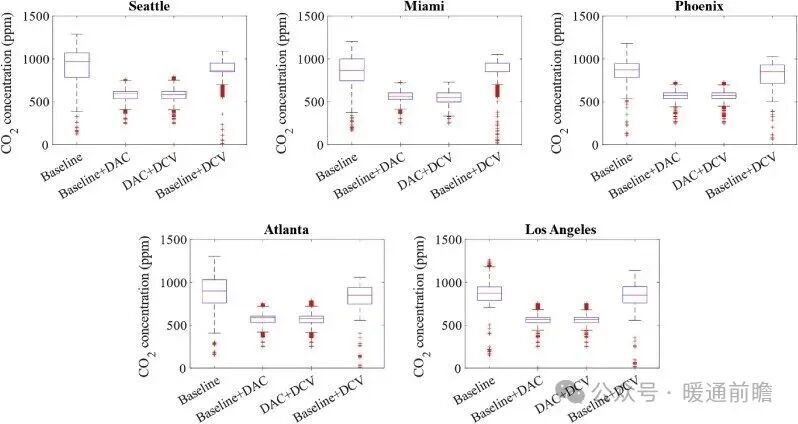
Fig. 12. Indoor CO2 concentration of 4 cases in 8 climate zones.
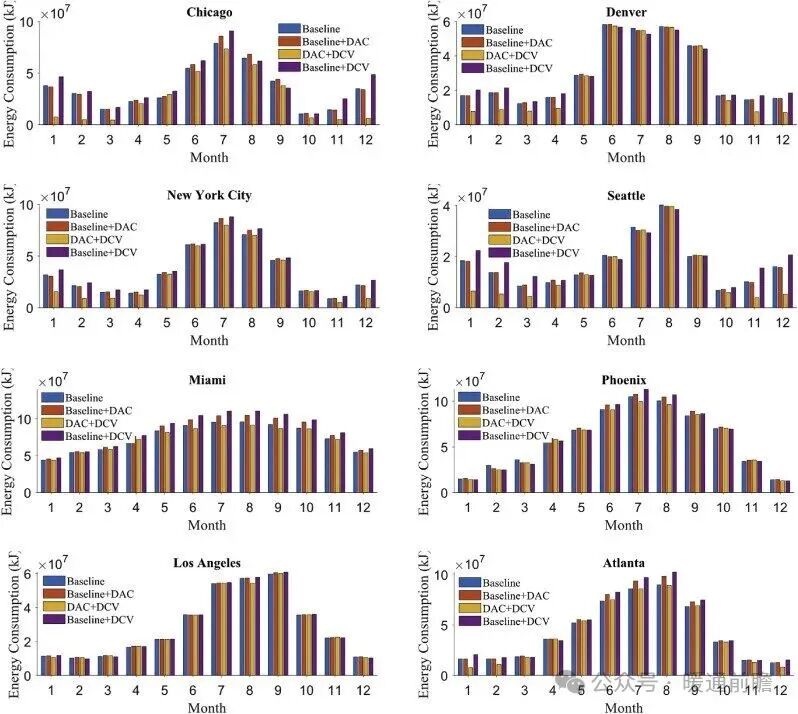
Fig. 13. Monthly energy consumption of 4 cases in 8 climate zones.
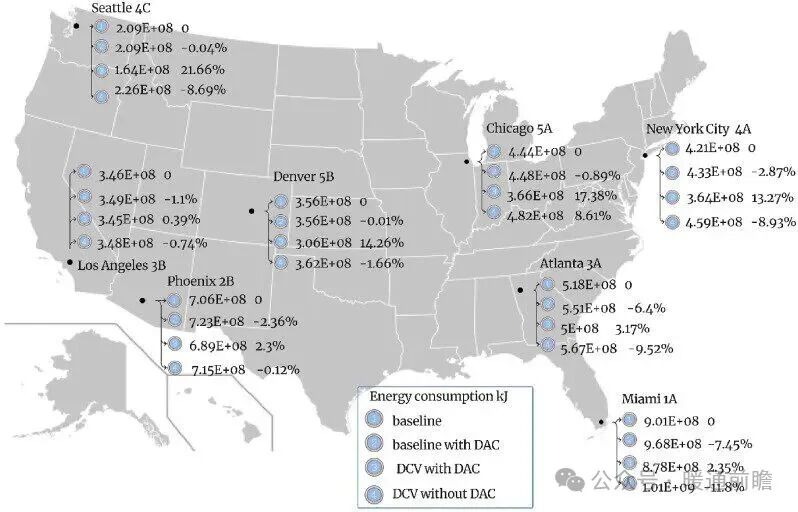
Fig. 14. Annual energy consumption of 4 cases in 8 climate zones and energy-savings of other cases against the baseline.
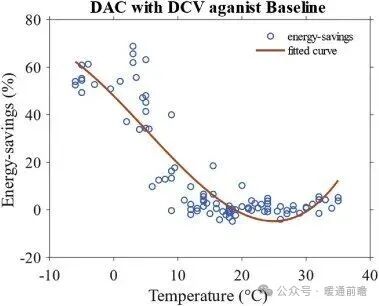
Fig. 15. Relationship between outdoor temperature and energy-savings.
Disclaimer: This article is for academic exchange and dissemination only.
ENDClick the QR code below to join the industry group of thousands
 Click the mini program code below to access the original materials
 Previous Recommendations
How can advanced HVAC controls save energy? A comparative experiment of layered data-driven prediction and reinforcement learning
Citation: Xuezheng Wang, Bing Dong. Long-term experimental evaluation and comparison of advanced controls for HVAC systems[J]. APPLIED ENERGY, 2024, 371.
Click to read
How can artificial intelligence optimize HVAC system performance? Multi-algorithm collaboration and digital twin integration breakthroughs to overcome accuracy bottlenecks
Citation: Shengze Lu, Shiyu Zhou, Yan Ding et al. Exploring the comprehensive integration of artificial intelligence in optimizing HVAC system operations: A review and future outlook[J]. RESULTS IN ENGINEERING, 2025, 25.
Click to read
How to optimize HVAC control strategies? Deep reinforcement learning enhances energy efficiency and comfort
Citation: Anh Tuan Nguyen, Duy Hoang Pham, Bee Lan Oo et al. Modelling building HVAC control strategies using a deep reinforcement learning approach[J]. ENERGY AND BUILDINGS, 2024, 310.
Click to read
Can model-free prediction replace traditional model control? A review of HVAC control strategies and scenario adaptation
Citation: Shuo Nan, Xin Xin, Zhihao Zhang et al. A comprehensive review of predictive control strategies in heating, ventilation, and air-conditioning (HVAC): Model-free VS model[J]. JOURNAL OF BUILDING ENGINEERING, 2024, 94.
Click to read
How to overcome the implementation bottlenecks of HVAC Operation and Maintenance 4.0? Data governance and explainable AI breakthroughs
Citation: Ibrahim Abdelfadeel Shaban, HossamEldin Salem, Ammar Yaser Abdullah et al. Maintenance 4.0 for HVAC Systems: Addressing Implementation Challenges and Research Gaps[J]. SMART CITIES, 2025, 8 66.
Click to read
Can HVAC duct layout be automated? Multi-agent ant colony algorithm-driven optimization generation
Citation: Junjie Li, Hang Guan, Peng Xu et al. Automated layout generation of HVAC piping from building floor plans[J]. AUTOMATION IN CONSTRUCTION, 2025, 177.
Click to read
How to improve HVAC energy efficiency? Weather-adaptive fuzzy control dynamically optimizes temperature and humidity setpoints
Citation: Mojtaba Safdari, Mohammad Al Janaideh, Kamran Siddiqui et al. Weather-adaptive fuzzy control of setpoints for energy-efficient HVAC in urban buildings[J]. JOURNAL OF BUILDING ENGINEERING, 2025, 104.
Click to read
Composite PCM thermal storage components enhance building solar heating collection efficiency by 60%
Citation: Yan Ting, Xu Guoying, Wang Lan, Chen Long, Yu Jiaheng. Research on the solar heating characteristics of buildings based on nano-composite PCM thermal storage components[J]. JOURNAL OF CENTRAL SOUTH UNIVERSITY (Natural Science Edition), 2024, 55.
Click to read
How to break through the performance of ground source heat pumps in cold climates? Optimization of thermal storage-solar energy coupling systems
Citation: Philip Adebayo, Charaka Beragama Jathunge, Amirhossein Darbandi et al. Development, modeling, and optimization of ground source heat pump systems for cold climates: A comprehensive review[J]. ENERGY AND BUILDINGS, 2024, 320.
Click to read
Ventilation duct silencer design algorithm based on directed acyclic graphs
Citation: Xu Yanzhe, Liu Bin, Li Nan, Su Xiang, Wang Zhihan. Ventilation duct silencer design algorithm based on directed acyclic graphs[J]. SCIENCE AND TECHNOLOGY AND ENGINEERING, 2024, 24.
Click to read
How to balance heating and cooling loads in ground source heat pumps? Optimization research on thermal storage integrated systems
Citation: Arslan Saleem, Tehmina Ambreen, Carlos E. Ugalde-Loo. Energy storage-integrated ground-source heat pumps for heating and cooling applications: A systematic review[J]. JOURNAL OF ENERGY STORAGE, 2024, 102.
Click to read
Design and optimization of seasonal thermal storage systems for small buildings using solar energy
Citation: Xu Bo, Wang Siming, Chen Zhenqian, Xu Zhiguo, Chen Xiangyan. Design and optimization of seasonal thermal storage systems for small buildings using solar energy[J]. ENGINEERING THERMOPHYSICS, 2024.
Click to read
How to solve soil thermal imbalance? Optimization of air-source-ground-source coupling thermal storage across climates
Citation: Yubo Wang, Zhenhua Quan, Yaohua Zhao et al. Feasibility and performance of coupled air-ground source heat pump systems with thermal storage[J]. ENERGY, 2025, 315.
Click to read
How to address geothermal imbalance in traditional ground source heat pumps? Redesigning borehole layouts for air-assisted mixed systems
Citation: Santeri Siren, Janne Hirvonen, Piia Sormunen. Comparison of traditional and ambient air-assisted ground source heat pump systems using different bore field configurations[J]. ENERGY CONVERSION AND MANAGEMENT, 2025, 323.
Click to read
How to optimize operation modes of multi-borehole ground source heat pump systems? Adjustment strategies for geothermal heat exchangers
Citation: Wang et al. Influence of ground source heat exchanger operation modes on multi-borehole mid-deep ground source heat pump system performance[J]. GEOTHERMICS, 2025, 125.
Click to read
How to overcome the promotion challenges of ground source heat pumps? Optimization strategies for multi-energy collaboration and intelligent control
Citation: Wang et al. Design and operation of hybrid ground source heat pump systems: A review[J]. ENERGY, 2025, 316.
Click to read