 1. Company Overview: What Kind of Company Is It?Xingyuan Intelligent Robotics Co., Ltd. is a high-tech enterprise focused on the deep integration of artificial intelligence and advanced robotics technology. The company is dedicated to the research, development, production, and sales of intelligent industrial robots and service robot solutions with autonomous perception, decision-making, and execution capabilities. Its core positioning is as an “AI-powered Robotic Agents” supplier, aiming to empower various industries through intelligent and flexible robotic products, enhancing production efficiency and the quality of human life.2. Founder: Who Is at the Helm?Dr. Zhang Mingyuan, the founder, is a leader with a profound academic background and keen business insight. He holds a Ph.D. in robotics from a world-renowned institution and has worked in internationally recognized robotics laboratories, leading several major national research projects. Driven by a mission to “transform cutting-edge technology into practical productivity and address industrial and social pain points,” he resolutely started his business in the early 2010s, forming a core team and founding Xingyuan Intelligent Robotics.3. Founding Background: Why Was It Established?The company’s establishment is based on three major contemporary backgrounds:
- Demographic Changes: China and many parts of the world are facing challenges of an aging population and rising labor costs, creating a rigid market demand for “machine substitution”.
- Technological Maturity: Key technologies such as AI (especially deep learning and reinforcement learning), sensors, and computing power have entered a commercially mature stage, enabling a leap in robot intelligence.
- Industrial Upgrade Demand: National strategies like “Made in China 2025” are driving the manufacturing industry towards intelligent and digital transformation, providing vast application scenarios for intelligent robots.
4. Mission, Vision, and ValuesMission: To enable intelligent robots to create a more efficient, safer, and better work and life for humanity. Emphasizing that the ultimate goal of technology is to serve people, focusing on solving real problems and creating value.Vision: To become a global leader in innovation in the field of intelligent robotics and a trusted partner.Clearly defining global ambitions and the pursuit of two core competencies: “innovation” and “trust”.Values:
- Customer Success: Everything starts from realizing customer value.
- Extreme Innovation: Dare to challenge technological boundaries, pursuing excellence in products and solutions.
- Collaborative Progress: Advocating cross-departmental collaboration and co-creating win-win situations with ecosystem partners.
- Integrity and Responsibility: Adhering to business ethics and being accountable for results.
5. Business Model: How to Profit?Xingyuan Intelligent Robotics adopts a diversified business model of “technology-driven + ecosystem co-construction”:
- High-end Hardware Sales: Direct sales of standardized intelligent industrial robots (such as welding, spraying, and assembly robots) and specialized service robots.
- Solution Subscription: Providing cloud-based robot operation, data analysis, and algorithm optimization services, charged annually or on-demand (SaaS model).
- Technology Licensing: Licensing its core AI algorithms and operating systems to partners in specific industries.
- Ecosystem Cooperation Revenue Sharing: Building a developer platform to encourage third parties to develop applications on its robot operating system and participate in revenue sharing.
6. Innovative Technologies and Best-Selling ProductsInnovative Technologies:
- “Xing Brain” Adaptive AI Platform: A core breakthrough that allows robots to quickly adapt to new tasks in complex, unstructured environments through minimal demonstrations or autonomous learning, significantly lowering the threshold for debugging and programming.
- Multi-modal Fusion Perception Technology: Integrating information from multiple sensors such as vision, force, and touch, achieving industry-leading levels of operational precision and robustness.
- Cluster Collaboration Intelligence: Enabling real-time collaborative operations among multiple robots, such as in “unmanned factory” production lines in automotive manufacturing.
Best-Selling Products:
- “Lingxi” Series Intelligent Collaborative Robots: Equipped with collision detection and drag teaching functions, allowing them to work alongside humans without safety barriers, widely popular in the 3C electronics and automotive parts sectors.
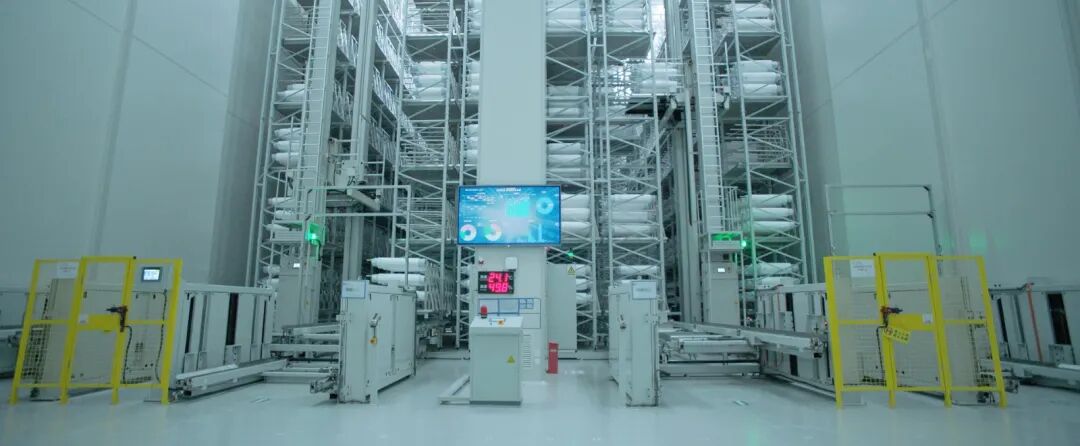
- “Kunpeng” Intelligent Warehousing and Logistics System: Integrating autonomous mobile robots (AMR), intelligent sorting robotic arms, and warehouse management systems, improving warehousing efficiency by over 300%, becoming a benchmark solution in the e-commerce logistics industry.
7. Management Characteristics and Organizational DevelopmentManagement Characteristics:
- Data-Driven Decision Making: The company has established a robust data platform internally, with all strategic and operational decisions based on real-time data and analysis.
- Agile Development Model: Adopting a rapid iteration product development process that closely aligns with market demands.
- Flat and Project-Based Structure: The organizational structure is flat, encouraging cross-departmental project teams to stimulate innovation.
Organizational and Human Resource Features:
- “Dual-Channel” Career Development System: Providing parallel promotion paths for technical and management talents, ensuring that expert engineers receive the same treatment and respect as managers.
- “Xingyuan Academy”: An internal regular training system that periodically invites internal and external experts for technical and management training, and establishes a special innovation fund to encourage employee self-improvement.
- Equity Incentive Plan: A broad stock ownership plan covering core staff and outstanding employees, deeply binding personal interests with the company’s long-term development.
- Geek Culture: Encouraging technical research and “hackathon” style innovation activities, creating an open, inclusive, and excellence-seeking technical atmosphere.
8. Development Stages and Major Events
- First Stage: Technology Exploration and Validation (2015-2018): Completed core algorithm prototype development and secured angel and Series A funding.
- Second Stage: Productization and Market Entry (2019-2021): Launched the first collaborative robot, secured the first major industry client order, and achieved over 100 million in revenue. Completed Series B funding.
- Third Stage: Scaling and Ecosystem Layout (2022-Present): Expanded product lines into logistics, healthcare, and other new fields, launched the “Xing Brain” platform, and initiated the ecosystem partner program. Became a national-level “specialized, refined, and innovative” small giant enterprise.
9. Current Scale and Financial Situation (Estimated by the End of 2023)Number of Employees: Approximately 1,500, with over 60% in R&D.Revenue: Approximately 2.5 billion RMB.Profit: Achieved sustained profitability, with a net profit margin of about 10% (Note: High-tech R&D enterprises typically experience strategic losses in the early stages; this is set as having entered a healthy profit phase).10. Future Plans, Challenges, and OpportunitiesFuture Plans:
- Global Expansion: Focus on developing markets in Europe and Southeast Asia, establishing localized teams and service networks.
- Platformization of Technology: Transform the “Xing Brain” platform into the “Android system” of the robotics field.
- Deepening Scenarios: Delve into cutting-edge manufacturing fields such as semiconductors and biopharmaceuticals, which require high precision and cleanliness.
Challenges:
- International Competition: Facing fierce competition and technological barriers from international giants like Fanuc and KUKA.
- Supply Chain Security: Stability of supply chains for core components such as high-end chips and precision reducers.
- Talent Competition: Global shortage of top talent in AI and robotics.
Opportunities:
- Huge Market Potential: The global wave of intelligent manufacturing and digital transformation brings unlimited business opportunities.
- Policy Dividends: Strong support from the government for new types of productivity.
- Technological Integration: The combination of new technologies like 5G and the metaverse with robotics will create new business models.
11. Guidance and Lessons for Startups
- Deep Technology is the Cornerstone: In the hard technology field, having core technologies with independent intellectual property rights is fundamental to establishing a moat.
- Market Orientation is Key: No matter how good the technology is, it needs to find landing scenarios that can generate cash flow. Start with solving real industry pain points.
- Talent and Culture are the Engine: Establish mechanisms to attract and retain top talent, and cultivate a culture that encourages innovation and tolerates failure.
- Ecological Thinking Shapes the Pattern: In today’s era, the space for independent development is limited; learning to co-build ecosystems with upstream and downstream partners in the industry chain is essential for achieving win-win and exponential growth.
- Maintain Agility and Resilience: The market environment is ever-changing; startups need to possess the ability to adjust quickly and the resilience to face difficulties.