Smart Home—
Making Our Homes Safer

Innovative Development
With the rapid development of technologies such as the Internet of Things and artificial intelligence, the smart home market is expanding quickly, with smart cameras being key devices that are continuously enhancing their functionalities. They play an important role in various fields such as home security, life assistance, and entertainment interaction, improving home safety and intelligence levels.
As a part of smart homes, smart cameras not only collect image information from the home environment in real-time but also analyze and process this information using advanced technologies to provide users with diverse services.
Smart Camera—
Home Security Monitoring
01
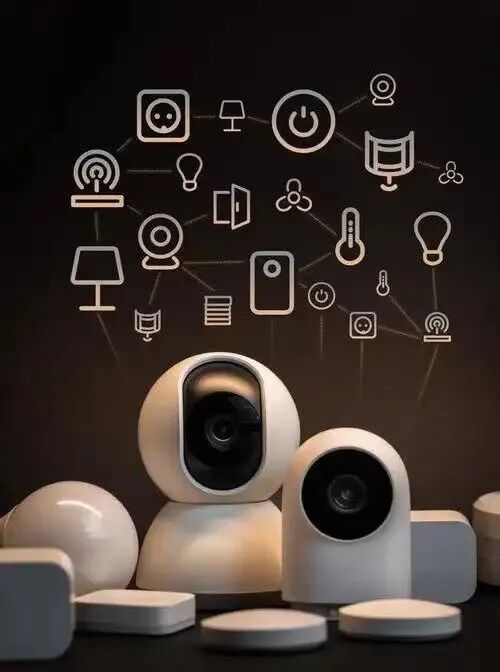
Intrusion Detection and Alarm:One of the core applications of smart cameras in home security is intrusion detection and alarm. When the camera detects a stranger entering a preset monitoring area, it immediately triggers the alarm mechanism. For example, the Honor Smart Camera Pro uses AI algorithms to analyze the monitoring footage in real-time, and once it identifies abnormal intrusion behavior, it quickly sends an alarm notification to the user’s mobile app while recording video in the background to preserve evidence.
Abnormal Door and Window Monitoring:Smart cameras can work in conjunction with door and window sensors to monitor abnormal situations. When the door or window sensor detects that a door or window has been opened abnormally, the linked smart camera will immediately activate, capturing relevant footage and notifying the user. This combined application further enhances the comprehensiveness of home security, allowing users to stay informed about the status of doors and windows in their homes, preventing theft and other security incidents.
Smart Camera—
Care for the Elderly and Children
02
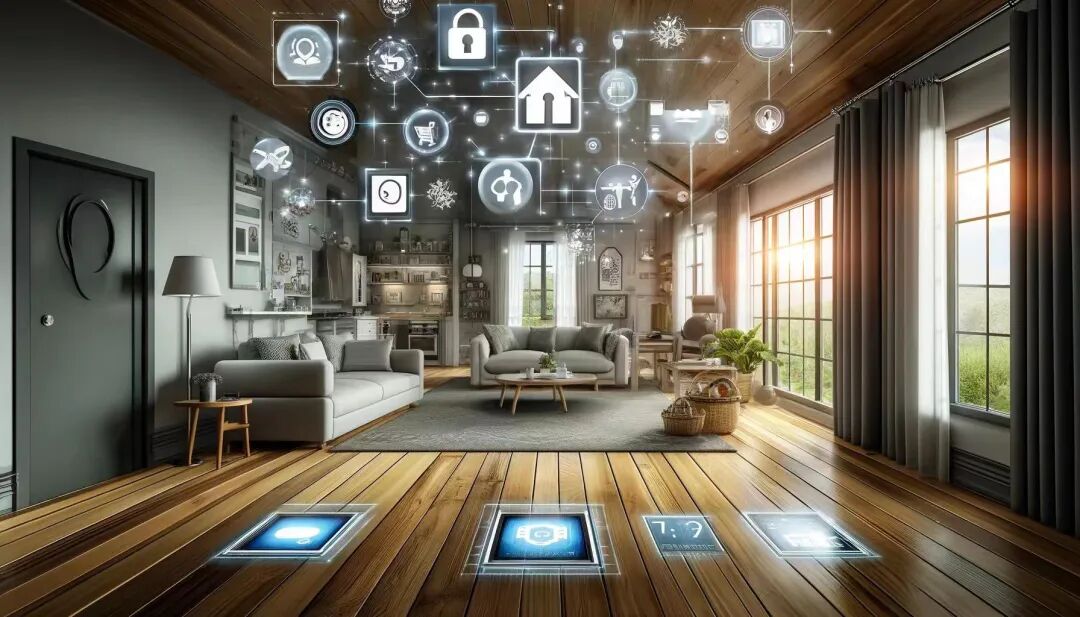
Monitoring Daily Activities of the Elderly:For families with elderly members, smart cameras can play an important caregiving role. Through behavior recognition features, the cameras can monitor the daily activities of the elderly, such as whether they are sitting for long periods or exhibiting abnormal walking patterns. If an abnormal situation is detected, it will promptly notify family members. For instance, if the camera recognizes that the elderly person has not moved for an extended period, it may indicate health issues, prompting the system to automatically send a reminder to the children’s mobile phones to ensure they pay attention to the elderly person’s health and provide necessary support.
Child Safety Protection:In terms of child care, smart cameras also play a significant role. Parents can use mobile apps to view their children’s activities at home in real-time, ensuring their safety. Some smart cameras even have baby cry detection features, which notify parents immediately when a baby is crying, allowing them to attend to the baby promptly.

Smart Camera—
Home Environment Monitoring
03
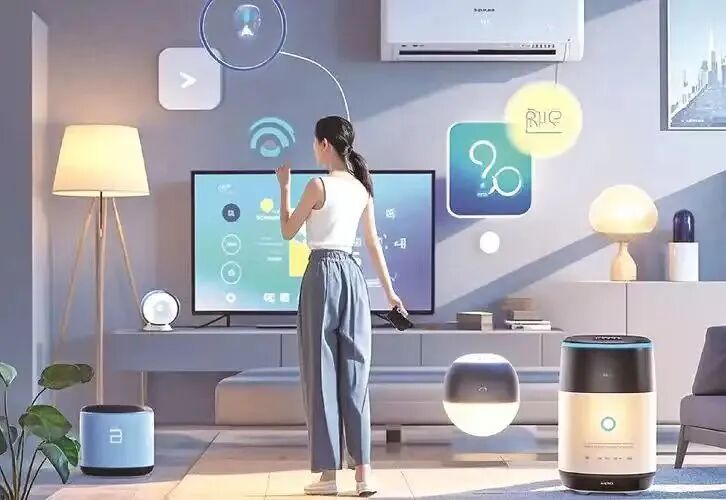
Smoke and Fire Monitoring:Some smart cameras are equipped with smoke sensors and other environmental monitoring devices, enabling them to monitor smoke and fire in the home. When the camera detects an abnormal increase in smoke concentration, it immediately sounds an alarm, alerting users to potential fire risks. Additionally, the camera can interact with smart appliances in the home, such as shutting off gas valves or opening windows for ventilation, reducing the risk of fire and ensuring the safety of household members and property.

Summary:
The smart camera industry is rapidly developing but still faces challenges in technology, market, security, and cost. Collaborative breakthroughs are needed to transition from “basic intelligence” to “advanced intelligence.”
Empowering the industry with technology
Leading development through innovation
In the future, let’s work hard together!
Content sourced from the internet, primarily for sharing and learning purposes. Copyright belongs to the original author.