The photo was taken during a news television program, and the quotes in the article are generated by voice conversion. The author’s opinions at the end of the article are written by themselves, and the length may seem tiring, so please don’t mind. This article is just a reflection of my thoughts and confusions, kept for future reference!
(Eastern Time program, about artificial intelligence robots)
You are watching Eastern Time, and next we will focus on embodied intelligence. From the grand performance of the Yangko dance on the Spring Festival Gala stage to the skill competitions at the robot sports event, various humanoid robots have been popular from the beginning to the end of the year. Unlike general artificial intelligence, embodied intelligence has a physical entity that can interact with the environment in real-time.
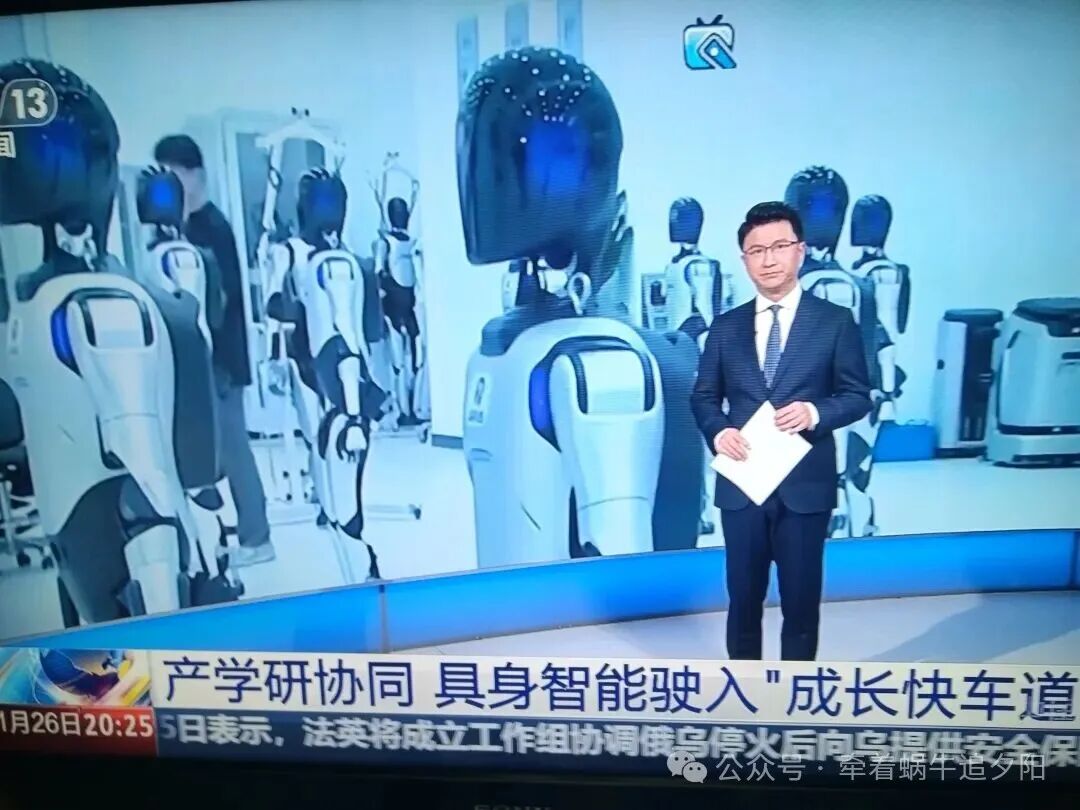
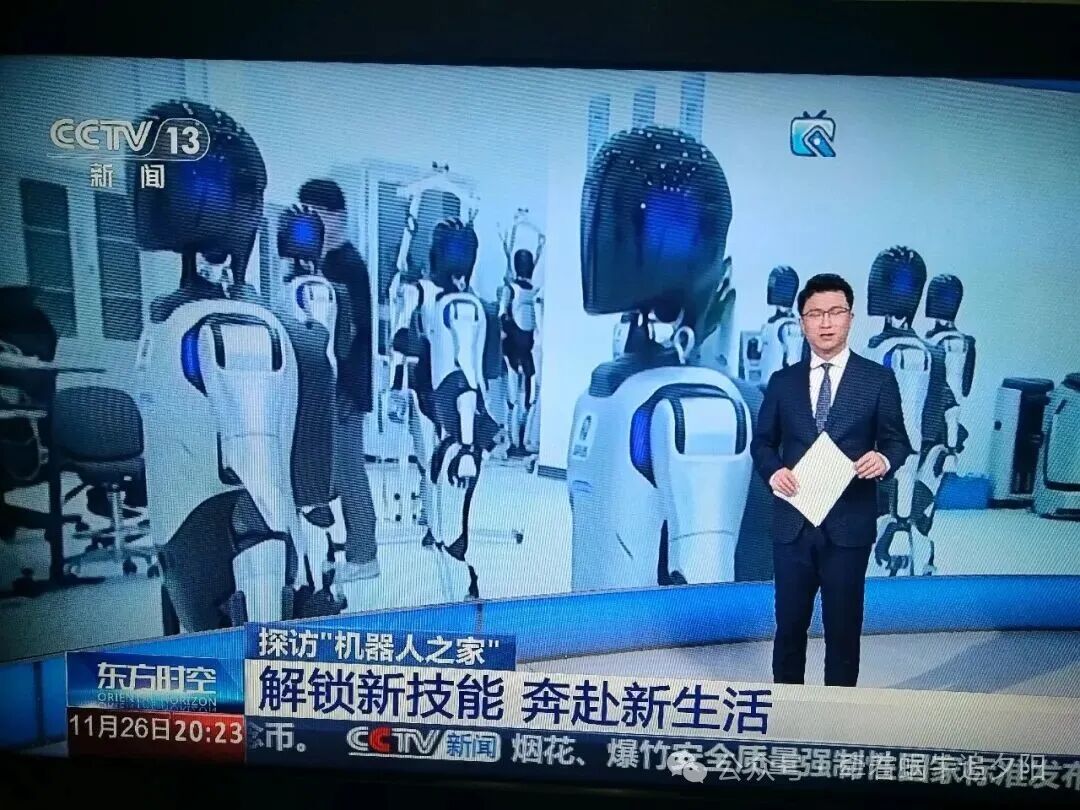
This type of intelligence can capture multi-dimensional information such as temperature, force, and vision, autonomously complete actions like grasping and walking, and can iteratively improve algorithms in practice, achieving self-evolution.
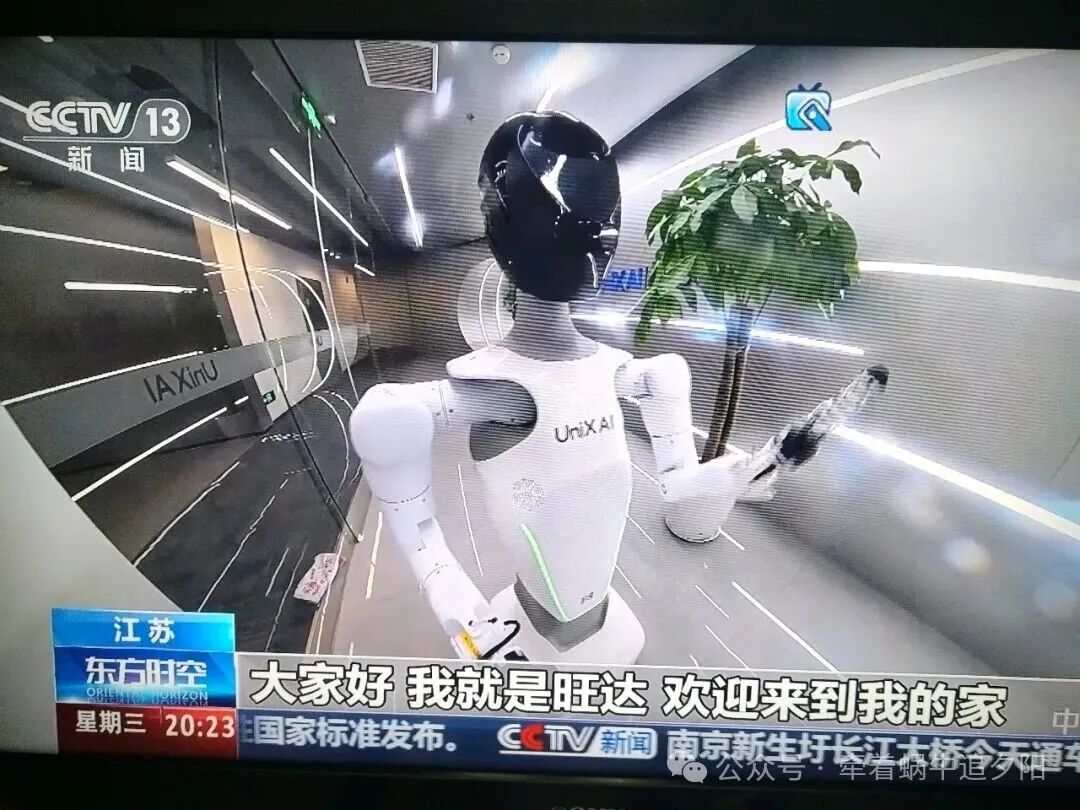
Next, we will see a humanoid robot named Wanda, from Suzhou, Jiangsu. It is the world’s first mass-produced humanoid robot equipped with an 8-degree-of-freedom robotic arm. At the World Humanoid Robot Sports Competition held in August this year, the Wanda series robots excelled and won the championship and runner-up in the hotel cleaning project group.
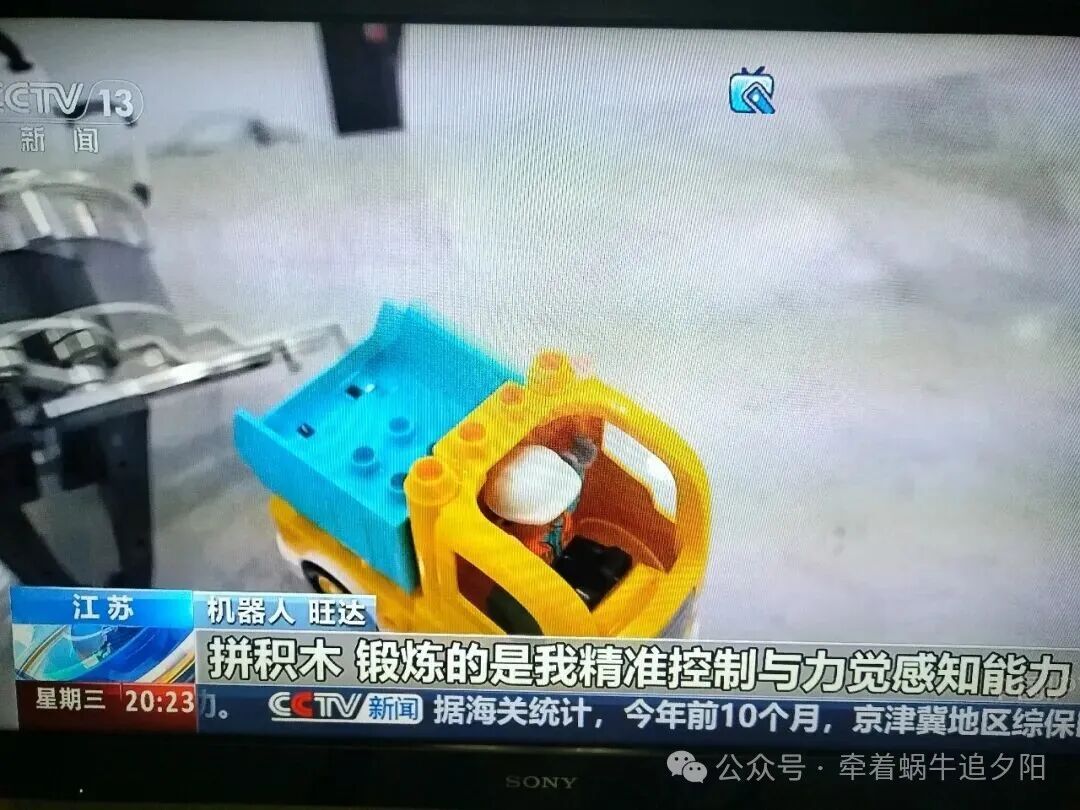
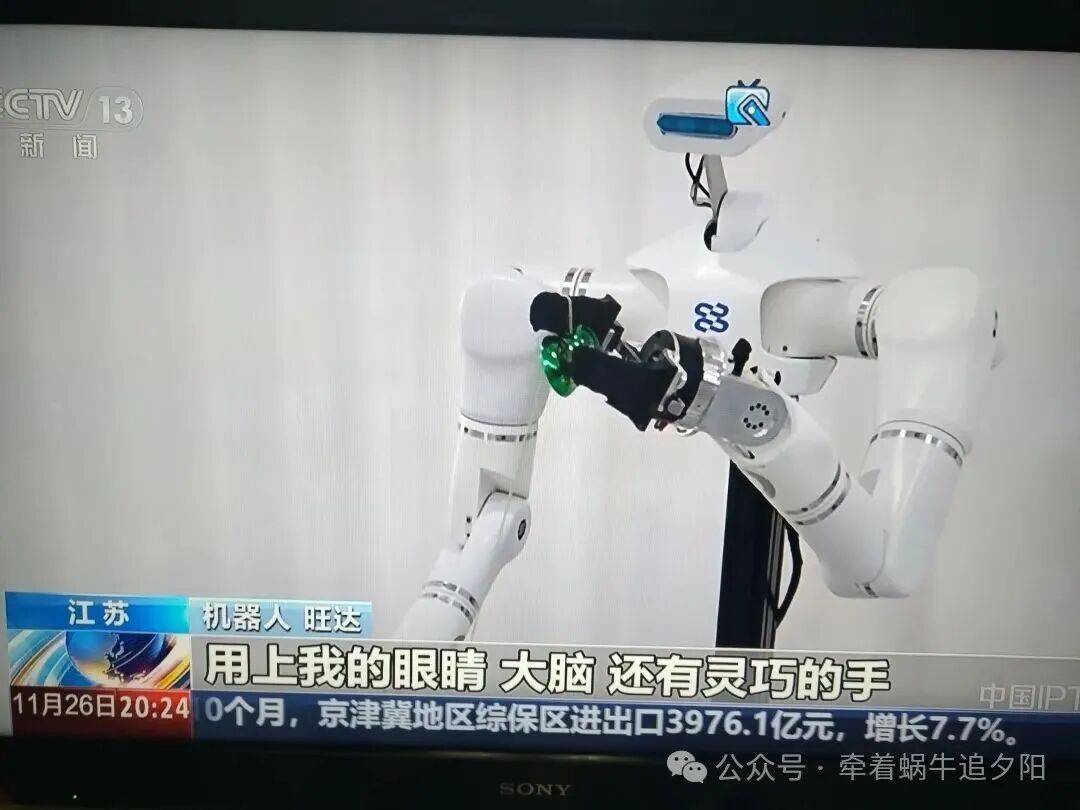
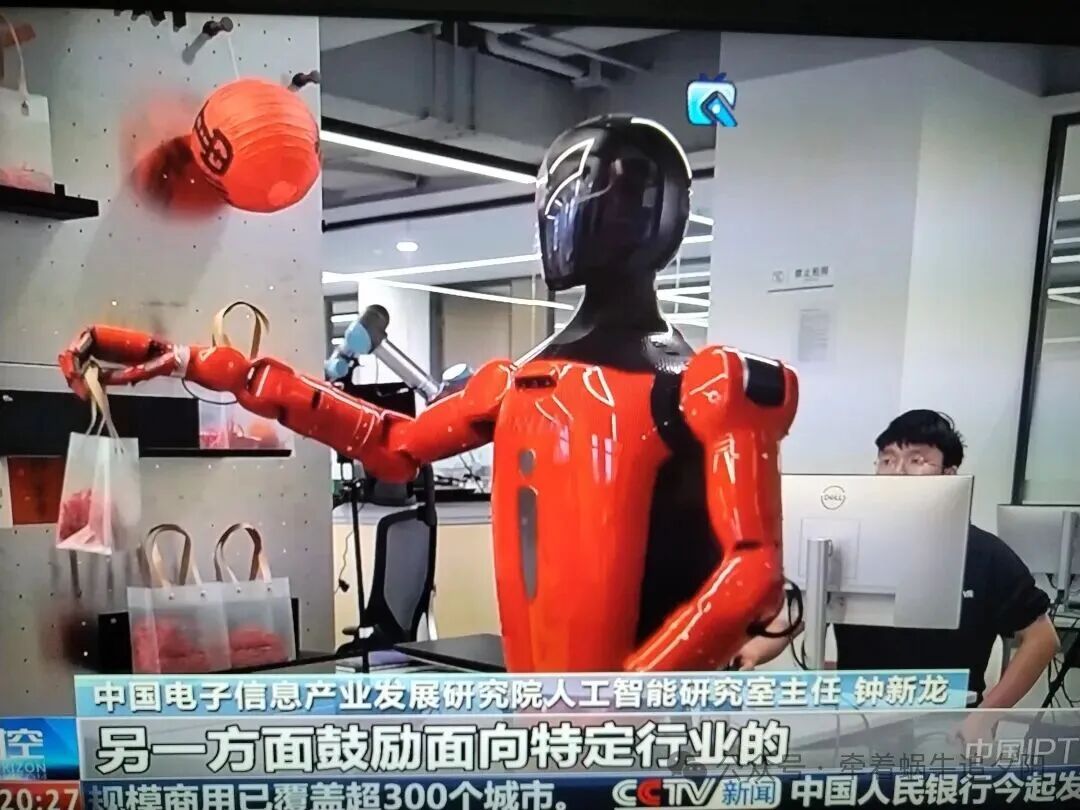
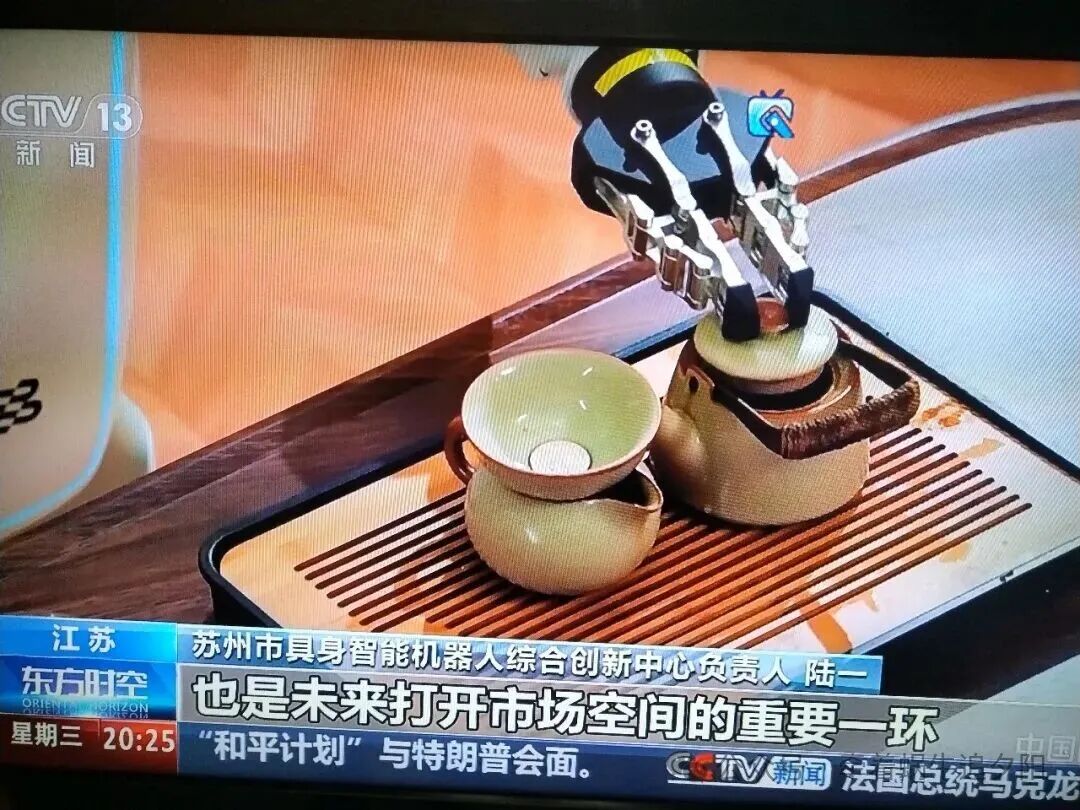
Let’s take a look at its operations, from picking up trash to making beds and cleaning toilets, all done in an orderly, precise, and efficient manner. Of course, Wanda is still in the process of accelerating its learning and skill enhancement. What surprises will it bring to our lives in the future? Next, let’s follow Wanda’s perspective and take a look at its home. Hello everyone, I am Wanda.
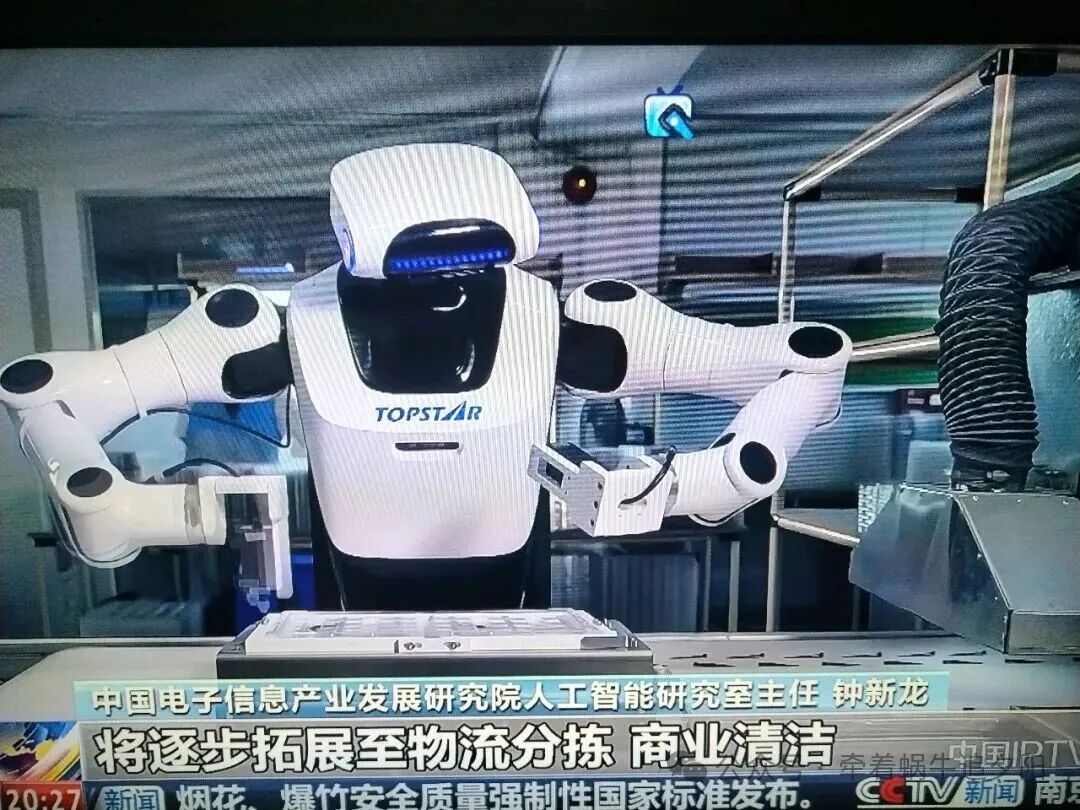
Welcome to my home, which has both a living room and a bedroom. This is also my daily training classroom. If you have any cleaning service needs at home, I can take orders. This is the gold medal I won at the World Humanoid Robot Sports Competition this year. However, achievements only represent the past; I have made new progress now. Here is the new generation model about to be released. Not only is it smarter, but it has also mastered many new skills. Building blocks exercises my precise control and tactile perception abilities, while the yo-yo tests my dynamic balance and multi-joint coordination abilities, all of which I can handle easily. Using my eyes, brain, and dexterous hands, I can perform various tasks in life services in the future. Of course, the daily practice and improvement are inseparable from the hard work of human engineers.
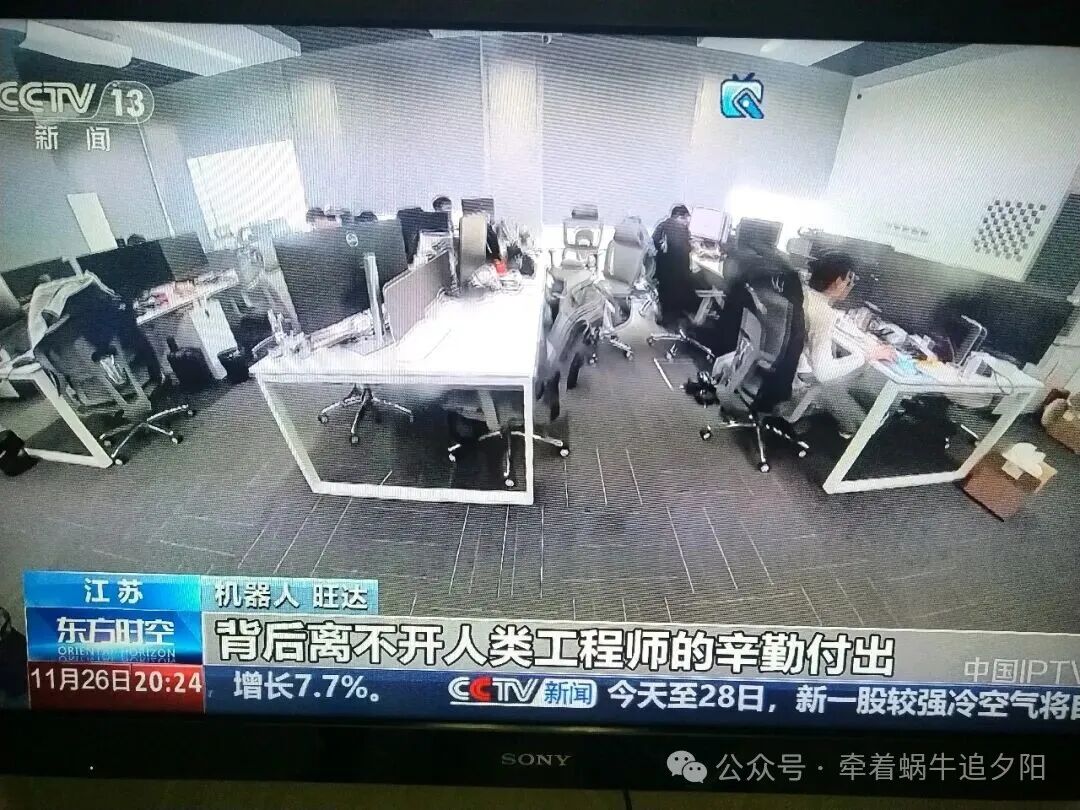
These are all my coaches, who use VR glasses to simulate machines. They convert human reactions and actions into massive data for me to learn from. Every day, I collect different cases for various scenarios. For example, in the previous washing scene, we must have dirty clothes in a fixed position to complete a relatively nice process. Now, the color, quality, and placement of the clothes can all be adapted by my system to complete the task. That said, for me, having skills at home without real scenarios to validate and test is currently the most urgent issue. The engineers are busy upgrading my teaching, and the government is also helping.
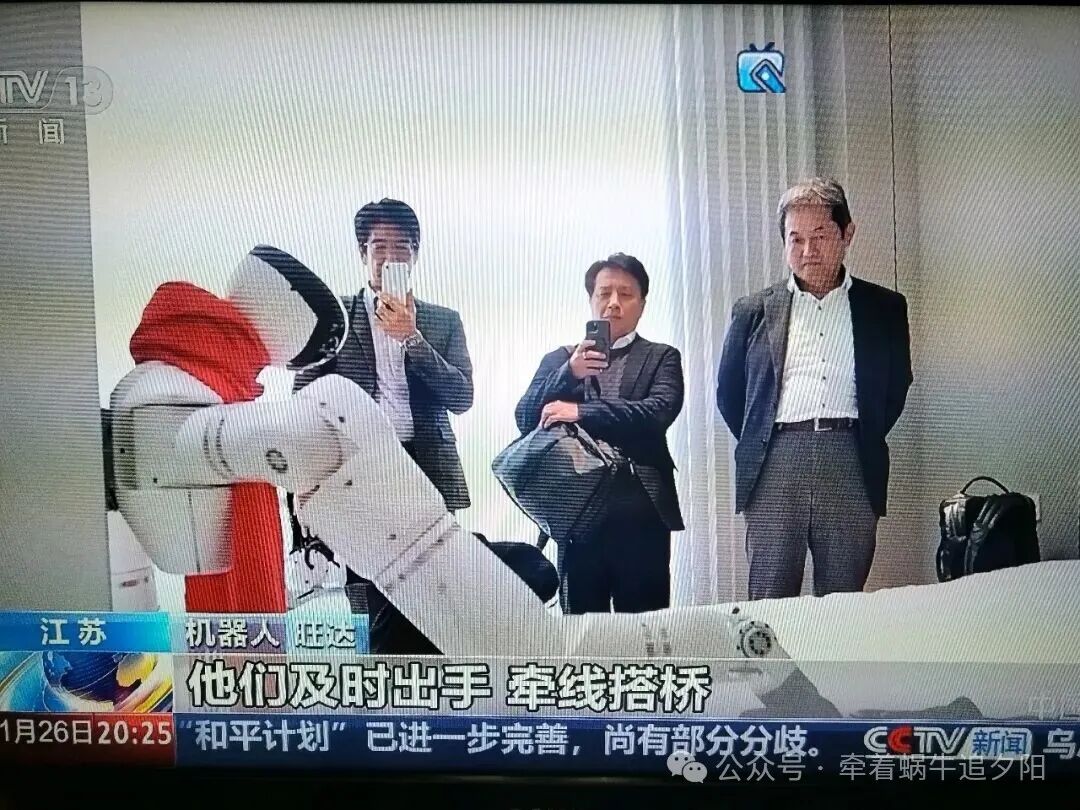
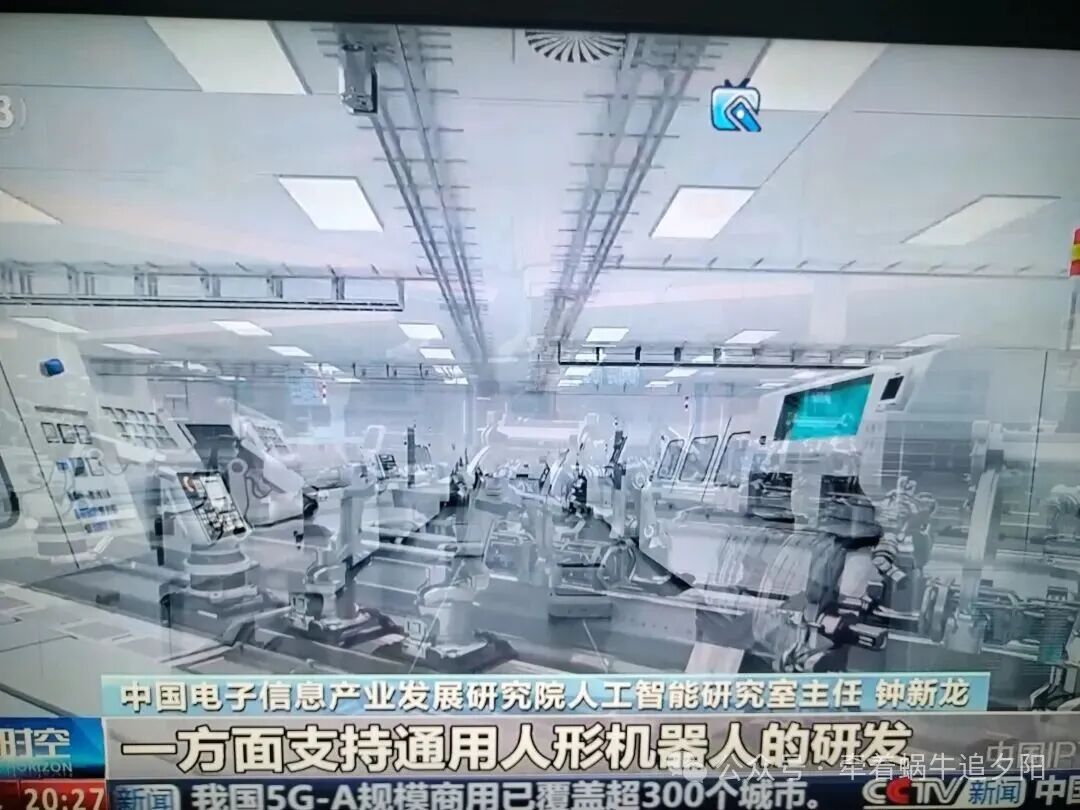
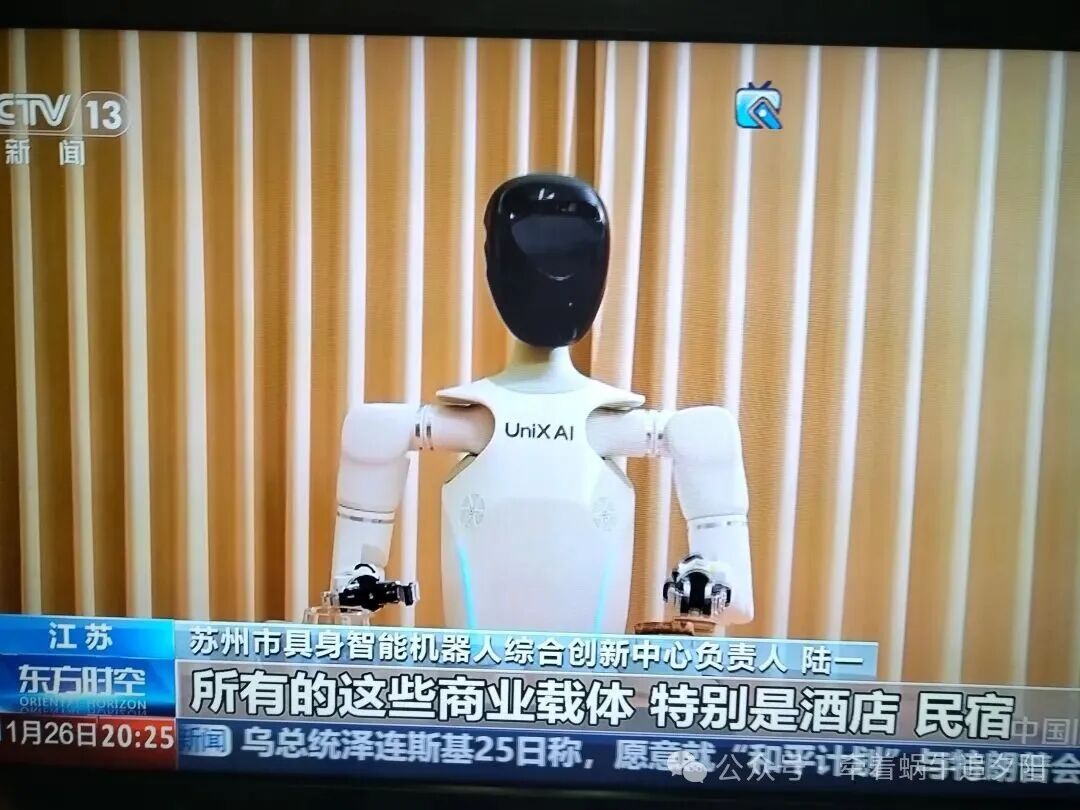
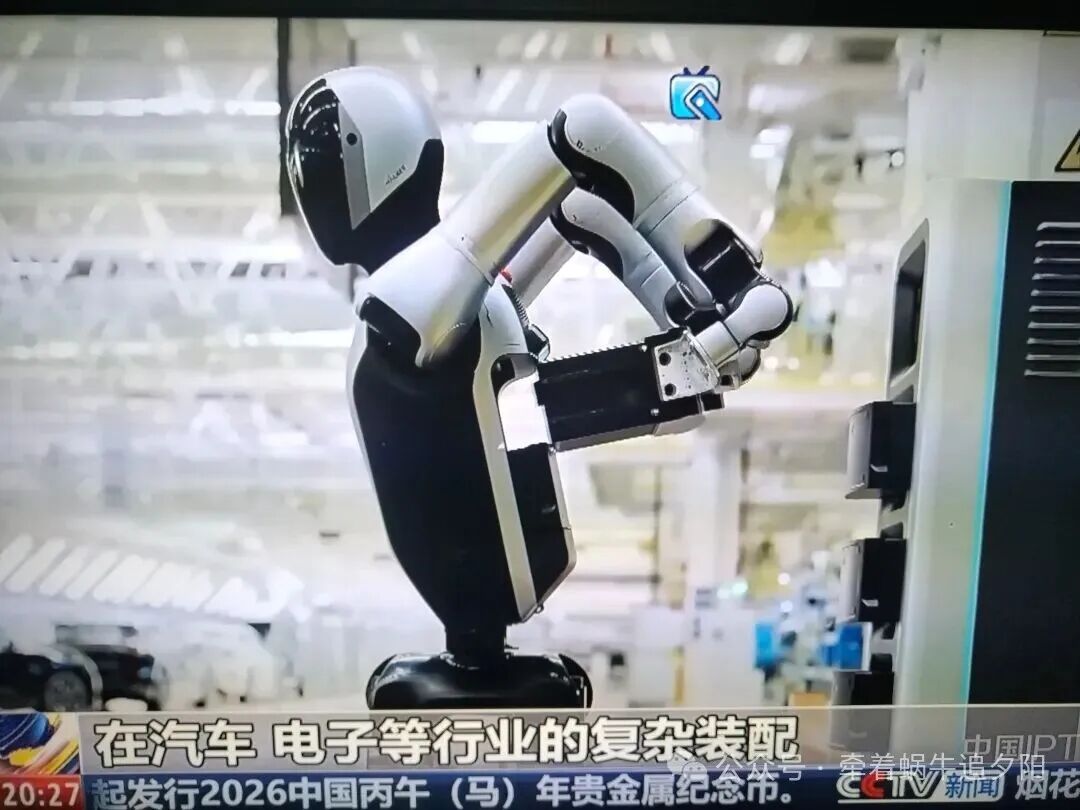
They are timely in bridging the gap and helping me find the most suitable application scenarios. Recently, almost every day, guests come to my home to see me, and I am also trying hard to perform well to gain more opportunities for practical application. We have opened all the commercial carriers of state-owned assets, especially hotels and homestays, to enterprises for selection. In the process of practical application testing, helping them better iterate and upgrade products is also an important part of opening up market space. Currently, in many places across the country, various precise measures are building a fast track for the embodied intelligence industry, promoting technological innovation and industrial landing in sync. Not long ago, a special science and technology line was opened in Wuzhong District, Suzhou. This 8km customized bus line starts from the Harbin Institute of Technology Suzhou Research Institute and ends at the newly opened comprehensive innovation center for embodied intelligent robots, connecting talent apartments, research institutes, and robot enterprises along the way, accelerating cooperation with enterprises for joint research and application. Including the joints of the robots and some other components, we can basically find corresponding supporting measures within 10km. Currently, to further smooth the upstream and downstream of the industrial chain, Suzhou has also initiated the establishment of an embodied intelligent robot industry science and technology innovation alliance, with the first batch of 99 members covering robot manufacturing enterprises, core component suppliers, research platforms, investment and financing institutions, and other diverse entities. By building a public service platform for technical exchanges, supply-demand docking, and resource sharing, we promote the accelerated transformation of innovative achievements. Facing the future, we regard embodied intelligence as the core track for future industries, actively constructing a system that integrates scientific innovation platforms with industrial parks, incubators, venture capital funds, leading enterprises, and research institutes, continuously promoting embodied intelligence from experimental innovation models to efficient engines of production and service assistants in life. Experts say that during the 14th Five-Year Plan period, China’s embodied intelligence will enter a critical stage of key breakthroughs from circular iteration to large-scale application, concentrating efforts on tackling core technologies and key components, and building a safe, efficient, and open AI large model training and evaluation platform for embodied intelligence. On one hand, supporting the research and development of general humanoid robots, and on the other hand, encouraging the rapid landing of specialized embodied intelligences for specific industries.
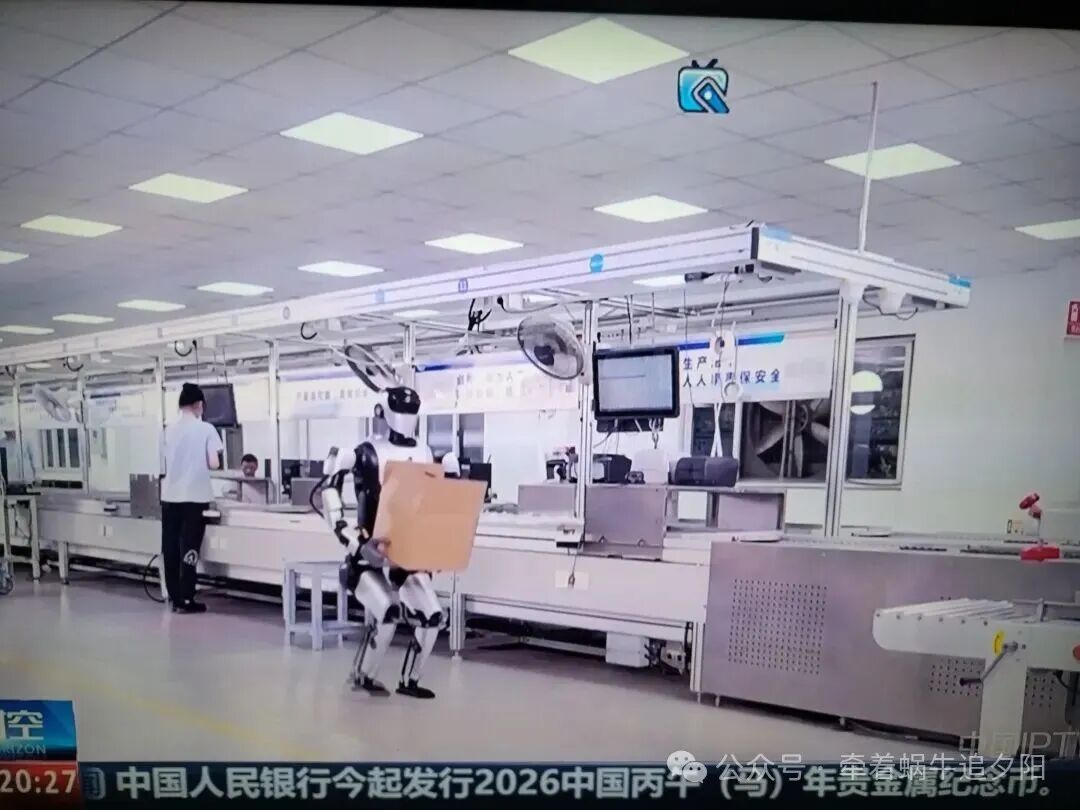
In terms of application prospects, during the 14th Five-Year Plan period, the manufacturing industry will be the primary battlefield for embodied intelligence to achieve commercial breakthroughs. In complex assembly, flexible production, and quality inspection processes in industries such as automotive and electronics, embodied intelligence is expected to provide solutions.
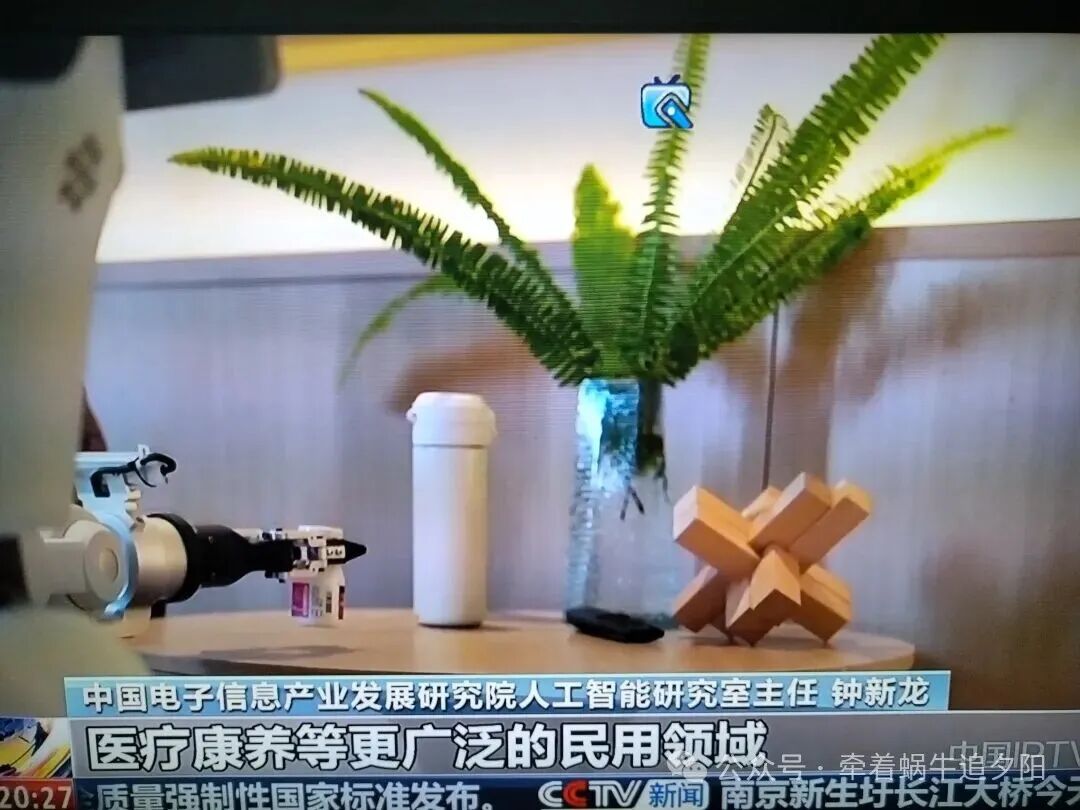
The issues of labor shortages and high-risk operations will gradually expand to broader civilian fields such as logistics sorting, commercial cleaning, and medical care, becoming a powerful new engine for economic growth.
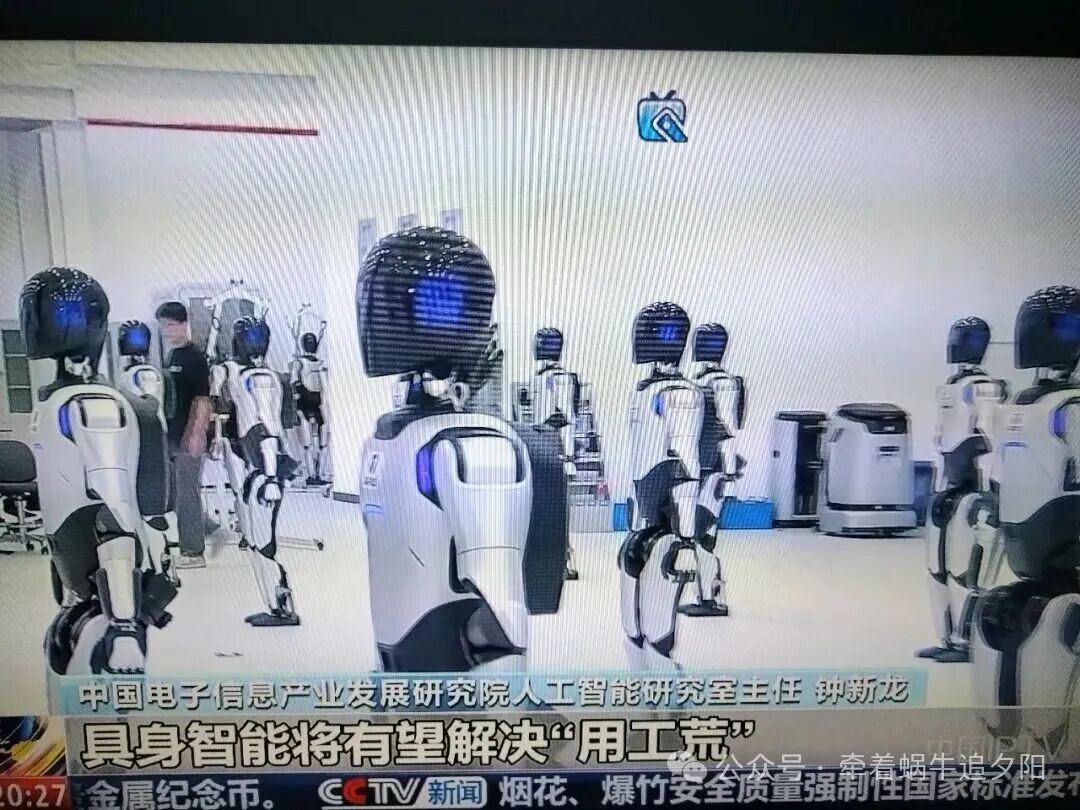
The above is an excerpt from the program on the planning and application scenarios of artificial intelligence robots.
The program mentioned that artificial intelligence robots will solve the problem of labor shortages. Is it that people are facing employment difficulties, or is there a shortage of labor? This inevitably reminds me of years ago when small enterprises in our rural towns relied on ordinary laborers. People worked hard to get rich, and of course, labor brought rewards, solving the survival issues of workers. However, today, technical positions require workers with educational qualifications and skills. With the rapid development of artificial intelligence and mechanization in large factories, are job positions decreasing? Will intelligent mechanization squeeze out the employment opportunities for ordinary laborers? Of course, this is a trend that cannot be changed. I once took a ride in a big city, and the driver talked about how a southern city has already introduced driverless taxis. They are already being used in urban ride-hailing operations. He said, “Haven’t you seen the news? Drivers are blocking driverless taxis in protest…” His point was that they have done all the work, so what are we supposed to do? Without education or skills, we are just working hard every day to support our families. Eating out is expensive! Isn’t that also supporting the restaurant industry? If we cook at home, the restaurant industry will struggle too… He mentioned that there are 9 million ride-hailing drivers in the country, and in some cities, they don’t implement this technology. The city managers are protecting laborers by not introducing these companies’ technologies. If they come here, we won’t be able to control the reality…
Back in the 1990s, a distant rural relative had three sons. Their studies didn’t seem promising, and I don’t know if they finished middle school. They followed him to work as laborers, doing simple physical work like digging foundations, moving bricks, and pushing sand. Those who could build walls and houses with bricks earned more. He said, “If they can’t study, they might as well sell some labor to earn some money.” Of course, I heard that those kids are now married with children and haven’t returned for many years. I don’t know the specifics, but I heard they are living a simple life. Back then, a small construction team needed at least 20-30 people. Now, with mechanization, 6-7 people can complete such work. With artificial intelligence and robots, they will inevitably replace some laborers. But for those who are replaced, what will their future employment direction be? It is uncertain. For entrepreneurs, technological progress and reduced labor costs also correspondingly reduce the hiring of ordinary laborers. Buying a batch of robots to replace human labor means they no longer need to pay for social security or wages. This is beneficial for entrepreneurs… I often hear about peers’ children who are waiting for public sector jobs or are unemployed…
What is the impact of the application of artificial intelligence robots in industrial scenarios on employment? Will assembly line workers, basic sorters, and restaurant servers be replaced? Will some laborers face the pressure of being replaced? There are often young supermarket workers and restaurant servers earning only two to three thousand yuan, who are the grassroots workers. Will ride-hailing drivers be replaced by driverless taxis that don’t need to eat, drink, or sleep? Will delivery workers be replaced by unmanned delivery systems? Will announcers be replaced by AI announcers? Those who can be replaced are all low-income, low-skill grassroots laborers. They will be squeezed out of the employment space by highly educated, high-skilled talents and robots. The future is uncertain, and we can only wait and see…
This is just a reflection of my thoughts written on November 27, 2025! Let’s see what the situation will be in a few years.