As the global population ages, traditional elderly care models face severe challenges in terms of manpower, resources, and efficiency. The rise of artificial intelligence technology injects new vitality into the elderly care industry, and the advancement of pilot projects for smart elderly care robots in 2025 marks a new phase of digitalization and intelligence in elderly care. AI systems provide 24/7 continuous monitoring, which not only compensates for the blind spots of human care but also offers personalized health management, allowing the elderly to enjoy a safer and more dignified life in their later years. This transformation is not just a technological upgrade but a comprehensive reconstruction of the social elderly care system.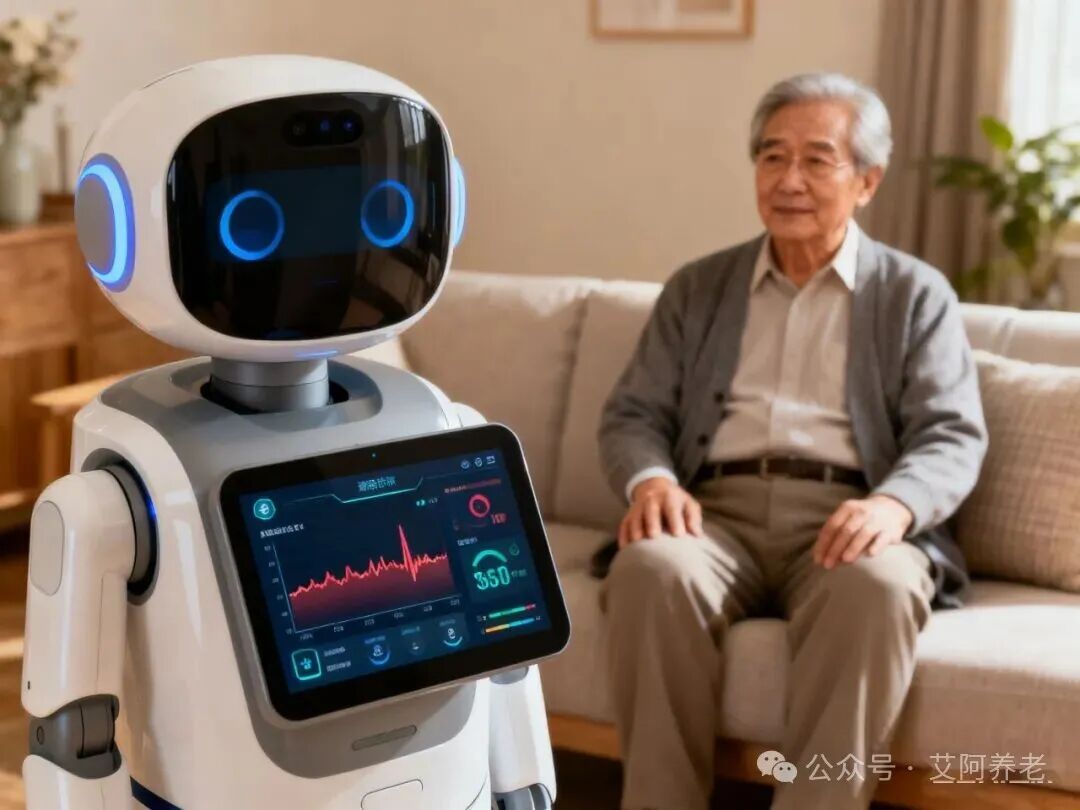
The smart elderly care robot integrates various advanced technologies, including sensor networks, computer vision, and natural language processing, to achieve comprehensive care functions. For example, the robot can track the elderly’s activity trajectory in real-time through its built-in camera, detect abnormal behaviors such as falls or prolonged stillness, and automatically trigger an alarm system. Meanwhile, the physiological parameter monitoring module can regularly measure heart rate, blood pressure, and blood oxygen saturation, with data uploaded to a cloud-based AI platform for analysis. Compared to traditional human patrols, the robot can also learn the elderly’s daily habits, predict potential risks, and contact family members or medical institutions immediately in emergencies, significantly improving response efficiency.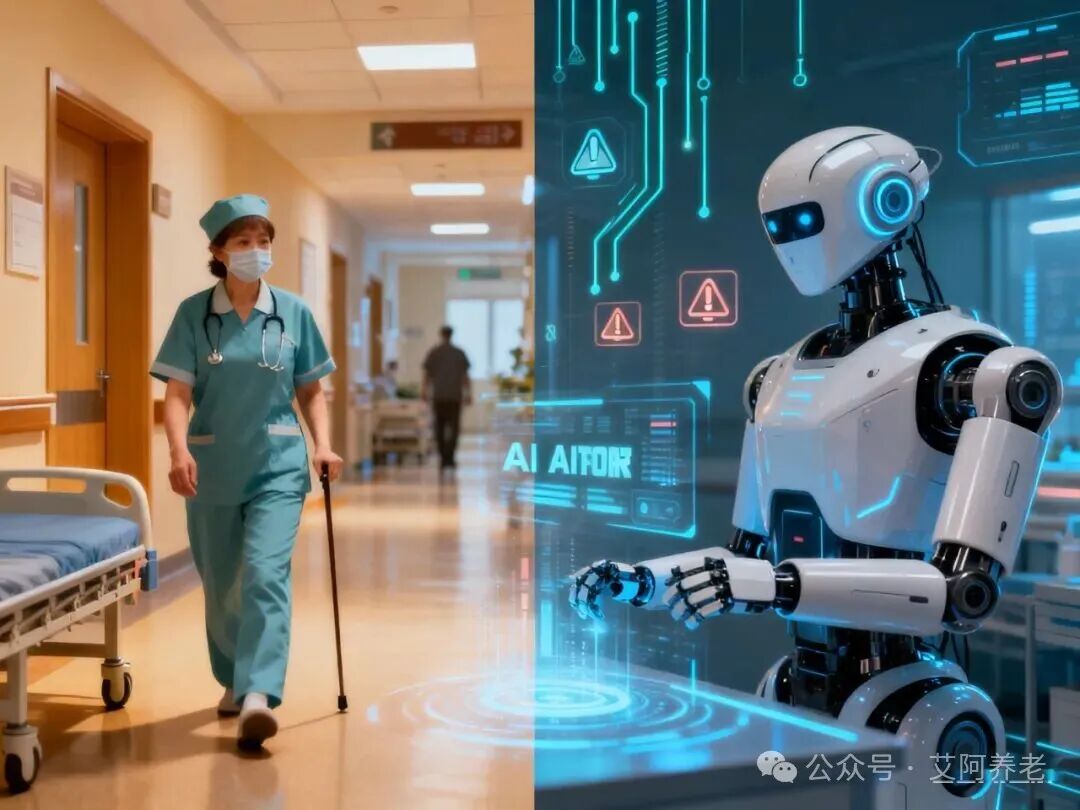
Traditional elderly care relies on a shift system of caregivers, but limited manpower leads to uneven coverage, especially at night or in remote areas where supervision gaps are likely to occur. AI-driven smart robots can provide seamless round-the-clock service, reducing human errors. For instance, in pilot projects, AI systems have identified trends of declining sleep quality among the elderly through big data analysis, allowing for early intervention to prevent health deterioration. Additionally, the robots can provide emotional companionship, alleviating the elderly’s feelings of loneliness through voice interaction, which is difficult to sustain with purely human care. Data shows that the incidence of emergencies in elderly care institutions using AI monitoring has decreased by over 30%.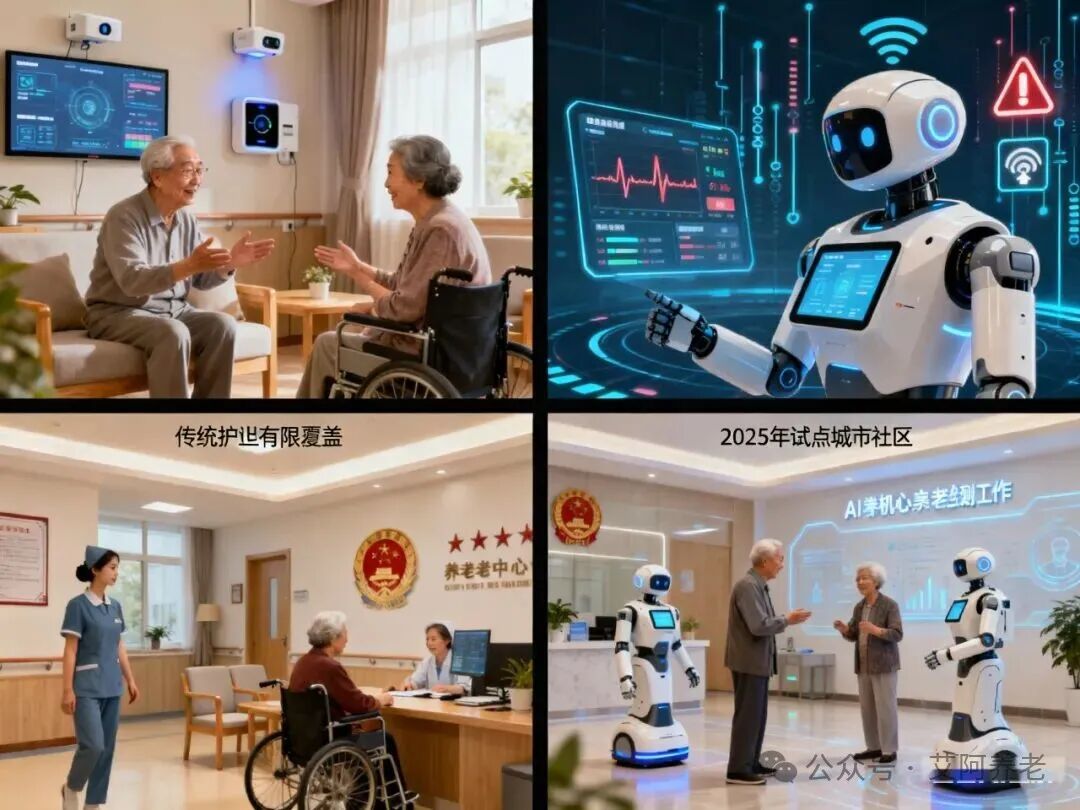
In 2025, several provinces and cities in China launched large-scale pilot projects for smart elderly care robots, covering urban communities and rural elderly care centers. These projects prioritize promotion among the elderly population, especially those who are elderly and live alone, with robots equipped with customized AI algorithms to adapt to different environmental needs. For example, robots deployed in a pilot city can automatically plan inspection routes and interact with smart home devices to adjust indoor temperature, humidity, and lighting. The government collaborates with enterprises to reduce usage costs through subsidies while collecting user feedback to optimize the system. Preliminary evaluations show that the satisfaction rate among the elderly in pilot areas exceeds 85%, with care efficiency improved by about 40%.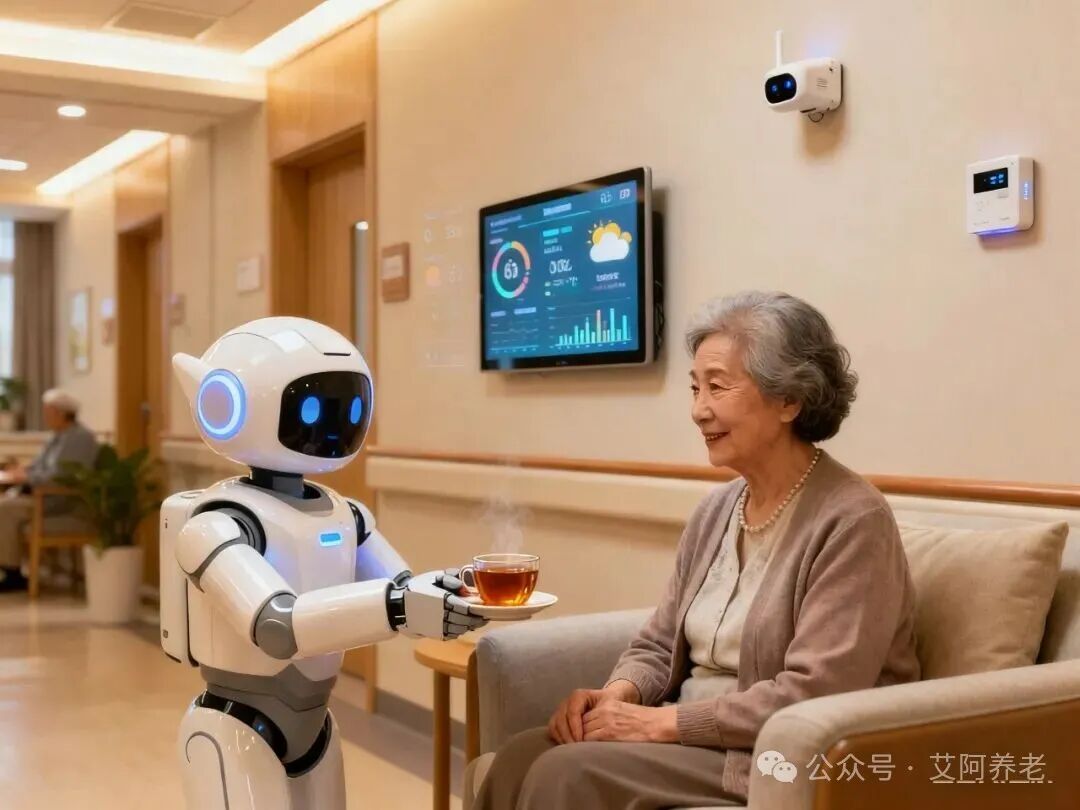
The core of AI-driven elderly care lies in data-driven decision-making. Machine learning models analyze historical health data to build personalized risk prediction models, such as identifying early signs of cardiovascular diseases. IoT devices like smart wristbands and environmental sensors work in conjunction with robots to form a “perception-analysis-response” closed loop. Additionally, blockchain technology ensures data privacy, preventing the misuse of elderly information. These technologies not only enhance care quality but also reduce long-term operational costs, providing new pathways for the sustainable development of the elderly care industry.
Despite the promising prospects of AI-driven elderly care, multiple challenges remain. Privacy and security are primary concerns, necessitating improved regulations to prevent data breaches; furthermore, the digital divide poses challenges for technology adoption, as many elderly individuals have low acceptance of smart devices. In the future, the industry should strengthen cross-sector collaboration, develop more user-friendly interfaces, and promote policy support and public education. It is expected that by 2030, AI elderly care will cover a broader range of scenarios, from homes to institutions, achieving a new paradigm of elderly care characterized by “technology empowerment and warm companionship.”