Click to follow and unlock more PLC technology knowledge!
Introduction
Many newcomers to the industrial control field often wonder: since PLCs come with built-in relay outputs, why do we need to add an extra row of external relays to control contactors? Doesn’t this increase costs and complicate the system? In fact, there is profound electrical design philosophy and engineering wisdom behind this.
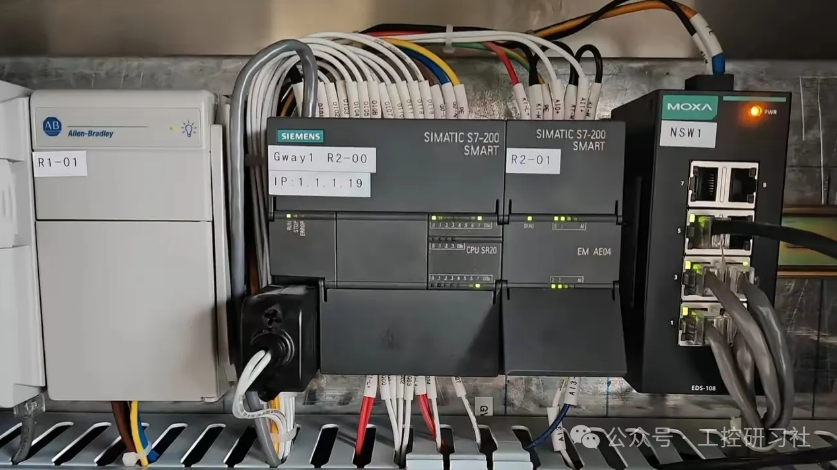 1The “Unbearable Weight” of PLC Internal Relays
Although PLC internal relays can directly drive contactors, their contact capacity is usually limited. The rated current of internal relay contacts in mainstream PLCs generally ranges from 2A to 5A (AC250V). However, contactors can generate surge currents up to 5 to 10 times the steady-state current at the moment of engagement.
For example, a 380V AC contactor may have a steady-state current of only 100mA, but the inrush current at the moment of engagement can exceed 500mA. If PLC internal relays are used to drive them directly for a long time, the contacts can easily age due to arc erosion and metal migration. Measurements show that after more than 300,000 operations, the contact resistance may increase by over 50%, significantly shortening the PLC’s lifespan.
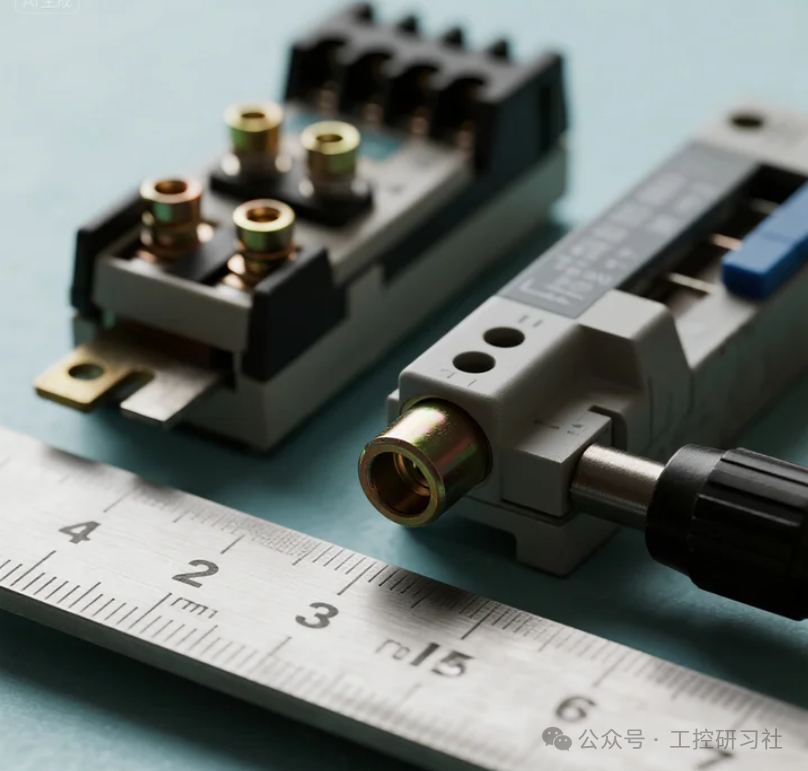
2Electrical Isolation: A Dual Safety Barrier
The industrial environment is full of electromagnetic interference, surge voltages, and impacts from inductive loads. External relays actually establish an additional electrical isolation barrier between the PLC and field devices.
This “dual isolation” strategy effectively prevents:
-
Conductive interference from the power grid (such as surges and voltage drops) affecting the PLC;
-
Transient voltages of up to 1.2kV generated when the contactor coil is de-energized;
-
Ground loop interference caused by the start and stop of high-power devices.
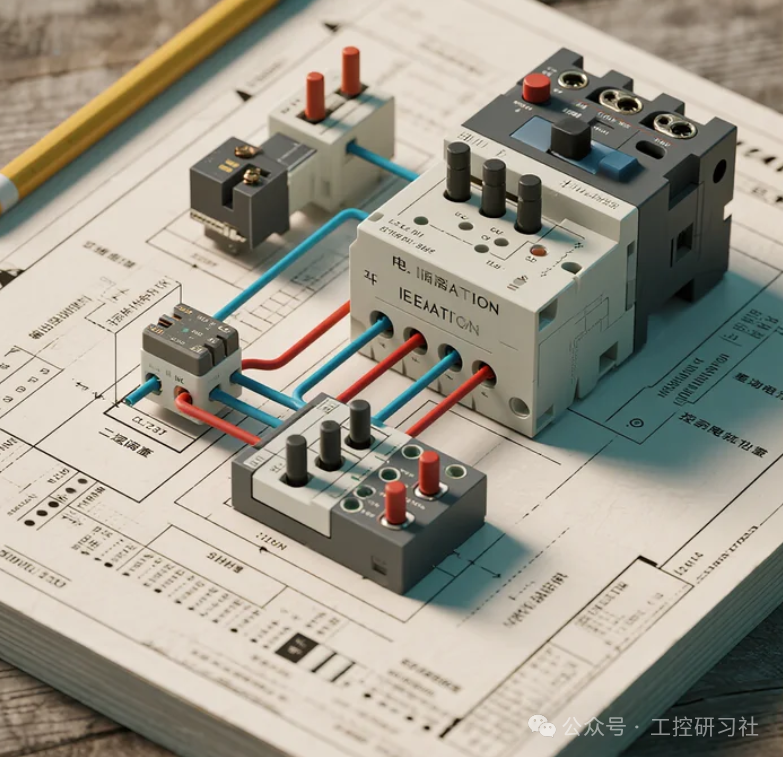
3Improved Reliability and Maintenance Convenience
External relays are designed with modularity, supporting hot-swappable replacements. In the event of a failure, maintenance personnel can complete the replacement in a few minutes without needing to power down or replace the entire PLC output module.
For instance, the average mean time to repair (MTTR) for some PLC modules can be as long as 45 minutes, while replacing an external relay typically takes no more than 5 minutes. More importantly, damage to external relays does not affect the internal PLC program, greatly reducing the difficulty and time required for system recovery.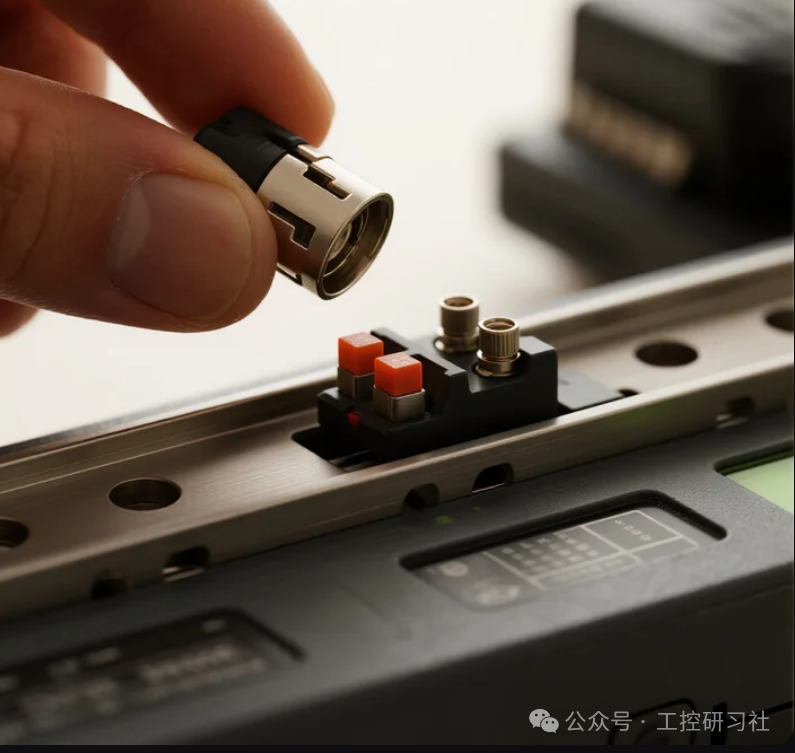 4More Economical in the Long Run
Although external relays increase initial costs, they can be more economical over the entire equipment lifecycle:
-
The price of PLC output modules is usually 10 to 20 times that of external relays;
-
When expanding production lines, only external relays need to be added, without the need to replace or expand PLC modules;
-
Relays with mechanical indicator lights make the status clear at a glance, significantly reducing fault diagnosis time.
There are cases showing that equipment using external relay solutions can reduce lifetime maintenance costs by over 18%.
Conclusion
Therefore, external relays are not “superfluous” but rather the optimal design based on considerations of electrical safety, system reliability, maintenance convenience, and total lifecycle costs. It embodies the deep engineering philosophy of “using the right device for the right task” in industrial control.

Scan to receive classic PLC cases and source programs for free

 Scan to receiveElectrical/PLC/Frequency Converter learning materials
Previous Recommendations
[8 Weeks to High Salary] Transform from Zero to PLC Expert! The “Golden Bowl” of Manufacturing Industry Awaits You!
The Journey of Becoming a PLC Engineer with a Monthly Salary of 30K+! A Must-Read for Industrial Control Professionals
400-page Electrical Control PPT + 900+ Practical Circuit Cases, Essential Resource Pack for Engineers![Animated Learning] 18 PLC Dynamic Demonstrations, Understand Industrial Automation Control from Scratch37 Animated Diagrams Explaining Sensor Working Principles, Finally Understood!Come and Challenge! Hundreds of Mechanical Animated Diagrams! Only Experts Understand!S7-200SMART PLC Advanced Applications: Implementing Multiple Calls for Single Button Start/Stop FunctionHow to Write a Good PLC Alarm Program? A Practical Guide from Beginner to ExpertSiemens PLC Programming Software Selection Guide: A Comprehensive Strategy from 200SMART to 1500 Share
Share Collect
 View
View Like
Like