Hanchuan Technology has been deeply involved in the embedded field for over twenty years. Our sales engineers often receive inquiries from customers asking, “Can you provide a quick quote based on simple parameters?” We fully understand the customers’ pursuit of project efficiency. However, for core boards that truly meet industrial-grade customer requirements, “quick quotes” often imply significant hidden risks. This is not due to a complicated process, but rather determined by the nature of the product and the commitment to the success of the customer’s project.
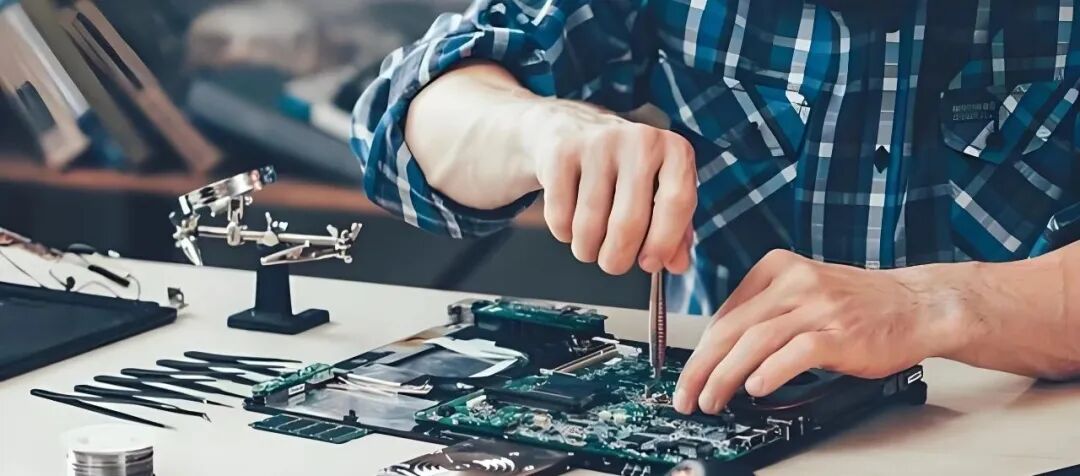
First, customer needs go far beyond a parameter sheet. Often overlooked environmental details, hardware performance, certification compliance, software ecosystem, and supply assurance are all hidden requirements that have a decisive impact on costs.
Ambiguous scenario definition = weak foundation:
“Industrial automation” is a broad field. Is the equipment deployed in a temperature-controlled clean room, or in a steel mill with vibrations, dust, and fluctuating temperatures? The former may require a wide temperature design (-20℃~70℃), while the latter needs military-grade reinforcement and ultra-wide temperature support (-40℃~85℃+). If the environmental definition is unclear, discussions on heat dissipation design, component selection, and structural processes cannot even begin, leading to distorted quotes.
The trap of “sufficient” performance:
In the initial communication, many customers state a requirement, such as “I need a quad-core ARM processor”;
Is the device’s real-time control loop cycle in milliseconds or microseconds? Under multi-task loads, are there deterministic interrupt response requirements? Is hardware acceleration needed for specific algorithms (e.g., visual processing)? These real-time, determinism, and computational distribution details directly determine CPU selection (Cortex-A vs Cortex-R), peripheral configuration (high-speed interfaces, FPU/NEON), and even cost structure.
“Hidden” requirements determine success or failure:
Does the device meet electromagnetic compatibility (EMC Class A/B? Industrial Level 4?), functional safety certification (IEC 61508, ISO 13849)? These stringent standards require everything from PCB stack design, power tree isolation, to deep customization of software architecture, which ordinary “commercial boards” cannot achieve. Ignoring them puts the product at compliance risk upon market launch.
Deep binding of software and ecosystem:
Will the device run a streamlined Linux, real-time RTOS (like VxWorks), or Harmony? Is specific BSP support and long-term security updates required? Customization, testing certification, and lifecycle maintenance costs at the software level are inseparable and carry significant weight in embedded system quotes.
Supply assurance and supply chain resilience:
Do you expect stable supply of products for 5, 10, 20 years, or longer? This requires us to plan long-cycle components in advance, establish a secondary supply system, and even conduct specific packaging and testing. The “use-and-discard” model of ordinary consumer-grade chips does not apply here.
Therefore, we at Hanchuan Technology refuse to provide “ambiguous quotes”, not due to process barriers;
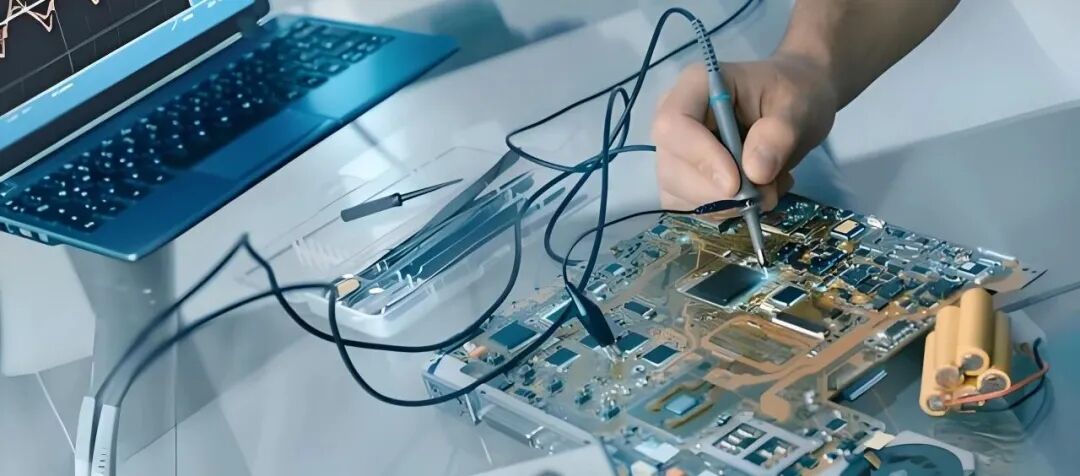
For industry application solutions OEM/ODM customization, we insist on a deep analysis process of customer needs, positioning early in-depth communication as a necessary investment to “avoid later catastrophic modifications”, “optimize total costs”, and “ensure first-time success”, rather than a process barrier.
1. Avoid later disruptive modifications:
Early thorough communication of environment, performance limits, and certification goals ensures the core board architecture is designed correctly the first time, avoiding hardware reconstruction due to specification misunderstandings—this often takes longer and costs more than initial assessments.
2. Optimize TCO (Total Cost of Ownership):
Custom designs that precisely match requirements may have a slightly longer initial design cycle, but can avoid waste from performance redundancy or secondary development due to insufficient specifications. Strict reliability design and testing (such as high and low-temperature aging) significantly reduce field failure rates and maintenance costs.
3. Ensure project success on the first attempt:
For example, in fields like smart power, military aerospace, and industrial robotics, the cost of system failure is high. Our deep collaborative design ensures that the core board has long-term, stable, and efficient operational capabilities in your end applications, which is a responsibility that quick quotes cannot bear.
Letting professional value run through the product lifecycle is a principle we have always adhered to, so we sincerely invite customers with needs to engage deeply with our technical team early in the project;
To jointly clarify:
The application scenarios, environmental challenges, key performance indicators, hard real-time requirements, necessary industry certifications and safety levels, software ecosystem and long-term maintenance expectations, product lifecycle and supply chain assurance goals, etc.;
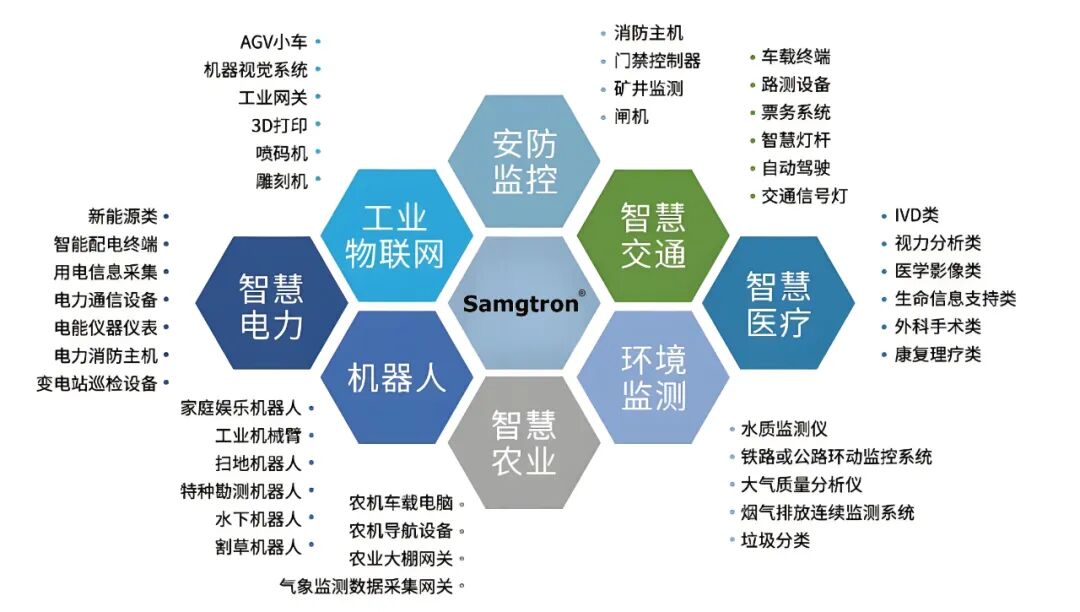
Only in this way can Hanchuan Technology provide customers with reliable, mass-producible, and competitive embedded core board solutions and accurate quotes.
We firmly believe that this rigor is the most solid guarantee for the success of customer projects.