Have you ever seen a fruit with a vitamin C content dozens of times higher than that of an apple? It has a peculiar shape, covered in small thorns, and is not very large or visually stunning.
This is the thorn pear, a wild fruit commonly found along roadsides or in valleys in the Yunnan-Guizhou-Sichuan region. Don’t underestimate it; it is hailed as the king of vitamin C.
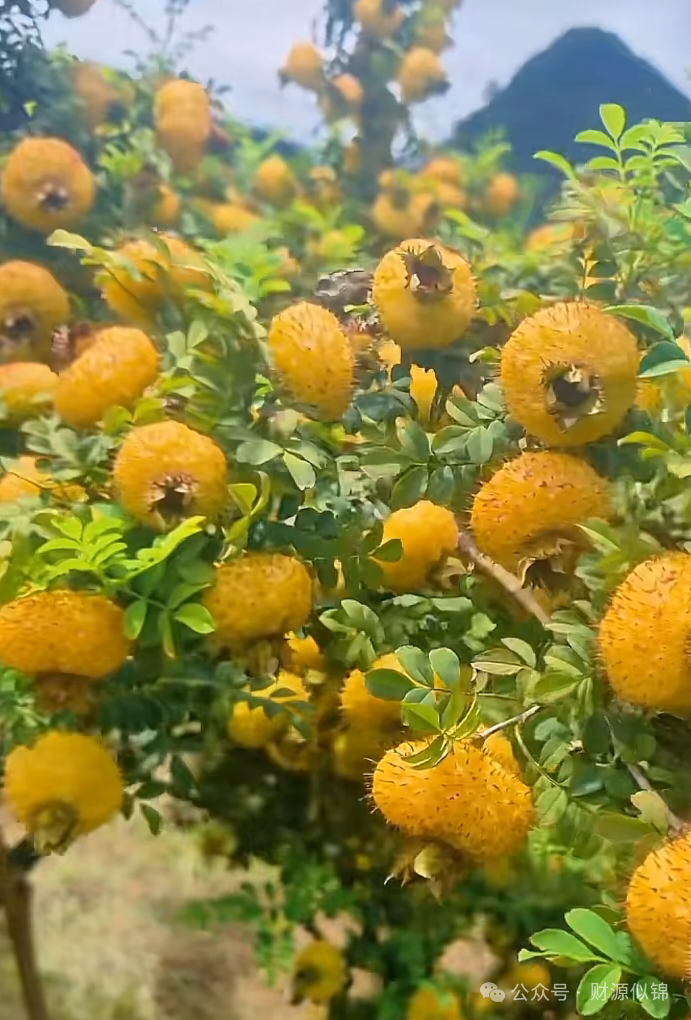
Perhaps many people have never heard of the thorn pear, but it is full of treasures. So what makes this low-profile fruit so special? Let’s find out!
As an obscure fruit, its vitamin C content is over 50 times that of oranges and 860 times that of apples.
The thorn pear generally grows in sunny hillsides or shrubs, preferring loose, breathable, slightly acidic soil, and has drought-resistant and poor-soil-tolerant characteristics, making it quite resilient to drought.
The appearance of the thorn pear matches its name, covered in small sharp thorns that make it unapproachable at first glance. The mature fruit is golden yellow, resembling a duck pear. Once the thorns are removed and the skin is peeled off, the flesh inside is yellowish-white, dotted with black seeds that look like little black sesame seeds sprinkled on top, making it quite adorable. When eaten, it has a slightly sour and astringent taste.
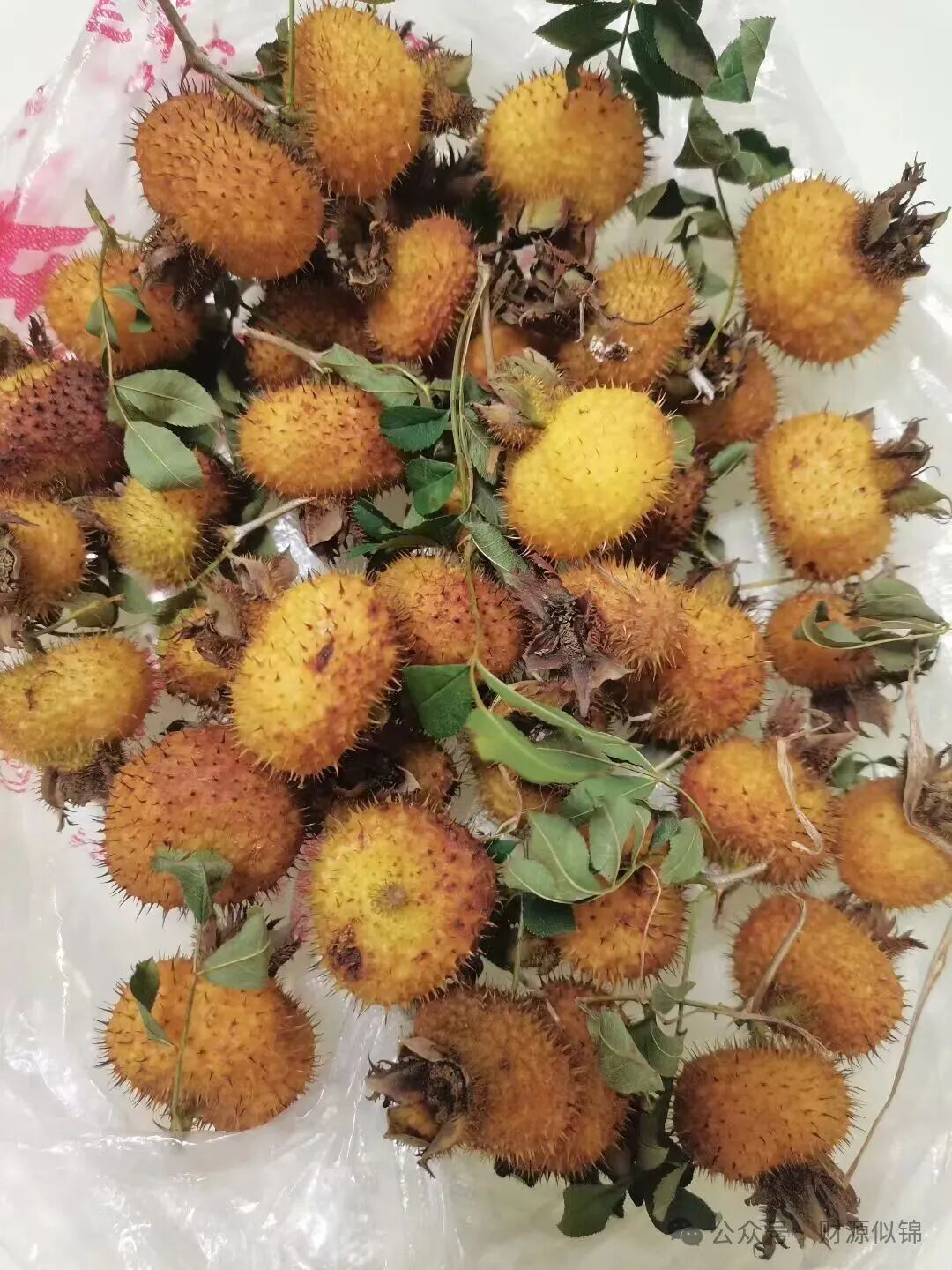
In botanical classification, the thorn pear belongs to the rose family. Although it is not the same category as snow pears or duck pears, they all belong to the same large family of roses. The biggest difference between the thorn pear and other rose family fruits like apples, pears, and peaches is that the vitamin C content of the thorn pear far exceeds that of other fruits, making it stand out significantly.
Research shows that the vitamin C content of the thorn pear is not even in the same league as other fruits. Compared to apples, pears, and peaches, it is hundreds of times higher, with approximately 2585 mg of vitamin C per 100g of thorn pear flesh, which is over 50 times that of oranges. Other fruits high in vitamin C include sour jujube (900 mg), fresh jujube (243 mg), guava (228 mg), and kiwi (62 mg). The specific content varies based on factors such as variety and ripeness.
Therefore, if you want to increase your vitamin C intake for antioxidant benefits, the thorn pear’s content seems particularly enticing.
However, it is worth noting that while the vitamin C content is high, it should not be overly mythologized. A healthy lifestyle is more important than supplementing a single nutrient, and one should not expect to prevent diseases solely by increasing vitamin C intake.