Temperature cycling test, also known as thermal cycling test or high-low temperature cycling test, involves exposing the test sample to a predefined high temperature change rate in an alternating high and low temperature environment to evaluate the changes in functional characteristics of the sample after temperature cycling or storage. This method can early detect potential failures or defects in components, complete devices, or circuit boards, making it one of the common environmental stress screening methods for electronic products. Environmental Stress Screening (ESS) is primarily applicable during the product development and production phases for reliability screening tests.
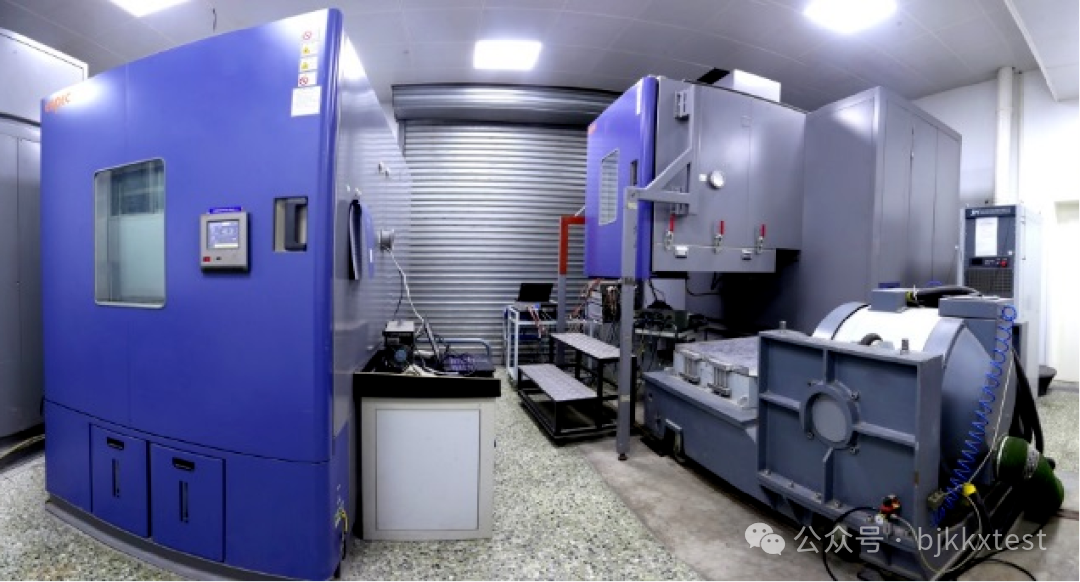
1. Technical Indicators of Temperature Cycling Test
High temperature, high temperature holding time, cooling rate, low temperature, low temperature holding time, heating rate, and number of cycles. The severity of the test depends on the high/low temperatures, humidity, and exposure duration.
2. Standards for Temperature Cycling Test
1. GB/T 2423.22-2012 “Environmental Testing – Part 2: Test Methods – Test N: Temperature Changes”;
2. IEC60068-2-14:2009 “Environmental Testing – Part 2-14: Test Methods – Test N: Temperature Changes”;
3. GB/T 28046.4-2011 “Environmental Conditions and Testing for Electrical and Electronic Equipment in Road Vehicles – Part 4: Climatic Loads”;
4. ISO16750-4:2006 “Environmental Conditions and Testing for Electrical and Electronic Equipment in Road Vehicles – Part 4: Climatic Loads”;
5. GJB 367A-2001 “General Specification for Communication Equipment”;
6. GJB 322A-1998 “General Specification for Computers”;
7. GJB 1032A-2020 “Environmental Stress Screening Methods for Electronic Products”.
3. Example of Temperature Cycling Test for Pressure Temperature Sensors:
Temperature range: -40℃ to +55℃, with each high and low temperature point held for 1 hour, temperature change rate of 10℃/min, and a total of 10 cycles. Functional performance testing of the tested product is conducted during the test according to product specifications.
For testing inquiries, contact Engineer Peng at 136-9109-3503.
Environmental and reliability testing is conducted to ensure that the product maintains functional reliability under all expected usage, transportation, or storage conditions throughout its specified lifespan.
Environmental reliability laboratories are increasingly market-oriented, enhancing strategic planning to strengthen technological innovation and internal and external collaborative innovation, promoting the construction of a modern industrial system, and comprehensively improving the core competitiveness and high-quality development potential of enterprises, contributing wisdom and strength to the development of high-end equipment manufacturing in our country.