1. Analysis of Trading Activity in the Humanoid Robot Sector
Changes in Transaction Share Data: The trading activity in the humanoid robot sector can be analyzed through the core indicator—the transaction share of approximately 300 companies within the sector as a percentage of the total transaction volume in the A-share market. On September 17, this share was 12%, which has been continuously declining over the past two months, dropping to 5.1% by June. In July of this year, this share briefly fell to 5.4%, and the current 5.1% is already below this level. Before October 2024, this share is expected to hover around 5%, with the period from August to October 2024 being the quietest for the sector, with almost no interest. The current transaction share has reverted to the state before October 2024, indicating that the trading activity in the sector has dropped to a low position.
2. Progress and Production Expectations for Optimus
Acceleration of Orders and Deliveries: Following the approval of the equity incentive plan at the November shareholders’ meeting, the progress in the industry has accelerated. The rhythm, quantity, and delivery times of orders from major North American clients have continued to speed up. Communication with core suppliers of T2 revealed that progress accelerated in November, with T urgently placing a batch of third-generation new component orders this week, requiring delivery before the end of November to assemble the third-generation Optimus product before Thanksgiving. Currently, the supplier list has narrowed, and some suppliers have begun preparing for capacity reports.
Expected Shipment Volume for 2026-2027: Based on supply chain research, major North American clients hope to achieve a production capacity of 300,000 to 500,000 units by the third quarter or the end of 2026. If progress goes smoothly, the shipment volume of Optimus robots could reach tens of thousands in 2026. In 2027, if the brain side progresses well, the shipment volume is expected to increase to 200,000 to 300,000 units.
3. Analysis of Constraints on Optimus Mass Production
Maturity of the Hardware Supply Chain: Currently, the hardware supplier solutions and lists have been narrowed down, and core suppliers have begun capacity construction. The hardware supply chain is now equipped with the necessary conditions and is not a key factor restricting the mass production of Optimus.
Production Rhythm of AI Chips: The AI 5 chip has entered the tape-out stage, and the AI 6 chip has begun design. At the shareholders’ meeting three weeks ago, Musk reported on the status of the L5 and L6 chips. Due to the high power consumption and computing requirements of Optimus, it heavily relies on the L5 chip. Musk mentioned that the I5 chip will enter small-scale production in 2026, commissioned to TSMC and Samsung for manufacturing, but he believes that their capacity will not meet demand, planning to build a factory with a monthly capacity of 1 million I5 chips. The I5 chip is expected to be mass-produced in 2027; the AI 6 chip will enter mass production in 2028. The production rhythm of AI 5 and AI 6 chips aligns with Optimus, with small-scale production of Optimus expected when the AI 5 chip is mass-produced in 2026, estimated at tens of thousands of units.
Progress in Model Iteration: Model iteration is another factor restricting the mass production of Optimus. Recently, the Jinmeilai 3.0 model has achieved a leap from a large language model to a world model, and the Pi 0.6 model features an innovative architecture. Industry research shows that Tesla’s giant intelligent model iteration speed has accelerated, with efficiency improving since switching to world model training in mid-May 2025. It is expected that in 2026, the model side may achieve mass production on the factory side, while the home side will lag behind. The factory side may see better iterative models next year, providing support for Optimus’s mass production next year.
4. Classification of T2 Suppliers and Recommended Targets
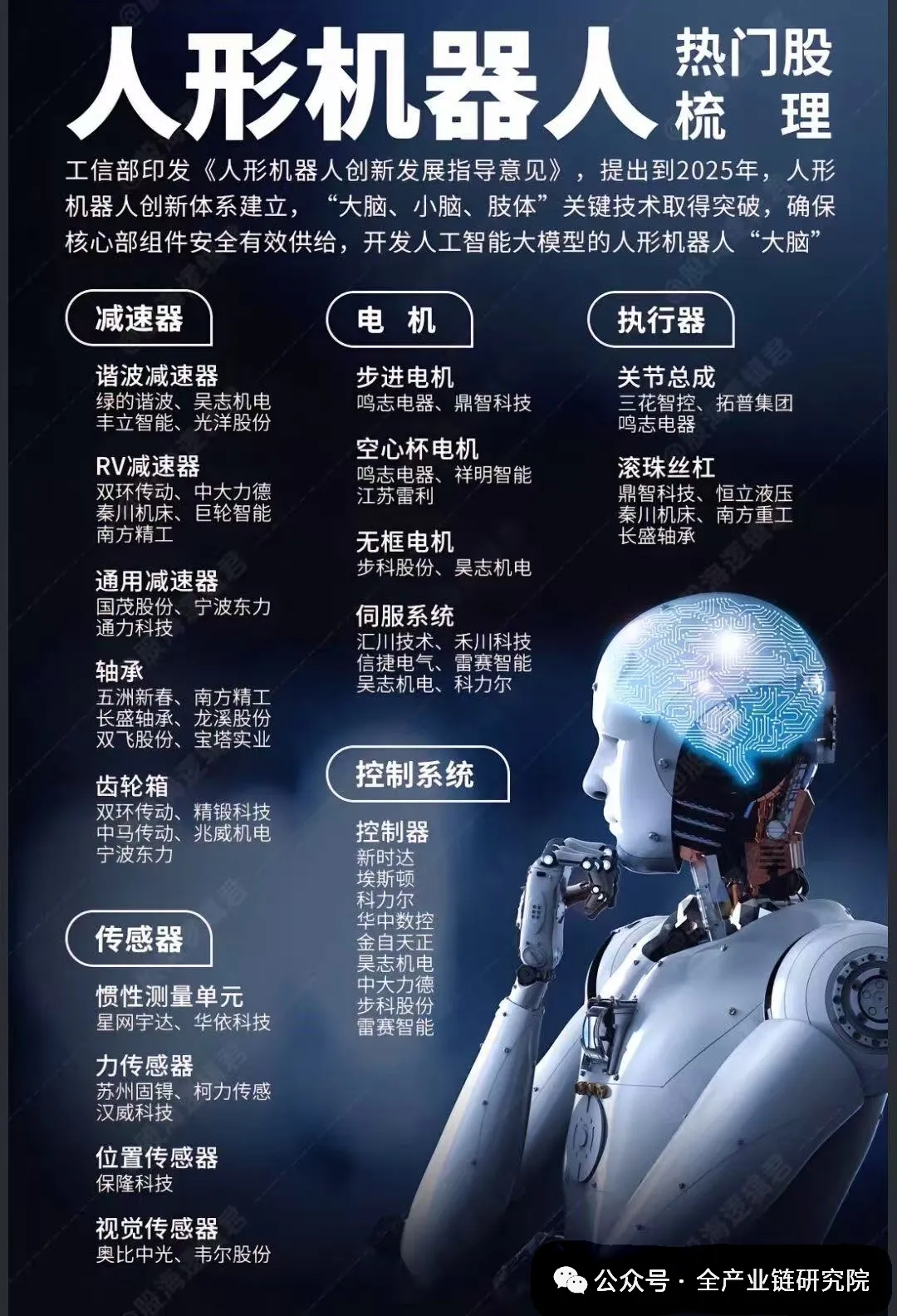
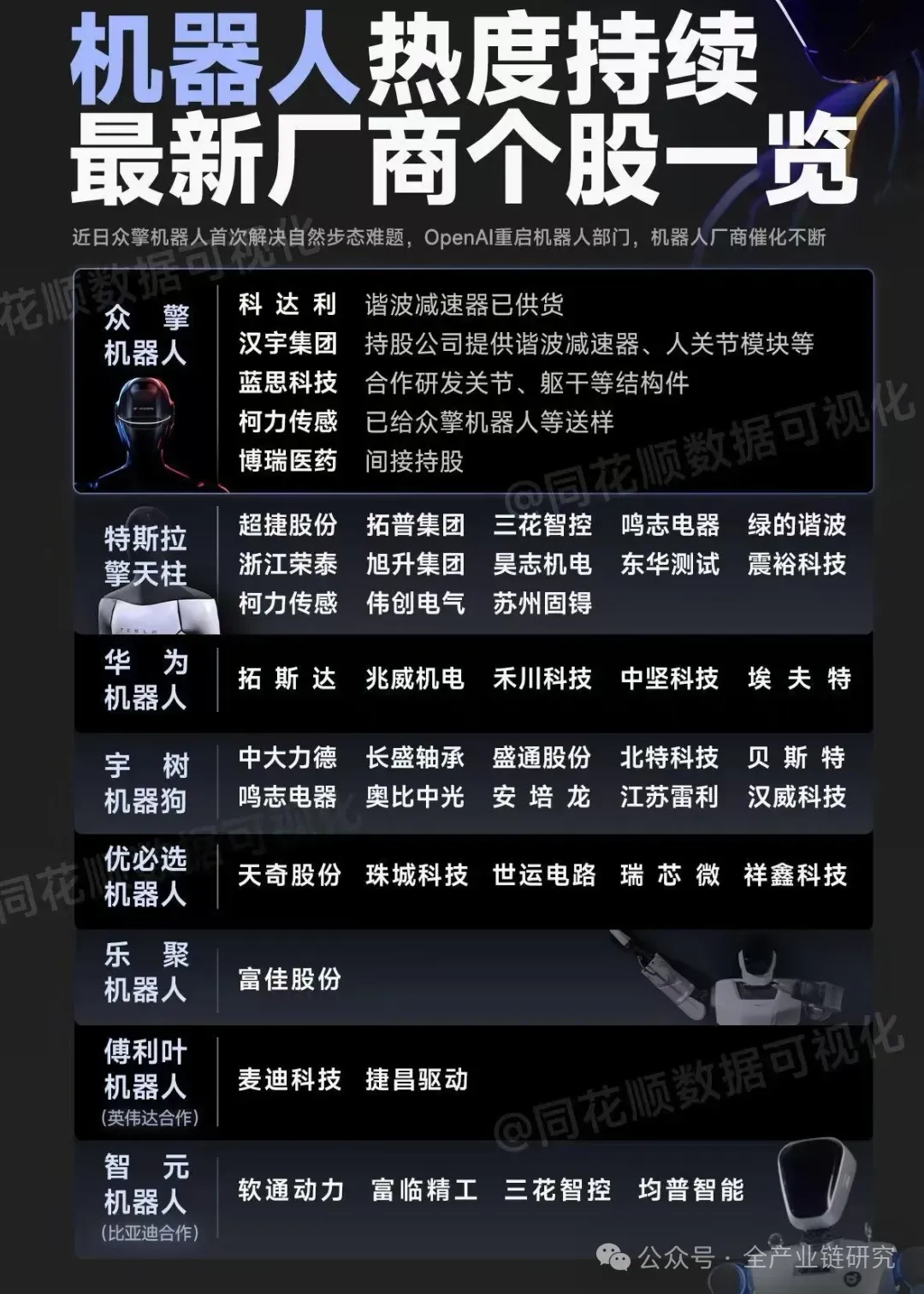
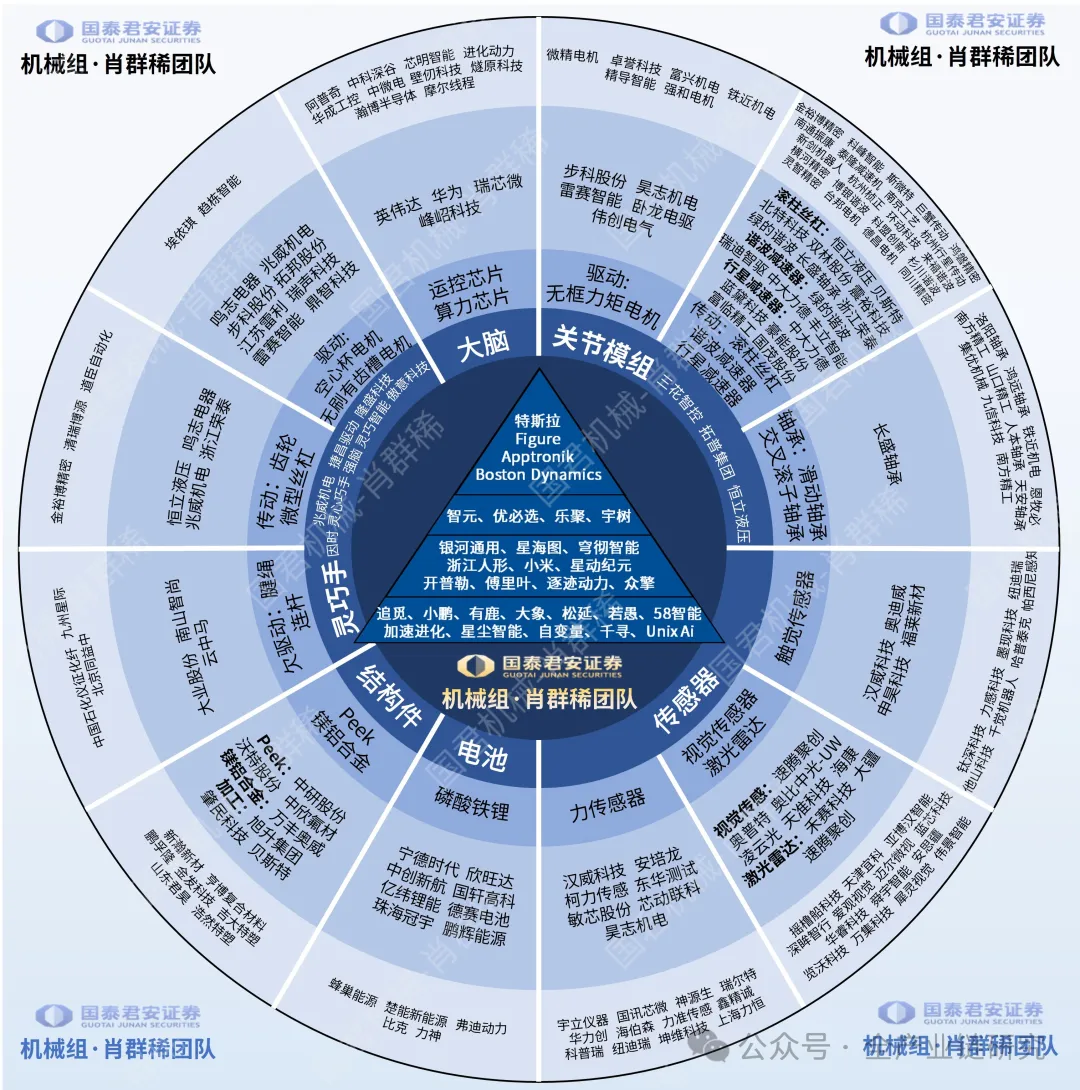
Classification of Companies Receiving Orders This Year: Potential T2 suppliers are classified based on their order acquisition rhythm, with one category being companies that can receive orders by 2025, including Topband, Sanhua, Zhejiang Rongtai, Changying Precision, Hengli Hydraulic, Mingzhi Electric, and Shuanghuan Transmission.
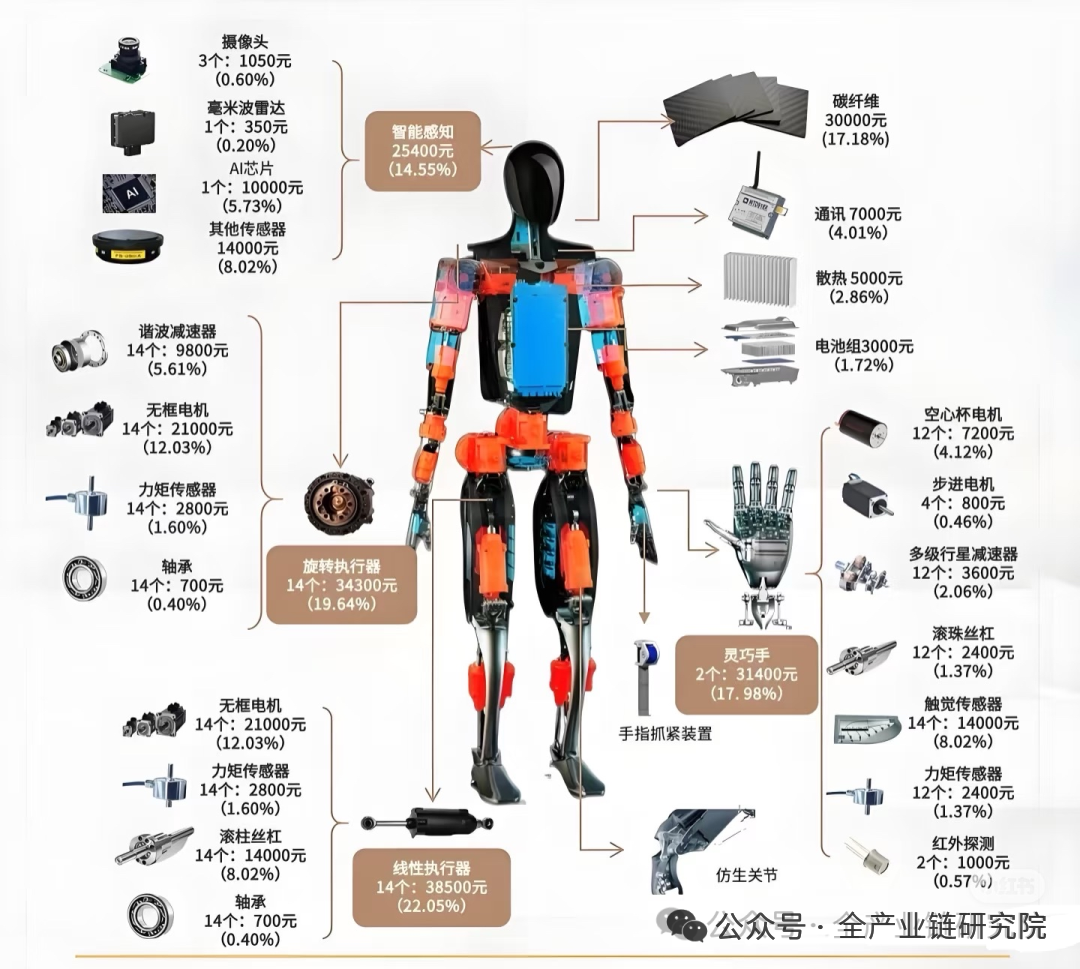
Analysis of Key Targets: Among the companies that can receive orders by 2025, those with insufficient market capitalization reflection and significant expectation gaps are recommended, mainly Changying Precision and Hengli Hydraulic. Changying Precision is a core component company with the highest ASP (average selling price) in the supply chain, reaching 40,000 yuan; currently, there are no similar competitors, and a high market share is expected. If T2 volume increases, its revenue elasticity is significant; due to the high added value of core components, its net profit margin is significantly higher than that of assembly suppliers, warranting a higher PE ratio, with an expected market capitalization doubling by 2026. Hengli Hydraulic has been continuously recommended since the end of 2024, with the T2 project progressing steadily, and good progress expected in the coming months, with large orders anticipated soon. Its ASP is about 25,000 yuan, second only to Changying Precision; it has a large share in 4GANG components, strong manufacturing capability, and high added value, with expected market capitalization close to doubling.
5. Interpretation of Gemini 3.0 and Pi 0.6 Models
Multimodal Capabilities of Gemini 3.0: Gemini 3.0 was released last week, with comprehensive breakthroughs in model capabilities, marking a leap from large language models to world models. In terms of multimodal understanding, its screen understanding capability has reached the top, with significant improvements in reasoning and planning abilities, and interface understanding is a key leap. Interface understanding can drive the implementation of AI applications, replacing manual operations of interface buttons and understanding text documents, which is crucial for office scenarios and humanoid robots. Google also released the supporting development platform Anti Gravity, aimed at intelligent agents and humanoid/non-humanoid robots, providing developers with an AI-driven IDE and multi-agent management interface. In terms of performance metrics, Gemini 3.0’s Deepseek and AIG evaluation capabilities have reached new highs, with AIG evaluation reaching 45%, enabling understanding of human operations across multiple tasks and steps.
Actions and Generalization Capabilities of Pi 0.6: Pi 0.6 is a VLA model, deeply upgraded from Pi 0.5, positioned as a foundational capability base for general robots. In terms of parameters, the parameter count has increased from 2.6B to 4B, and the action module parameters have been raised to 860 million, with action latency around 63 milliseconds, making task execution more stable. It adopts a layered architecture with refined division of labor: receiving instructions, breaking them down into sub-steps, planning, self-checking, and executing using flow matching technology to generate continuous actions, enhancing coherence. In terms of generalization capabilities, it employs ReCAP technology, integrating four types of experience loops, training with mixed data from multiple robots and tasks, achieving out-of-the-box usability, covering various scenarios without the need for fine-tuning for single tasks. In terms of performance, the throughput and success rate for multiple tasks have doubled compared to previous generations, with an action success rate exceeding 90%, providing a significant leap for practical applications of robots.
6. Domestic Industry Dynamics and Financing Situation
Goals of Domestic Mainframe Manufacturers: Domestic humanoid robot mainframe manufacturers have gradually advanced towards mass production, with positive progress. Xiaopeng plans to exceed 1 million units in sales by 2030; Ubtech plans to reach a production capacity of 5,000 humanoid robots by 2026, expanding to 10,000 units by 2027.
Progress in Primary Market Financing: Currently, financing in the primary market for humanoid robots is rapid, with high capital enthusiasm. An overseas Pi company secured $600 million in financing this week, with a valuation of $5.6 billion. Domestic Xindong Jiyuan completed 1 billion yuan in A+ round financing this week; Accelerated Evolution secured over 100 million yuan in financing, with a cumulative A round exceeding 500 million yuan; Landian Touch Control’s C round financing exceeded 100 million yuan.