When a container truck crosses a border, the GPS locator on board automatically switches to the neighboring country’s network; when a shared bicycle is ridden to another city, the smart lock remains connected to the platform; when a refrigerated container on a cargo ship transmits temperature and humidity data across the vast ocean—none of these scenarios would be possible without the roaming capabilities of IoT SIM cards.
The roaming communication of IoT SIM cards allows devices to seamlessly switch between different regions and operator networks. This is supported by complex network protocol collaboration and data exchange mechanisms.
1
01 How is IoT SIM Card Roaming Communication Achieved?

When IoT devices cross geographical boundaries, the IoT SIM card within the device can automatically switch to the local network, keeping the device continuously online. This process involves complex technical collaboration.
The LoRa-based roaming technology demonstrates a typical implementation path. When a node device enters a new operator network, it sends a network access request to the new network, which includes the original operator’s network ID and device ID.
The new operator network then contacts the original operator network to exchange key information such as device ID, access address, and communication parameters. After verification and authentication by the original operator’s access server, a permission command is issued, allowing the new operator network to finally permit device access.
The dynamic switching mechanism for signal strength ensures the quality of roaming. The device continuously monitors the signal strength of all available gateways in the vicinity, and when it detects a stronger signal source than the currently connected gateway, it automatically disconnects from the original connection and initiates a network access request to the stronger gateway. This seamless switching mechanism allows the device to maintain uninterrupted communication while in motion.
Global roaming service providers have established extensive cooperation networks, allowing their IoT SIM cards to roam seamlessly across over 600 networks in more than 190 countries/regions worldwide. No matter where the device is located, it can automatically select the strongest signal network connection.
Currently, 35% of global IoT devices require cross-border communication, and companies need to combine eSIM technology, unified management platforms, and compliance strategies to ensure that devices remain “always online” in complex network environments.
2
The Five Major Risks and Challenges of Long-Term Roaming
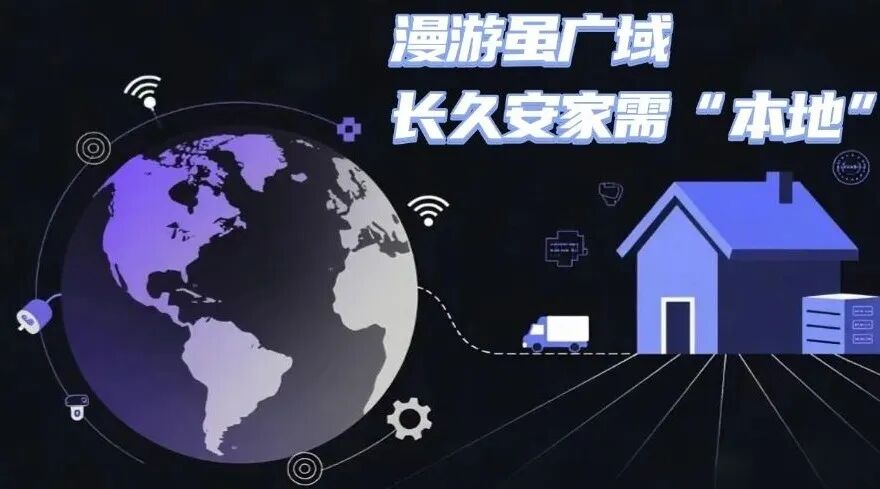
Permanent Roaming Restrictions have become the biggest obstacle. Many countries impose restrictions on foreign IoT devices using roaming cards for long periods within their borders. Countries such as China, Australia, Brazil, Canada, India, and Turkey have strict permanent roaming restrictions. Regulatory agencies in these regions require “local usage registration,” and once long-term cross-border usage is detected, it triggers abnormal location alerts.
Security Vulnerabilities Cannot Be Ignored. IoT SIM cards are designed for long-term use, and some products with security flaws may be exploited by attackers, leading to sensitive data leaks or even device manipulation. In 2024, data breach incidents caused by IoT SIM card security issues increased by 28% year-on-year, involving billions of data records.
Network Stability Challenges. In remote areas and mountainous regions where network coverage is weak, IoT SIM cards often face issues of weak signals and unstable connections. The quality of networks varies greatly across different regions, and devices may experience connection anomalies while roaming.
Device Management Dilemmas. The explosive growth of IoT devices makes it difficult for companies to monitor the operational status and data usage of each card in real-time. When devices are dispersed across multiple countries, on-site maintenance costs rise sharply.
Agent Risks. The qualifications of agents in the IoT SIM card market vary widely, and some unscrupulous agents may go missing or operate illegally. If an agent encounters issues, companies will be unable to renew cards, change plans, or perform other operations, leading to device downtime.
3
The High Cost of Card Suspension Crisis
Using IoT SIM cards in unauthorized devices such as mobile phones is a common reason for card suspension. Operators can easily identify such violations through traffic monitoring systems.
Abnormal traffic is a significant trigger for card suspension. When continuous high-volume downloads (e.g., exceeding 20GB per day) or 24/7 online usage patterns are detected, the system automatically triggers risk control mechanisms. A sudden increase in daily traffic by more than three times is also considered abnormal—for example, if daily average usage of 2GB suddenly spikes to 8GB, it may result in warnings or even card suspension.
Frequent device changes are also dangerous. Operators stipulate that a single card cannot be bound to more than three devices. If the same card is changed to five devices within a week, the system will determine that there is a resale risk and suspend the card.
Using the card across provincial boundaries may also trigger suspension. IoT SIM cards are generally required to have “local usage registration.” For example, if a card is registered in Guangdong but is used long-term in Heilongjiang, it may trigger abnormal location alerts.
The process for handling card suspension is complex. Users must present purchase proof at designated service centers to unfreeze the card, with an average processing time of three working days. For devices deployed in remote locations, this means several days of service interruption and high manual maintenance costs.

Focusing on Overseas IoT SIM Cards