—————————— Preface · 前言
The Internet of Things (IoT) is an important component of the new generation of information technology and a significant development stage in the era of “informationization”, referred to as the third wave of global information industry development following computers and the internet. Currently, major countries around the world have positioned IoT as a critical strategy to seize the high ground in the new round of economic and technological development, and our country has also elevated IoT as a strategic emerging industry to a national development priority.
The development of the IoT industry primarily relies on applications and the complementary relationship with traditional industries.
—————————— Main Text · 正文▍In-depth Interpretation of Digital Economy
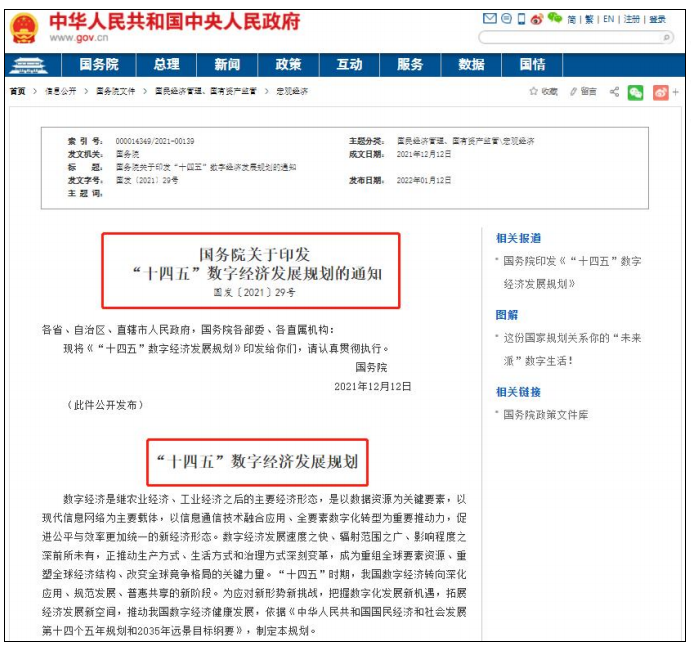
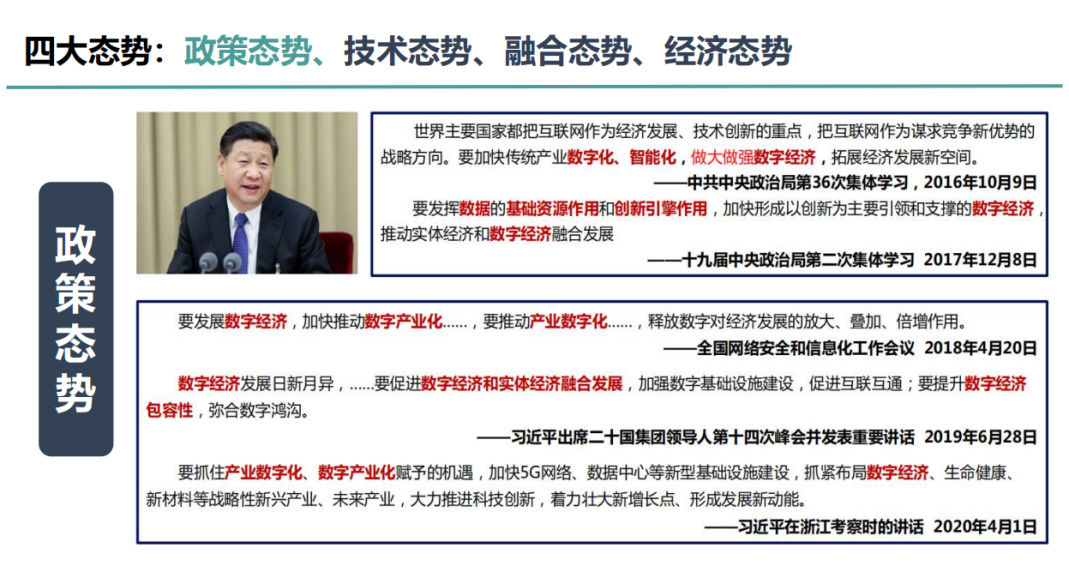
The digital economy is the main economic form following agricultural and industrial economies, characterized by data resources as key elements, modern information networks as primary carriers, and the integration of information and communication technology as a significant driving force, promoting a new economic form that unifies fairness and efficiency.
The rapid development speed, extensive reach, and profound impact of the digital economy are unprecedented, driving significant changes in production methods, lifestyles, and governance, becoming a key force in restructuring global resource allocation, reshaping global economic structures, and altering global competitive landscapes.
Three Development Statuses and Directions:
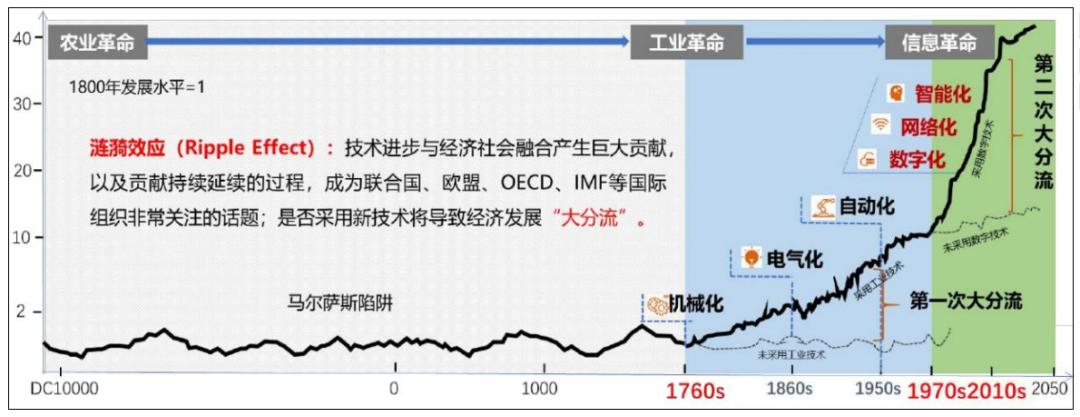
The digital transformation of the global economy is an inevitable trend. Since the 21st century, global technological innovation has entered a period of intense activity, with automation accelerating towards digitization, networking, and intelligence, leading to the emergence of new technologies, industries, models, and business formats that profoundly influence the global technological innovation landscape, industrial ecology, and economic direction.
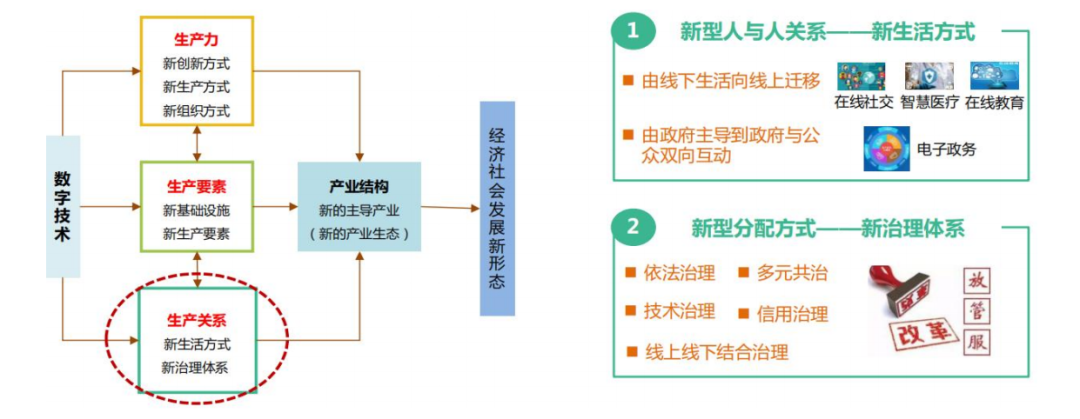
The digital industrialization and industrial digitization reshape productivity, which is the core of deepening applications, standardizing development, and promoting shared benefits. The digital economy promotes the innovative development of intelligent devices and digital laborers, accelerates the integration of digital technology with traditional industries, and pushes governance systems towards higher levels, enhancing the modernization of national governance systems and capabilities.
With the widespread coverage of networks, a question has arisen: since ubiquitous networks can become an all-powerful tool for communication between people, why can’t we use networks as tools for communication between objects, between people and objects, and even between people and nature?
Thus, the development from the internet to the IoT has distinct characteristics: the internet connects the virtual to the virtual (eyeball economy, data flow), while the IoT connects the virtual to the real (linking with objects). The IoT is not a network that connects everything; its core is a network of objects centered around people and applications that serve people.
▍Innovative Thinking in IoT
Learning from history, Professor Jin Jiafei discusses the social and economic forms, social changes, management changes, and thinking changes before the enclosure movement, as well as the social, organizational, management, and thinking changes during the first, second, and third industrial revolutions.
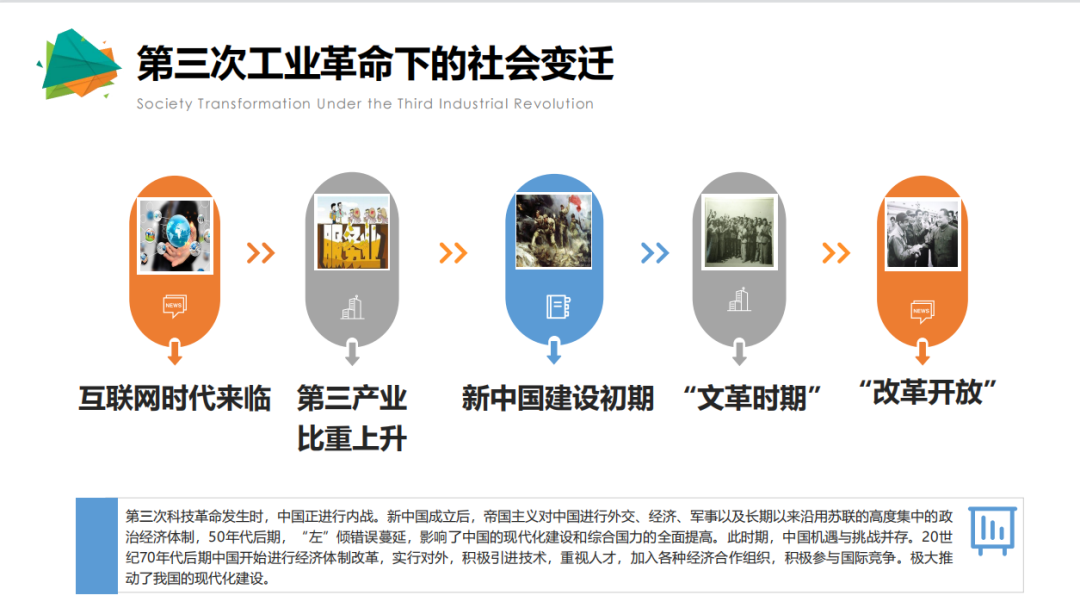
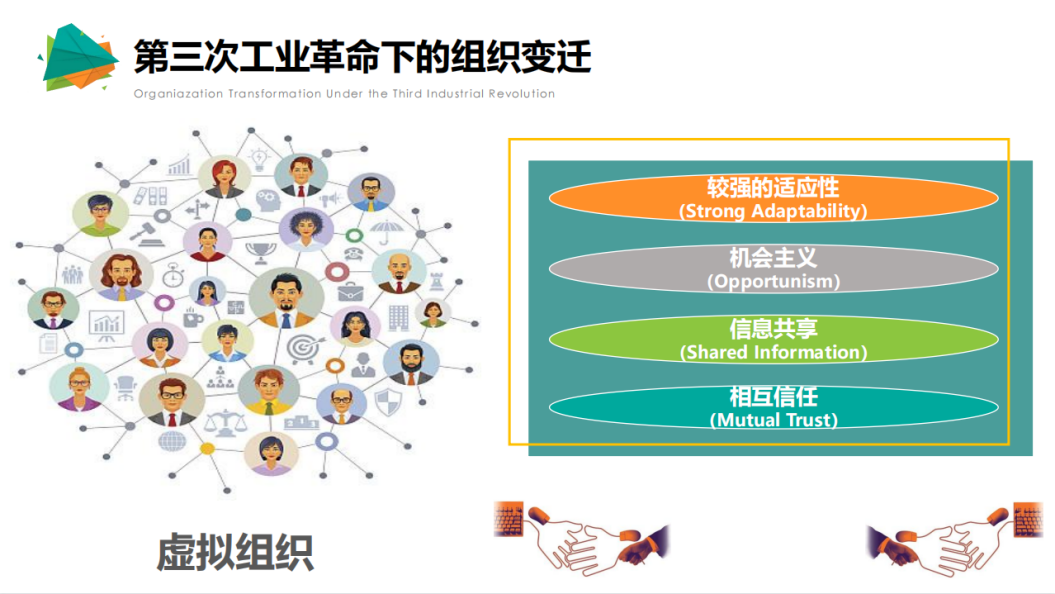
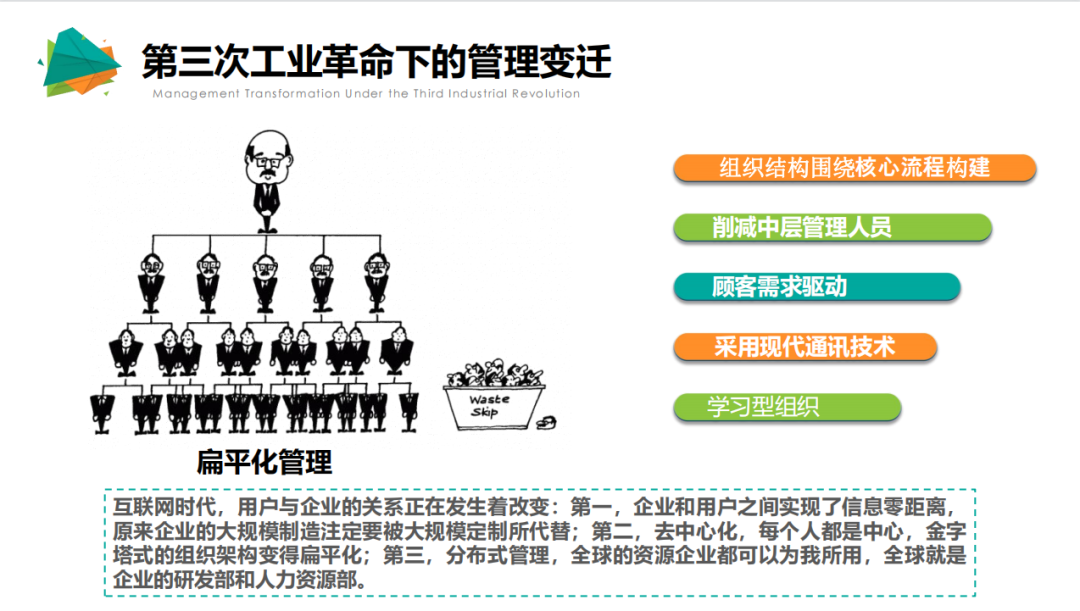

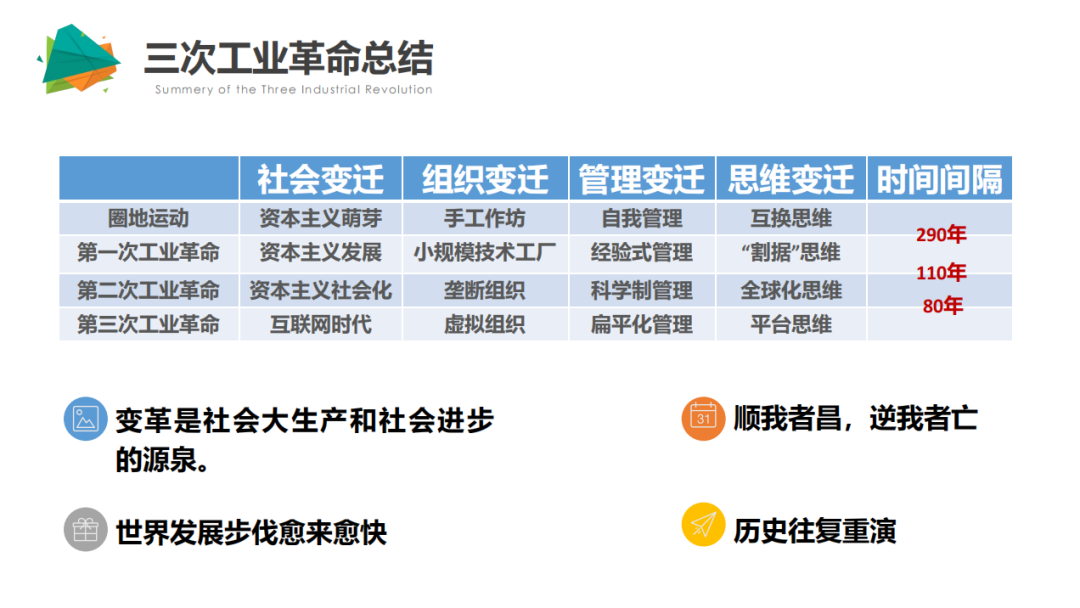
The industrial internet of the fourth industrial revolution has become a global hotspot. The IoT is an important component of the new generation of information technology. The English name for the IoT is “The Internet of Things”. As the name suggests, the IoT is the “internet that connects things”. It has two layers of meaning: First, the core and foundation of the IoT is still the internet, which is an extension and expansion of the network based on the internet.
Its user end extends and expands to any object-to-object communication for information exchange. Therefore, the definition of the IoT is: through information sensing devices such as RFID, infrared sensors, global positioning systems, and laser scanners, according to agreed protocols, connecting any object to the internet for information exchange and communication, achieving intelligent identification, positioning, tracking, monitoring, and management of objects.
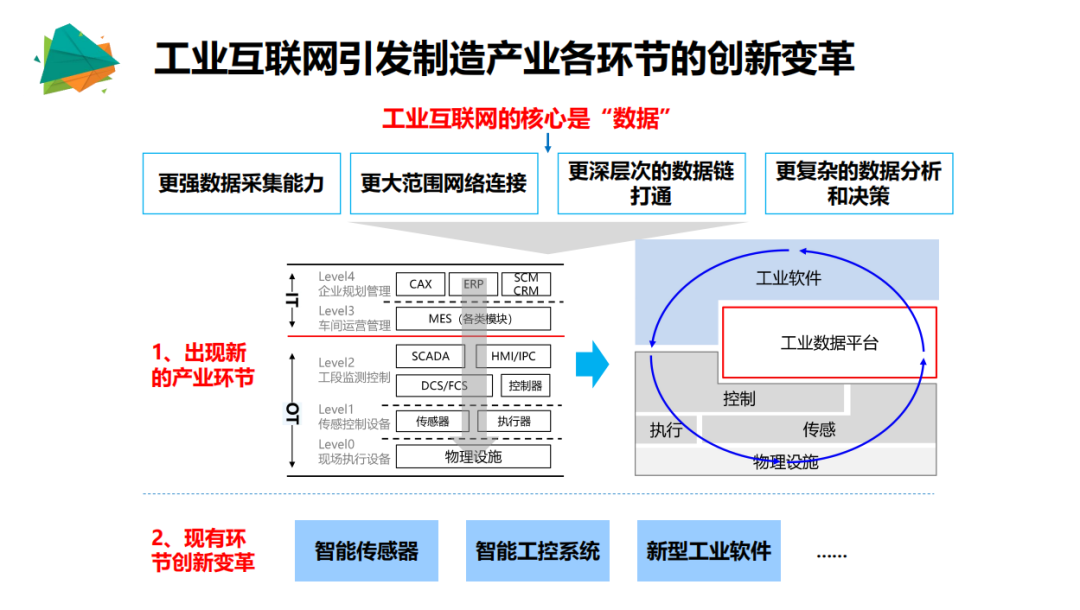
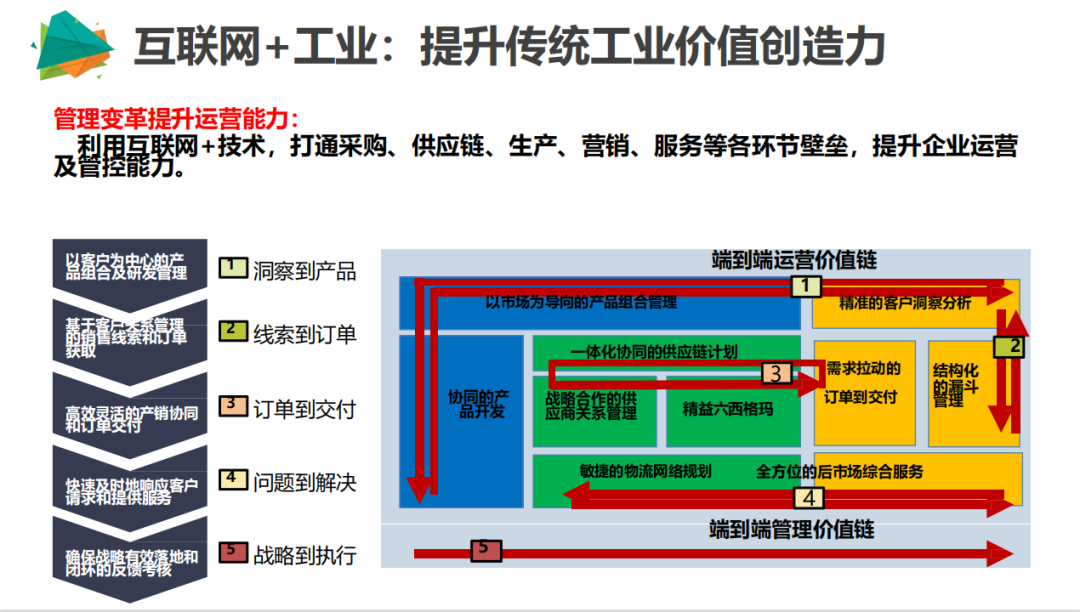
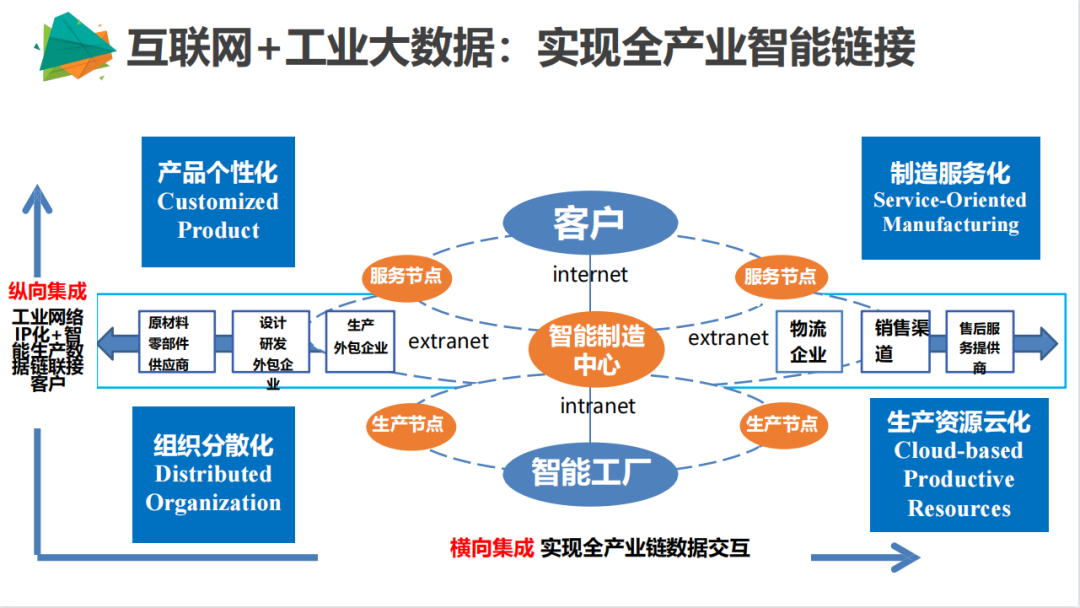
The IoT is by no means a simple infinite extension of the globally shared internet. Even the internet is not just the international shared computer network we usually think of; the internet also includes wide area networks and local area networks. The IoT can be an extension of the internet to objects; it can also form local area networks and specialized networks based on real needs and industrial applications.
In reality, it is neither necessary nor possible to connect all items to the internet, nor is it necessary for specialized networks and local area networks to connect to the global internet sharing platform. The future IoT will differ significantly from the internet, with specialized networks such as smart logistics, intelligent transportation, and smart grids, as well as local area networks like smart communities being the largest application spaces.
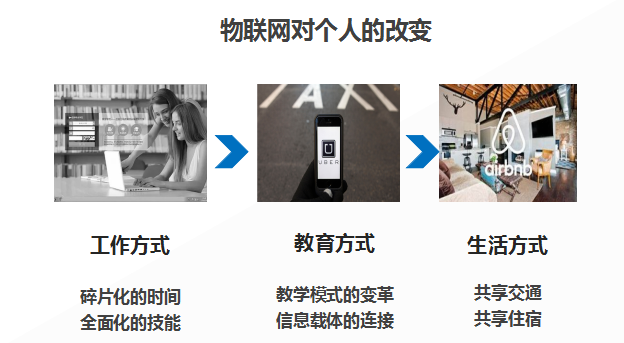
The IoT integrates human society with physical systems, allowing humans to manage production and life in a more refined and dynamic manner, achieving a “smart” state, improving resource utilization and productivity levels, and enhancing the relationship between humans and nature.
▍International Perspective

Why are private enterprises unable to go abroad and seize opportunities?
One of the pain points faced by private enterprises going abroad is the difficulty in connecting. There is a lack of reliable market environment information, and accurate information on policies, regulations, economic taxation, social culture, technological manpower, and market supply and demand in the target investment country provided by professional third parties. Relying solely on experience or other non-authoritative introductions to make investment decisions makes it difficult for enterprises to accurately assess investment opportunities and risks and take corresponding precautions.
At the same time, there is also a lack of preliminary guidance and communication mechanisms. Domestic enterprises have poor communication channels with government agencies, labor unions, and other relevant organizations in the target investment country, lacking preliminary intermediary guidance mechanisms. Many enterprises are hesitant about “going out” and remain stuck in the stage of “not understanding and not daring to go”.
Another pain point for private enterprises going abroad is the difficulty in advancing. There is a lack of local landing communication mechanisms, and from investment decision-making to formal operation, numerous intermediate links still make it difficult for many enterprises to go abroad, such as contract signing, site selection, construction, approval, acceptance, and qualification application, leaving enterprises in a situation of “crossing the river by feeling the stones”. There is also a lack of reliable service providers; choosing unsuitable service providers can often cause significant harm to enterprises going abroad.
A third pain point for private enterprises going abroad is the difficulty in landing. Private enterprises lack cross-cultural management experience and the ability to respond to changes in market environments. Some enterprises may have overseas connections but lack global operations and cross-cultural management experience, leaving much room for improvement in strategic issues such as location and industry selection, market competition strategy, corporate brand internationalization strategy, and corporate talent internationalization strategy. Additionally, due to changes in the investment environment, private enterprises have insufficient capacity to respond to legal, policy, and market changes. They also lack understanding and communication with local operational stakeholders, such as local governments, tribes, and communities, and have inadequate capabilities to respond to legal and political risks.
Opportunities for private enterprises: “Overseas bottom fishing, chasing against the wind” and leveraging “localization” to achieve low-end industrial transfer.
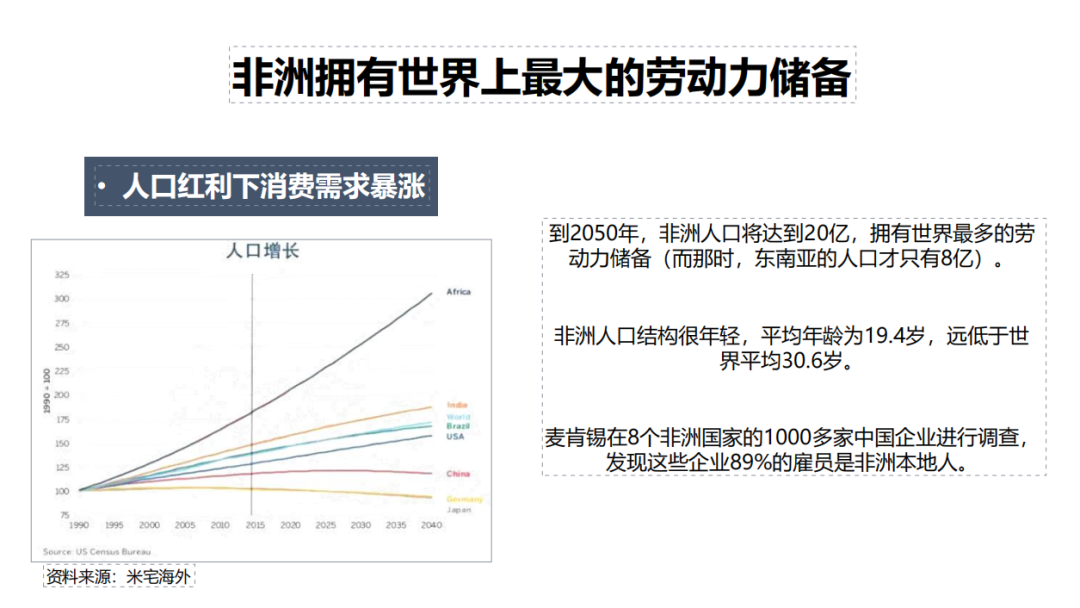
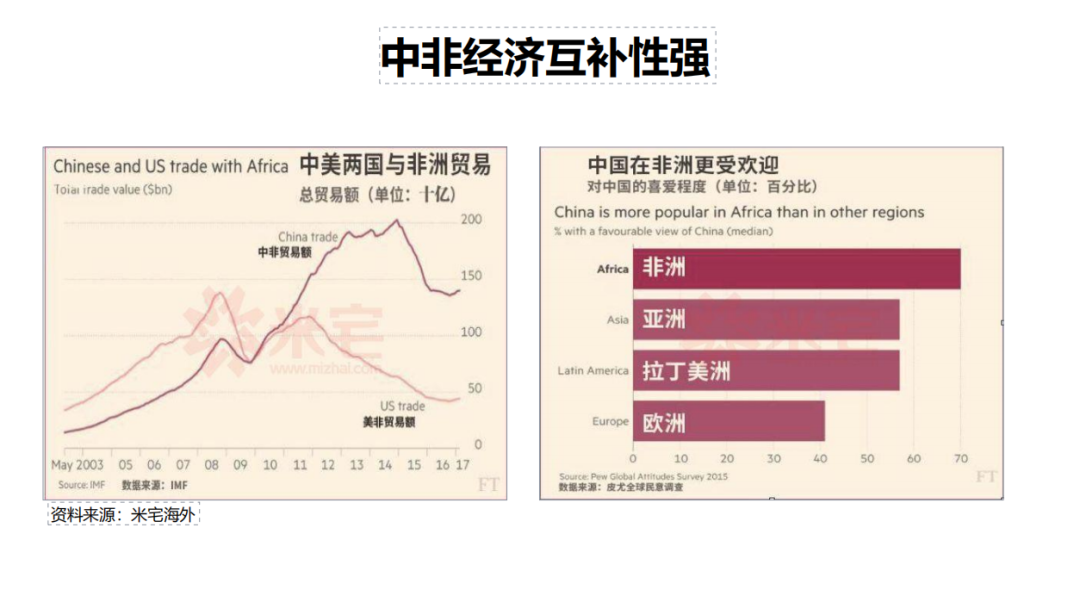

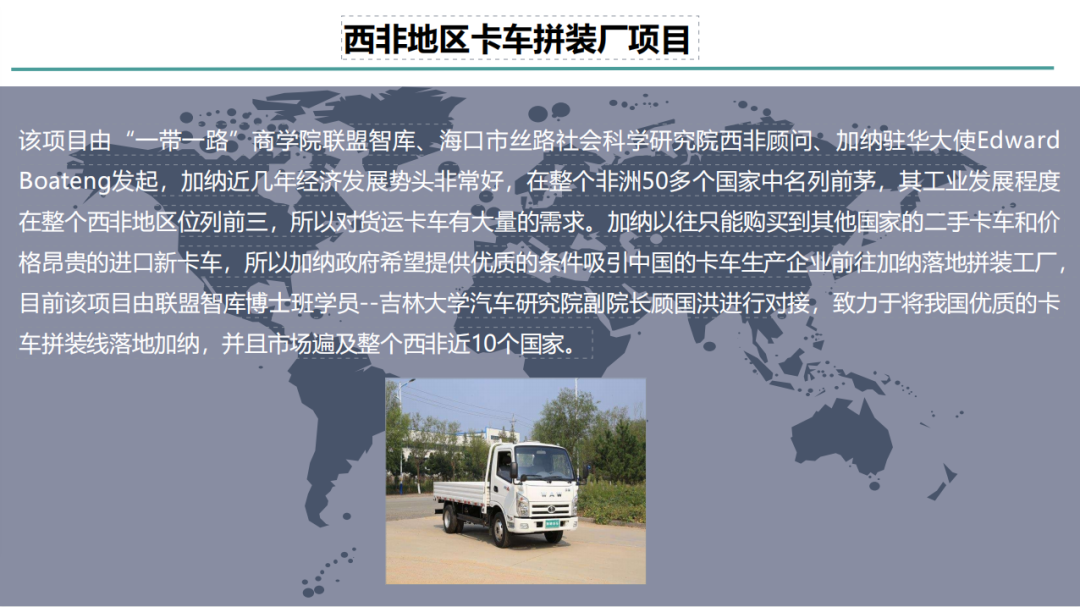
Today, besides the well-known major countries, there are countless places full of business opportunities under the spotlight, and many rising countries in the world are releasing various era dividends during their rise.
For example, in the African countries cooperating under the “Belt and Road” initiative, some seemingly ordinary traditional light industrial processing factories that China is venturing into have profit capabilities that are not inferior to some high-profile new third board enterprises in the domestic market. For labor-intensive light industries, the labor cost here is only 1/10 of that in China, and they enjoy the most favored nation export tariff policies for products to developed countries. The products manufactured can not only be exported to developed countries but also tap into a vast market in Africa, which has 54 countries and 1.4 billion people.
 Compiled by丨Zhongda Real Estate EMBA Alumni Association