From the development trends of industrial technology in recent years, the widespread application and popularization of Ethernet in the industrial field is an undeniable fact. As mentioned in the previous article “The Evolution of Industrial Bus to Ethernet,” the driving force comes from the optimization of system costs brought about by the universality and consistency of network connections.
However, the transition of industrial equipment communication technology from early fieldbus to the industrial Ethernet era brings not only the various values and benefits obtained from using new technology but also the “choice paralysis” caused by the fierce competition among various industrial Ethernet protocols.
For us traditional manufacturing professionals, every time we hear “experts” using various professional IT terms to explain the differences between different Ethernet protocols and evaluate the strengths and weaknesses of each technology, we basically have a confused expression.
So, how can we understand the differences and distinctions among various industrial Ethernet protocols without a strong IT technical knowledge background?
Personally, I think we first need to understand the basic process of data communication between devices in an information network.

We can imagine the data exchange between devices as the information exchange between people in social activities, which needs to be based on certain rules for mutual communication. Just as people’s conversations need to follow specific etiquette, device communication also requires protocol agreements.

Whether it is social etiquette between people or communication protocols between devices, it must be based on the framework of the process of information exchange events.

For example: when we want to talk to someone, we first need to find them in a crowd and confirm that they are available before we can start the conversation. After a simple greeting and handshake, we can directly say what we want to communicate; however, if the other party is busy at that moment, we need to wait or arrange another time… Additionally, during the conversation, both parties can only speak alternately to ensure communication efficiency; and after the conversation is completed, they also need to bid farewell to each other… This is the basic process of information exchange.

In this process, every step requires specific communication methods, such as: how to find the other party, which language to use for conversation, how to greet, how to indicate a busy status, whether to continue waiting when busy, how to say goodbye and end the conversation… These are the contents that communication protocols need to cover.
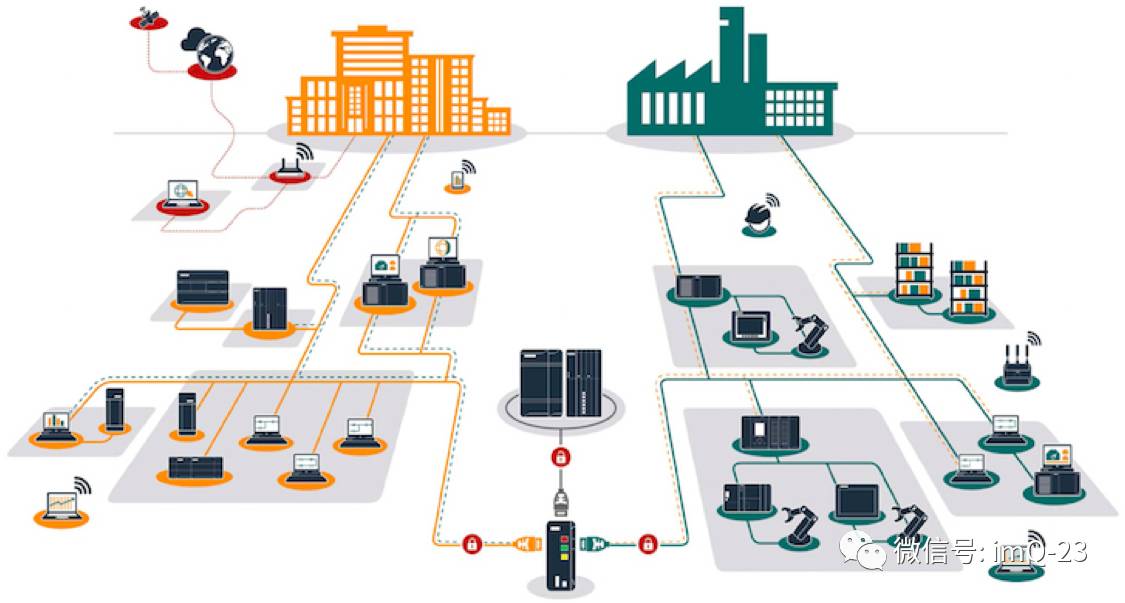
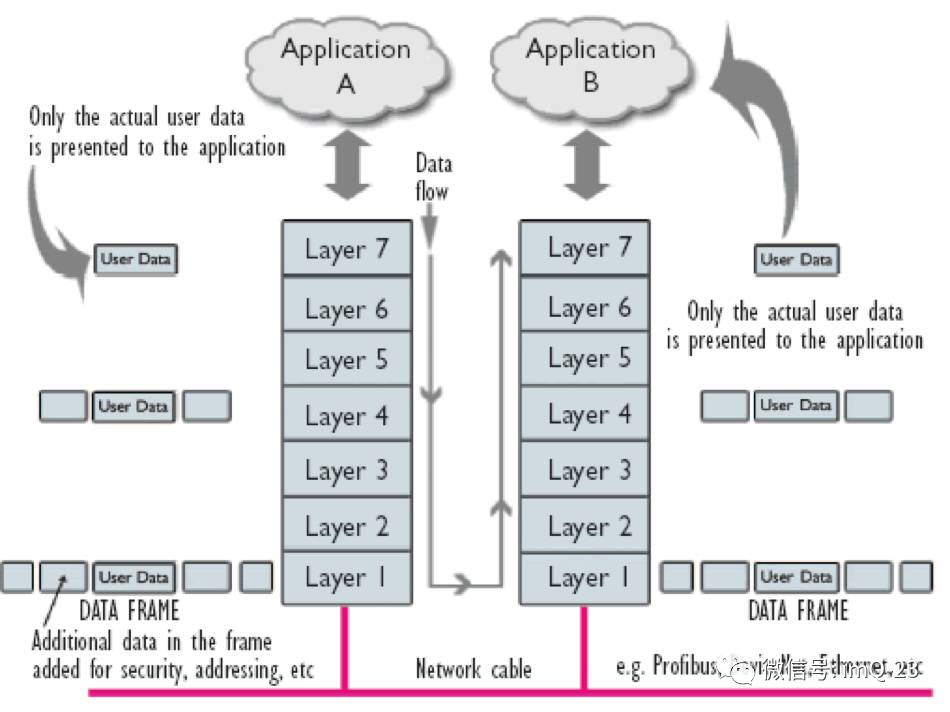
Information exchange between multiple devices on a communication network also requires a set of processes. It not only depends on the agreements of the data interfaces of both parties but also requires the cooperation of various nodes (such as: Ethernet ports, switches, routers… etc.) in the communication line to achieve data relay. This requires a very clear definition of the responsibilities of each node component and the methods of data exchange between them at all levels involved in network communication services.
This is known as the communication protocol group.
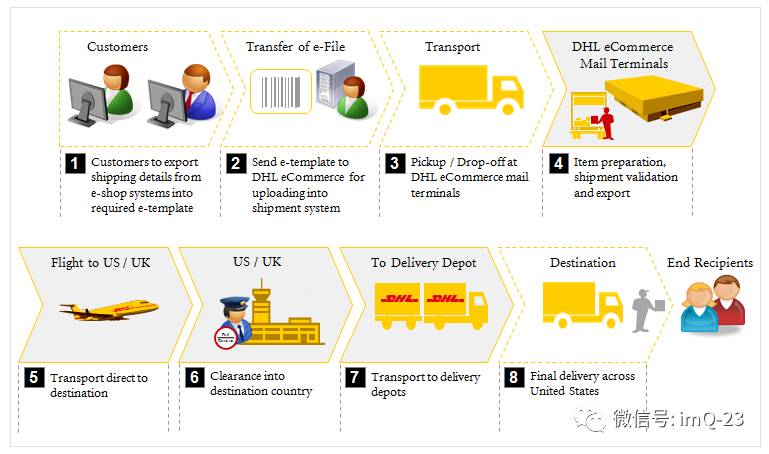
Just as a postal express company needs to establish clear rules for the management of the mail delivery process for each functional department and their collaboration.
Specifically, suppose device A in the network wants to send a set of data to device B, then the communication process would roughly be as follows:
i. User Sends
Device A first needs to convert the data into digital signals that the network system can transmit, package it according to the agreed format, and add the network address and application type identifier of the target device B, sending it to the communication port (buffer);
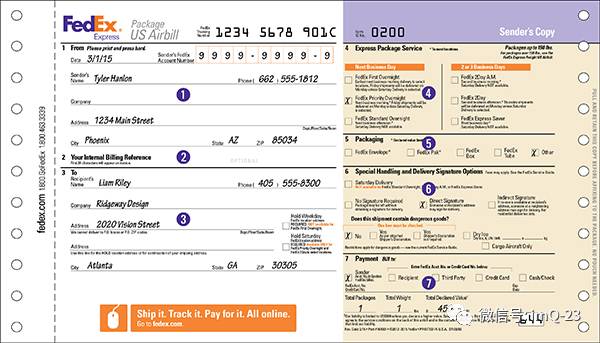
This is like when we deliver mail, we need to place the written letter content into an envelope and fill in the recipient’s detailed information (address, postal code, department, name, subject… etc.) according to the specified format;
ii. Transmission Service
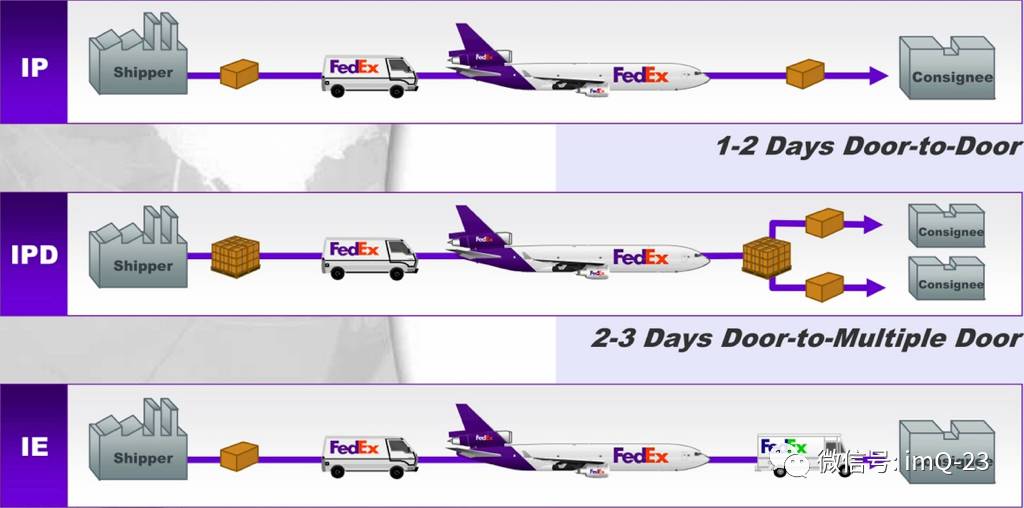
The network system will provide different types of transmission services based on the data communication needs, such as: Transmission Control Protocol (TCP) and User Datagram Protocol (UDP)… depending on the needs of the communication content, users can choose to use different data transmission services;
This is like when we send out mail, we choose different types of delivery services based on needs (such as importance and urgency…), like regular letters, whether insurance is needed, whether a receipt is needed, whether to send in batches… etc.;
iii. Package Sorting
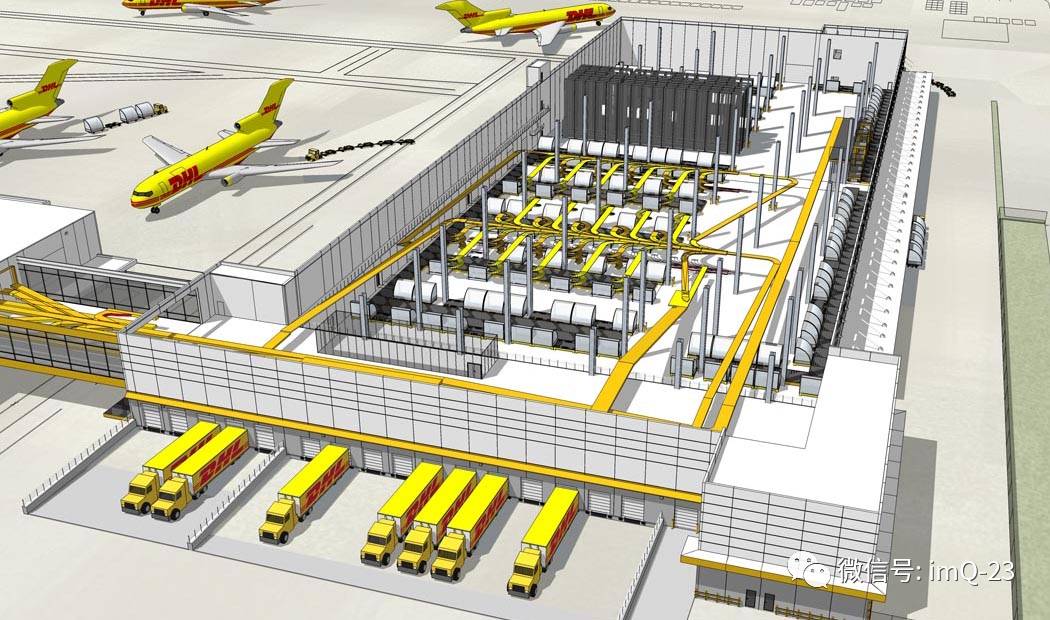
Next, the data packet will be sent from device A’s port to the connected network switch.
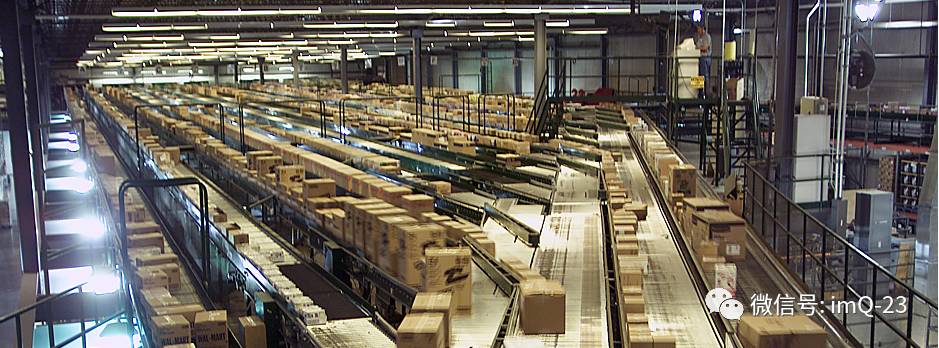
The role of the switch is like that of a sorting station near various communities for express companies, which will decide the subsequent direction based on the address information on the package and the selected service type;
iv. Remote Routing

If the target device B is not in the same local area network (LAN) as the data source device A, the switch will transfer the data to its upper-level network, where the router will find the data transmission path based on the target address.
The data will be relayed between multiple routers, ultimately reaching the network switch of the local area network where target device B is located, then the switch will finally transfer the data to the network port of device B;
Here, the router is like the logistics center of express companies at various transportation hubs (airports, stations, transfer stations…) responsible for cross-regional transfer of packages;
v. Local Link
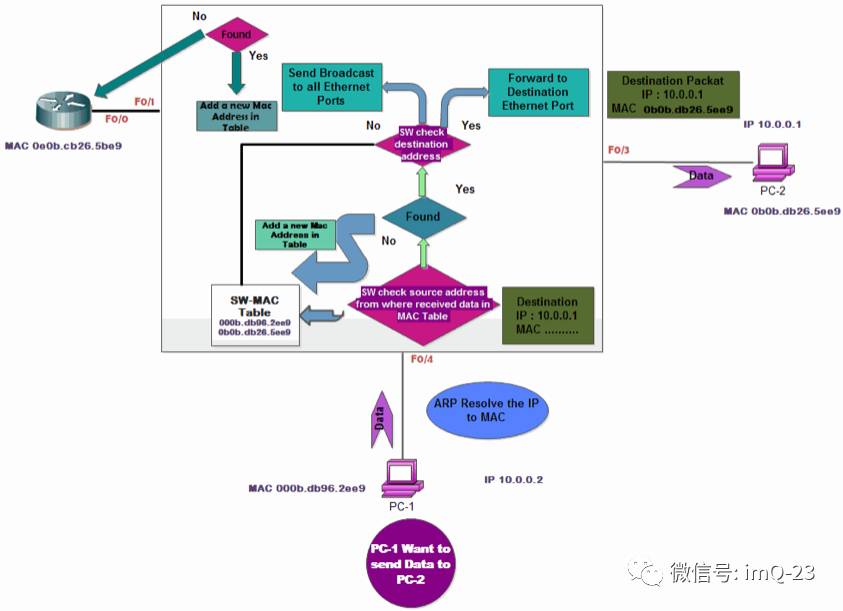
If target device B and source device A are in the same local area network (LAN), the switch will directly transfer the data to device B’s network port;

Just like express companies handle local (intra-district) express deliveries, which are directly transported overland by couriers.
vi. User Receives
Device B, upon receiving data from device A, will use the port information on the data packet to hand it over to the relevant application for opening and processing;

This is like when we receive a package and hand it over to the department and recipient indicated on the envelope.
vii. Physical Medium

All mail transportation by express companies must rely on various means of transportation and transfer/sorting stations to be completed.
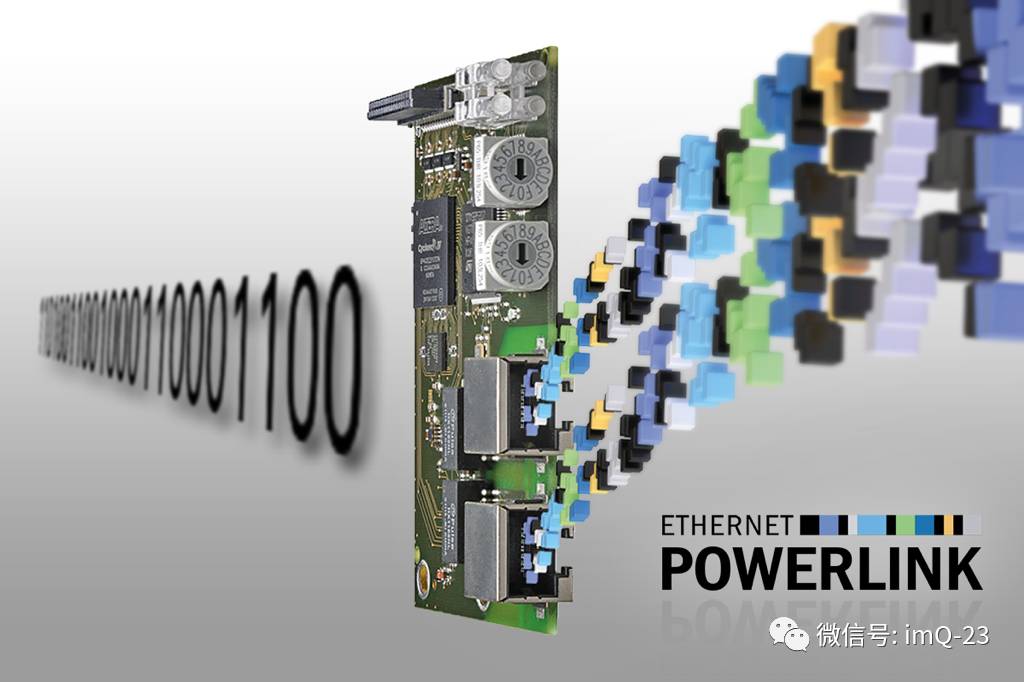
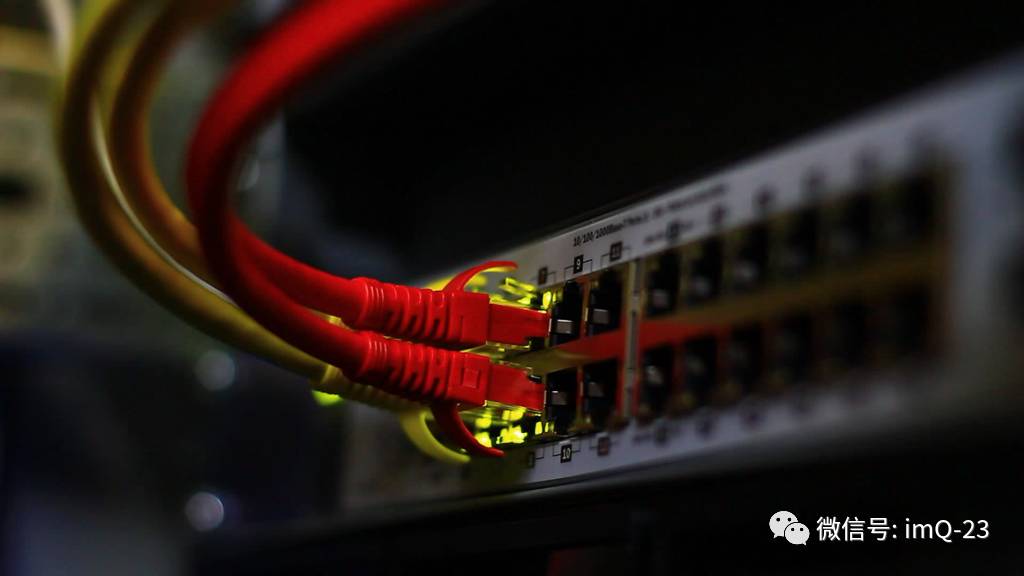
The entire process of data transmission between devices in the network is completed based on the conversion of high and low-level signals on the communication line.
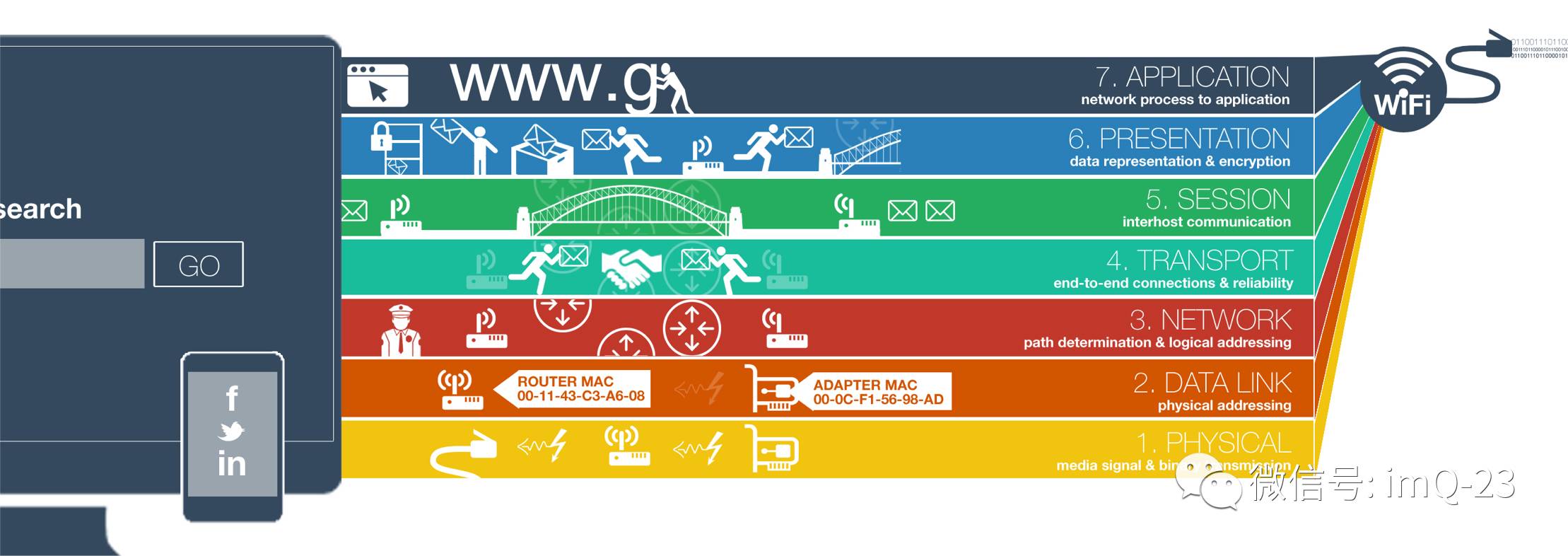
In fact, the various Ethernet communication protocols we currently use basically follow such a systematic data transmission process.
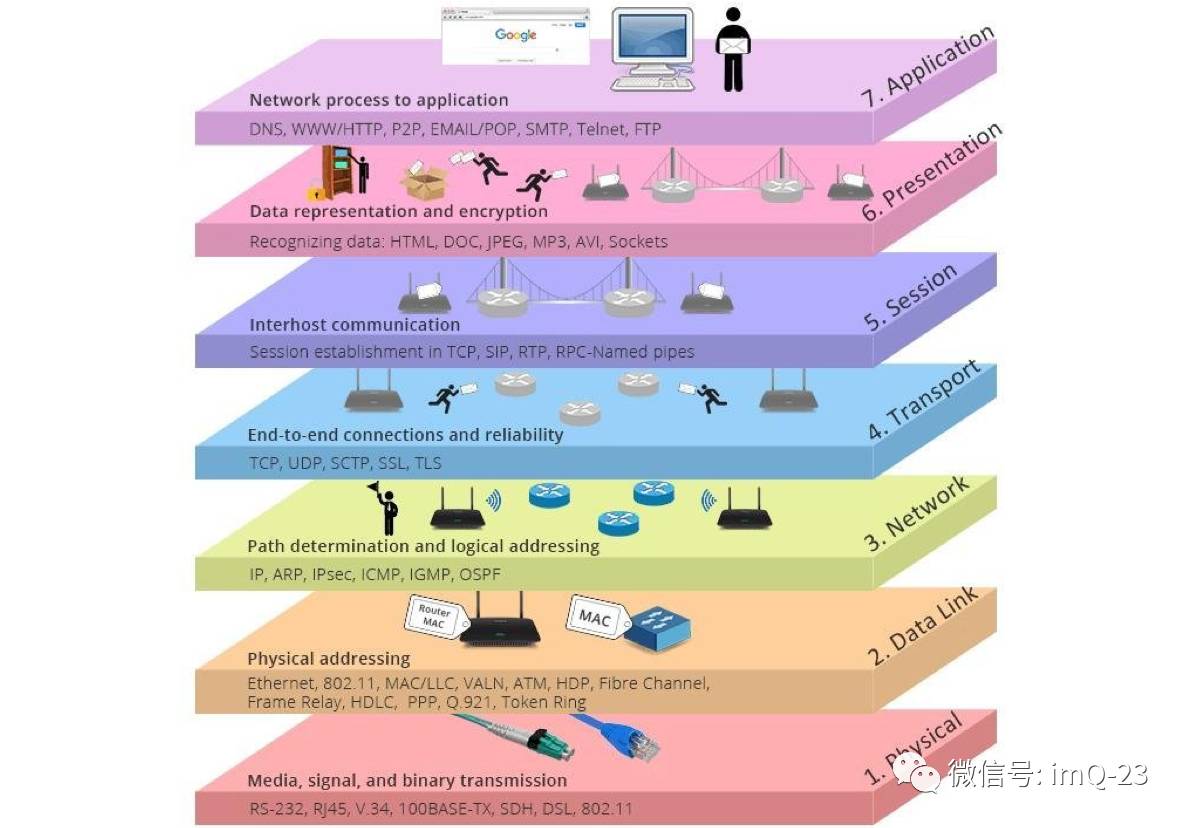
However, for the sake of consistency in protocol design and implementation, the protocol framework is abstractly expressed as a multi-layer reference model, with each layer of the protocol corresponding to different stages of the above communication process (i./vi. Application Layer; ii. Transport Layer; iv. Network Routing Layer; iii./v. Data Link Layer; vii. Physical Layer).
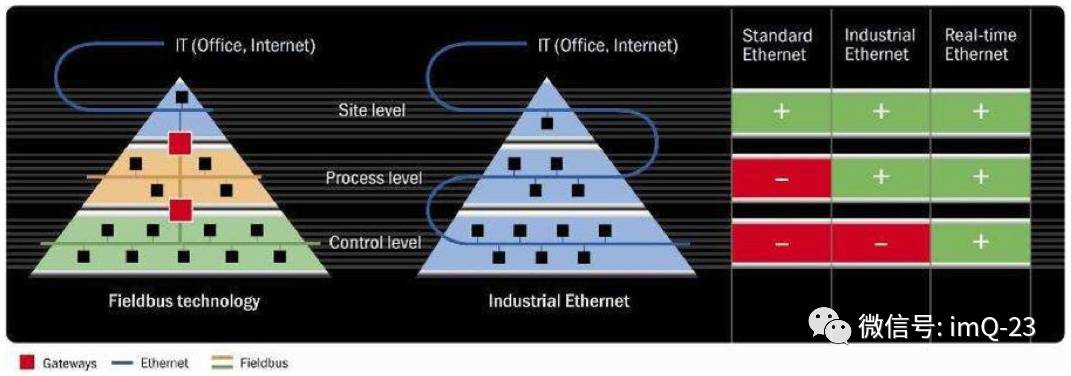
However, the reference model of network protocols only defines the steps that data transmission between devices needs to go through; the data exchange rules at each stage (layer) of the network communication process, such as: the priority of different types of data, the “speaking” rights of different devices in the network, the fault handling mechanisms when errors occur… etc., need to be specifically agreed upon in the communication protocol based on the specific characteristics of industry applications.
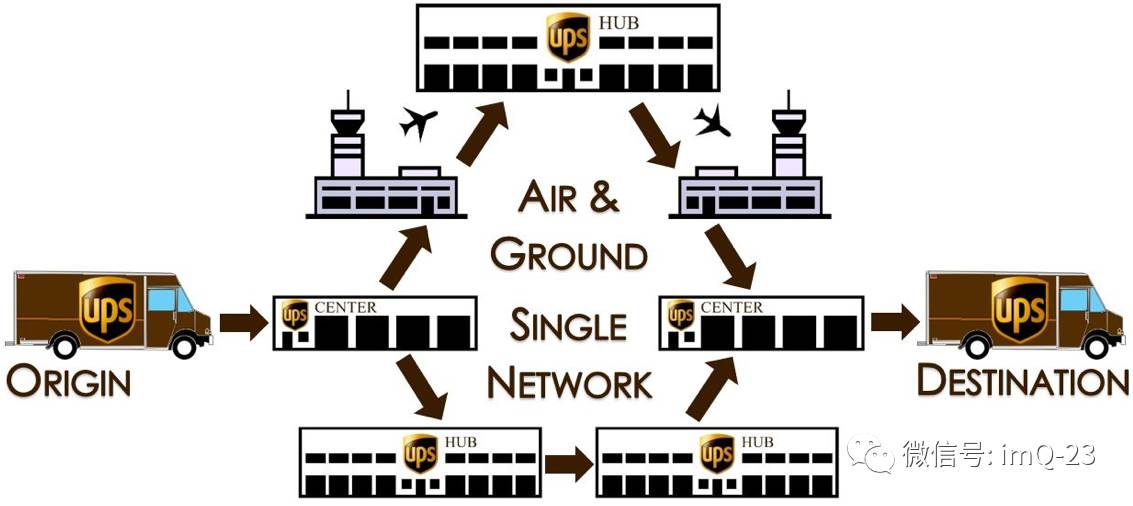
Just as most express companies have very similar mail sorting processes, they may adopt some different methods when handling specific mail, resulting in some differences in user experience.
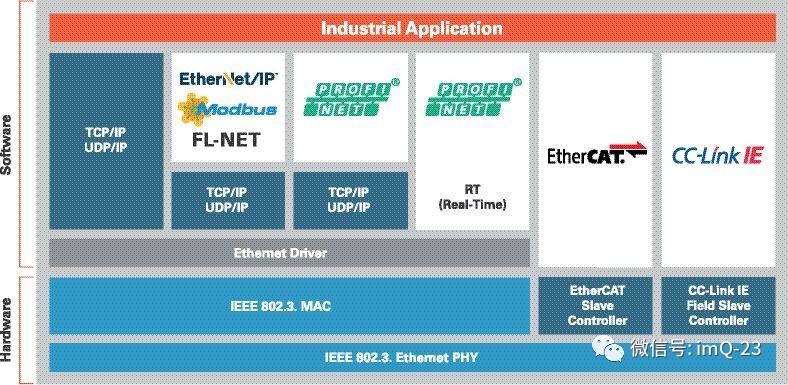
After the above discussion, it is not difficult to understand why various companies refer to the multi-layer protocol model when introducing their industrial Ethernet technologies, as they all essentially share similar data communication processes, only differing in the rules agreed upon at each layer of the protocol, meaning that different methods are employed at various stages of the data communication process.
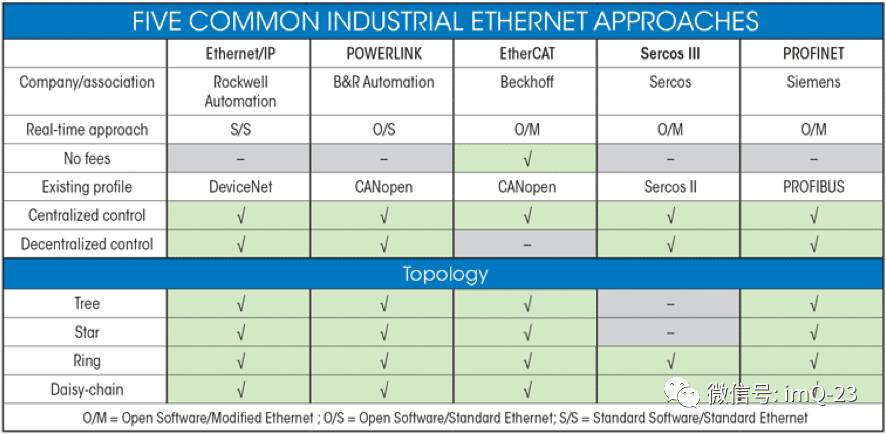
Next, we can compare:
What Are The Differences Between Different Industrial Ethernets
……
The above content is purely the author’s personal opinion, any resemblance is purely coincidental.
If you have any questions, please feel free to contact us through this public account.

I have my limits.