
In the field of electronic components, chip packaging technology directly affects product performance, reliability, and production costs. LCC (Leadless Chip Carrier), LGA (Land Grid Array), and BGA (Ball Grid Array) are three common packaging forms, each suitable for different application scenarios. This article will analyze the differences among the three from the perspectives of technical principles, advantages and disadvantages, and typical applications, helping readers to fully understand their distinctions and applicability.
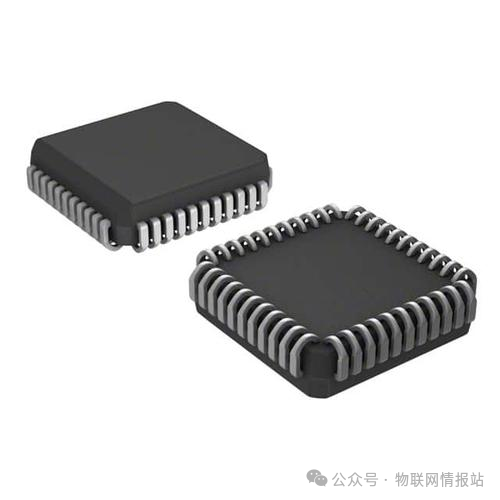
1. Technical Principles and Core Features
-
LCC (Leadless Chip Carrier)
- Leadless Design: Eliminates traditional pins, reducing parasitic inductance and enhancing high-frequency performance.
- Narrow Pitch Layout: Electrode spacing can be reduced to 0.65mm, significantly decreasing package size.
- Mounting Method: Typically fixed by reflow soldering, requiring no insertion or removal operations.
-
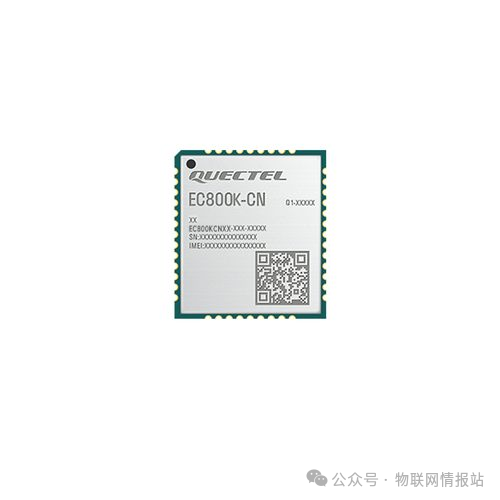
LGA (Land Grid Array)
- Contact Connection: The number of contacts can reach hundreds to thousands (e.g., LGA775), supporting high-density interconnections.
- Pluggable Design: Requires a dedicated socket to secure the chip, facilitating replacement and maintenance.
- Mechanical Stability: The elastic contact between the contacts and the socket reduces the risk of short circuits, suitable for high-performance computing scenarios.
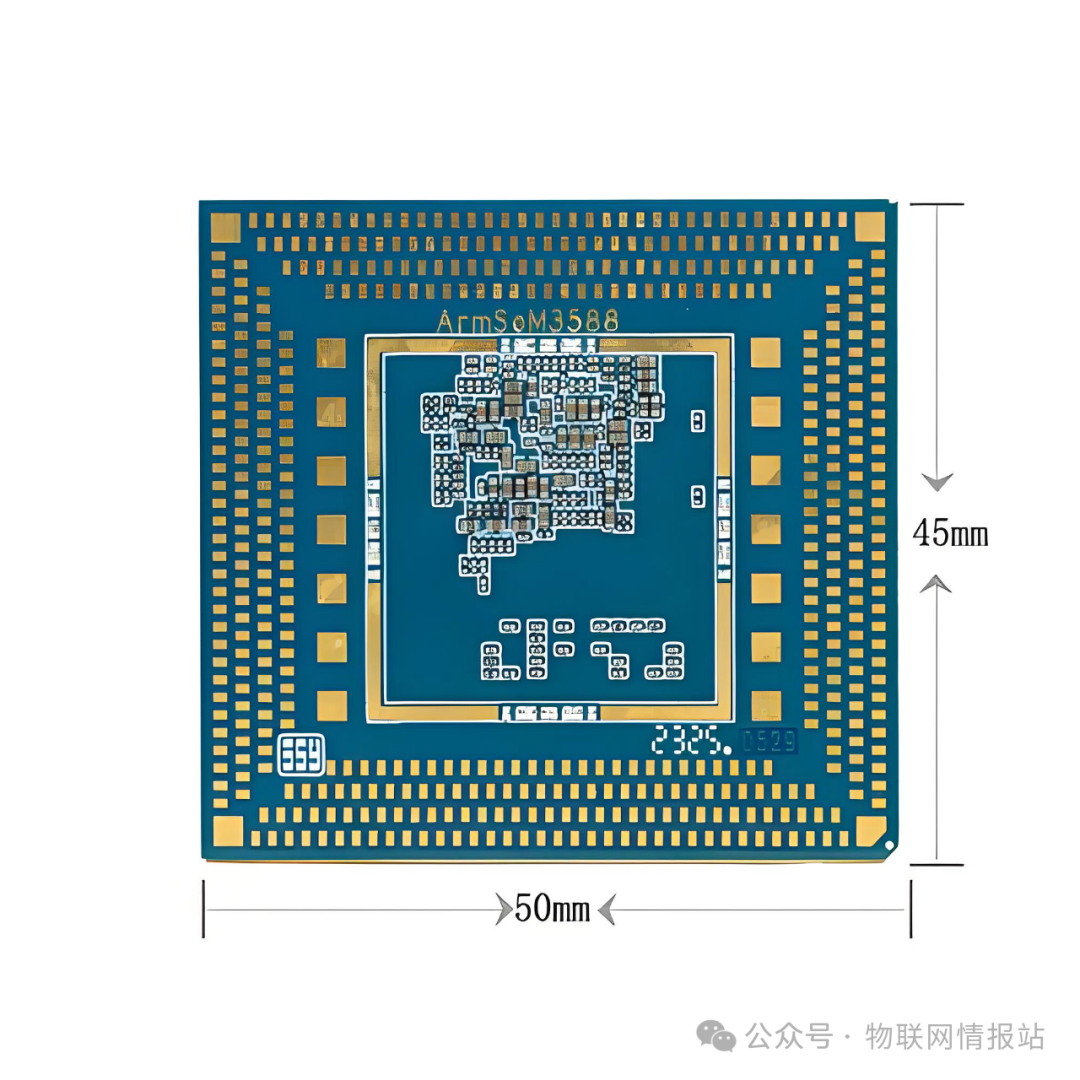
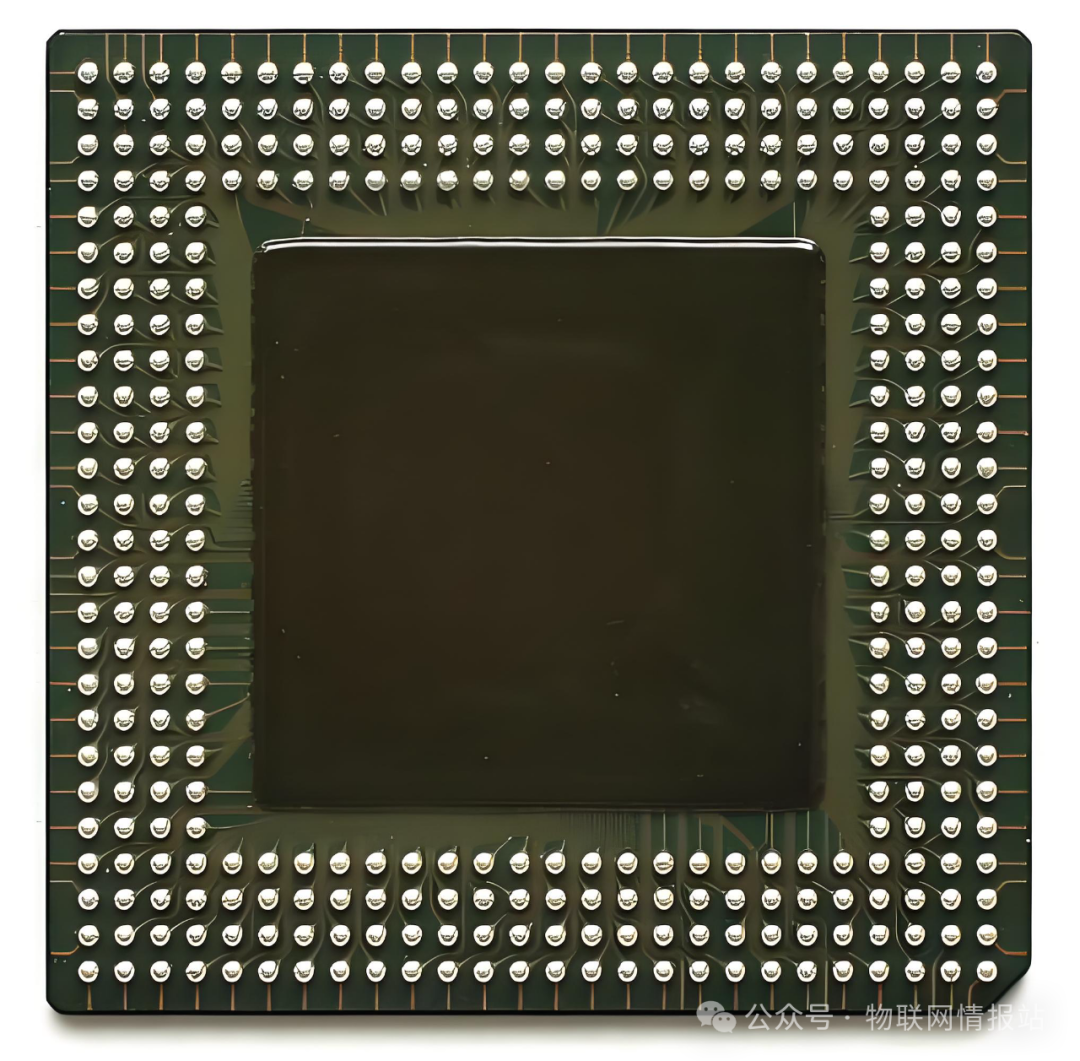
BGA (Ball Grid Array)
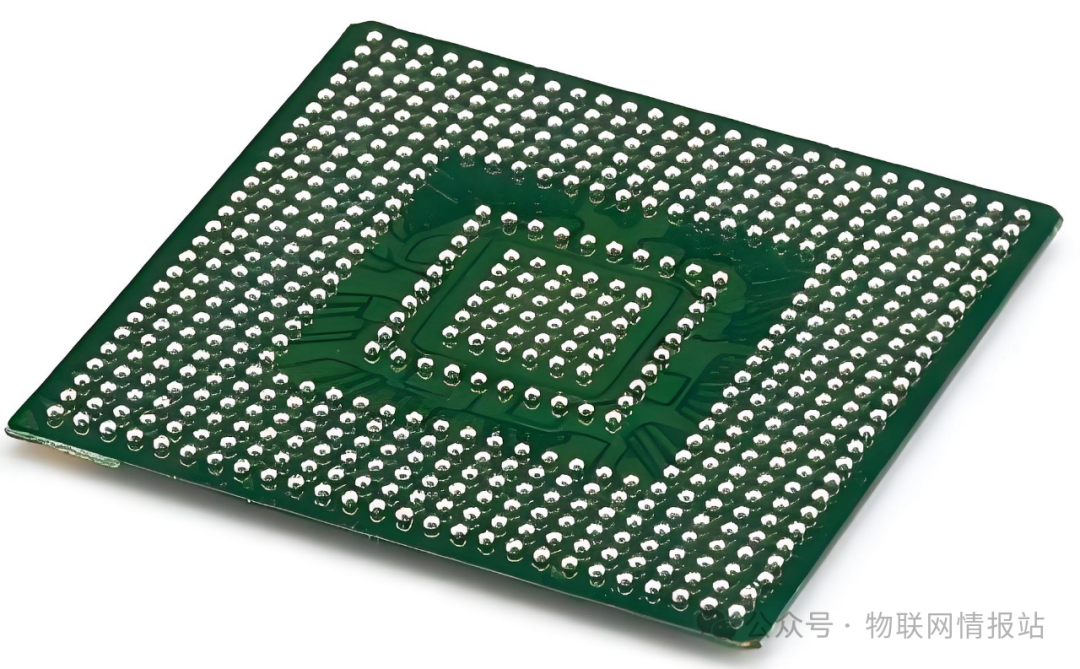
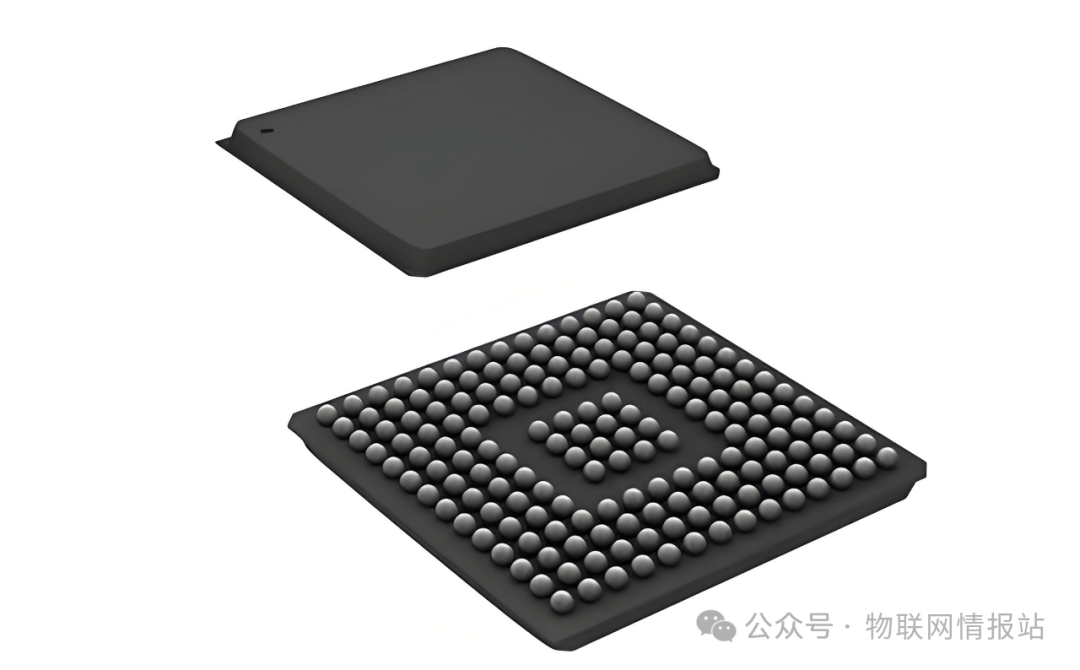
Definition: BGA connects the chip to the PCB through a regular array of solder balls at the bottom, with the solder balls directly soldered to the circuit board.
- Technical Features:
- High-Density Interconnection: The number of solder balls can reach hundreds to thousands, supporting high pin count chips.
- Soldered Fixation: Uses reflow soldering technology to form a permanent connection that is not removable.
- Excellent Heat Dissipation: Short path design reduces signal delay, and solder balls have better thermal conductivity than traditional pins.
- Typical Applications: Smartphone SoCs, GPUs, high-density memory (e.g., TinyBGA memory).
2. Core Differences Comparison
| Dimension | LCC | LGA | BGA |
|---|---|---|---|
| Connection Method | Direct soldering of pads to PCB | Elastic contact between contacts and socket | Solder balls soldered to PCB |
| Pluggability | Non-pluggable (soldered fixation) | Pluggable (requires socket) | Non-pluggable (soldered fixation) |
| Pin Density | Medium (fewer electrodes) | High (many contacts) | Very high (many solder balls) |
| Signal Performance | Low parasitic inductance, suitable for high-frequency circuits | Stable contact, suitable for high-performance computing | Short path design, suitable for high-speed signal transmission |
| Installation Complexity | Requires precise alignment of pads, reflow soldering process | Requires dedicated socket, higher installation cost | Requires high-precision soldering equipment, complex process |
| Application Scenarios | Military, high-frequency communication modules | High-performance CPUs, server chips | Mobile SoCs, embedded systems |
3. Advantages and Disadvantages Analysis
-
Advantages and Limitations of LCC
- Small size, suitable for high-density PCB layouts;
- Leadless design reduces parasitic parameters, enhancing high-frequency performance;
- Supports infrared reflow soldering, suitable for mass production.
- Pads are easily affected by soldering deformation;
- Strict alignment is required during installation, with high process requirements.
Advantages and Limitations of LGA
- Strong stability of contact connection, reducing the risk of short circuits;
- Supports chip replacement, low maintenance costs;
- Suitable for high power and high heat dissipation scenarios (e.g., server CPUs).
- Requires dedicated socket, increasing system costs;
- Contact wear may lead to poor contact.
Advantages and Limitations of BGA
Advantages:
- High pin density, suitable for complex chip designs;
- Solder balls have excellent thermal conductivity, reducing chip temperature;
- Compact size, suitable for miniaturized devices (e.g., smartphones).
- Limitations:
- Non-removable after soldering, difficult to repair;
- Solder ball defects (e.g., voids, bridging) may affect reliability.
4. Analysis of Typical Application Scenarios
-
Application Scenarios of LCC
- Military Electronics: High-frequency radar and communication equipment require high stability and anti-interference capabilities.
- Industrial Control: PLC (Programmable Logic Controller) requires highly reliable packaging forms.
- Automotive Electronics: In-vehicle ECUs (Electronic Control Units) achieve high-density wiring in confined spaces.
Application Scenarios of LGA
- Desktop/Server CPUs: Intel LGA1700 interface supports multiple generations of processor upgrades.
- FPGA Development Boards: LGA sockets provide convenient maintenance in development scenarios requiring frequent chip replacements.
- Embedded Systems: Industrial-grade motherboards need to balance performance and maintainability.
Application Scenarios of BGA
- Mobile Devices: Apple’s A-series chips and Qualcomm Snapdragon SoCs use BGA packaging for miniaturization.
- IoT Devices: Low-power MCUs (Microcontrollers) integrate more functions through BGA packaging.
- Memory Modules: TinyBGA memory is only 1/3 the size of TSOP, suitable for high-capacity needs.
5. Future Trends and Technological Evolution
-
Improvement Directions for LCC:
- Develop LCC packages with smaller pitches (below 0.4mm) to meet higher density PCB requirements.
- Combine advanced thermal materials (e.g., graphene) to enhance thermal management capabilities for high-frequency chips.
Optimization Directions for LGA:
- Promote upgrades of contact materials (e.g., gold alloy) to extend socket lifespan.
- Integrate heat sink designs to address thermal bottlenecks in high-performance CPUs.
Innovation Directions for BGA:
- Promote Flip-Chip BGA technology to further shorten signal paths.
- Apply low-temperature solder (e.g., SnAgCu alloy) to reduce soldering defect rates.
6. How to Choose the Right Packaging Solution?
-
When to Prioritize LCC:
- High-frequency circuit design (e.g., RF modules);
- Military or industrial-grade devices with extremely high reliability requirements;
- Surface mount scenarios with limited space.
-
When to Prioritize LGA:
- High-performance computing (e.g., server CPUs);
- Development or testing environments requiring frequent chip replacements;
- Scenarios with strict requirements for heat dissipation and electrical stability.
-
When to Prioritize BGA:
- Miniaturized products such as mobile devices and wearables;
- High pin count chips (e.g., AI accelerators);
- Cost-sensitive consumer electronics that do not require post-maintenance.
7. Conclusion
LCC, LGA, and BGA, as the three pillars of chip packaging technology, each play an irreplaceable role in specific fields. LCC excels in high-frequency performance, LGA stands out for maintainability, and BGA is centered on high density and miniaturization. As electronic devices evolve towards higher performance, miniaturization, and intelligence, these three packaging technologies will continue to innovate and integrate, providing better solutions for the next generation of electronic products. Users need to comprehensively consider performance requirements, cost control, and application scenarios to achieve optimal packaging solution matching.
For more IoT information, please click the link below and follow us!