
YOUR LOGO


Mid-year inventory
Mid-Year Review
Zhangjiang integrated circuit companies are accelerating their pace and moving forward
On July 2, the Ministry of Industry and Information Technology, the Ministry of Science and Technology, the Ministry of Finance, the Ministry of Commerce, the State-owned Assets Supervision and Administration Commission, and the China Securities Regulatory Commission jointly issued the “Guiding Opinions on Accelerating the Cultivation and Development of High-Quality Manufacturing Enterprises” (hereinafter referred to as the “Guiding Opinions”). The “Guiding Opinions” pointed out: We must increase efforts to tackle core technologies, products, and equipment in fields such as integrated circuits, further promoting the development of the domestic semiconductor industry.
Since 2019, the United States has continuously imposed export controls on Chinese technology companies such as Huawei, SMIC, Hikvision, iFlytek, and DJI, attempting to curb China’s rise in the fields of integrated circuits and artificial intelligence.
Against this backdrop, the issuance of the “Guiding Opinions” reflects the country’s high attention and support for key industries such as integrated circuits. However, it cannot be ignored that currently, China’s semiconductor industry still faces a complex situation: the U.S. continues to suppress China’s semiconductor industry, and the demand for chip localization is urgent. In the face of chip “localization” and “mass production,” Zhangjiang integrated circuit companies are also stepping up their efforts and proposing countermeasures —
01

In the face of the “chip shortage,” Zhangjiang companies are coming up with unique solutions
Since the first half of 2021, semiconductor demand has been continuously increasing downstream in the supply chain, while upstream capacity cannot be replenished in a timely manner, leading to frequent mentions of terms such as “capacity shortage,” “chip shortage,” and “price increases and shortages.”
To address the chip shortage and meet the growing demand, on July 7, SMIC announced that the company’s overall capacity utilization rate reached 98.7% in the first quarter of 2021. According to the CAPEX expenditure plan, the company plans to expand its capacity by 10,000 12-inch wafers and 45,000 8-inch wafers to meet more customer demands.

In fact, since 2020, SMIC has announced multiple expansion and construction plans —
In July last year, SMIC was listed on the Science and Technology Innovation Board. The SN1 project for 12-inch chips at SMIC Southern, as one of the key projects funded by the listing, primarily aims to meet part of the funding needs for expanding the monthly production capacity of this production line to 35,000 wafers; while the first phase of the 12-inch wafer factory project in Beijing is expected to be completed in 2024 with a target of approximately 100,000 wafers per month.
In March this year, SMIC announced plans to build another 12-inch wafer factory in Shenzhen. According to the plan, this project aims to achieve a final capacity of approximately 40,000 12-inch wafers per month, with production expected to start in 2022.
In addition to expanding capacity, SMIC is also actively working on talent training and retention —
In May this year, SMIC officially announced the “2021 Restricted Stock Incentive Plan (Draft)” (hereinafter referred to as the “Incentive Plan Draft”). The draft shows that the number of initial incentive recipients will not exceed 4,000, accounting for approximately 23.05% of the total number of employees (17,354) at the end of 2020. This includes company directors, senior management, core technical personnel, mid-to-senior business management personnel, and technical and business backbone personnel.
SMIC stated that the Incentive Plan Draft will further improve the company’s long-term incentive mechanism, attract and retain outstanding talent, and fully mobilize employee enthusiasm, effectively aligning the interests of shareholders, the company, and the core team, allowing all parties to focus on the company’s long-term development.
In the same month that the Incentive Plan Draft was announced,THine Electronics announced the official mass production of ultra-high integration signal chain series SoC chips — TCAS. “Ultra-high integration” refers to the chip’s ability to meet all application needs from high-precision data acquisition, measurement, computation, and control within IoT terminal nodes on a single chip.
In terms of performance, this series of chips features ultra-low power consumption, high performance, high precision, and high reliability, requiring only software configuration to achieve signal conditioning, A/D conversion, and data acquisition and processing for various sensors, while also simplifying the peripheral circuit, reducing costs, and minimizing the number of components.
02

Chip Shortage in the Automotive Sector? Zhangjiang Companies are Increasing Investment
In the automotive sector, the “chip shortage” issue is also significant. AI chips, as the “brain” of autonomous vehicles, need to process diverse information collected from various sensors (LiDAR, cameras, millimeter-wave radar, etc.), requiring extremely high computing power and efficiency to accurately perceive the environment. Additionally, perception and decision-making are directly related to human safety, necessitating compliance with automotive standards, which makes the design challenging.
Huahong Semiconductor has decided to tackle this challenge — in June this year, to meet the special requirements for high-power automotive-grade IGBT (Insulated Gate Bipolar Transistor) chips regarding high current, low loss, high temperature resistance, and higher safety, Huahong Semiconductor collaborated with Jiaxing Star Semiconductor to develop high-power automotive-grade IGBT chips, which have passed product verification by end automotive companies, and are widely entering the automotive application market, including power units.
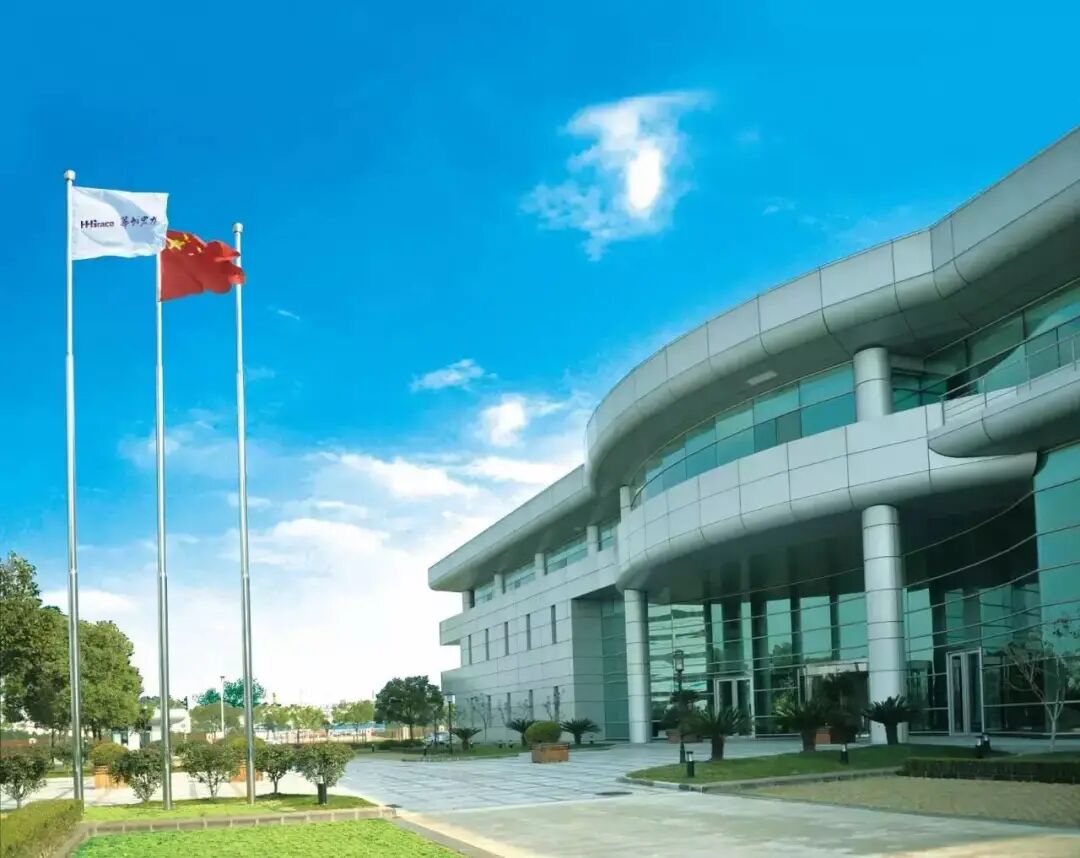
Last year, Huahong Semiconductor introduced 8-inch IGBT technology into its 12-inch production line, successfully establishing IGBT wafer production processes on the 12-inch production line in less than a year, becoming the first pure wafer foundry in the world to mass-produce advanced trench gate IGBTs on both 8-inch and 12-inch production lines.
Currently, all four of Huahong Semiconductor’s “8-inch + 12-inch” factories have passed the IATF 16949 automotive quality management system certification. Huahong Semiconductor stated that the company will strive to become a solid backing for the production of automotive-grade IGBT chips, providing a reliable and trustworthy green “chip” manufacturing platform for IGBT customers and China’s automotive industry.
In the field of smart transportation, vehicle-road collaboration is the trend for future development. In May, Unisoc held a media communication meeting in Shanghai regarding automotive chips, detailing its strategy and thoughts on entering the automotive chip industry.
Unisoc’s Senior Vice President and General Manager of the Industrial Electronics Division, Huang Yuning, stated that Unisoc has achieved practical applications in industrial electronics fields including smart logistics, smart power, smart mining, smart transportation, and intelligent manufacturing, which will provide experience accumulation and technical feedback for entering automotive chip manufacturing.
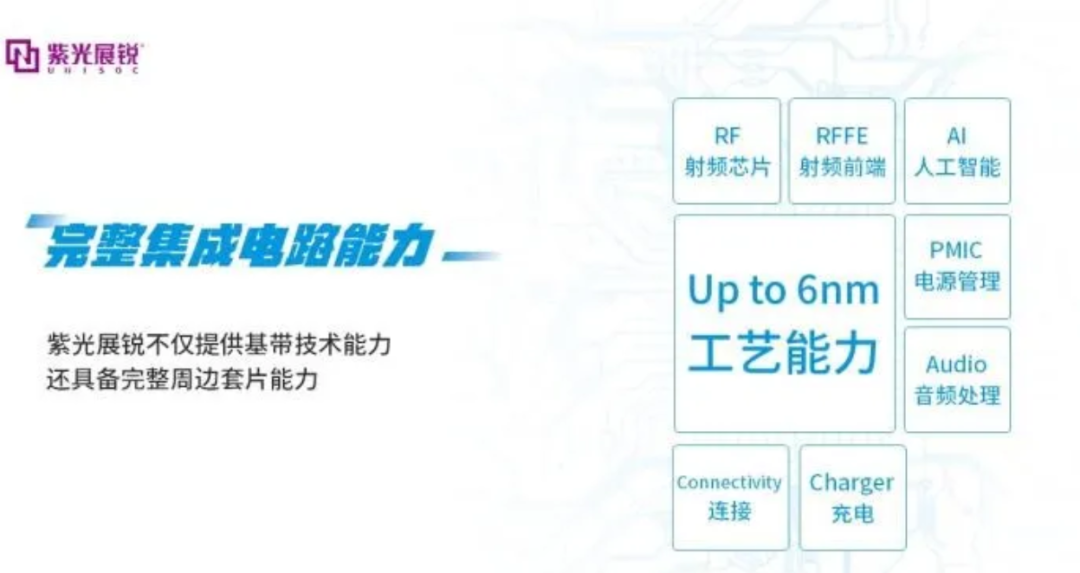
In addition, Unisoc has the capability for large-scale chip SoC integration and complete peripheral chip capabilities. These peripheral chips cover various communication, computing, and control chips, including mobile communication central processing units, baseband chips, Bluetooth chips, Wi-Fi chips, AI chips, RF front-end chips, RF chips, and power management chips.
Unisoc is not only capable of developing and mass-producing all these chips but can also integrate them and conduct research and development for full-scenario communication technologies. These technologies can support communication capabilities from 10 centimeters to 10,000 kilometers. Meanwhile, based on Unisoc’s platform-based automotive requirements, the technological capabilities in consumer electronics, industrial electronics, and IoT fields will gradually be released into automotive scenarios.
At this year’s World Artificial Intelligence Conference, Zhaoguan Electronics showcased the real functions and performance of its real-time processing edge AI SoC chips, allowing the audience to experience millimeter-level true 3D stereo depth imaging, ISP imaging in low-light scenes, ISP HDR imaging, and more through practical application scenarios.
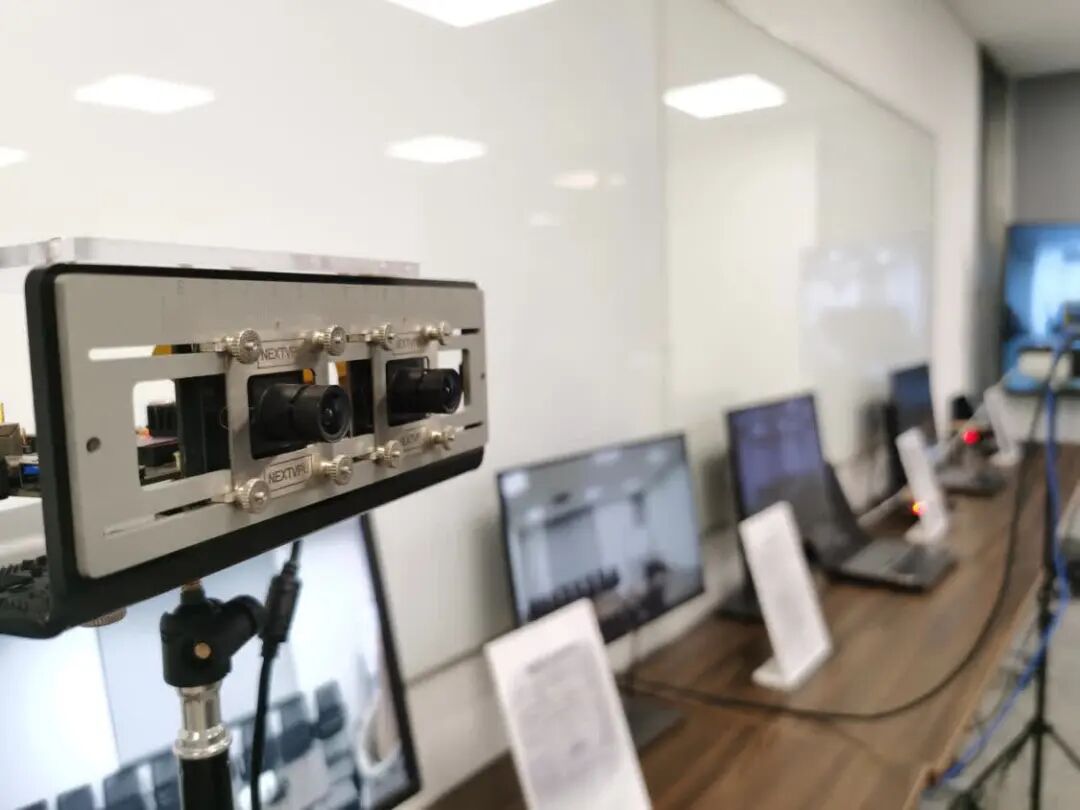
In the field of autonomous driving, Zhaoguan Electronics is also making strides — its in-cabin cameras can monitor whether the driver is talking, on the phone, or drowsy during driving, not only reminding the driver but also directly linking to law enforcement agencies to alert them to traffic accident risks, making driving safer. The external cameras can recognize pedestrians, road markings, and traffic lights, providing timely and accurate alerts or directly assisting the driver in obstacle avoidance or braking.
Meanwhile, another Zhangjiang chip company, Huada Semiconductor, signed a cooperation agreement for the “Automotive Autonomous Chip Research Joint Laboratory” with the Dongfeng Motor Group Technology Center on April 17 this year. Both parties will leverage the advantages of state-owned enterprises, strengthen application traction, and implement cooperation to achieve a stable and controllable automotive industry supply chain.
03

Capital Support, Full Speed Ahead for the Science and Technology Innovation Board
Currently, in the face of the “chip shortage” dilemma, more Zhangjiang companies are quietly contributing, but their efforts will eventually be recognized, and capital is increasingly coming to their aid, accelerating the growth of Zhangjiang enterprises.
In just the first half of 2021, Chip and Semiconductor, Chip Wang Microelectronics, JLSemi completed several hundred million yuan in Series B financing; Turing Quantum, Juyou Intelligent received over 100 million yuan in Series B financing; Rongming Microelectronics, Yingbisen Semiconductor, Xiaxin Microelectronics, Moer Thread and others completed new rounds of financing.
In addition, Puran Semiconductor, Aojie Technology, Weijie Chuangxin, Sitwei, Anlu Technology and other integrated circuit companies are also racing towards the Science and Technology Innovation Board —
On June 22,
the China Securities Regulatory Commission approved Puran Semiconductor‘s IPO on the Science and Technology Innovation Board. This also means that memory chip manufacturer Puran Co., Ltd. has successfully passed the hurdles to the Science and Technology Innovation Board and is about to take the stage in the capital market. Puran Co., Ltd. has excellent design capabilities in the fields of NOR Flash and EEPROM based on its own intellectual property and R&D design platform, and is one of the few companies in the market capable of completing the R&D design of NOR Flash memory chips using the SONOS process platform.
On June 25,
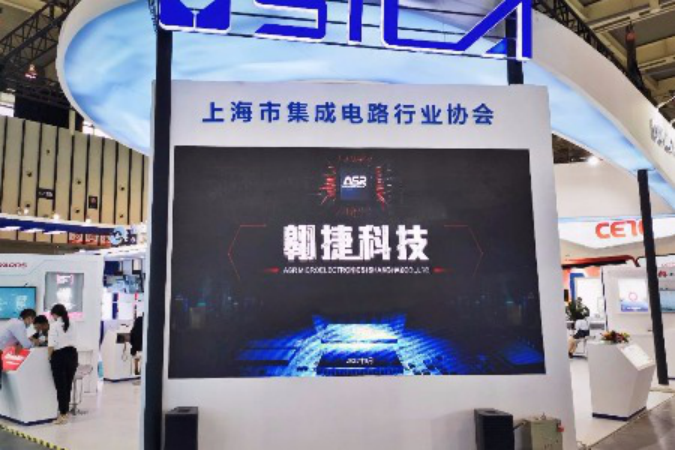
Aojie Technology successfully passed the review. This company focuses on mobile smart communication terminal SoCs, IoT, satellite navigation, and other consumer electronics chip platforms, with a product line covering multiple communication standards including 2G, 3G, 4G, 5G, and IoT, providing comprehensive system-on-chip (SoC) solutions.
Also in June,
the Shanghai Stock Exchange officially accepted the listing application of Weijie Chuangxin Electronics Technology Co., Ltd.’s parent company, Weijie Chuangxin (Tianjin) Electronics Technology Co., Ltd., on the Science and Technology Innovation Board.
According to the prospectus, Weijie Chuangxin focuses on the R&D, design, and sales of RF front-end chips, mainly providing customers with RF power amplifier module products, while also supplying RF switch chips, Wi-Fi RF front-end modules, and other integrated circuit products, widely used in various terminal products with wireless communication functions such as smartphones, tablets, wireless routers, and smart wearable devices.
In the same month, Sitwei released its IPO prospectus (draft) for the Science and Technology Innovation Board, officially targeting the board. The company’s main business is the R&D, design, and sales of high-performance CMOS image sensor chips. Sitwei, as a company dedicated to providing multi-scenario applications and full-performance coverage of CMOS image sensor products, has seen its products widely applied in high-tech fields such as security monitoring, machine vision, and intelligent automotive electronics, contributing to the industry’s shift towards greater intelligence and informatization.
On July 5,
Anlu Technology successfully passed the review for its IPO on the Science and Technology Innovation Board. This company, established in 2011, focuses on the R&D, design, and sales of FPGA chips and dedicated EDA software. The company’s FPGA chip products currently form a product matrix consisting of the SALPHOENIX high-performance product series, SALEAGLE cost-effective product series, and SALELF low-power product series, widely used in industrial control, network communication, consumer electronics, data centers, and other fields.
The first half has passed,
the second half has begun.
In the future, how will Zhangjiang chip companies continue to accelerate “localization” and “mass production”?
Let us wait and see!
Extended Reading

Mid-Year Review | In the first half of 2021, 11 major new drugs were approved for market, 8 of which are from Zhangjiang

Mid-Year Review | 2021 In the first half of the year, Zhangjiang’s digital cultural and creative highlights

Mid-Year Review | 2021 In the first half of the year, Zhangjiang’s artificial intelligence industry is “accelerating” and expanding further