In the high-precision production of pick-and-place machines, sensors are crucial components that cannot be overlooked. The sensors in Samsung pick-and-place machines act like the device’s “eyes”, responsible for detecting component positions, placement accuracy, and machine status, ensuring a smooth production process. Understanding the role of sensors and daily maintenance key points is essential for ensuring the stable operation of the pick-and-place machine, reducing downtime, and improving production efficiency.
1. The Role of Sensors
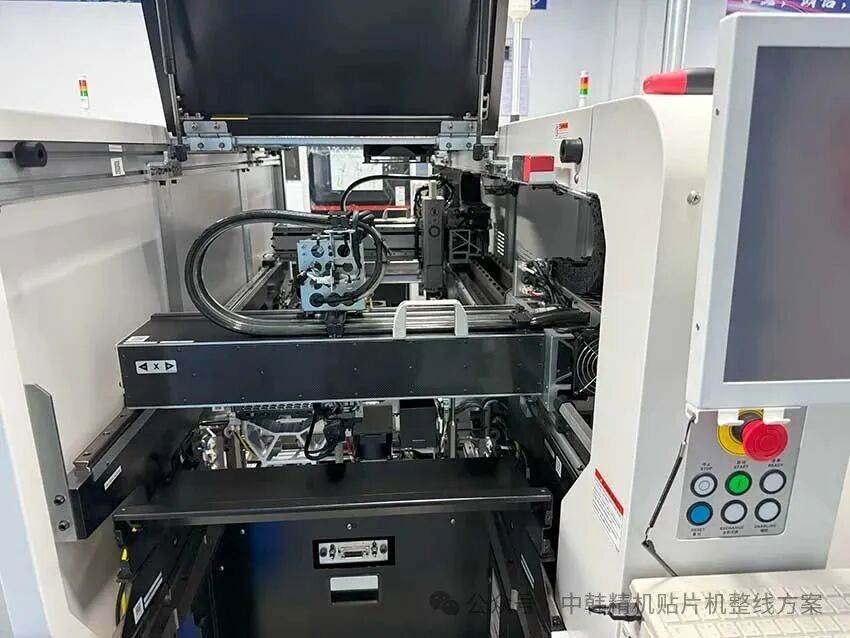
Samsung pick-and-place machines are equipped with various sensors, each with specific functions. Position sensors are primarily used to detect the movement positions of the pick-and-place head and components, ensuring the accuracy of each pick and place action. Component recognition sensors are responsible for identifying the size, orientation, and packaging type of components. If these sensors malfunction, it may lead to misalignment or loss of components during placement. Height detection sensors measure the thickness of components and the placement gap, ensuring placement accuracy and soldering quality. Overall, sensors play a vital role in information collection and real-time feedback in pick-and-place machines, serving as the core guarantee for high-precision placement.
2. Common Types of Sensors
- Position Sensors
Used to detect the positions of the pick-and-place head, feeders, and other moving parts, ensuring precise mechanical actions. When position sensors malfunction, the pick-and-place machine may experience misalignment or repeated placements, affecting production efficiency.
- Component Recognition Sensors
Responsible for identifying the shape, size, and orientation of components. This sensor is critical, especially when handling small components or complex packaged chips. Inaccurate recognition can lead to placement errors or component damage.
- Height Detection Sensors
Measure the height of components and the placement gap, ensuring consistency in placement and solder joint quality. Failure of height detection may lead to poor soldering or short-circuit risks.
- Photoelectric Sensors
Used to detect the conveyor path, feeding status, and presence of components. Photoelectric sensors are sensitive but can be easily affected by dust, solder paste, or light interference, requiring regular cleaning.
3. Key Points for Sensor Maintenance
Proper maintenance of sensors can significantly extend the lifespan of the equipment and reduce production line downtime. The main points to pay attention to are as follows:
- Regular Cleaning
The surfaces of sensors can easily accumulate dust, solder paste, or debris, especially for component recognition and photoelectric sensors. Regularly clean the lenses or detection areas to ensure accurate sensor recognition.
- Prevent Static Damage
The internal circuits of sensors are sensitive to static electricity. When operating or maintaining, anti-static measures should be taken to avoid damaging the component recognition or signal acquisition functions.
- Regular Calibration
After long-term use, sensors may deviate. Regularly calibrate position sensors and height detection sensors according to the equipment manual to ensure placement accuracy.
- Check Interfaces and Wiring
Sensor signal transmission relies on interfaces and wiring. Long-term vibration or high temperatures may lead to poor contact. Regularly check for loose interfaces and worn wiring to ensure stable signal transmission.
- Pay Attention to Environmental Factors
High temperatures, high humidity, or excessive dust can easily affect sensor performance. Keep the production environment clean and tidy, and regularly check the environmental conditions around the sensors.
4. Common Symptoms of Sensor Failures
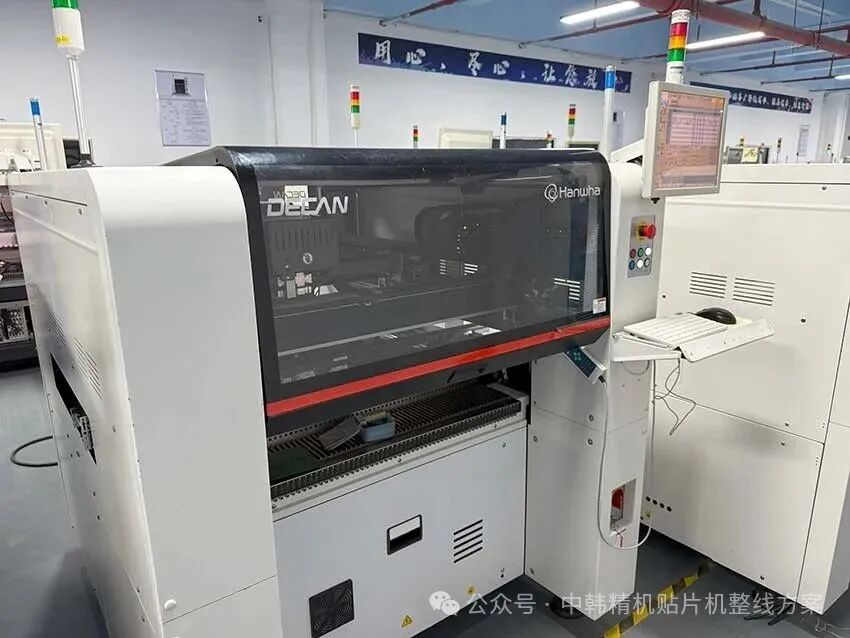
- Component placement misalignment or dropping
- Frequent alarms from the pick-and-place machine indicating sensor abnormalities
- Inconsistent placement gaps and declining solder joint quality
- Unstable movements of feeders or pick-and-place heads
When encountering the above issues, priority should be given to checking the sensor surfaces and interfaces, promptly cleaning or replacing damaged sensors.
The sensors in Samsung pick-and-place machines are essential components for ensuring placement accuracy and production efficiency, including position sensors, component recognition sensors, height detection sensors, and photoelectric sensors. Mastering the role of sensors and daily maintenance key points, such as regular cleaning, anti-static measures, calibration, and checking interfaces and wiring, can effectively reduce equipment failures and ensure stable operation of the production line. Good sensor maintenance not only extends the lifespan of the equipment but also provides a solid guarantee for high-quality and high-efficiency placement production.