The global semiconductor industry is facing a new wave of price surges. According to media reports on Tuesday, a price increase storm has erupted simultaneously at both ends of the industry chain: TSMC’s 2nm advanced process pricing has surged by at least 50% compared to the 3nm process, and the last generation of 3nm CPUs has also seen a price increase of about 20%. Meanwhile, memory chip giants like Samsung and SK Hynix have taken the lead in adjusting prices, accelerating inflation in the semiconductor sector.
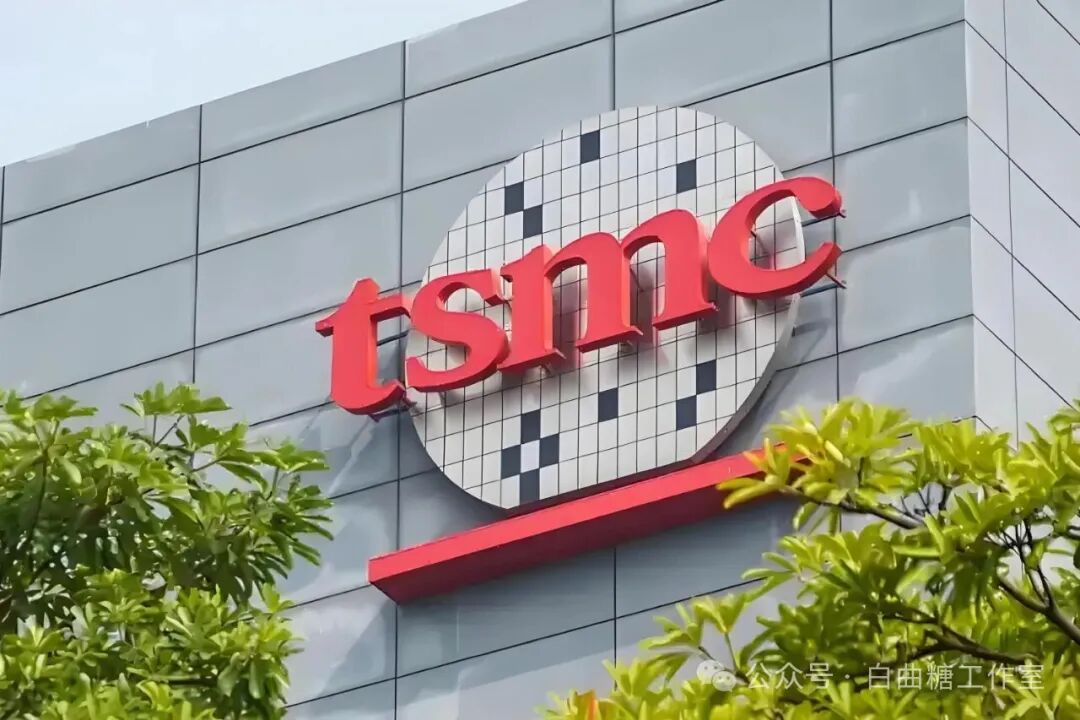
Industry sources indicate that TSMC’s 2nm process has officially started mass production this quarter. Due to the enormous capital expenditure required for advanced process research and equipment investment, the world’s largest chip foundry has made it clear that there is no room for discounts or negotiations. Supply chain estimates show that the unit price of flagship chips using the 2nm process is expected to exceed $280.

The price increase in the memory chip market is equally astonishing. Driven by strong demand from AI data centers, Samsung has significantly raised the prices of its memory and flash products this week, with DRAM prices increasing by as much as 30%, and delivery times extended from the original one month to over six months. Leading companies like Micron and SanDisk have quickly followed suit with their own price increases.
TSMC’s pricing strategy for the 2nm process fully demonstrates its absolute dominance in the global chip foundry market. Although the yield for this process has already met standards, TSMC insists on a firm pricing stance in the face of high capital expenditure pressures. Industry insiders reveal that mobile chips will officially enter the 2nm era in 2026, but the initial production capacity of this process will be prioritized for AI and high-efficiency computing chips, with mass production of mobile chips not expected to start until the end of 2026.
Compared to the 3nm process, the price increase for the 2nm process is at least 50%, which far exceeds market expectations and directly reflects the scarcity and cost pressures of advanced process technology. Even in the transitional 3nm process, a price increase trend has already emerged: flagship chips like MediaTek’s Dimensity 9500 and Qualcomm’s Snapdragon 8 Elite Gen 5, which use TSMC’s N3P process, have seen price increases of 16% to 24%.
The skewed allocation of production capacity has further exacerbated market differentiation. According to the Economic News Daily, Apple has increased its booking share of TSMC’s 2nm capacity from nearly 50% to over 50%. As TSMC’s largest customer, Apple is expected to contribute $19.4 billion in revenue in 2024, accounting for 22% of TSMC’s total revenue, giving it a crucial advantage in capacity negotiations—its A19 chip for the iPhone 17 series has already adopted the 3nm N3P process, and the next-generation A20 chip will directly enter the 2nm era.
In contrast, while Qualcomm and MediaTek plan to launch 2nm chip products by the end of 2026, Apple’s lock on core production capacity may lead to supply shortages for them. This uneven distribution of capacity may further widen the technological gap between Apple and the Android camp in chip technology.
Memory Chip Manufacturers Initiate Collective Price Increase
The memory chip market is experiencing a severe price surge caused by a supply-demand imbalance. Samsung’s announced price adjustment plan this week shows that DRAM products have increased by as much as 30%, and NAND flash prices have risen by 5% to 10%, with supply tightness and surging demand from cloud enterprises being the core driving forces behind the price increases.
Competitors have quickly followed this price increase trend: Micron has announced a price increase of 20% to 30% and has suspended new orders; companies like SanDisk have also raised their prices. Driven by strong demand from AI data centers for memory and storage, the delivery times for consumer and enterprise products from mainstream manufacturers like Samsung, SK Hynix, Micron, WD, and SanDisk have all been extended from one month to over six months.
This global semiconductor price surge is essentially a direct reflection of the deep impact that the explosion of AI applications has had on the industry chain. The ongoing expansion of data center construction has driven up the demand for core component procurement, significantly enhancing the bargaining power of upstream suppliers, and industry inflation pressures are expected to persist in the short term.