 ArticleOverview
In this article, DigiKey provides a comprehensive introduction to the core characteristics and application scenarios. The system elaborates on three major categories of microphone sensors, analyzes the characteristics and applicable scenarios of each category, and presents five core points for design selection. Additionally, the article offers specific methods for optimizing audio quality, including noise interference suppression, directional enhancement, and sensitivity improvement, providing systematic guidance for the selection and design of microphone sensors.
A microphone sensor is a device that converts sound signals into electrical signals, capable of converting sound pressure into voltage. The core of a microphone is a piezoelectric device, such as piezoelectric ceramics or piezoelectric polymers. When sound waves excite the piezoelectric device, it generates corresponding charges, thus converting sound pressure into voltage signals.
Clickto watch the DigiKey video: Device Encyclopedia onSensors Series | Episode 4: Microphone Sensors
Basic Characteristics of Microphones
-
Signal Processing: The output of a microphone is usually a weak voltage signal that needs to be amplified by internal or external amplification circuits to enhance signal strength, allowing subsequent electronic devices to process these signals. Its output may also require filtering and other signal processing steps to remove noise, adjust frequency response, etc.
-
Sensitivity and Frequency Response: The sensitivity of a microphone refers to its response to changes in sound pressure, typically expressed in pascals (Pa) or decibels (dB). Different models of microphones have different response characteristics across various frequency ranges; some microphones are suitable for capturing low-frequency sounds, while others are better for high-frequency sounds.
-
Directionality: Microphones may have different directionality, such as omnidirectional (receiving sound from all directions) and cardioid (primarily receiving sound from the front while reducing sound from the sides and back). Some high-end microphones have noise suppression features that can effectively reduce environmental noise interference with sound signals.
-
Durability and Interface: Microphones typically need to have good durability and interference resistance, especially when used in noisy environments. Additionally, the output interface of a microphone can be either analog or digital, with common connection methods including XLR connectors, USB interfaces, etc. Microphone sensors can be used in various application scenarios, such as recording, voice recognition, communication, etc., making them quite versatile.
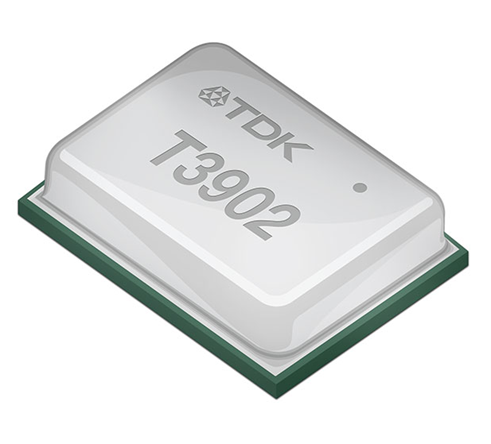
Microphone sensors
Different Characteristics of Various Microphone Sensor Types
Microphone sensors come in various types, each with different characteristics and applicable scenarios. They can mainly be divided into capacitive microphones, dynamic microphones, and microelectromechanical systems (MEMS) microphones.
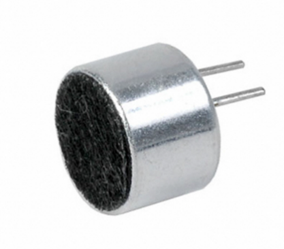
Electret Capacitor Microphone
1. Capacitive Microphones
Capacitive microphones (Condenser Microphones), also known as electrostatic microphones, are a common type of microphone sensor. They consist of a capacitor structure formed between two conductors, where one conductor is fixed (called the backplate) and the other conductor can move (called the diaphragm). When sound waves act on the diaphragm, it vibrates, changing the capacitance of the capacitor. As the capacitance changes, the charge inside the microphone also changes, forming a charge variation corresponding to the sound signal. This charge variation is converted into a voltage signal and output through the microphone’s output port, which is then converted into a sound signal by subsequent amplifiers and processors.
Capacitive microphone sensors have very high sensitivity, capable of capturing subtle sound details. Their frequency response range is broad, allowing them to capture sounds across the full frequency spectrum, including low and high frequencies. Due to their high sensitivity, capacitive microphone sensors have a good signal-to-noise ratio, enabling them to clearly capture sound signals while excluding noise.
Capacitive microphones require external power (usually provided by the microphone interface or an independent power source) to maintain the normal operation of the capacitor structure. Due to their working principle, capacitive microphones excel in signal accuracy and dynamic range, making them widely used in recording studios, broadcasting, film shooting, voice recognition, and other scenarios requiring high-quality sound capture.
Electret Capacitor Microphones: This is a special type of capacitive microphone sensor that has a permanent electret charge added to the backplate. Because the electret material itself carries a static bias, it does not require external power to provide bias voltage, allowing the microphone to operate normally without external power. However, electret capacitive microphone sensors generally also have built-in electronic circuits to amplify the signal, so they still require low voltage power (typically 1.0V-10V), while other characteristics are similar to ordinary capacitive microphone sensors.
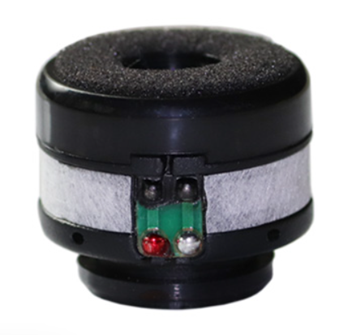
Dynamic Microphones
2. Dynamic Microphones
Dynamic microphones (Dynamic Microphones) are a common type of microphone sensor. They use a dynamic magnetic field and a conductor coil fixed in the magnetic field (called the voice coil). When sound waves cause the voice coil to vibrate, the conductor coil moves within the magnetic field, generating induced current. The induced current interacts with the dynamic magnetic field, producing an electrical signal corresponding to the frequency and amplitude of the sound wave. The generated electrical signal is output through the microphone’s output port and converted into a sound signal after amplification and processing.
Dynamic microphone sensors are characterized by durability, low cost, and no need for external power (self-powered), making them suitable for live performances, speeches, and general recording. However, their high-frequency response is relatively poor, and their dynamic range is narrow.
Dynamic microphone sensors are more durable than capacitive microphone sensors because they do not have fragile components (like the diaphragm of capacitive microphones), making them less prone to overload and distortion, especially suitable for live performances and KTV where high-intensity use is common. Their design results in lower self-noise levels, helping to capture sound clearly.
Dynamic microphone sensors generally have lower sensitivity but can be enhanced through amplifier gain. Their frequency response is usually narrower than that of capacitive microphone sensors, with a stronger ability to capture low-frequency sounds, and they are typically more affordable, making them one of the preferred microphone types for many users.
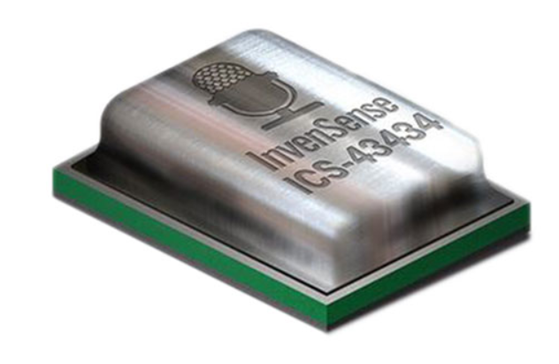
Microelectromechanical Systems (MEMS) Microphones
3. MEMS Microphones
MEMS microphones (Microelectromechanical Systems Microphone) are a type of microphone sensor manufactured using MEMS technology, characterized by high integration, miniaturization, and low power consumption. MEMS microphones utilize MEMS technology, typically including micro-mechanical structures and integrated electronic devices.
The core component of MEMS microphones is a micro-vibrating diaphragm. When sound waves act on the diaphragm, it produces tiny vibrations. The diaphragm’s vibrations cause changes in the capacitance of the capacitor, which are related to the frequency and amplitude of the sound wave. The changes in capacitance are converted into corresponding voltage signals and output through the microphone sensor’s output port, which are then converted into sound signals by subsequent amplifiers and processors.
Compared to traditional microphones, MEMS microphones are more compact and lightweight, making them suitable for use in space-constrained designs. They can be highly integrated with other MEMS or electronic devices, improving overall system performance. MEMS microphones typically have lower power consumption, helping to extend battery life or save energy.
Despite their small size, MEMS microphones usually have high sensitivity, capable of capturing subtle sound details. Their frequency response range is broad, allowing them to capture sounds across the full frequency spectrum, and they typically have high reliability and longevity, suitable for long-term stable operation. MEMS microphones are widely used in smartphones, headphones, wireless communication devices, sound sensing systems, and various consumer electronics and industrial applications.
Considerations for Selecting Microphone Sensors
When selecting microphone sensors, multiple factors need to be considered to ensure performance and functionality meet requirements:
-
Application Requirement Analysis: Determine the specific application scenario in which the microphone will be used, such as studio recording, live performance, voice recognition, communication systems, etc., and consider the environmental conditions of the usage site, including noise levels, temperature range, humidity, and other factors, to select microphone sensors that meet environmental requirements.
-
Sensitivity and Frequency Response: Choose microphone sensors with appropriate sensitivity based on the intensity and detail of the sound to be captured, and select microphone sensors with suitable frequency response based on the frequency range of the sound to be captured.
-
Directionality: For applications that require capturing sound from all directions, choose omnidirectional microphone sensors; for applications that primarily capture sound from the front while reducing sound from the sides and back, select cardioid microphone sensors.
-
Noise Suppression Function: For applications that require reducing environmental noise interference with sound signals, choose microphone sensors with noise suppression features.
-
Durability: Consider the durability of the microphone sensor, especially its durability under high-intensity use or harsh environments, and choose microphone sensors from reputable brands or manufacturers with good quality assurance to ensure stable and reliable performance.
-
Power Supply: Choose suitable microphone sensors based on the system’s power supply situation, such as capacitive microphone sensors or MEMS microphones that require external power, and dynamic microphone sensors that do not require external power.
-
Cost and Performance Balance: Consider the cost of microphone sensors and achieve a balance between performance and cost, ensuring it fits within the budget, and assess whether the performance and functionality of the microphone sensors can achieve the expected benefits and value. After selection and design, conduct testing and validation of the microphones to ensure performance meets requirements and make necessary adjustments and optimizations.
Common Issues and Solutions in Applying Microphone Sensors
Common issues when applying microphone sensors include noise interference, insufficient directionality, insufficient sensitivity, and limited reception distance. Here are some solutions:
1. Noise Interference
-
Solution: Use microphone sensors with noise suppression features, such as noise-canceling microphones, or design effective filters and signal processors to reduce the impact of noise.
-
Environmental Isolation: When using microphones in noisy environments, take environmental isolation measures, such as placing the microphone away from noise sources or using soundproof covers to reduce environmental noise interference.
2. Insufficient Directionality
-
Select Suitable Microphones: Choose microphone sensors with good directionality based on application needs, such as cardioid microphones.
-
Use Additional Equipment: Use directional accessories such as amplifiers and reflectors to enhance the directionality of the microphone.
3. Insufficient Sensitivity
-
Select High-Sensitivity Microphones: Use microphone sensors with higher sensitivity.
-
Increase Amplifier Gain: Increase the gain of the amplifier to improve sensitivity.
-
Optimize Position and Direction: Adjust the position and direction of the microphone sensor appropriately to achieve better sensitivity.
4. Reception Distance Limitations
-
Use Professional-Grade Microphones: Choose professional-grade microphones, which typically have longer reception distances.
-
Increase the Number of Microphones: Expand the reception range by increasing the number of microphone sensors.
-
Use Powerful Receivers and Signal Processors: Use more powerful receivers and signal processors to enhance signal transmission and processing capabilities.
5. Signal Distortion
-
Use High-Quality Equipment: Choose high-quality microphones and receivers.
-
Regular Testing and Calibration: Regularly test and calibrate equipment to ensure stable performance.
-
Adjust Equipment Settings: Appropriately adjust the settings and parameters of the equipment.
-
Maintenance and Cleaning: Pay attention to the maintenance and cleaning of microphones to prevent dust and debris from affecting signal quality.
Overall, addressing issues with microphone sensors in applications requires a comprehensive consideration of many factors, includingselecting suitable microphone types, using noise suppression technology, enhancing directionality, improving sensitivity, and expanding reception distance strategies to ensure optimal performance and functionality of the microphones.
|
Type |
Application Characteristics |
|
Dynamic Microphone Sensors |
Dynamic microphone sensors are characterized by high durability, low noise, and low cost, making them suitable for live performances, studio recordings, broadcasting, etc., particularly effective for capturing high-volume and low-frequency sounds. |
|
Capacitive Microphone Sensors |
Capacitive microphone sensors have high sensitivity, wide frequency response, and high signal-to-noise ratio. Electret capacitive microphone sensors do not require external power, making them suitable for applications with high sound quality requirements. |
|
MEMS Microphone Sensors |
MEMS microphone sensors are characterized by miniaturization, high integration, low power consumption, and high sensitivity, making them a common type of microphone sensor in many modern audio and sound sensing applications. |
Conclusion
Microphone sensors are widely used in various electronic products that require audio collection, such as smartphones, smart speakers, and various recording devices. When selecting microphone sensors, factors such as application scenarios, sound environments, sensitivity and frequency response, directionality, power requirements, quality and reliability, durability, cost-effectiveness, testing, and calibration must be considered to ensure good microphone performance.
To learn more about microphone sensors or other sensor selection and applications, please visit the DigiKey application and technology page in the Sensor section.
More related cutting-edge technology and selected content:
Comparison of Electret Capacitor Microphones (ECM) and MEMS Microphones
Overcoming the Pitfalls of Poor Audio Quality
Sampling Audio at 44.1 kHz on the CY8CPROTO-062-4343W Board
Audio Amplifiers / Analog Switches – What is Depop?
Using Photon Modules and the Blynk Platform to Achieve WiFi Control of LEDs
MEMS Microphone Interfaces: Analog vs. Digital Output
 Selected Products
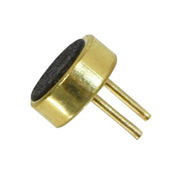
Same Sky
CMEJ-0415-42-LP
100 Hz ~ 10 kHz Analog Microphone Electret Capacitor
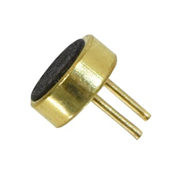
TDK InvenSense
ICS-40618
50 Hz ~ 20 kHz Analog Microphone MEMS (Silicon)
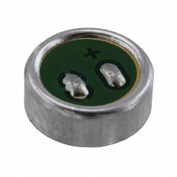
Soberton
EM-6022
100 Hz ~ 15 kHz Analog Microphone Electret Capacitor
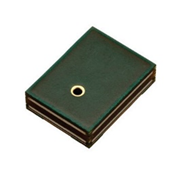
Knowles
SPK0641HT4H-1
20 Hz ~ 20 kHz Digital,PDM Microphone MEMS (Silicon)
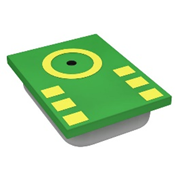
TDK InvenSense
ICS-43432
50 Hz ~ 20 kHz Digital,I2S Microphone MEMS (Silicon)
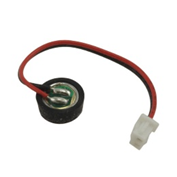
PUI Audio
POW-1644L-LWC50-B-R
50 Hz ~ 16 kHz Analog Microphone Electret Capacitor
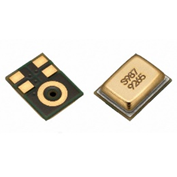
Same Sky
CMEJ-0415-42-P
100 Hz ~ 10 kHz Analog Microphone Electret Capacitor
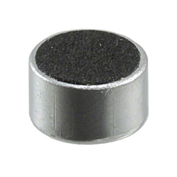
PUI Audio
POM-3535L-3-R
50 Hz ~ 16 kHz Analog Microphone Electret Capacitor
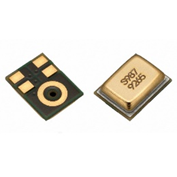
Knowles
SPH0611LR5H-1
100 Hz ~ 10 kHz Analog Microphone MEMS (Silicon)
Syntiant
SPH18C3LM4H-1
32 Hz ~ 20 kHz Analog Microphone MEMS (Silicon) Editor’s Note
Understanding the different characteristics of microphone sensors is crucial for selection and design, as it directly determines the performance, cost control, reliability assurance, and user experience quality of the final product. It also helps designers accurately match application scenario requirements, optimize overall system performance, and flexibly adapt to system integration requirements, thus achieving a balance between reasonable cost control and optimal audio solutions. What experiences or questions do you have regarding the selection and design points of microphone sensors? Feel free to leave a message and discuss with friends from DigiKey!
 Monthly quiz password for this issue: Microphone sensors can mainly be divided into capacitive microphones, dynamic microphones, and MEMS microphones.

“Star” us to not miss fresh cases and industry insights