Smart home devices are indeed becoming increasingly common, but many features are underutilized. This phenomenon is actually the result of the interplay between technology, user experience, and consumer psychology.
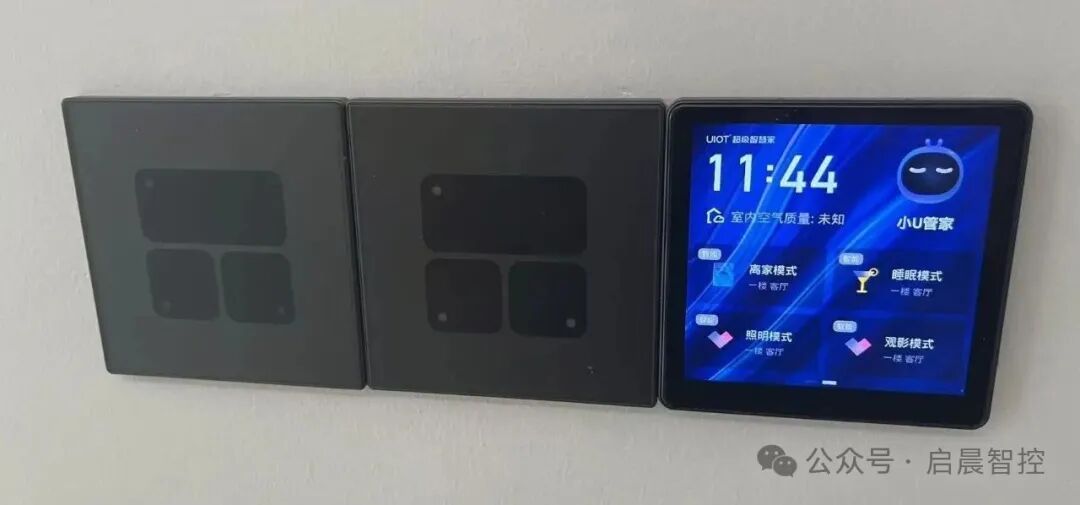
🛠️ Technical Experience:
-
Ecological Fragmentation: Devices from different brands cannot interconnect, such as “Xiao Ai” being unable to control “Tmall Genie” devices.
-
Complex Setup: Some products have a learning curve for installation, integration, and usage, with concepts like “gateway” confusing ordinary users.
-
Unstable Response: Devices may experience slow response times and disconnections, affecting the user experience.
🧑💻 User Experience:
-
High Learning Costs: Users are deterred by complex features and prefer to use simple, reliable basic functions.
-
Privacy and Security Concerns: Users have concerns regarding network security and data privacy.
💰 Consumer Psychology:
-
Just Enough: Consumers often purchase single items to meet specific needs (e.g., cleaning, security), as basic functions already satisfy core requirements.
-
Price Sensitivity: Smart features often come with a premium, and consumers are reluctant to pay for complex features they do not use.
💡 How to Better Enjoy Smart Living:
Despite the aforementioned obstacles, we can adopt certain strategies to better enjoy the conveniences brought by smart homes:
-
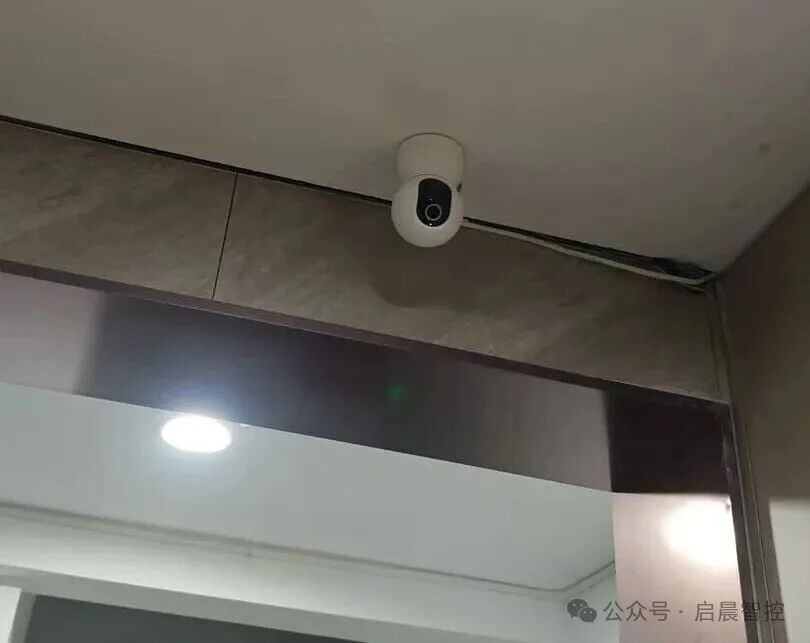
Start with Products that Address Real Pain Points: There is no need to pursue an all-encompassing “smart home” solution immediately; begin with products that address your most urgent needs, such as a robot vacuum or smart security camera. Once you experience tangible benefits, consider gradually expanding.
-
Prioritize Compatibility When Purchasing: When adding new devices, consciously choose products that support Matter and other open protocols. These devices can communicate in a “universal language,” allowing them to better integrate into different brand ecosystems and reduce future “device island” issues.
-
Pay Attention to the Future Trend of “Seamless Connectivity”: The industry is also working to address usability issues, with future trends moving towards “seamless interaction” and “proactive services.” For example, AI can sense your behavior and automatically adjust lighting, air conditioning, and curtains, allowing you to enjoy a comfortable environment without any manual operation.