Spy photos of the new Mercedes-Benz C-Class have recently sparked heated discussions online. However, surprisingly, the focus of netizens is not on the new car’s luxurious aura or performance improvements, but rather on the astonishing similarity of its interior design to certain domestic cars.
From the leaked interior images, the new C-Class has abandoned the traditional dual-screen design in favor of a large central control screen, which closely resembles the design language of recently released domestic new energy models from companies like Li Auto and NIO. Even more striking is the new touch-sensitive steering wheel, which is very similar to models launched by domestic automaker Zhiji.
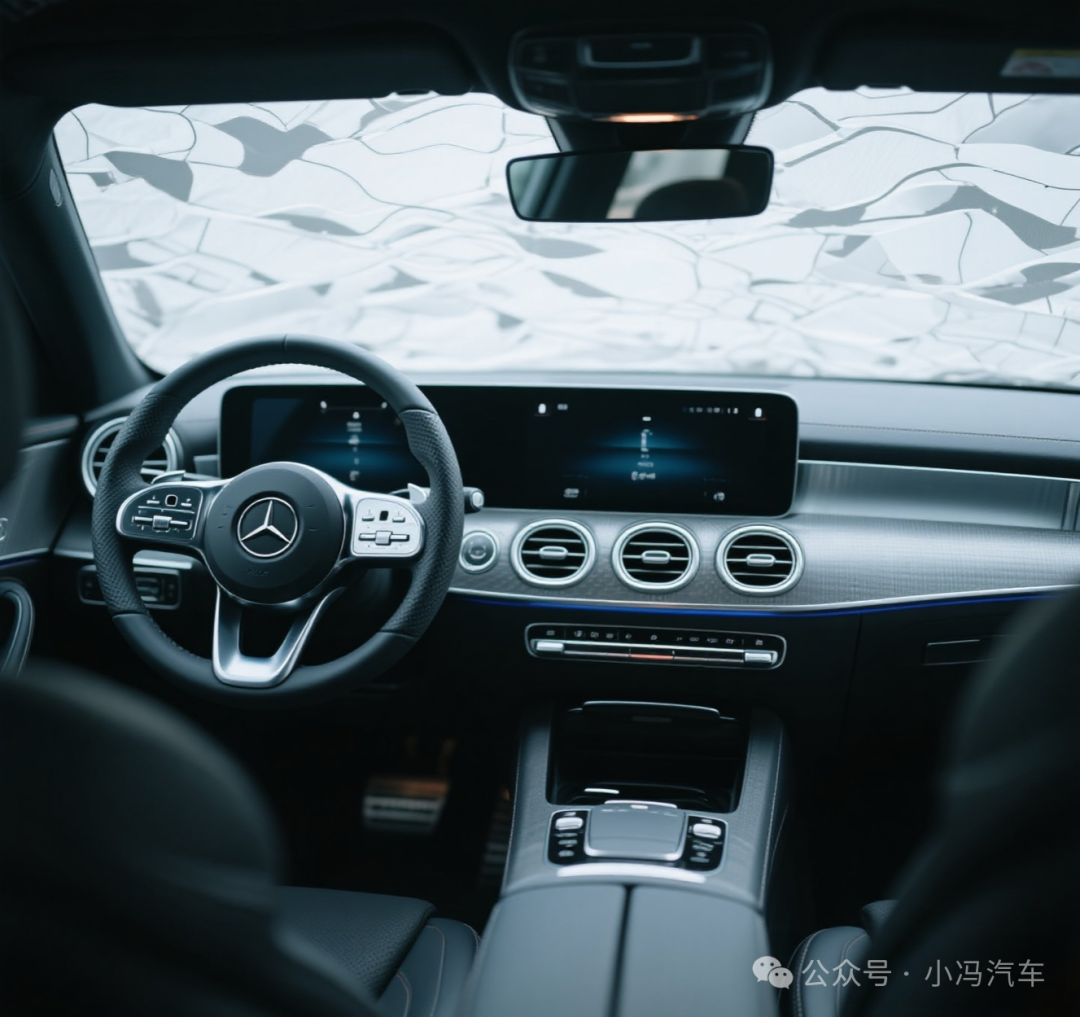
This discovery immediately triggered enthusiastic discussions among netizens: “Is reverse imitation now in vogue?” “Have Mercedes designers also started to slack off?” “They can’t even copy properly; they haven’t learned the essence of domestic car design!”
Design Trend Shift: Who is Leading Automotive Design Trends?
Once upon a time, domestic cars were criticized for being ‘knockoffs’ and ‘imitations of joint venture brands.’ However, in recent years, with the rise of new energy vehicles, domestic automakers have boldly innovated in interior design, breaking traditional layouts to create styles that better fit the digital age. Large central control screens, simplified physical buttons, and smart cockpit concepts—these design philosophies, pioneered by Tesla and further developed by domestic automakers, are becoming the new direction in global automotive design.
Self-Reform of Luxury Brands
Faced with competitive pressure from new forces, traditional luxury brands are compelled to accelerate their transformation. This interior change by Mercedes reflects not only the overall design trend in the automotive industry but also showcases the self-reform of traditional brands in the wave of digitalization.
However, this kind of ‘borrowing’ also raises questions: When luxury brands start learning from emerging brands, where will the future of automotive design head? Will it continue to revolve around large screens, or will new breakthrough design languages emerge?
Consumer Perception Shift
This phenomenon also reflects a shift in consumer perception. In the past, consumers might have lowered their evaluation of luxury brands due to their ‘borrowing’ behavior. But now, more consumers are guided by pragmatism: “Regardless of whether it’s a black cat or a white cat, a good cat is one that catches mice.” As long as the design is reasonable and the experience is good, recognition can be achieved regardless of the source of inspiration.
Future Outlook
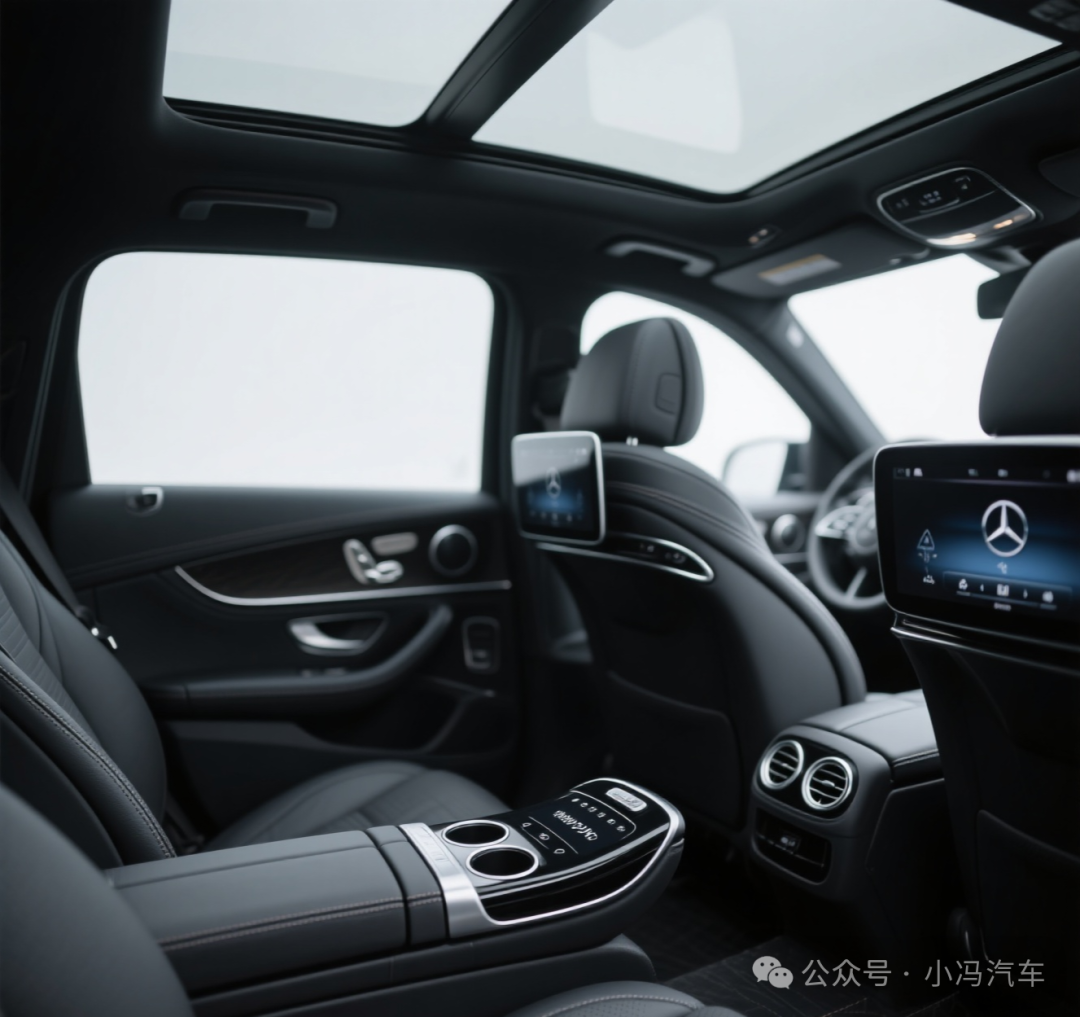
The redesign of the Mercedes-Benz C-Class may become an important milestone in the transformation of traditional luxury brands. It indicates that in the field of automotive design, there are no permanent mentors or students, only participants who continuously evolve and adapt.
For consumers, this cross-industry ‘borrowing’ ultimately brings richer choices and faster progress among brands, which is not necessarily a bad thing.
Ultimately, the competition in automotive design is not about who imitates whom, but about who can create a better experience and value for users. This is the ‘ultimate track’ that all automotive brands should focus on.