

Issue 250902
Editor: Qian Qian
Today’s tech news is quite interesting:
Tesla is not only making cars but is also betting on the future of robots; OpenAI plans to build a super-large data center in India; Alibaba is also rumored to be developing chips to fill the gap.
Meanwhile, Runway is crossing into robotics, and Peking University has released over ten million training data points. The giants are laying the groundwork, and the research community is speeding up, indicating that a new round of technological warfare has begun.

Tesla Unveils Cyber SUV Model, Bets on Optimus Robot as Future Pillar
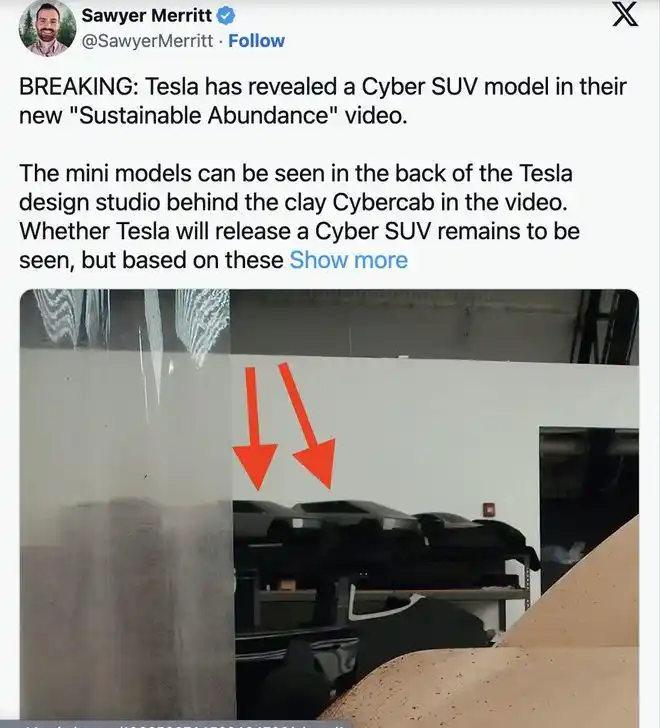
At the latest technology open day, Tesla showcased the Cyber SUV concept car for the first time, emphasizing intelligent driving and spatial expandability, with plans for mass production in 2027.
However, more attention-grabbing is Musk’s clear statement on-site that the humanoid robot Optimus will be “the most important value pillar for Tesla in the next decade.”
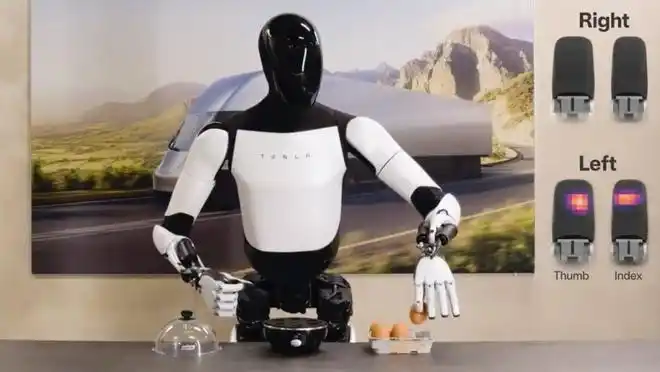
It is reported that Optimus’s motion control accuracy has reached millimeter-level, and it is expected to be trialed in a factory environment on a small scale next year, with hopes for consumer market availability by 2028.
Tesla is gradually shifting its focus from electric vehicles to the robotics industry, and the market logic is transitioning from “car company” to “robot company.”

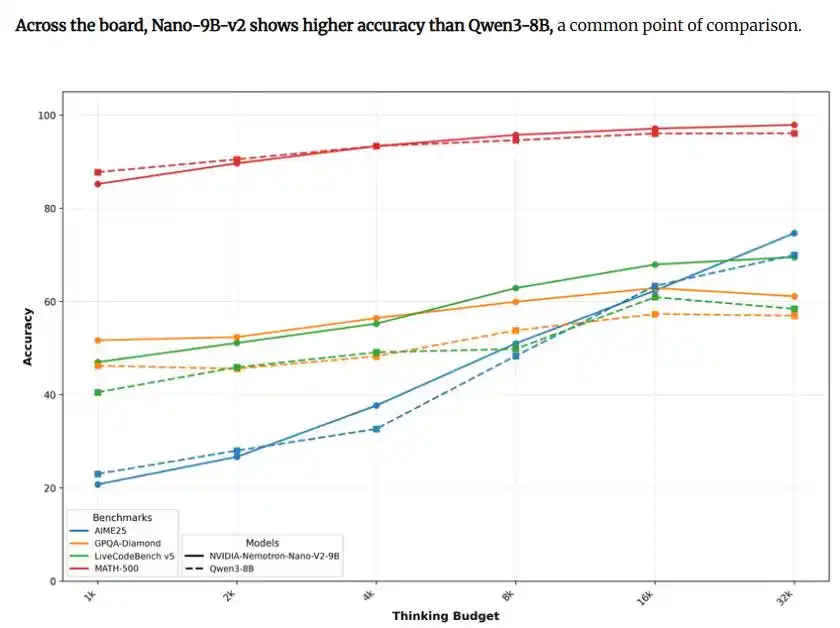
NVIDIA Releases Small Model Nemotron-Nano-9B-v2, Inference Speed Increased by 40%
NVIDIA has launched the new generation lightweight model Nemotron-Nano-9B-v2, maintaining a size of 9 billion parameters but increasing inference speed by 40% through a “Transformer + Mixture of Experts” architecture.
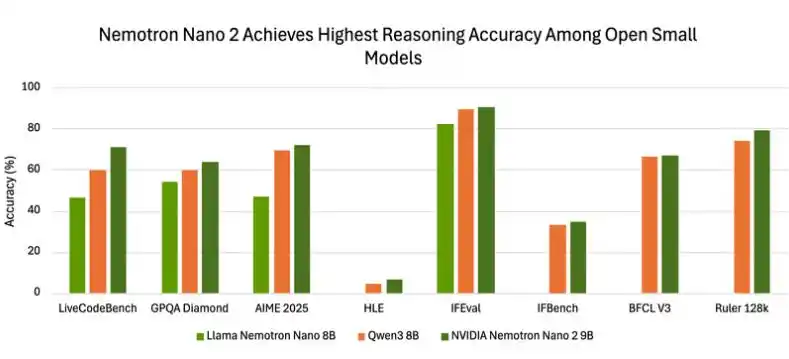
The biggest highlight is the support for “dynamic switching of inference processes,” allowing users to flexibly switch between “high-precision mode” and “high-speed mode.”
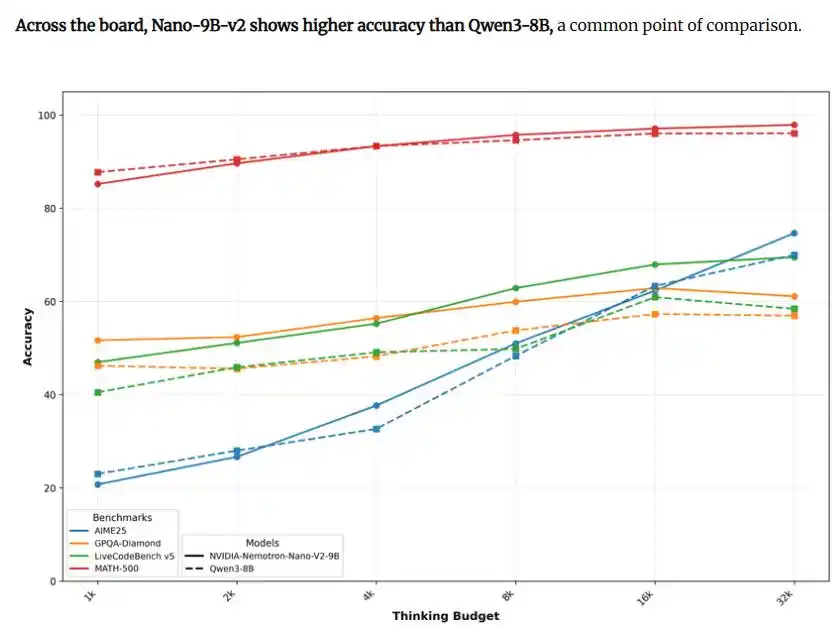
This means that developers can balance efficiency and accuracy based on demand even in scenarios with limited computing power. NVIDIA clearly aims to fill the gap in edge computing and embedded devices with small models, carving out a more pragmatic application route amidst fierce competition among large models.
OpenAI Plans to Build GW-Level “Stargate” Data Center in India, Investing Over $1 Billion
According to the Economic Times of India, OpenAI is in talks with the Indian government to build a GW-level “Stargate” super-large data center in Gujarat, with an expected investment of over $1 billion.
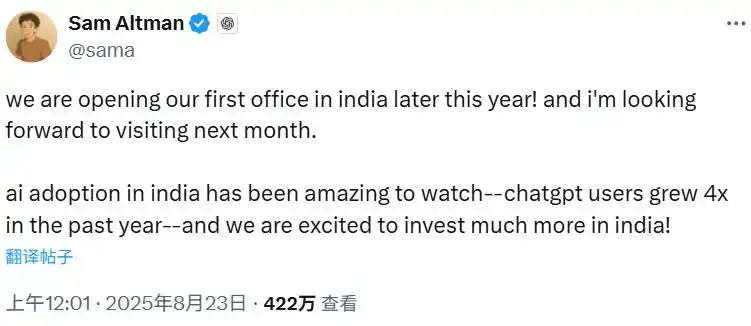
This will become OpenAI’s first computing power base in Asia, providing core support for its next-generation large models.
Insiders say that CEO Sam Altman may officially announce the plan during his visit to India this month. If realized, this will not only open up space for OpenAI in terms of cost and policy but also strengthen its strategic depth in the global computing power network, further widening the gap with competitors.

Runway Uses Visual Generation AI for Robotics and Autonomous Driving Training
Runway, known for AI video generation, announced its entry into the robotics and autonomous driving fields, using generative models to quickly build virtual environment data for training perception systems and driving algorithms.

Their solution can simulate extreme weather, complex road conditions, and other real-world scenarios that are difficult to obtain, thus generating training data at a lower cost.
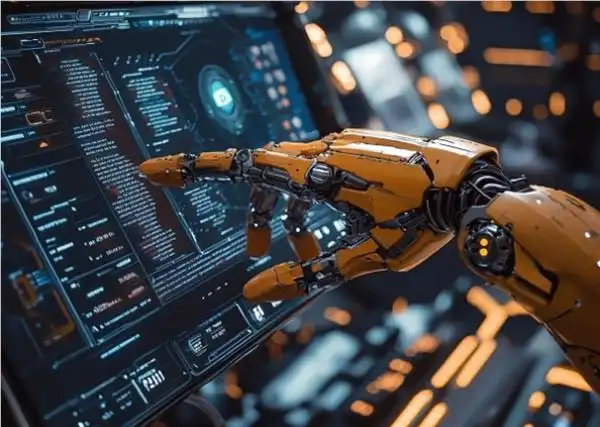
Runway has partnered with Boston Dynamics and Waymo, with preliminary data showing that training efficiency can be improved by three times.
The extension of generative AI from “content” to “environment” marks that virtual synthesis technology is feeding back into the training of real-world agents.

Mistral Launches Enterprise Assistant Le Chat Enterprise, Focusing on SMEs
French AI startup Mistral has launched an enterprise-oriented assistant, Le Chat Enterprise, equipped with its self-developed Medium3 model (4 billion parameters), supporting common tasks such as document parsing, meeting minutes generation, and customer Q&A.

The product adopts a “local deployment + cloud collaboration” model, with data processing compliant with GDPR and other European privacy regulations, and the subscription price is only 60% of similar products. Mistral’s strategy is to enter the SME market with high cost performance, providing differentiated competitiveness in the enterprise service track in Europe and the United States. For customers who have not fully trusted the cloud services of American giants, this is a pragmatic alternative.
Peking University Open Sources DexonomySim Dataset, 9.5 Million Robot Grasping Poses Released
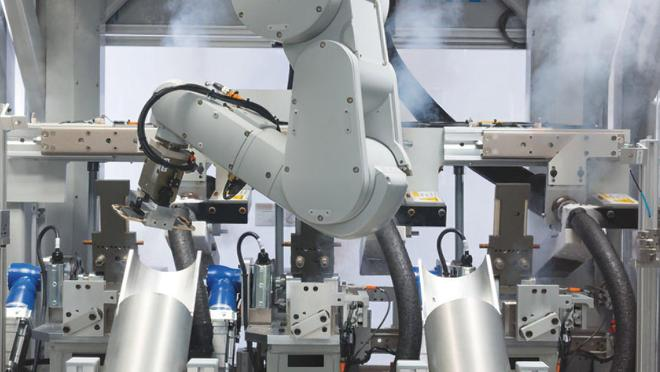
Peking University’s Institute of Artificial Intelligence has announced the open-sourcing of the DexonomySim dataset, which contains 9.5 million high-quality robot grasping poses, covering interaction scenarios under different object shapes, materials, and lighting conditions.
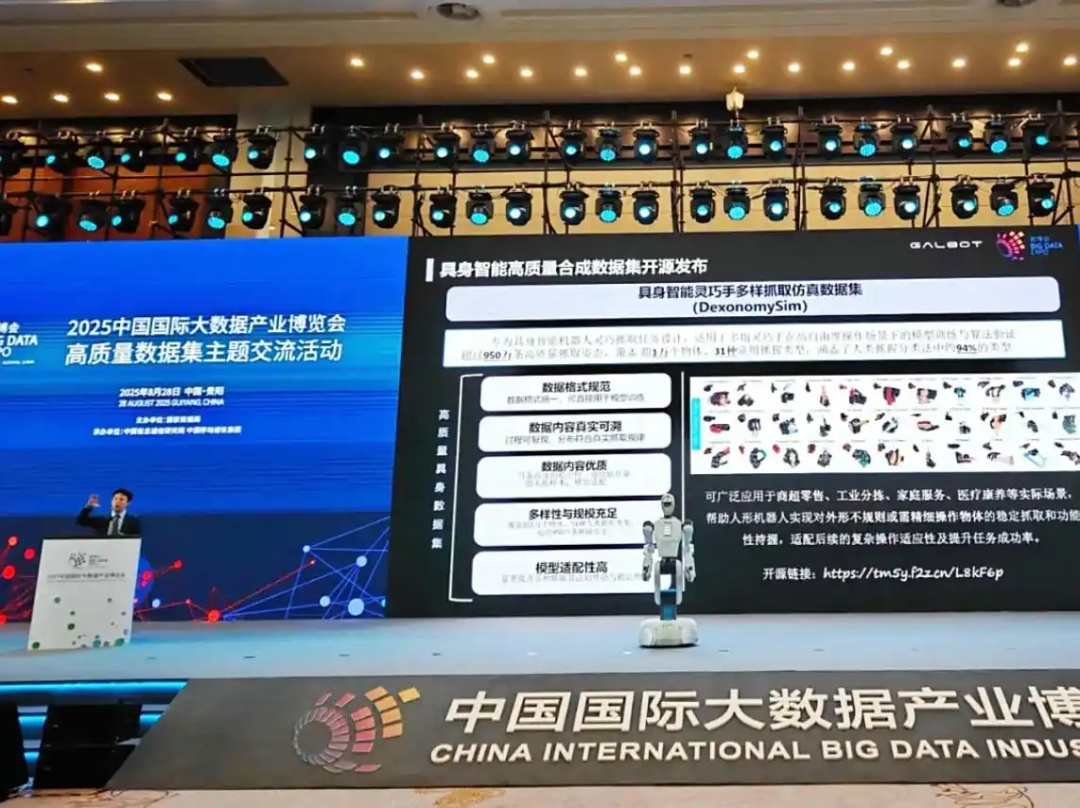
The data is generated by a physics engine simulation, with a labeling accuracy of up to 98%, and can be directly used for training robot hand control algorithms.
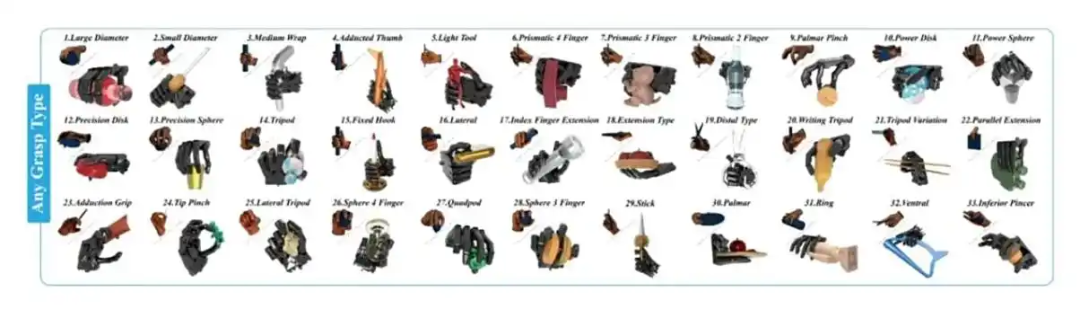
For a long time, there has been a relative lack of embodied intelligence data accumulation in China, and this dataset will provide important resources for academia and industry. This could be a key infrastructure completion for advancing domestic robots in fine operations.

Apple Requires Suppliers to Complete Automation Upgrades at Their Own Expense
According to supply chain sources, Apple has recently required global core suppliers to complete production line automation upgrades by 2027, with related costs to be borne by the suppliers themselves.

Apple explained that this move aims to reduce reliance on human labor, lower long-term production costs, and manage risks. Some small and medium suppliers have expressed concerns that the upgrades will compress profit margins by 5%-8%.

Apple has provided clear automation technology standards but has not offered subsidies. This means Apple is pushing the supply chain to further “replace humans with machines,” which may lead to a new round of reshuffling in its global manufacturing ecosystem.

Apple FastVLM Visual Language Model Opened, Supports Local Running on Mac
Apple has officially opened its self-developed visual language model Apple FastVLM to developers, supporting local running on devices such as MacBook and iMac.
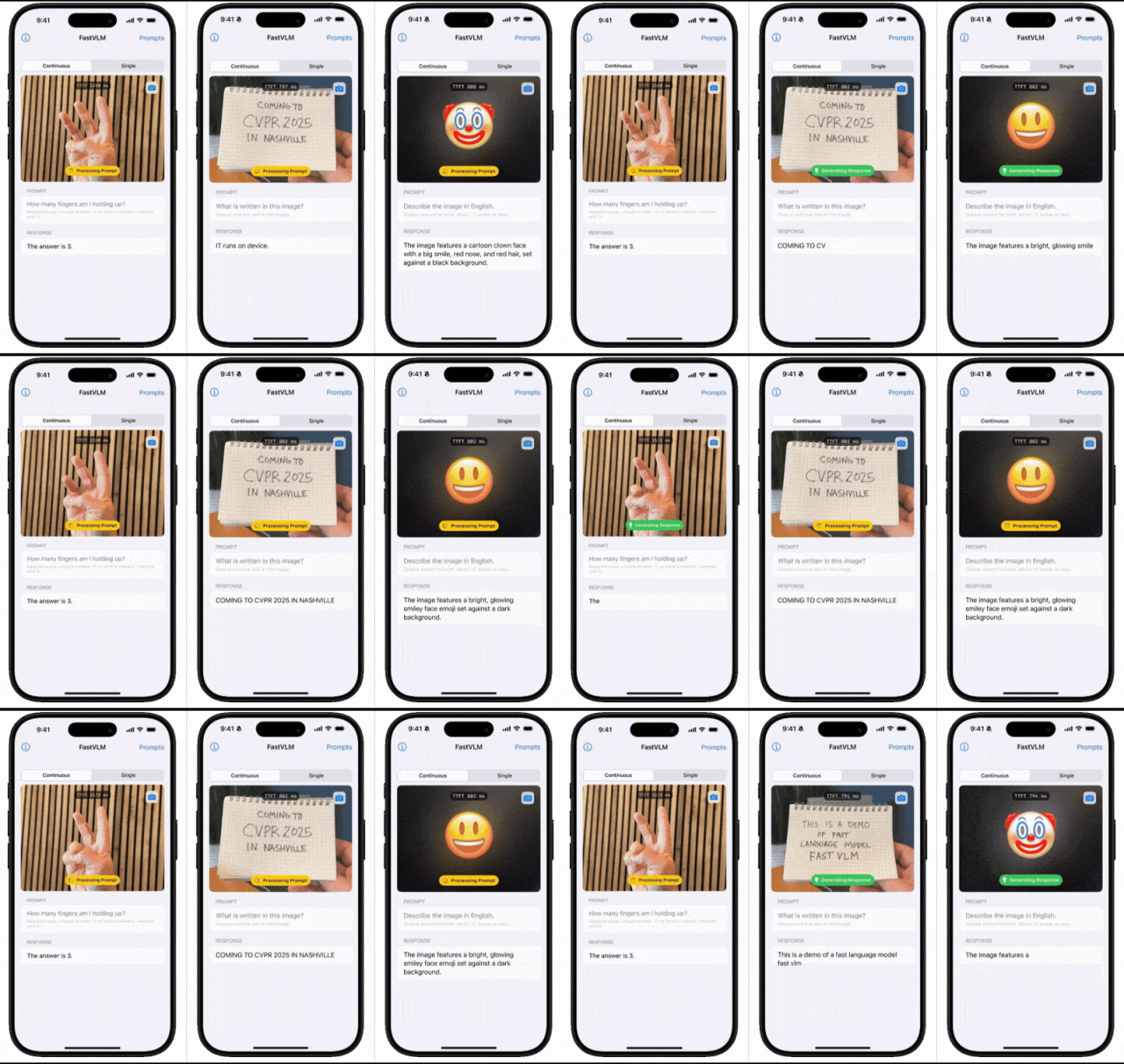
This model is deeply optimized for M-series chips, capable of completing content recognition, text extraction, and semantic analysis for 10 images in one second without needing an internet connection. It has now been integrated into Xcode, allowing developers to directly call it for building applications such as image editing and document scanning.
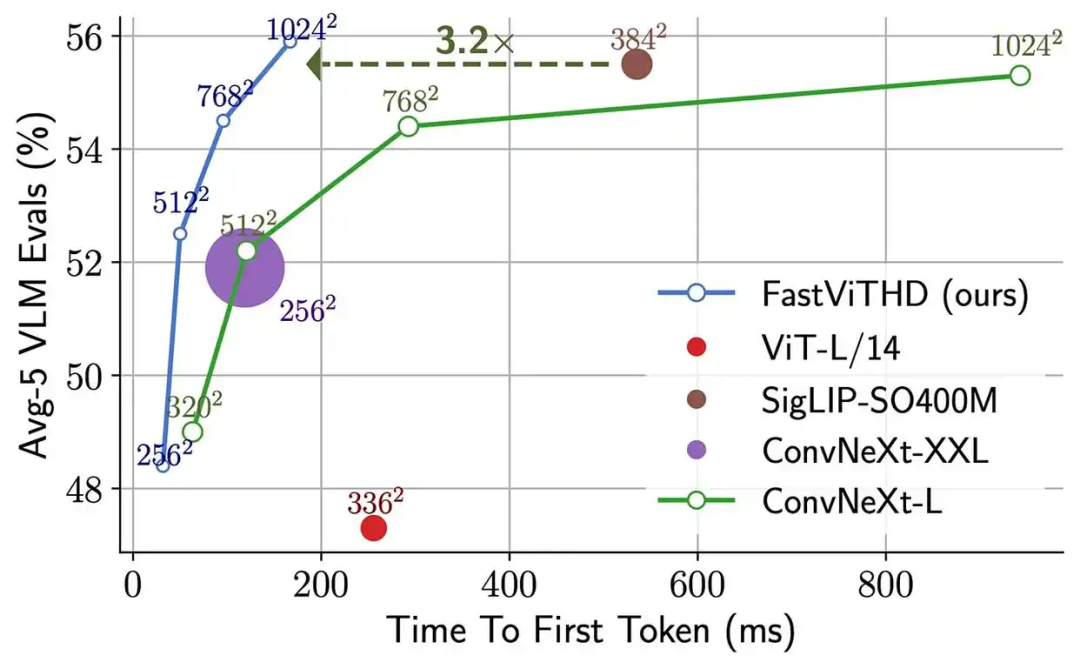
Apple remains low-key at the large model level but continues to leverage its hardware and ecosystem advantages by accelerating AI functionality deployment on the edge, gradually forming an “invisible moat.”

Alibaba Tests New AI Chip “Xuantie 910”, Aiming at NVIDIA’s Gap
Industry sources say that Alibaba’s Damo Academy is developing a new generation of AI training chip, codenamed “Xuantie 910,” using 7nm technology, with a computing power density of up to 400 TOPS, supporting mainstream frameworks such as TensorFlow and PyTorch.

The chip is currently in internal testing, and mass production is expected as early as the first quarter of 2026, prioritizing supply to Alibaba Cloud.

As NVIDIA’s H100 chip remains in short supply globally, if Alibaba’s new chip can be successfully commercialized, it will not only alleviate the domestic computing power shortage but also have the opportunity to regain the initiative in the cloud computing market.

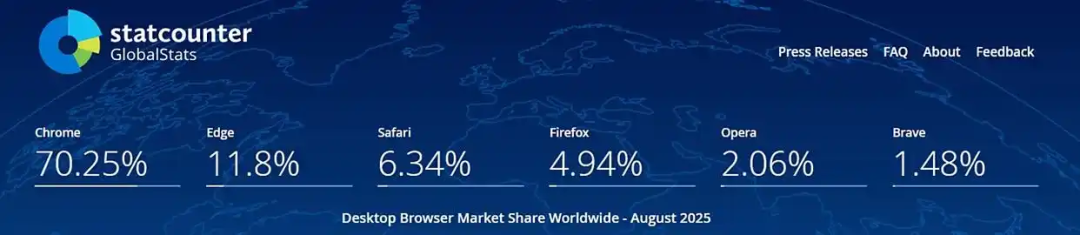
Chrome Browser’s Global Market Share Hits New High, Over 70% on Desktop, Microsoft Edge Only 11.8%
Market research firm Statcounter’s data for August 2025 shows that Google Chrome’s market share on desktop has reached 70.2%, an increase of 3.1 percentage points year-on-year, while Microsoft Edge only accounts for 11.8%.
The mobile share is 65.8%, far exceeding Safari’s 22.1% and Samsung Browser’s 8.5%. Chrome’s sustained advantage is attributed to its deep integration with the Google account system and continuously iterating AI features (such as real-time translation and webpage summaries).
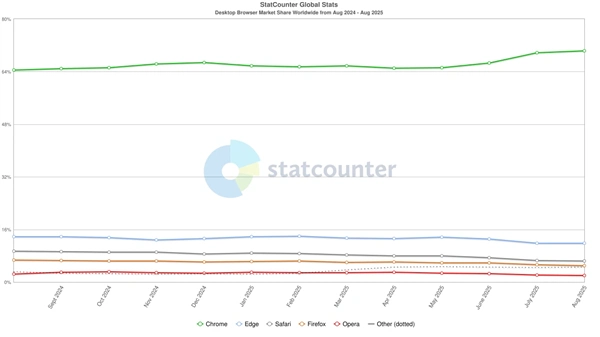
In an era where applications are constantly being disrupted, the browser remains the most stable entry point, and Chrome has further solidified this position.

Today’s news almost points to a consensus:The giants are re-betting on infrastructure and underlying capabilities. Tesla aims to reshape its company logic with robots, OpenAI expands its computing power network to Asia, Alibaba bets on domestic chips, and Apple reorganizes its supply chain; meanwhile, Runway and Peking University’s actions bring cutting-edge breakthroughs closer to practical implementation.
Which track do you think will lead the next wave?
Let’s discuss in the comments!
– END –


Frontline Dynamics
State Council’s “Artificial Intelligence +” Action Opinions GPT-5 Explodes GPT-5 System Card DeepSeek Upgraded to V3.1 GLM-4.5 Tops Alibaba’s New AI Baidu Doubao, Gemini Tests at Tsinghua and Peking University NVIDIA
Frontline Conference
WAIC 2025 World Robot Conference 2025 Robot Sports Games Sequoia AI Summit Baidu Cloud Intelligence Conference Global Emergence of Intelligent Agents wteamAI Maker Festival
Frontline Figures
AI Father Hinton’s WAIC Speech Huang Renxun’s 90-Minute Closed-Door Exchange in Beijing Ilya Zuckerberg Internet Queen Yu Shu CEO Wang Xing’s Three Judgments Luo Yonghao He Kai Ming Schmidt and Shen Xiangyang


 Click “View” to give Qian Qian a thumbs up