Hello everyone, I am Guang Ge. Since the beginning of this year, I believe you have seen a lot of news about AI. While it can indeed help with small tasks, to say it will “completely change our lives” is still quite far off—if AI is merely for chatting, writing some copy, or relying on the imagination of general artificial intelligence (AGI), it clearly cannot support the current market hype.
So what are people really expecting from AI?
The answer might beAI Agent (智能体). Jensen Huang from NVIDIA stated that this is the next trillion-dollar market, and Baidu’s Robin Li emphasized that this technology is about to reach a tipping point,while the globally renowned consulting firm Gartner has ranked it as the top strategic technology trend for 2025.
What exactly is this highly regarded concept? Let’s discuss it today.

From Words to Action
The term Agent translates directly to “agent,” and when combined with AI, it is usually translated as “intelligent agent.” This might cause some confusion, so let’s set aside the literal meanings and review a more familiar generative AI application, such as Doubao, and see how it works.
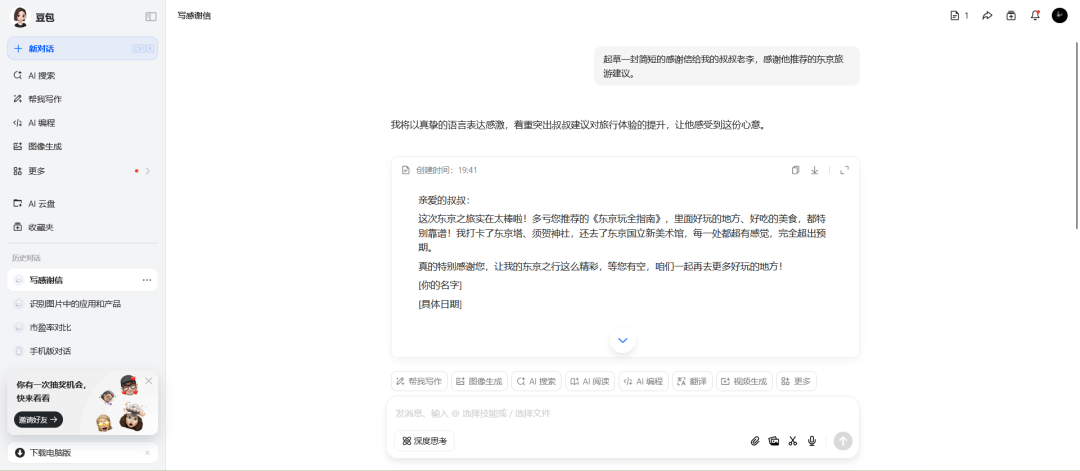
Applications like Doubao essentially have a core capability of text generation and understanding, which can help us accomplish relatively simple tasks, such as chatting and looking up information. Generally, you input a command, and it responds based on your input.
However, when faced with more complex tasks that require multi-step execution and interaction with the outside world, it becomes somewhat powerless; often, whether a task can be completed still relies on us.
As a result, many people currently use these generative AI applications as advanced search engines, unable to solve any particularly practical problems. Is this the AI we want?
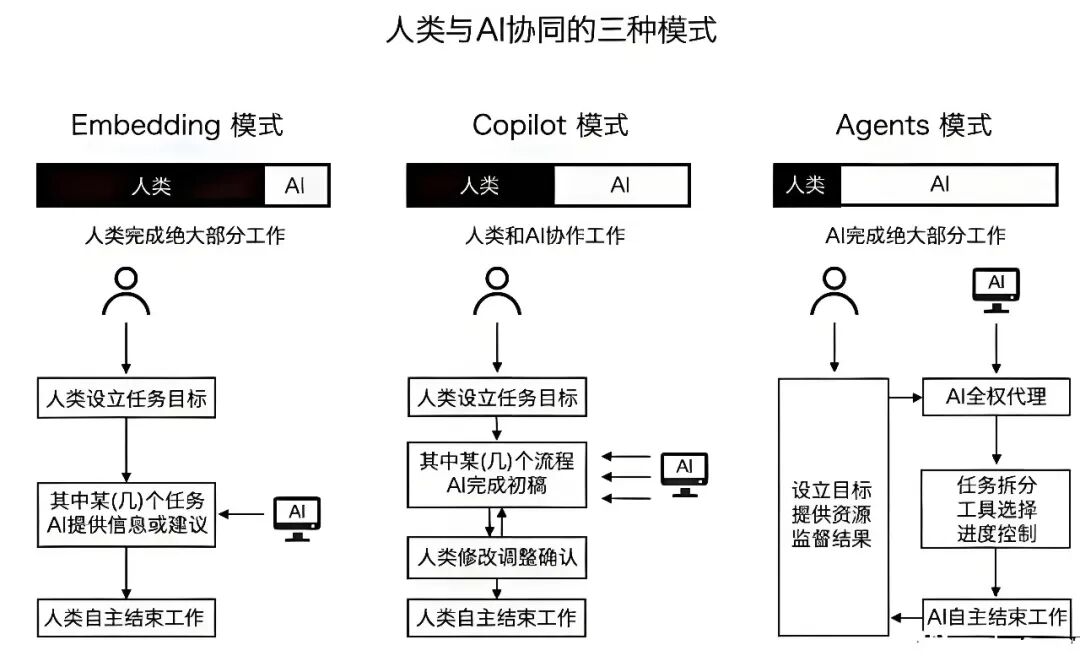
Clearly not, so the concept of an Agent becomes necessary. Its core idea is to enable AI to truly autonomously complete tasks.
When AI receives a task, it must not only think about how to do it but also actually carry it out.
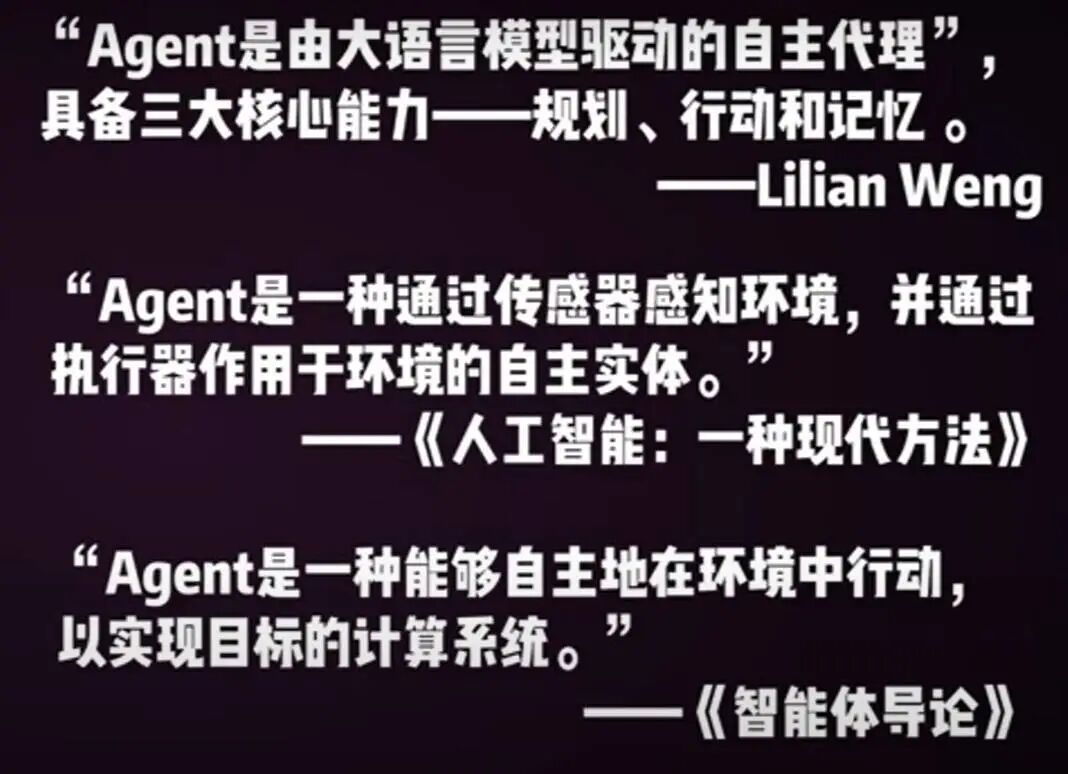
In fact, the concept of an Agent in the field of artificial intelligence has some classic definitions worth referencing. Combining these classic definitions in the image below, we can derive a more comprehensive understanding: an AI Agent is an artificial intelligence system that can perceive its environment, make independent decisions, and actively execute tasks.
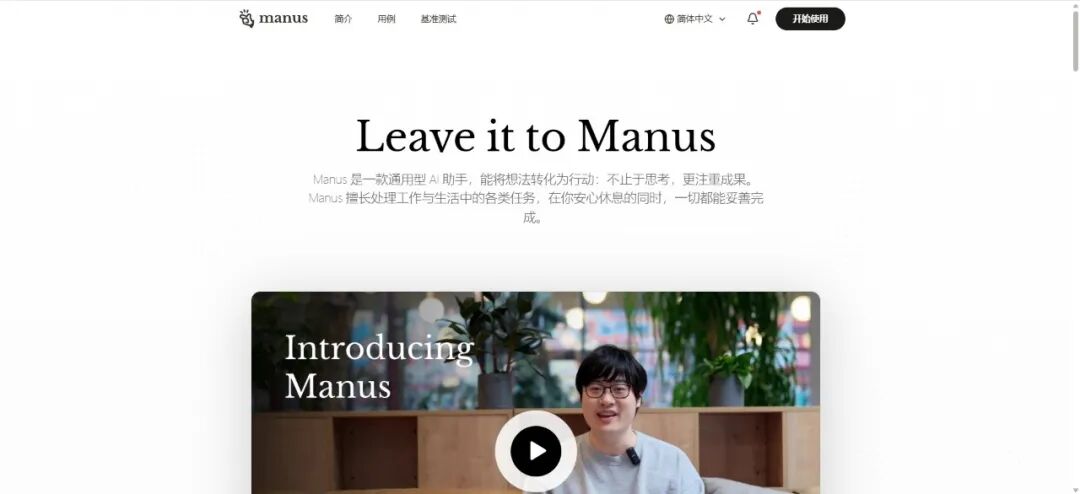
Earlier this month, a product claiming to be the world’s first general AI Agent application, Manus, emerged. This product has not yet been publicly launched and can only be accessed via invitation code, which has led to the invitation code being sold for over ten thousand yuan.
However, it didn’t take long for skepticism to arise. Many people claimed that the team did not possess strong technical capabilities, and the large model used was Anthropic’s Claude, which was criticized as a shell product with no significant barriers to entry.
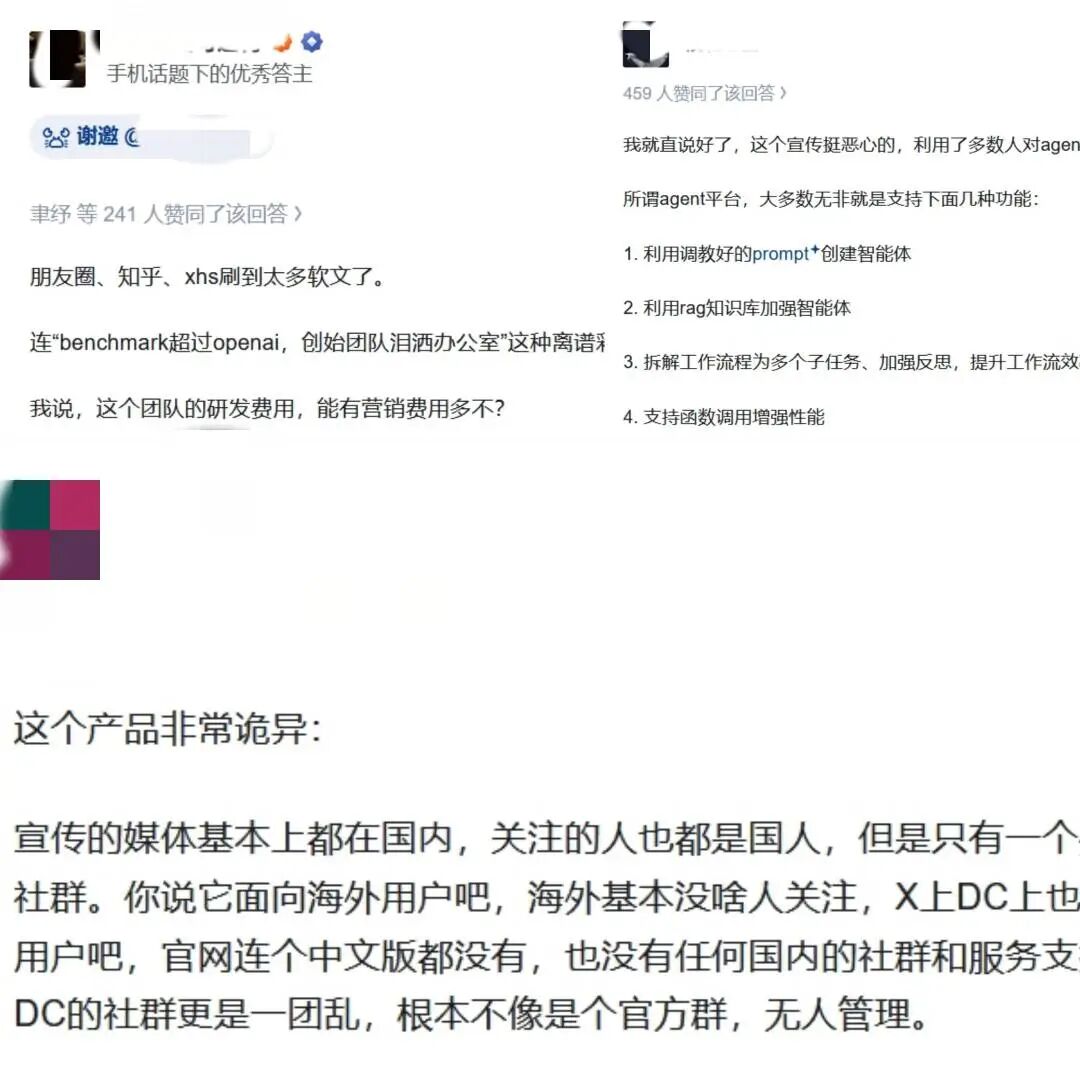
Moreover, the marketing claims made by the company, stating it is the world’s first general AI Agent, are not accurate, as such products have long been available in the international developer community. The exaggerated language used by various media has instead sparked a backlash against Manus’s aggressive marketing.
Interestingly, some investors and industry professionals remain optimistic, believing that its product has excellent interaction design and has shown the industry a glimpse of the potential explosion of AI Agent applications.

The Crisis for Programmers
In fact, since 2023, the exploration of AI Agents has never ceased. From AutoGPT and BabyAGI spawned by GPT-3.5 to experimental projects like Stanford’s Small Town and Microsoft’s Tiny Troupe, AI Agents have already yielded results in certain fields.
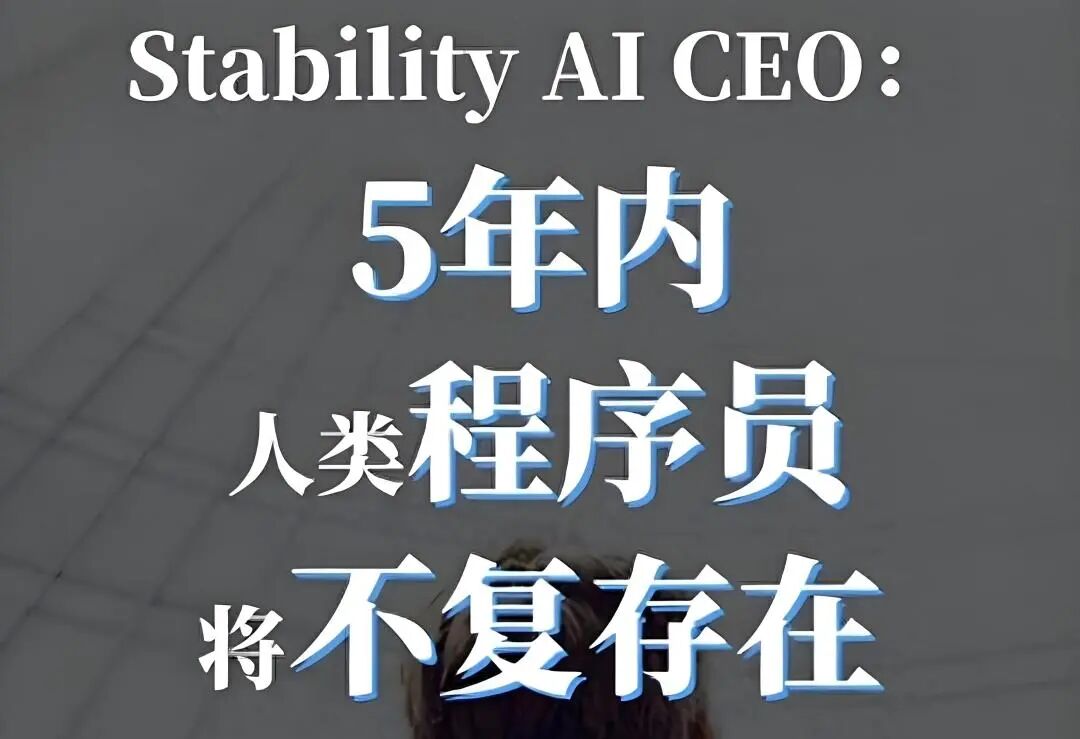
The most mature and usable application is the programming Agent. The Agent mode launched by GitHub Copilot last month has allowed programmers to reap the benefits, and programming Agents from startups are flourishing.

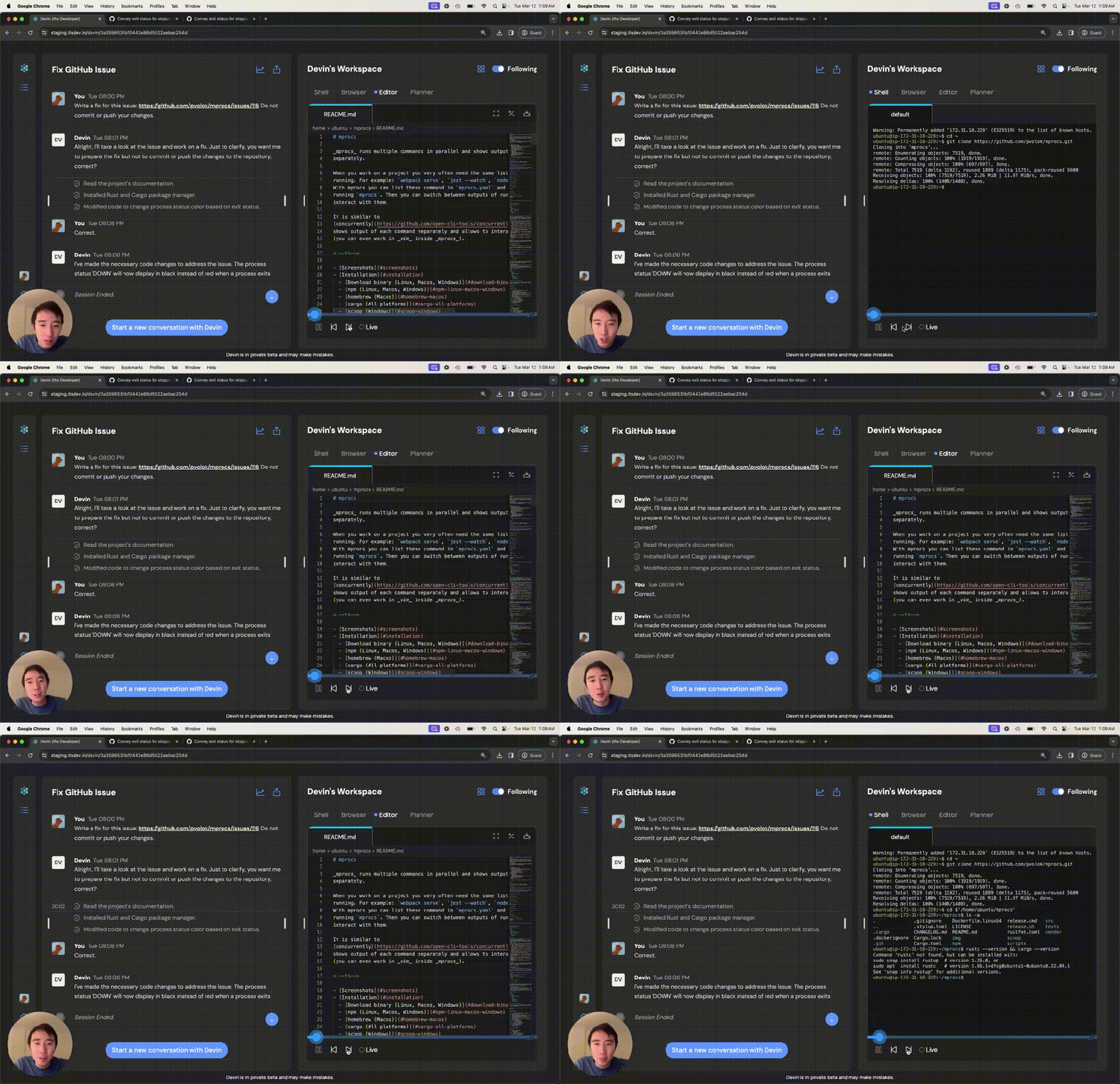
For example, Devin, claimed to be the first AI software engineer, is backed by Cognition AI, which has reached a valuation of $2 billion in less than six months since its establishment.
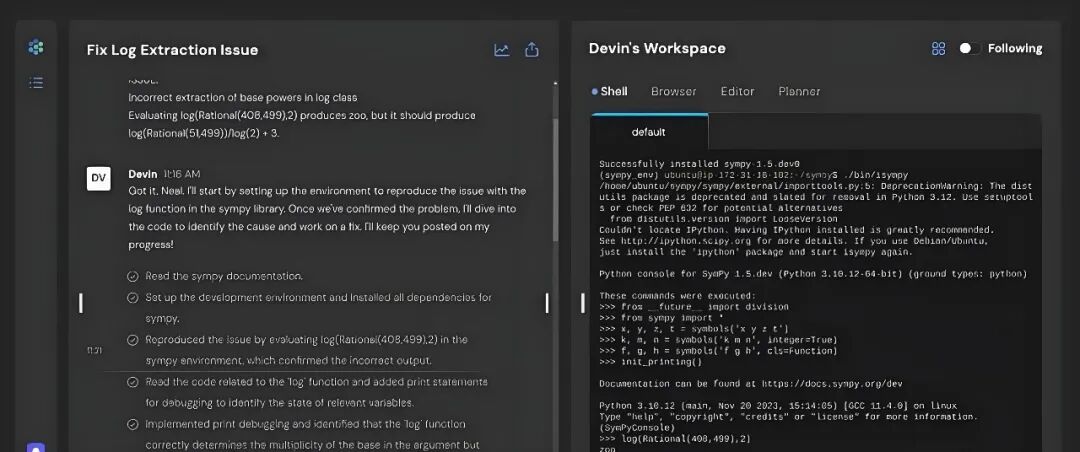
Devin claims to be able to replace junior programmers, independently read technical documents, write complete code, debug, and even directly update existing codebases. Its ambition is grand, with a subscription fee of up to $500 per month, but many programmer friends have complained that Devin’s coding is average, though it does well in research.
Cursor is another AI programming assistant that is gaining momentum, founded by four MIT undergraduates in 2022.
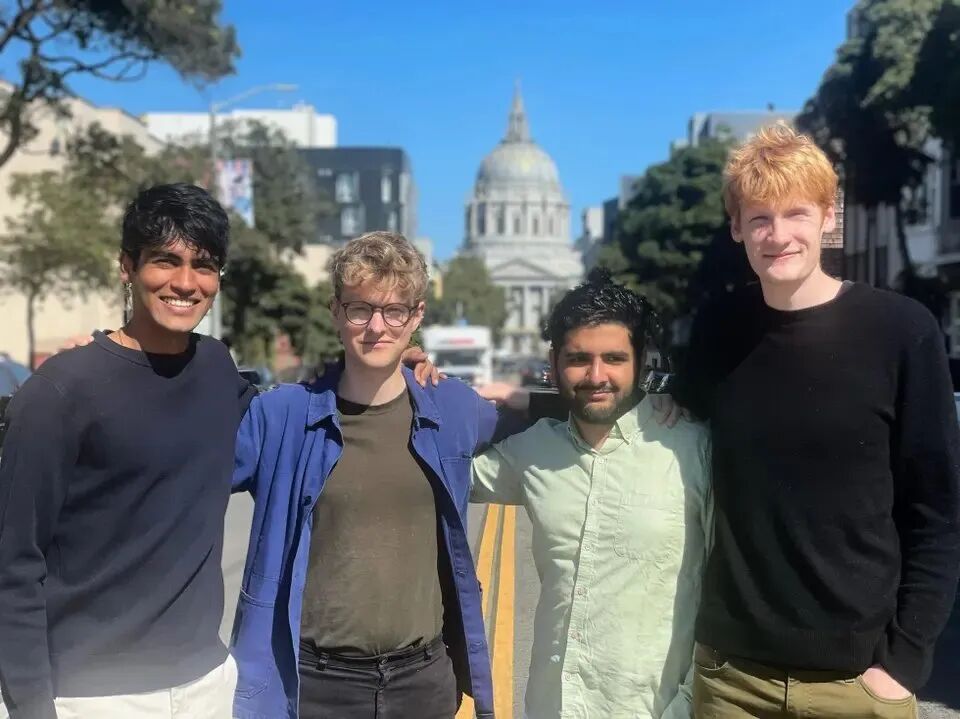
This product, launched in 2022, has quickly captured a large number of developers due to its deep understanding of codebases, smooth response speed, and affordable pricing—teams from OpenAI to Shopify and Instacart have adopted it.
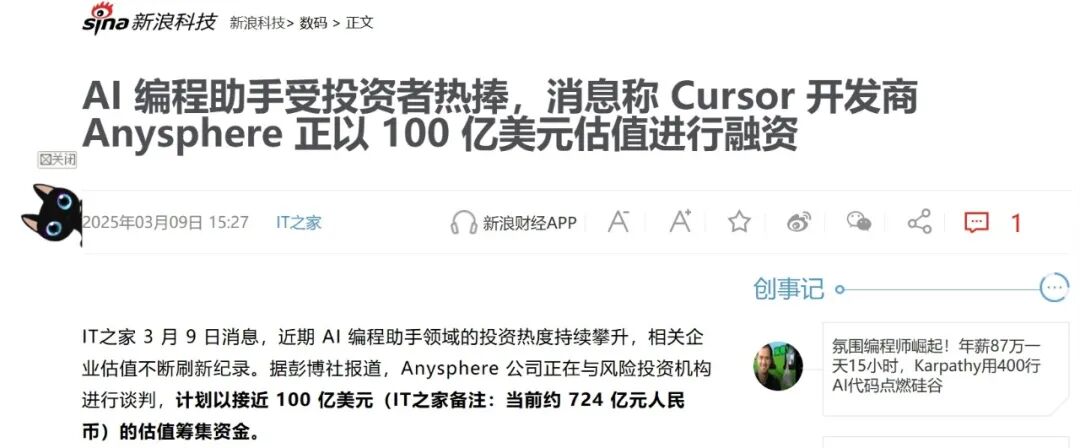
According to industry news, Anysphere, the company founded less than three years ago, has achieved an annualized revenue of $150 million and is currently pursuing new financing that could reach a valuation of $10 billion.
Meanwhile, other players in the field are not to be outdone. Replit, with 20 million developers, has launched an AI Agent that can generate complete web applications based on natural language; Codeium’s Windsurf is raising funds at a valuation of $3 billion and has secured over a thousand enterprise clients, including Dell; and ByteDance has also joined the fray with its Chinese programming assistant, Trae.
The competition among programming Agents is becoming increasingly exciting; I wonder if programmers should feel happy or worried?
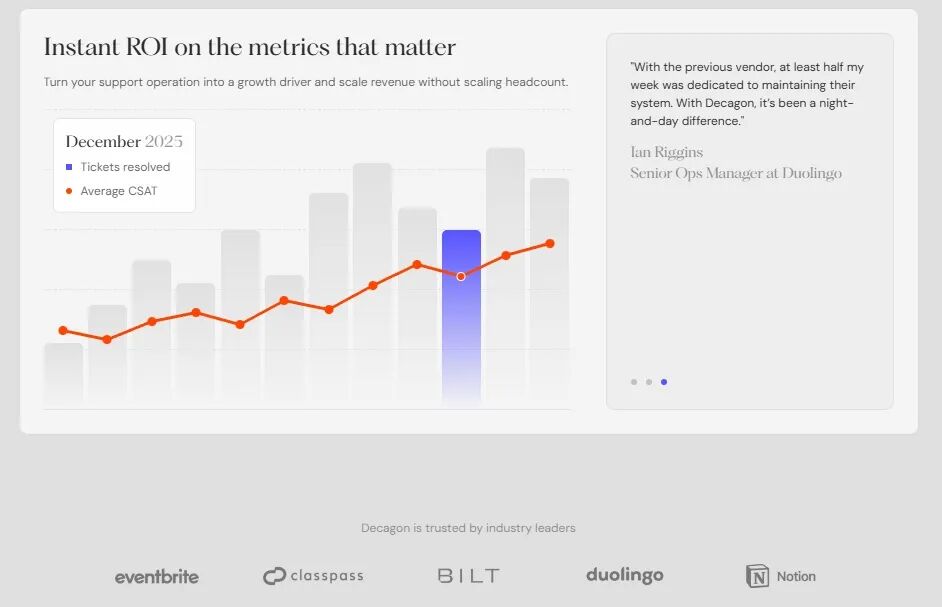
In addition, AI Agents in customer service and sales are also being adopted by many enterprises.
Decagon has emerged with a disruptive performance; this AI startup, which has raised over $100 million, can automatically handle 70% of customer service tickets, saving clients like Duolingo, Notion, and Eventbrite millions of dollars in labor costs annually.
The sales battlefield is led by the new unicorn Clay, which currently has 100,000 users utilizing its AI Agent for intelligent customer data capture, personalized interaction, and sales process automation, significantly enhancing team efficiency.
Besides the fields mentioned above, the application areas of AI Agents are continuously expanding. The industry consensus is that the combination of large models and Agent technology has supported numerous B-end commercial scenarios, with C-end MVP prototypes beginning to emerge.
However, to achieve more complex functions, breakthroughs in long-term memory and multimodal integration are still needed. Companies must also prepare for process standardization, just like enterprises did a decade ago when moving to the cloud.

The Survival Rules of the New Era
At the beginning of this year, OpenAI CEO Sam Altman tweeted, “near the singularity; unclear which side.” What does this mean?
This is derived from a famous blog, waitbutwhy, which includes an image depicting the singularity, the point where human and AI intelligence development curves intersect.
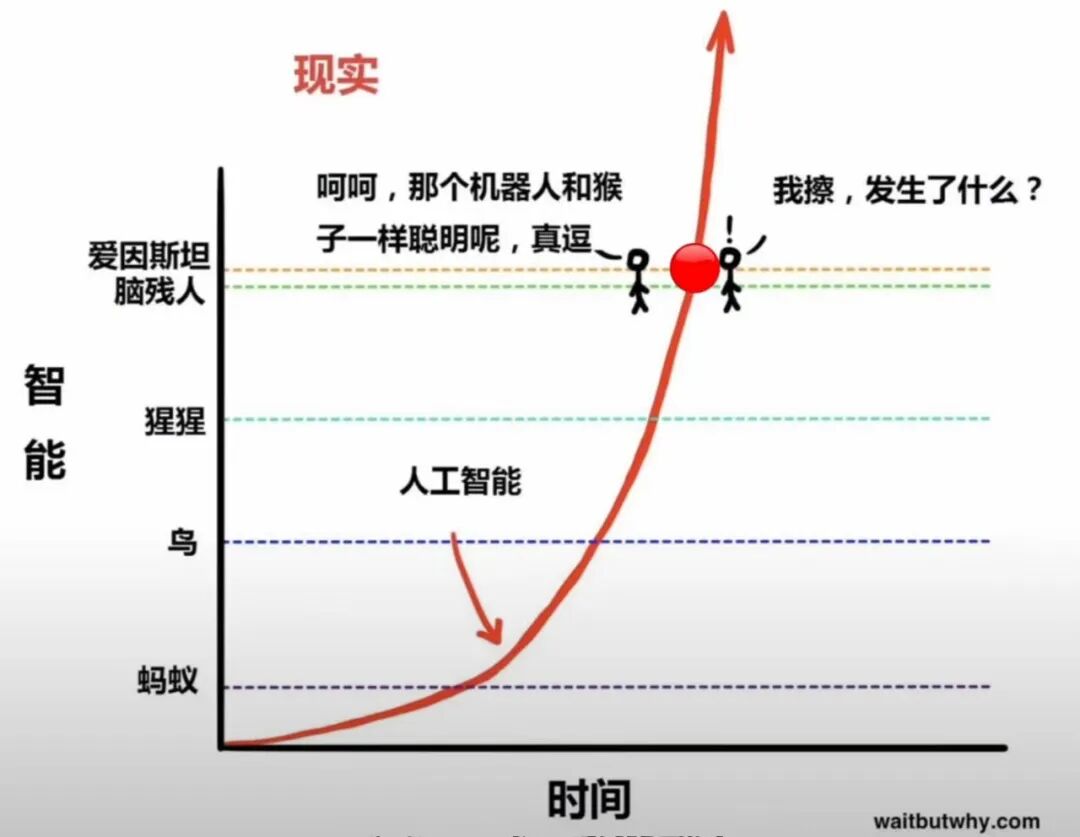
From the image, it is clear that the intelligence differences among individuals of the same species are minimal on a macro scale; for example, the gap between Einstein and someone with a low IQ is almost negligible, while the intelligence gap between different species is very pronounced. So, how long would it take for an ant’s intelligence to grow to that of a normal human?

Even assuming there is a sustained directional selection pressure over tens of thousands of years, it is unlikely that ants could reach the intelligence level of an ordinary human.
However, AI is completely different; the pace of AI advancement is accelerating.
From zero intelligence to reaching insect-level cognition, AI may take decades; but evolving from bird-level to gorilla-level intelligence might only take a few years.
When AI reaches the intelligence level of an ordinary human, it may only take a snap of the fingers, surpassing the smartest humans in our world and reaching a level we cannot comprehend.
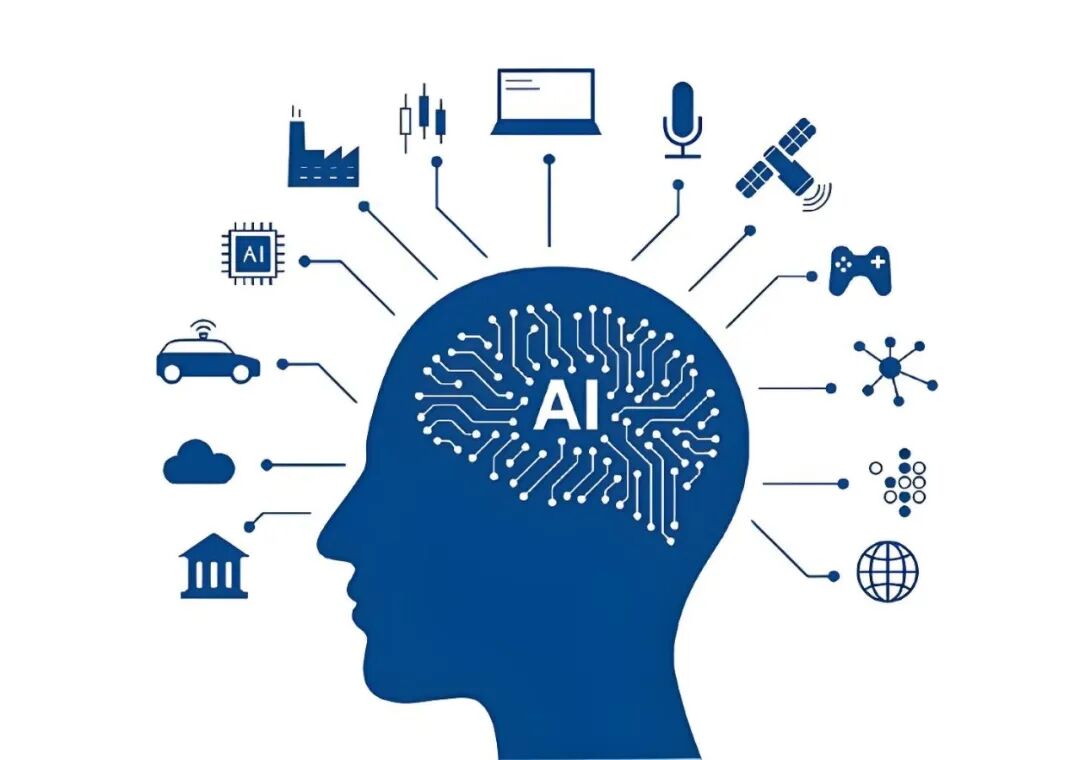
This change is already manifesting in specific fields. The CEO of Anthropic mentioned in an interview with LEX Fridman thatby around October, most code will be written by AI rather than humans.

Zhang Tao, the founder of Manus, stated in an interview with Chaos Academy thatcurrently about 40% of their code is generated by AI.
Their engineers are not worried about unemployment; instead, they are becoming increasingly adept. The reason is that the ability to identify problems and needs has become unprecedentedly important.
Zhang Tao said,if your past job was to passively accept tasks and solve problems, you may face challenges in the future. But if your job has always been to actively seek out problems and solve them, and now with AI, you can reduce the time to solve problems from 8 hours to 8 minutes, then your capabilities will be amplified.
Any technological change will bring short-term shocks, but in the long run, productivity will improve, just like the advent of the loom.
In this era, one should consider whether they are the type of person who can discover and solve problems; if so, AI will become your amplifier.
In the foreseeable future, repetitive tasks will certainly be gradually replaced; no one can rely on passivity to be carried along by the times.
Where do you think we are
on which side of the singularity?
THE END