
Bluetooth headphones, as an important category of modern consumer electronics, have their product quality significantly impacting user experience and brand reputation. A professional inspection process not only effectively prevents quality risks but is also a key step in safeguarding consumer rights.
The inspection of Bluetooth headphones must cover multiple dimensions such as appearance, functionality, and safety, ensuring that the products meet established standards and market requirements through scientific sampling and systematic testing.
01 Inspection Preparation
1. Tool Preparation
Before inspection, professional tools must be prepared, including: a ruler, caliper, gauge, barcode scanner, anti-static gloves, dust cloth, alcohol, knife, 3M 600 tape, and a smartphone with Bluetooth functionality.
2. Sampling Standards
Internationally recognized sampling standards are typically used, with fixed sampling level Level II, AQL 1.5 (major defects) and 4.0 (minor defects) for sampling inspection. For mass-produced products, sampling inspection is generally conducted after production is completed and 80% of packaging is done.
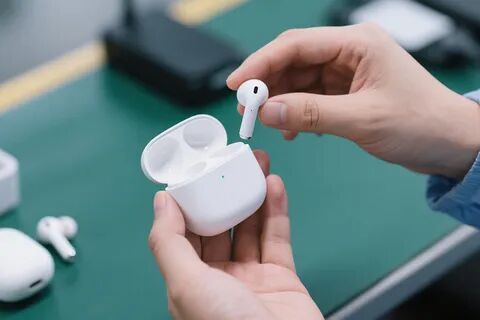
02 Inspection Standards
1. Appearance Quality Standards
Surface Quality: No scratches, poor painting, poor silk screen printing, or mold marks.
Structural Integrity: The body should be free from deformation, cracks, or damage; shell gaps should fit well without looseness.
Component Quality: Switches, control buttons, knobs, screws, etc., should be defect-free; no foreign objects inside the body.
Cleanliness: The product surface should be free from dirt, discoloration, or adhesive marks; no burrs or flash.
Accessory Appearance: Ear tips, USB charging cables, and other accessories should be intact, without deformation or damage.
2. Functional Performance Standards
Basic Function Testing
Power On/Off Test: Pressing the multifunction button for more than 4 seconds should allow normal power on/off, with no abnormalities after 5 consecutive power cycles.
Pairing Function: Holding the multifunction button should smoothly enter pairing mode and successfully pair with Bluetooth devices.
Control Function: Answering/hanging up calls, volume adjustment, and voice assistant wake-up functions should respond normally.
LED Indicator: Should indicate correctly during power on, power off, pairing, calling, and charging states.
Audio Performance Testing
Sound Quality Test: Play different types of audio (music, voice, video) to check high, mid, and low-frequency performance, ensuring no distortion or noise.
Volume Adjustment: Volume should adjust smoothly without popping sounds.
Latency Test: Test audio-visual synchronization through video or gaming, ensuring latency is within acceptable limits.
Call Quality: The microphone should pick up sound clearly, without noise or echo, and should not overheat significantly within 10 minutes of a call.
Channel Balance: Sound should be balanced between left and right ears, with no significant differences.
Connection Performance Testing
Connection Stability: After connecting to a phone, it should function normally within a 10-meter range (without obstructions).
Multi-Device Switching: Headphones supporting multi-device functionality should switch smoothly without connection interruptions.
Interference Resistance: Should operate without significant interference in environments with wireless signals like Wi-Fi.
Battery and Charging Testing
Charging Function: Should charge normally using the provided charger, with the indicator light showing correctly, and the body should not overheat.
Charging Time: Should be fully charged after reaching the specified charging time.
Battery Level Display: Should correctly display remaining battery on the connected device.
Battery Voltage: Test battery voltage, which should not be lower than the data specified in the manual.
3. Safety Standards
Comply with GB/T 14471 “Safety Requirements for Audio, Video and Similar Electronic Equipment”
Comply with IEC 62368-1 international safety standard for audio and video equipment
No sharp points or edges that could cause injury to the human body
Internal Workmanship: Ground connections should be reliable, power lines should be effectively secured, with no cold soldering or poor solder joints
4. Packaging Standards
Packaging should be intact without damage, and printing should be correct without errors
Packaging dimensions should match packaging guidelines
Drop Test: Conduct 10 drop tests according to ISTA 1A standards without fatal issues
Barcode scanning should be correct, with no errors or defects
Nameplate Friction Test: After wiping with a wet cloth for 15 seconds, the text should still be clear and readable
5. Accessory Inspection
All accessories should be complete without missing items (charging cable, ear tips, manual, etc.)
Accessory appearance should be intact, without deformation or damage
Accessories should match the product and function normally
The manual should be complete, with clear printing and no damage
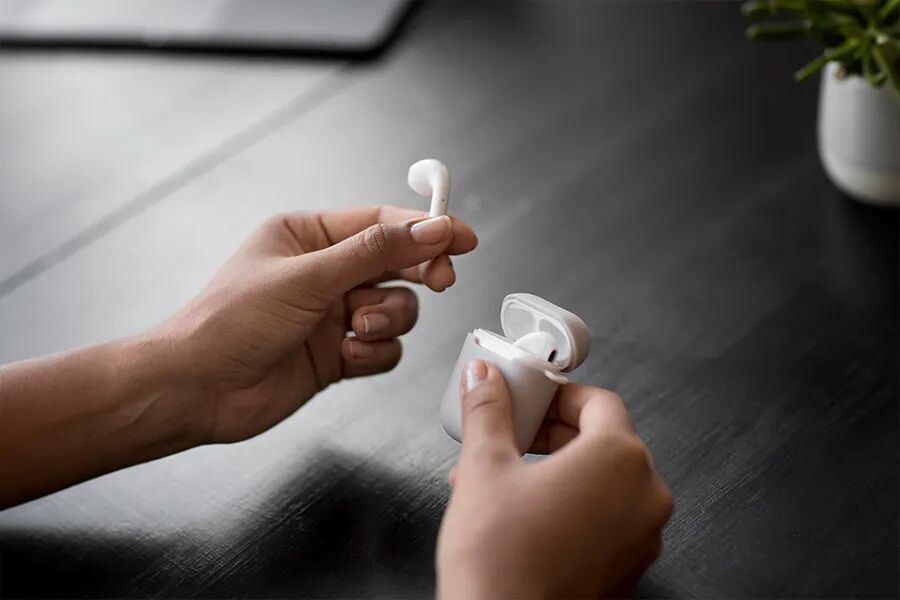
03 Inspection Process
1. Sampling Stage
Samples should be drawn from bulk products according to AQL Level II sampling standards, ensuring that the samples are representative.
2. Appearance Inspection
Inspect product appearance under standard lighting conditions
Measure product dimensions and weight, comparing with required specifications
Check shell gaps, coating quality, and button status
Record appearance defects and their levels
3. Functional Testing Stage
Conduct power on/off tests (at least 5 times)
Test Bluetooth pairing and connection stability
Comprehensively verify all functions (volume adjustment, calls, etc.)
Check LED indicator response status
4. Performance Testing Stage
Test connection distance and anti-interference capability
Conduct battery charging and endurance tests
Test microphone call quality
5. Safety Check
Check product safety certification marks
Verify internal workmanship quality (if applicable)
Check for sharp edges and potential safety hazards
6. Packaging and Accessory Inspection
Verify packaging integrity and printing quality
Check the completeness and applicability of all accessories
Conduct necessary packaging drop tests
7. Inspection Report Generation
Record all test data and observations
Classify defects into categories (fatal, serious, general)
Comprehensively assess whether the product is qualified
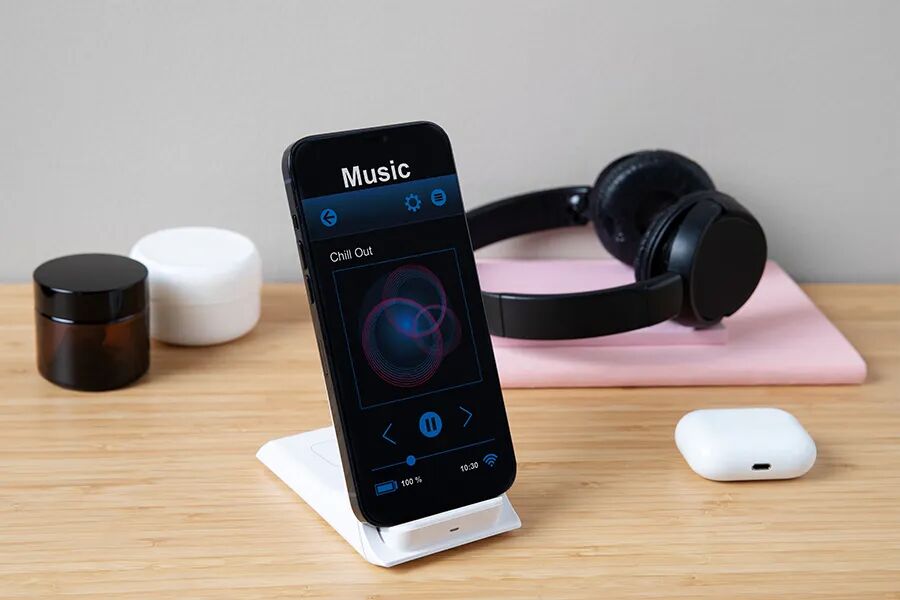
Third-party inspection of Bluetooth headphones is a key step in ensuring product quality, requiring strict adherence to established standards and processes, covering appearance, functionality, safety, and packaging for comprehensive testing.
Through professional inspections, quality risks can be effectively reduced, consumer rights safeguarded, and brand reputation enhanced. Attention to detail, objective recording, and scientific assessment during the inspection process provide a basis for product improvement and quality enhancement.