 Trends in Robotics Education
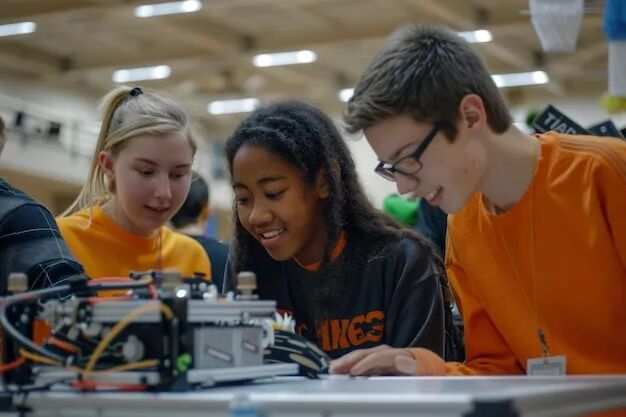
Robotics education has become an important development direction in the current education field, mainly presenting the following six major trends:
Transition from Primary to Secondary School: Robotics education is gradually becoming a bonus point for students transitioning from primary to secondary school.
High School Entrance Exams: Robotics-related subjects are starting to enter the evaluation system for high school entrance exams.
Hot Topic in Education: Robotics education has become a hot topic in educational reform.
Independent Admissions in Higher Education: More and more universities are including robotics competitions as part of their independent admissions criteria.
High-Paying Jobs: Graduates from robotics-related majors have broad employment prospects.
Popularization of Education: Robotics education is shifting from elite education to mass education.
 Development of Learning Abilities
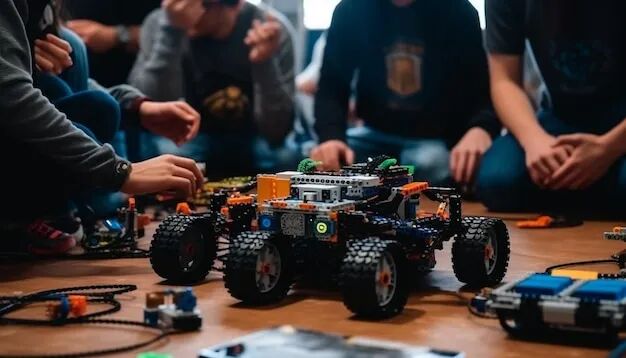
Through robotics education, students can cultivate the following key learning abilities:
Classification and Organization Skills: Systematic handling of complex problems.
Sharp Observation Skills: Discovering details and patterns.
Patience and Focus: Qualities needed to complete complex projects.
Imagination and Creativity: The foundation for designing innovative solutions.
 Interdisciplinary Knowledge Integration
Robotics education involves the integration of knowledge from multiple disciplines:
Computer Programming Logic and Tools: Core skill development.
Mathematical Logic: The foundation for algorithms and problem-solving.
Mechanical and Structural Engineering: Key to physical implementation.
Physics Knowledge: Understanding working principles and scientific concepts.
Literature, Arts, and Humanities: Enhancing the aesthetic and humanistic value of design.
 Training in Programming Thinking
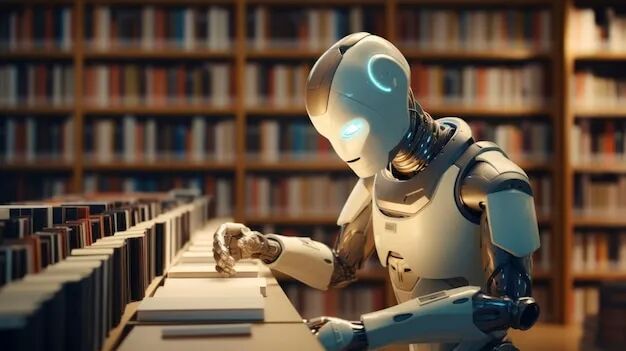
Robotics education particularly emphasizes the cultivation of the following programming thinking styles:
Logical and Systematic Thinking: Rigorous programming habits.
Strengthening Logical Thinking Ability: Systematic methods for problem-solving.
Diversity and Scientific Nature of Problem Solving: Analyzing problems from multiple perspectives.
 Emotional and Emotional Intelligence Development
Robotics education also has a significant impact on students’ emotional development and emotional intelligence cultivation:
Curiosity: The driving force for exploring the unknown.
Desire to Explore: The driving force for continuous learning.
Engagement and Focus: Essential qualities for completing complex projects.
Communication Skills: The foundation for teamwork.
Competition and Cooperation: Important skills in modern society.
Resilience and Stress Management: Psychological qualities for facing challenges.
 Hands-On Practical Skills
Robotics education places particular emphasis on the cultivation of hands-on skills:
Cognitive Development: Promoting cognitive development through practice.
Hand-Eye Coordination: The combination of fine motor skills and thinking.
Spatial Logic: The ability to imagine and construct in three-dimensional space.