Article Information
First Authors: Han Jianrong, Liu Changqian, Chen Zhiyuan
Corresponding Authors: Professor Zuo Zhenghong, Professor He Chengyong
Affiliation: Xiamen University
https://doi.org/10.1016/j.envint.2025.109780
Highlights
• Previous studies on the toxicity of polychlorinated biphenyls (PCBs) primarily focused on high-dose acute exposure, which cannot simulate the actual exposure duration and methods in humans, presenting significant limitations. This study simulates environmental-level PCB138 exposure in mice through oral administration for 48 weeks to explore the toxicity and mechanisms of long-term oral exposure to PCB138 on the liver.
• We found that 2,2′,4,4′,5,5′-hexachlorobiphenyl (PCB138) may promote metabolic-associated fatty liver disease (MAFLD) by upregulating glycodeoxycholic acid (GDCA) levels in the liver, activating the SREBP1/FASN pathway, which plays an important role in the enterohepatic circulation.
• This study found that Theabrownin (TB) administered for 8 weeks has a significant rescue effect on PCB138-induced MAFLD, combined with its natural antioxidant and lipid-lowering properties, providing new intervention strategies and ideas for metabolic damage caused by environmental pollutants.
Research Progress
MAFLD is a chronic liver disease closely related to lipid metabolism disorders and has become a significant public health challenge globally. The environmental pollutant 2,2′,4,4′,5,5′-hexachlorobiphenyl (PCB138) is a persistent organic pollutant that poses a potential threat to liver health due to its environmental persistence and bioaccumulation. However, the long-term effects of environmental doses of PCB138 on the liver remain unclear. TB is a natural component extracted from black tea, known for its lipid-lowering and antioxidant effects, but its intervention effect on PCB138-induced liver injury has not been established. Therefore, this study aims to investigate the liver damage and mechanisms caused by long-term exposure to environmental doses of PCB138 in mice and evaluate the intervention effect of TB.
This study used male C57BL/6J mice aged 3-4 weeks, exposed to environmental-level PCB138 (100 μg/kg) through oral administration every other day for 48 weeks, followed by daily administration of 225 mg/kg TB for 8 weeks before sampling.
The results showed that the residual amount of PCB138 in the liver of exposed mice was 3524.5 ng/g, leading to significant increases in liver-to-body weight ratio and serum liver function indicators, with obvious lipid accumulation in the liver and significantly elevated triglyceride and total cholesterol levels. These findings indicate that long-term exposure to environmental-level PCB138 induces MAFLD in mice. TB intervention showed a certain rescue effect (Figure 1).
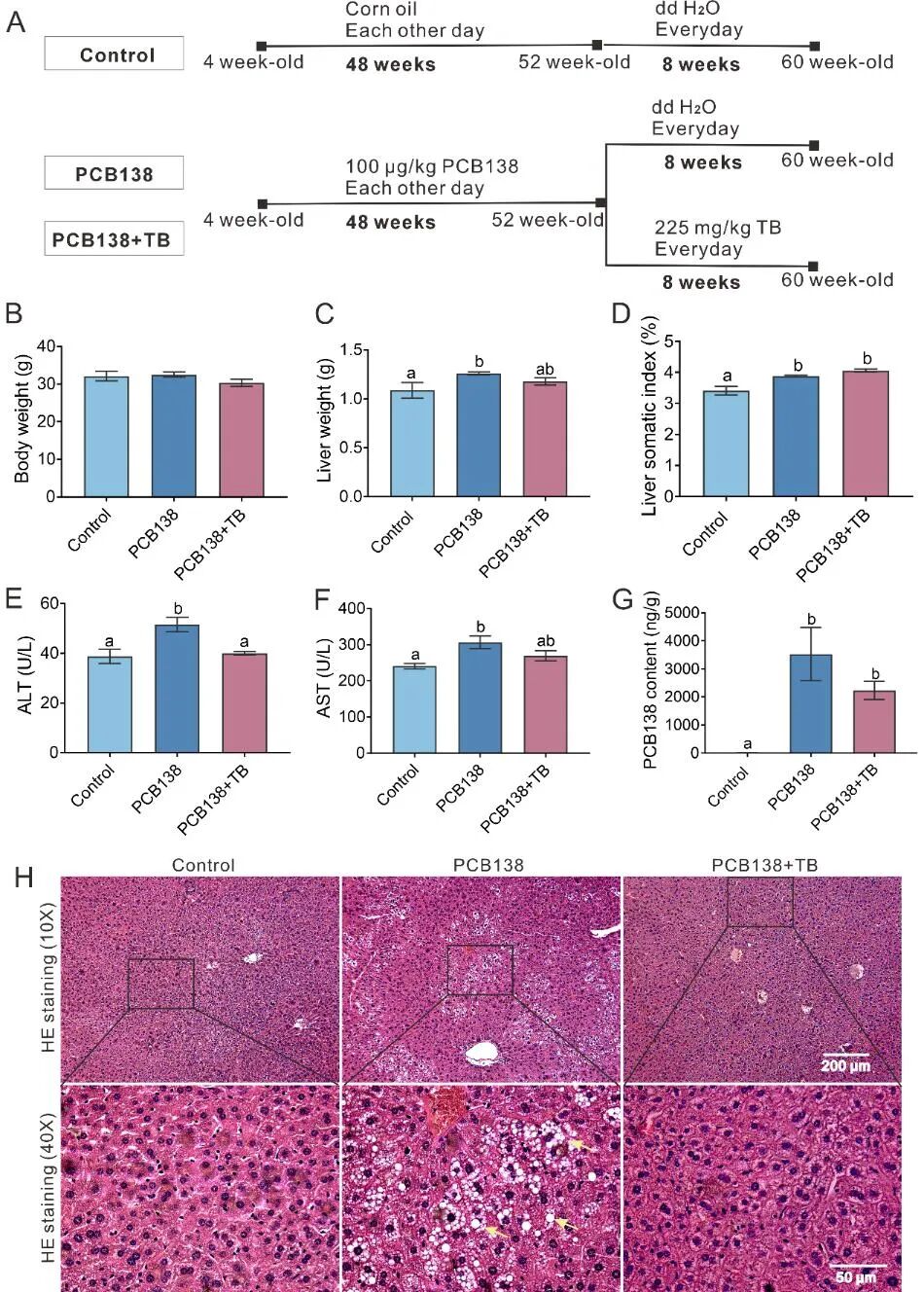
Figure 1. Effects of 48 weeks of PCB138 exposure on mouse liver. A. Timeline of PCB138 exposure and subsequent TB treatment; B. Body weight before sampling; C. Final liver weight; D. Liver-to-body weight ratio; E. Serum ALT levels; F. Serum AST levels; G. Residual PCB138 levels in the liver; H. Hematoxylin-eosin staining of liver tissue sections.
Next, experiments demonstrated that the liver of mice exposed to PCB138 exhibited vacuolation, indicating lipid accumulation. Oil Red O staining confirmed that TB treatment significantly reduced lipid deposition (Figure 2A), while TG/TC levels significantly decreased in the combined treatment group (Figure 2B-C). Molecular mechanism studies showed that PCB138 upregulated the expression of the key fatty acid synthesis gene Fasn, while TB intervention reduced FASN protein levels and restored the expression of the lipolysis gene Cpt1a (Figure 2D-F). The results indicate that TB effectively improves PCB138-induced MAFLD by regulating lipid metabolism pathways.
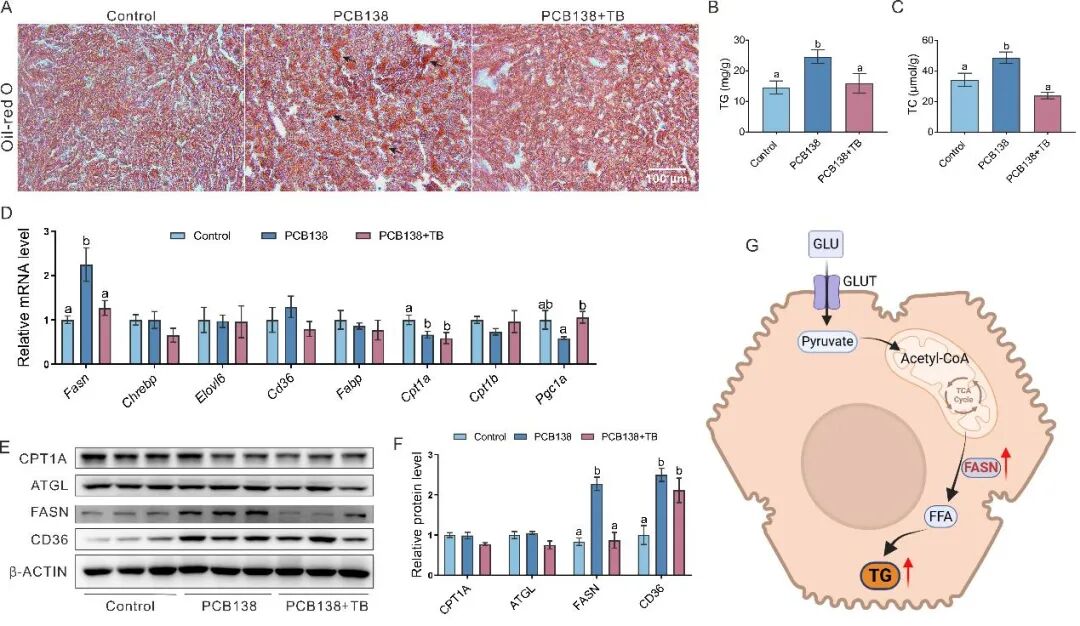
Figure 2. TB intervention improves liver lipid synthesis in mice induced by PCB138. A. Oil Red O staining of mouse liver; B. Liver TG content; C. Liver TC levels; D. Transcription levels of liver lipid synthesis and degradation-related genes; E. Western blotting of liver lipid metabolism-related pathway proteins; F. Semi-quantitative analysis of protein bands in Figure E; G. Potential mechanisms of TG synthesis in liver cells induced by PCB138.
Furthermore, the team found that long-term PCB138 exposure significantly reduced the height of intestinal villi and the depth of crypts, damaging the intestinal structure. Immunofluorescence showed a decrease in the expression of tight junction protein ZO-1, indicating a disruption of intestinal barrier function. TB intervention effectively reversed these pathological changes and repaired the intestinal mechanical barrier. The results indicate that TB can alleviate the intestinal toxicity of PCB138 by improving the integrity of the intestinal structure.
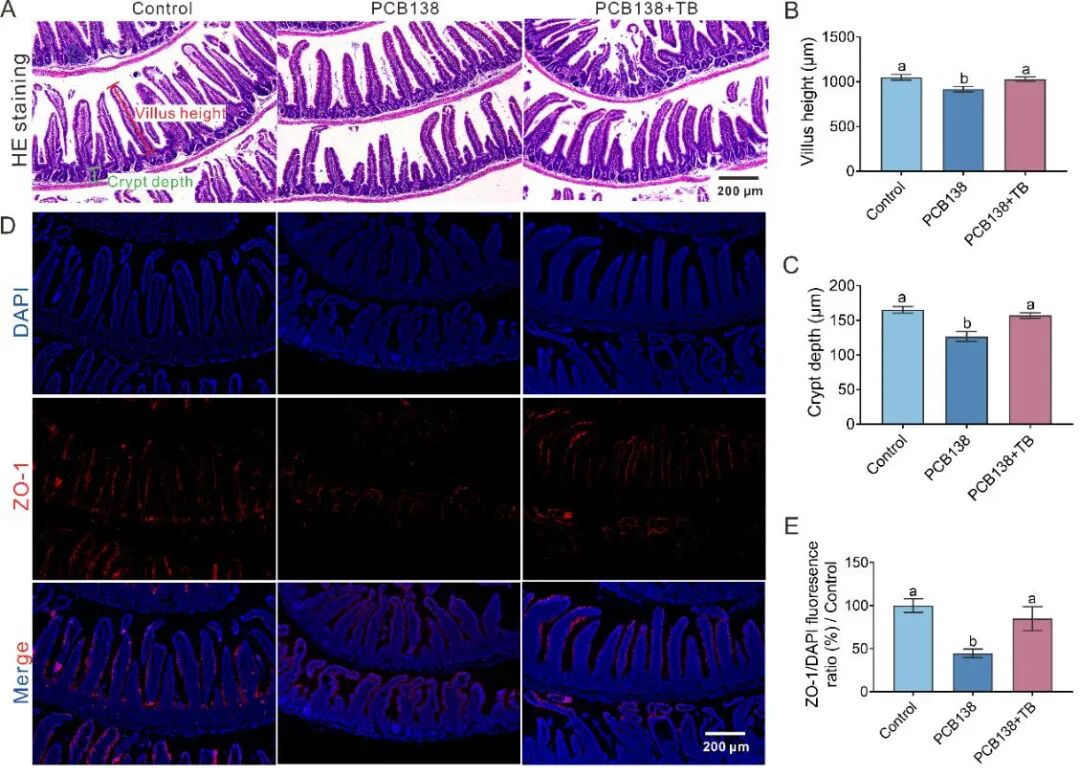
Figure 3. The intervention effect of TB on intestinal damage induced by PCB138 in mice. A. Hematoxylin-eosin staining of mouse intestinal tissue; B. Semi-quantitative analysis of villus height in Figure 3A; C. Semi-quantitative analysis of crypt depth in Figure 3A; D. Immunofluorescence staining of ZO-1 in the intestine; E. Semi-quantitative analysis of ZO-1 fluorescence intensity in Figure 3D.
Next, the team conducted intestinal metabolomics analysis and found that long-term PCB138 exposure significantly increased the Firmicutes/Bacteroidetes ratio (F/B ratio), leading to dysbiosis of the gut microbiota. In the PCB138 group, Mucispirillum schaedleri (inflammatory-related bacteria) and Desulfovibrio (pathogenic bacteria) significantly increased, while TB intervention effectively reduced the abundance of these harmful bacteria. The results indicate that TB can alleviate the gut microbiota disruption induced by PCB138 by regulating microbial balance.
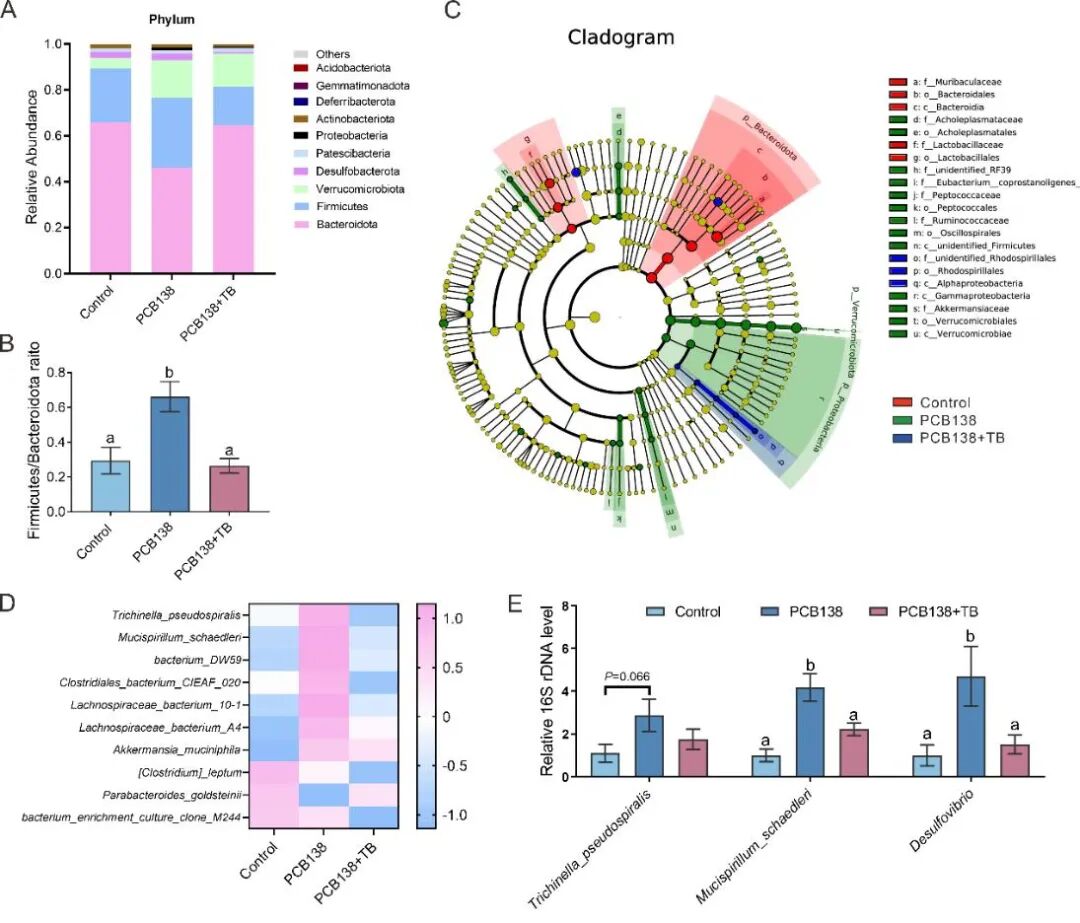
Figure 4. The impact of PCB138 on gut microbiota and the intervention effect of TB. A. Relative abundance of the top ten phyla; B. Firmicutes/Bacteroidetes ratio; C. LEfSe analysis of differential bacteria among the three groups; D. Comparison of differential species among groups; E. Abundance of specific species measured by RT-qPCR.
Since bile acids play a key role in lipid metabolism and changes in gut microbiota abundance, the research team detected bile acid levels and found that PCB138 exposure significantly increased the levels of secondary bile acids (such as LCA, TDCA, GDCA, TLCA) in the liver, disrupting bile acid homeostasis. TB intervention effectively reduced the levels of primary bile acids (such as lithocholic acid) and various secondary bile acids, especially GDCA.
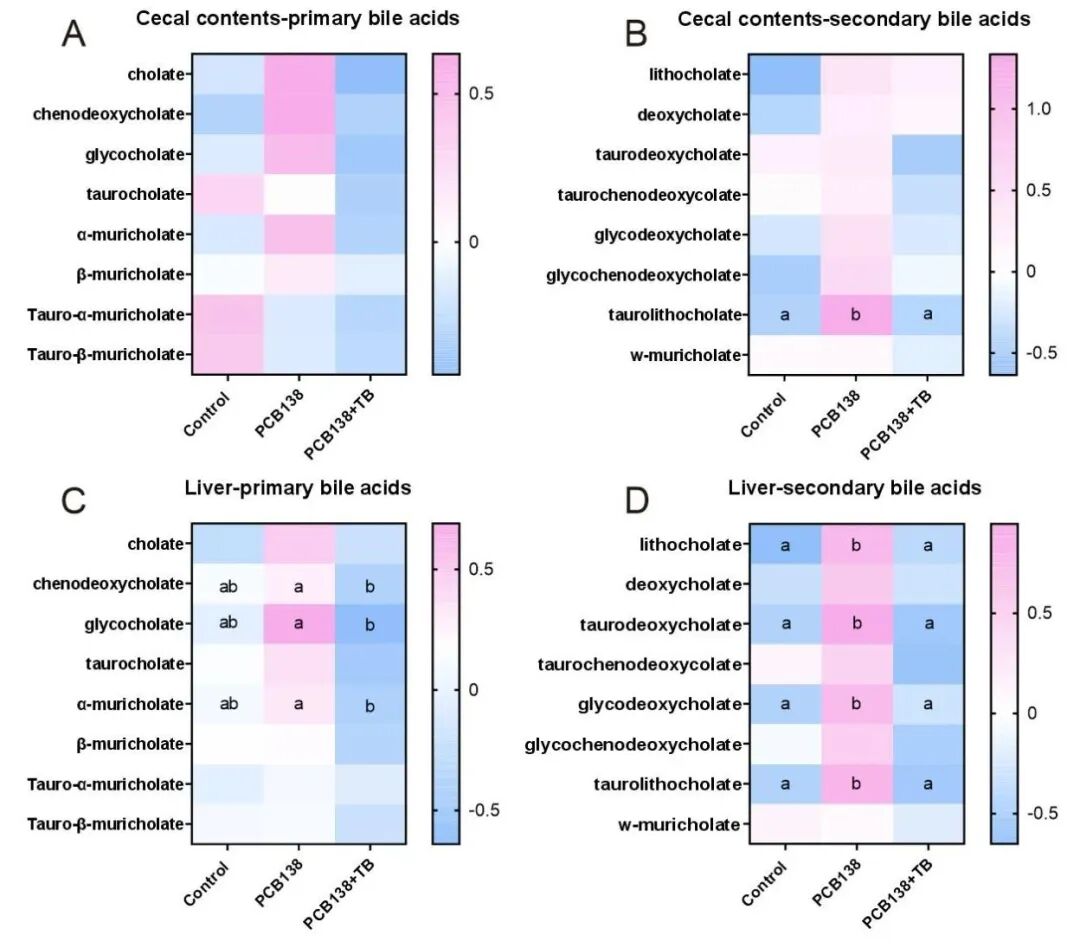
Figure 5. Effects of long-term exposure to PCB138 on bile acid levels in cecal contents and liver and the intervention effect of TB. (A) Levels of primary bile acids in cecal contents; (B) Levels of secondary bile acids in cecal contents; (C) Levels of primary bile acids in the liver; (D) Levels of secondary bile acids in the liver.
The study found that the secondary bile acid GDCA can significantly induce lipid accumulation in AML12 cells, leading to an increase in lipid droplets and triglyceride levels. Mechanistic studies showed that GDCA activates the SREBP1/FASN fatty acid synthesis pathway while inhibiting ATGL lipase expression, resulting in a dual regulation that leads to lipid metabolism disorders. This result verifies the key role of GDCA in PCB138-induced MAFLD at the cellular level.
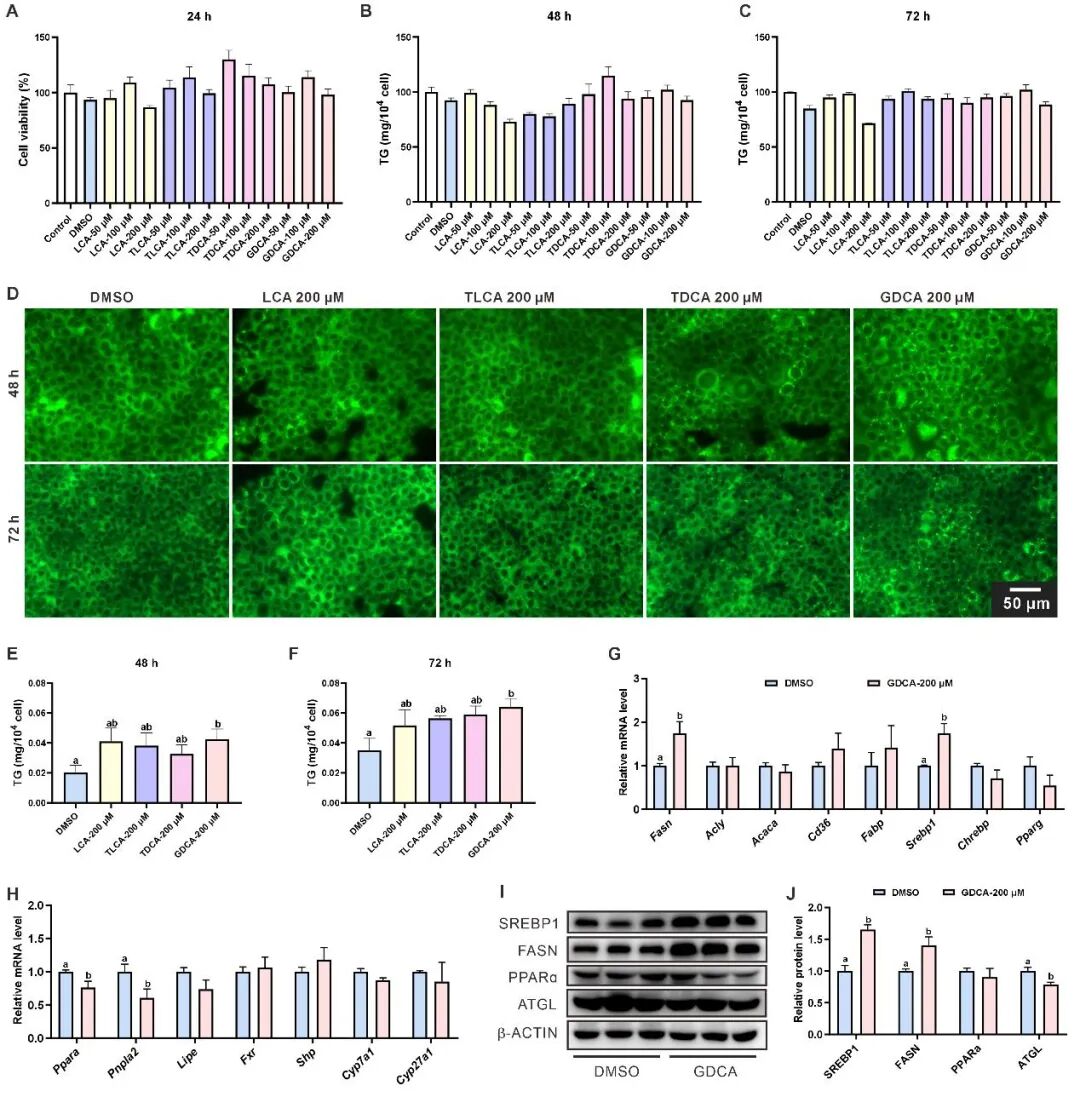
Figure 6. Effects of LCA, TLCA, TDCA, and GDCA on lipid synthesis, transport, and degradation in AML12 cells. (A) Cell viability of AML12 cells treated with gradient concentrations (50, 100, 200 µM) of LCA, TLCA, TDCA, or GDCA after 24 hours; (B) Cell viability after 48 hours of treatment; (C) Cell viability after 72 hours of treatment; (D) BODIPY staining of lipid droplets in AML12 cells after 48 hours and 72 hours of treatment with 200 µM bile acids; (E) TG content of cells after 48 hours of treatment; (F) TG content of cells after 72 hours of treatment; (G) Transcription levels of lipid synthesis and storage-related genes after 72 hours of treatment with 200 µM GDCA; (H) Transcription levels of lipid degradation-related genes after the same treatment; (I) Western blot analysis of proteins in GDCA-treated cells; (J) Semi-quantitative analysis of protein expression levels.
In summary, long-term exposure to environmental doses of PCB138 induces metabolic fatty liver through the gut-liver axis: it not only leads to liver enlargement, elevated transaminases, and lipid accumulation but also disrupts intestinal barrier and microbial balance. The core mechanism is the activation of the SREBP1/FASN fatty acid synthesis pathway by GDCA. The active component TB from tea can bi-directionally regulate—repairing intestinal damage while reducing liver secondary bile acid levels, significantly improving lipid metabolism disorders. This study provides new directions for the prevention and treatment of MAFLD.
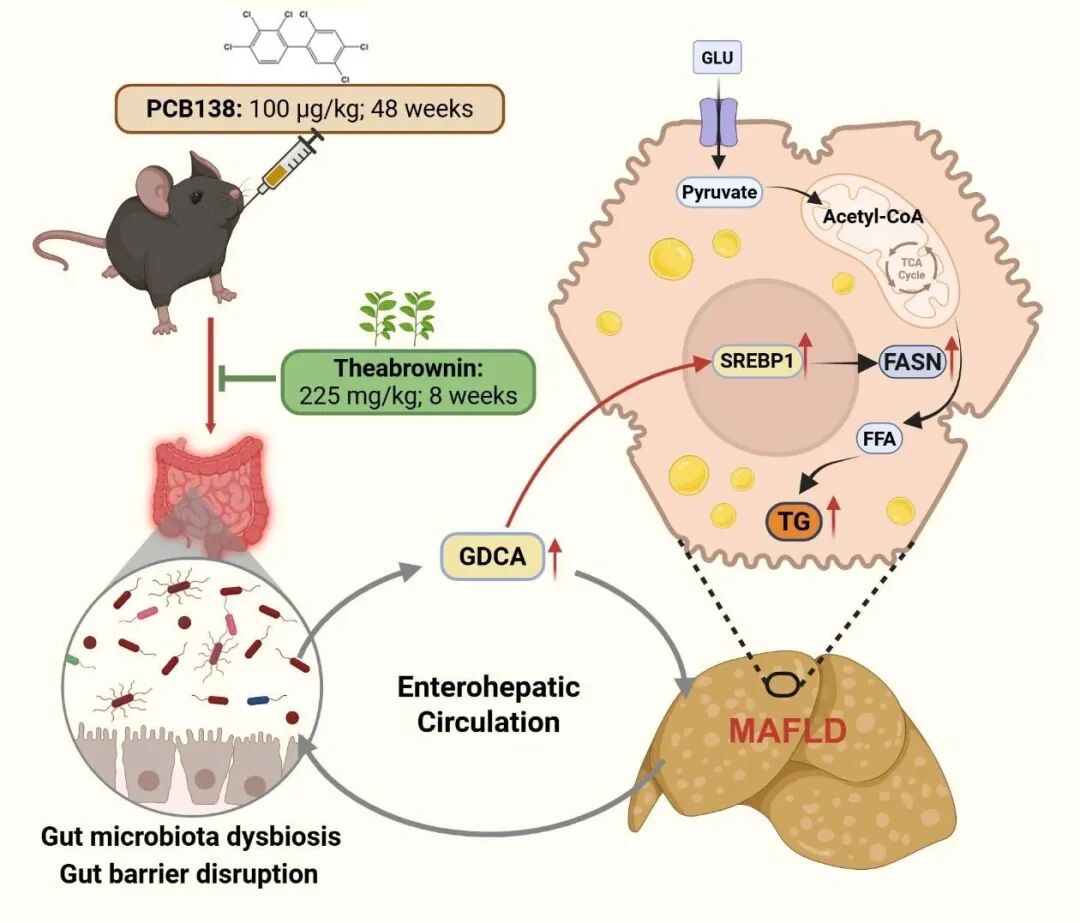
Figure 7. Mechanism of MAFLD induced by long-term exposure to PCB138 and the protective effect of TB.
This research was mainly conducted by Han Jianrong, a master’s graduate of Xiamen University in 2025, Liu Changqian, a master’s graduate of 2024, and Chen Zhiyuan, a doctoral student. Professors Zuo Zhenghong and He Chengyong from the School of Life Sciences at Xiamen University are the corresponding authors of this article. Graduate students Xue Fanzheng, Ye Lingxiao, and postdoctoral researcher Ruan Fengkai also participated in this research. This study was funded by the National Natural Science Foundation, the Fujian Provincial Natural Science Foundation, and the Xiamen Municipal Natural Science Foundation.
Author Introduction

Han Jianrong, a master’s graduate of Xiamen University in 2025, mainly studies the toxicity and mechanisms of persistent organic pollutants on the liver. During his master’s period, he received the National Scholarship and published two articles as the first author in Environ Int and J Environ Sci.

Liu Changqian, a master’s graduate of Xiamen University in 2024, is currently pursuing a doctoral degree at the School of Basic Medical Sciences, Fudan University, focusing on the nephrotoxic effects and mechanisms of persistent organic pollutants. During his master’s period, he received the National Scholarship and published four articles as the first author or co-first author in journals such as Environ Int, Sci Total Environ, Environ Pollut, Ecotoxicol Environ Saf.

Chen Zhiyuan, who graduated with a bachelor’s degree from Xiamen University in 2025, is currently a doctoral student in the School of Life Sciences at Xiamen University. During his undergraduate period, he received the National Scholarship and several honors as an outstanding graduate, and published one article as a co-first author in Environ Int.

He Chengyong, a professor and doctoral supervisor at the School of Life Sciences, Xiamen University, is a recipient of the Fujian Provincial Outstanding Youth Fund and a high-level talent in Fujian Province, engaged in research on metabolic diseases and toxicology. In the past five years, he has published over 30 SCI papers as the first or corresponding author (including co-authors) in journals such as Adv Sci, Nano Today, Small, EHP, EST, EI, Theranostics. He has led over 30 research projects, including five from the National Natural Science Foundation. He serves as a youth editorial board member for The Innovation. He has received several academic honors, including the Excellent Young Scientist Award from the Chinese Society of Toxicology, the Second Prize of the Hainan Provincial Natural Science Award, and the Second Prize of the Fujian Provincial Excellent Academic Paper Award.
Correspondence Email: [email protected]

Zuo Zhenghong, a professor and doctoral supervisor at the School of Life Sciences, Xiamen University, is the secretary of the Party Committee of Xiamen University Affiliated Xiang’an Hospital and a member of the Teaching Guidance Committee for Biology Courses of the Ministry of Education. He conducts research on environmental medicine and molecular toxicology, focusing on the associations and toxic mechanisms of persistent pollutants and emerging pollutants with significant human diseases (such as diabetes, neonatal birth defects, cardiovascular diseases, neurodegenerative diseases, polycystic ovary syndrome, and kidney diseases). He has led over 30 research projects, including five from the National Natural Science Foundation. He has published over 160 SCI papers in important journals such as Adv Sci, EHP, Nano Today, Small, EST, EI, JHM, Toxicol Sci. His papers have been cited over 4400 times, with an H-index of 39. He has received the Second Prize of the National Science and Technology Progress Award, the First Prize of the Shanghai Science and Technology Progress Award, the Second Prize of the Hainan Provincial Natural Science Award, the Excellent Teacher Award from the Ministry of Education, and two Second Prizes for National Teaching Achievements.
Correspondence Email: [email protected]
For submissions, reprints, and collaborations, please leave a message in the background (note: WeChat ID) or email to [email protected]
[Click the hyperlink below to read 16 column articles]
| 1.[Live] | 9.[Academician] |
| 2.[Video] | 10.[Review] |
| 3.[Health & Toxicology] | 11.[Writing] |
| 4.[Water] | 12.[Nature] |
| 5.[Air] | 13.[Science] |
| 6.[Soil] | 14.[WR] |
| 7.[Solid Waste] | 15.[EST] |
| 8.[Ecology] | 16.[JHM] |