Click the blue “Radar Journal” to follow

Technical Background and Significance
In radar training, teaching, and scientific research, practical radar equipment is often constrained by factors such as high costs, wear and tear, large size, and electromagnetic radiation control, making it difficult to conduct experiments based on real installations. Moreover, using real radar is limited by the setup environment, making it hard to obtain detection echoes from complex situations and to construct a comprehensive environment for discovering, tracking, and identifying targets. Therefore, establishing a radar simulation platform has become an effective means.
Many institutions at home and abroad have conducted related research and achieved certain results: for example, the German company SkyRadar has launched a radar training system; universities such as the National University of Defense Technology, Air Force Engineering University, Beijing Institute of Technology, and Xi’an University of Electronic Science and Technology have developed radar teaching experiment systems tailored to frontline teaching needs and research project requirements. However, radar experimental supporting equipment systems are still relatively lacking. Although many universities have launched various experimental course platforms, most are self-serving with many customized requirements. Some companies have also launched products aimed at the RF end, but the accompanying instruments (spectrum analyzers, frequency sweepers, etc.) are expensive, making mass deployment difficult, and there is an issue of focusing heavily on the radar front end while neglecting the radar terminal. The radar terminal is an important component of radar, responsible for acquiring raw radar video, signal and data processing, comprehensive display of primary and secondary information, machine status monitoring, and external information interaction. Most user operations need to be conducted through the radar terminal. However, since radar terminals involve signal processing, data processing, comprehensive display control, etc., the code base can easily reach hundreds of thousands of lines, requiring a significant amount of software development work and presenting a high barrier to entry. This phenomenon has led to a lack of experimental platform solutions focused on radar terminals, making it difficult for students to access the final radar images.
Driven by the needs of radar majors at universities such as the National University of Defense Technology, Air Force Early Warning Academy, Harbin Institute of Technology, and Information Engineering University, Xi’an Lei Hai Information Technology Co., Ltd. has leveraged its years of engineering and research experience in radar signal processing, data processing, and comprehensive display control to design a semi-physical simulation radar terminal experiment box based on the radar terminal. Following the principles of “taking points to lead the surface, focusing on key areas, employing diverse methods, maintaining open interfaces, and continuous upgrades,” they have systematically broken through key technologies such as collaborative GPU software radar scanning transformation, blind spot compensation methods based on partition mapping, weak target detection technology based on dynamic programming, and automatic tracking of weak targets in cluttered environments. This experiment box has been deployed in multiple universities and research institutes, effectively supporting applications in teaching, training, and scientific research.
Main Technical Parameters
The experiment box is designed for various scenarios such as teaching, research, and training, offering different types of experimental subjects. It can provide users with a semi-physical simulation environment based on real radar echoes and simulated echoes, allowing for intuitive understanding through multiple means such as listening, watching, using, and doing, thus deepening their understanding of related knowledge points. Additionally, it integrates an ARM processor, AD/DA, and FPGA. The experiment box supports seamless integration with the company’s proprietary radar data simulator, which can be driven by signal-level data from coherent radars, clutter, interference, noise, motion platforms, sea and air targets, etc. Whether for training focused on operational use or teaching oriented towards mastering radar system knowledge points and scientific research aimed at breakthroughs in core technology algorithms, it provides an optional simulation verification environment.。
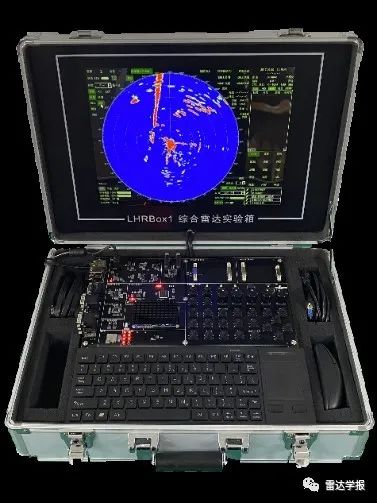
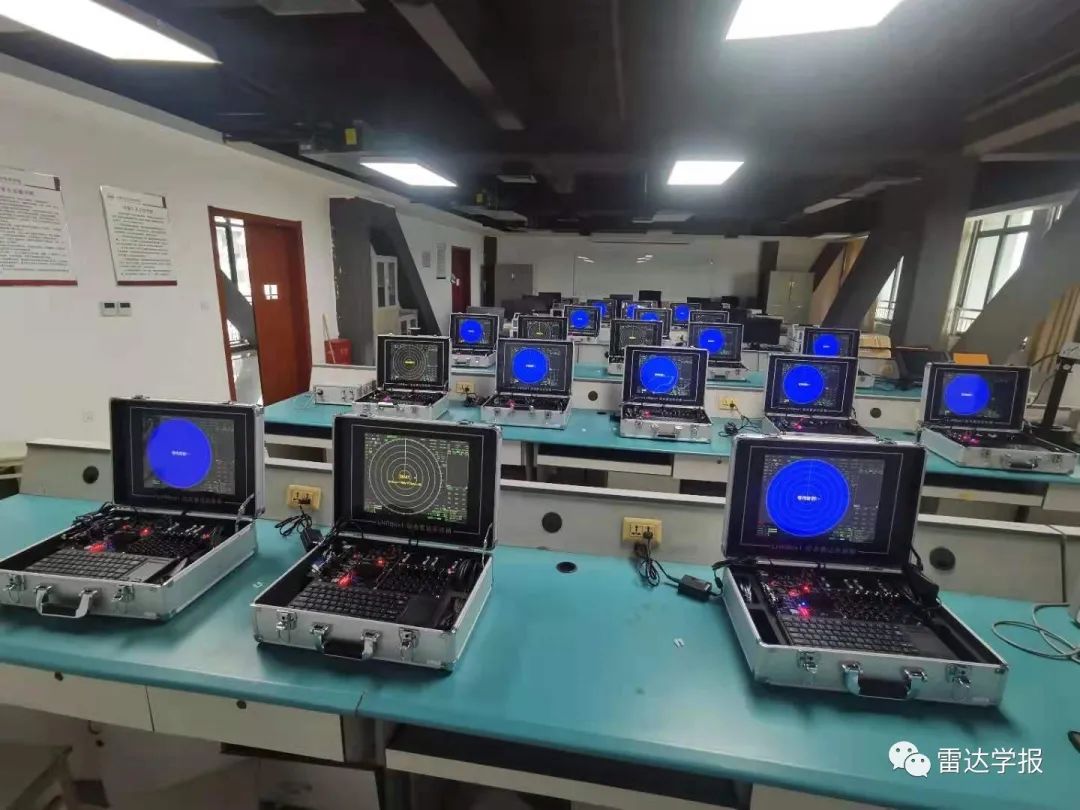
Figure 1: Physical image of the experiment box and bulk deployment diagram
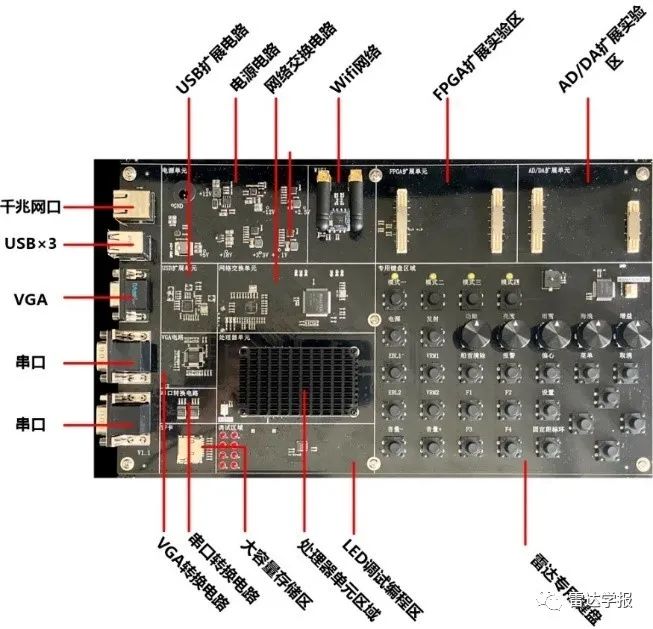
Figure 2: Layout of the experiment box motherboard
The function modules of the experiment box include: display module, signal processing and comprehensive display control module, interface conversion module, AD/DA module, FPGA module, network module, high-capacity storage module, and input-output module, totaling 8 modules. All modules are highly integrated using a modular approach. The main technical parameters and key features are as follows:
-
The signal processing and comprehensive display control module adopts a quad-core ARM Cortex-A9 processor + embedded Linux operating environment;
-
Integrates high-performance FPGA and AD/DA modules, facilitating hardware module experiments;
-
Provides hundreds of G of raw video data collected from real environments;
-
Supports real radar video access and display;
-
Can complete signal processing functions such as constant false alarm rate and gain control based on recorded data;
-
Equipped with target tracking and recording functions;
-
Professional radar comprehensive display control derived from actual installations;
-
Supports external sensors (such as GPS/Beidou, etc.);
-
Built-in radar-specific keyboard and general keyboard;
-
Supports secondary development, providing a complete set of documentation and C++ source code/Matlab source code references;
-
Independently conducts dozens of experimental subjects for coherent and non-coherent radars, covering various scenarios;
-
Can flexibly deploy different numbers of experiment boxes based on user scale.
Supported Experimental Types
The experimental types provided by the experiment box include: demonstration experiments, interactive experiments, specialized experiments, and comprehensive experiments, which are introduced as follows.
(1) Demonstration Experiments
The experiment box is built with various operational teaching videos for different scenarios, including instructions for using the experiment box, clutter, co-frequency interference, rain and snow suppression, constant false alarm rate, gain control, etc. These videos combine sound, indicator lights, subtitles, and other forms, allowing users to observe the professional radar terminal interface in an intuitive way.。
(2) Interactive Experiments
The interactive experiments mainly utilize the radar experiment box to conduct experiments related to signal processing, data processing, and comprehensive display control, primarily helping students understand typical radar terminal operations. The experiments include radar terminal interface composition and layout, range switching, parameter configuration signal processing, mapping, target intervention, etc.
This type of experiment focuses on user operations, that is, “using”. A typical scenario is that users complete the corresponding experimental content according to specified steps based on their learning needs.
(3) Specialized Experiments
Specialized experiments cover a wide range of content. Through specialized experiments, users can grasp the implementation principles from various knowledge points, making it an important advanced content.
Specialized experiments provide a programming secondary development framework, allowing students to independently conduct course design on signal processing, information processing, display modes, etc., cultivating students’ familiarity and mastery of technical principles, embedded software programming abilities, autonomous learning capabilities, and innovative thinking skills. Additionally, it can help relevant researchers quickly build development environments and construct specialized algorithm verification environments.
Through connecting with the needs of multiple universities and refining through testing, the specialized experiments can provide the experimental subjects shown in Figure 3. The accompanying experimental guidelines will provide the purpose, equipment, content, steps, principle introduction, example program list, experimental report content, and questions for each experiment.。
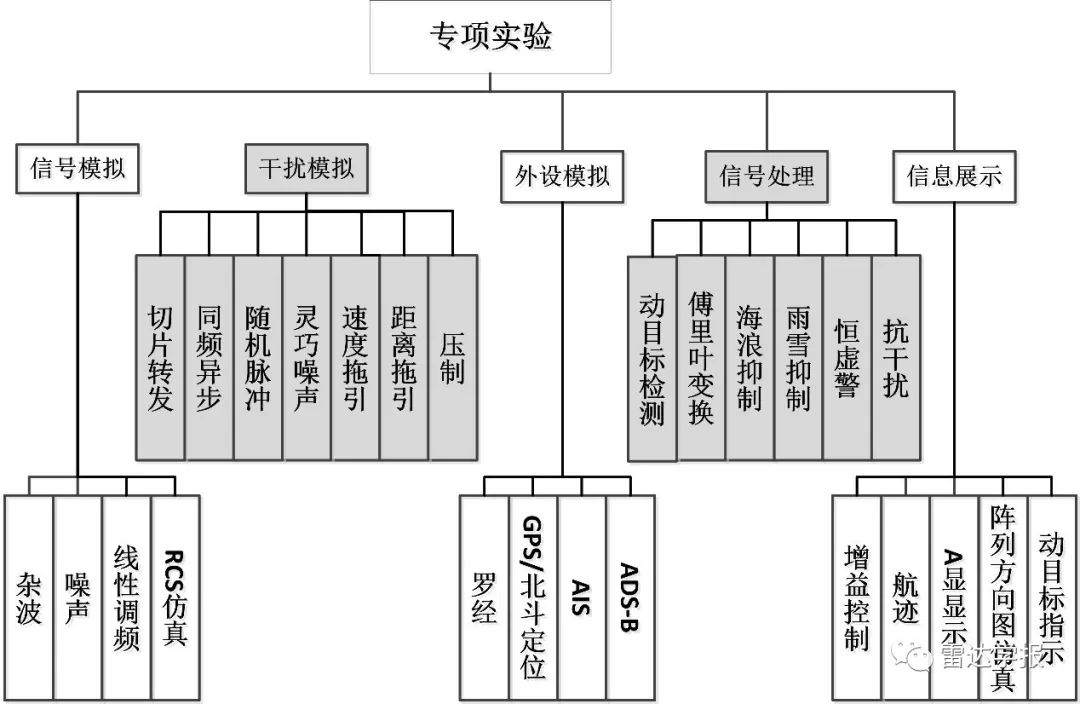
Figure 3: Specialized experimental subjects
(4) Comprehensive Experiments
Comprehensive experiments use various means, integrating multiple radar peripherals, and combining simulators, noise, signal processing, data processing, display control, and other technical points to deeply study and understand radar-related knowledge. Specialized experiments focus on “points”, while comprehensive experiments connect “points” into “lines” and “surfaces”. Comprehensive experiments place higher demands on users, requiring learners to have a certain understanding of radar knowledge before actively writing programs to achieve specific functions, mainly including data association algorithm experiments, target tracking filtering experiments, and trajectory initiation experiments.
Typical Applications
The semi-physical simulation radar terminal experiment box features low cost, complete functions, open interfaces, compact structure, and ease of deployment, providing various experimental types that can be widely applied in scientific research, teaching, training, and demonstration scenarios.
(1) Teaching
The semi-physical simulation radar terminal experiment box has been successfully applied in the first-class undergraduate teaching tasks of the electronic information engineering major, with 15 sets of equipment deployed in the first phase. Based on the courses already learned, such as signals and systems, analog electronic circuits, digital circuits, electromagnetic fields, and electromagnetic waves, students, in pairs, conduct interactive experiments using the experiment box while learning radar principles and radar systems. This not only provides an intuitive understanding of the display control elements of radar terminals such as P display, A display, B display, and page display but also through practical operation, students gain a strong intuitive understanding of the effects of pulse compression, signal processing, data processing, and information fusion, effectively linking theoretical knowledge with practical applications, significantly enhancing overall teaching quality.。
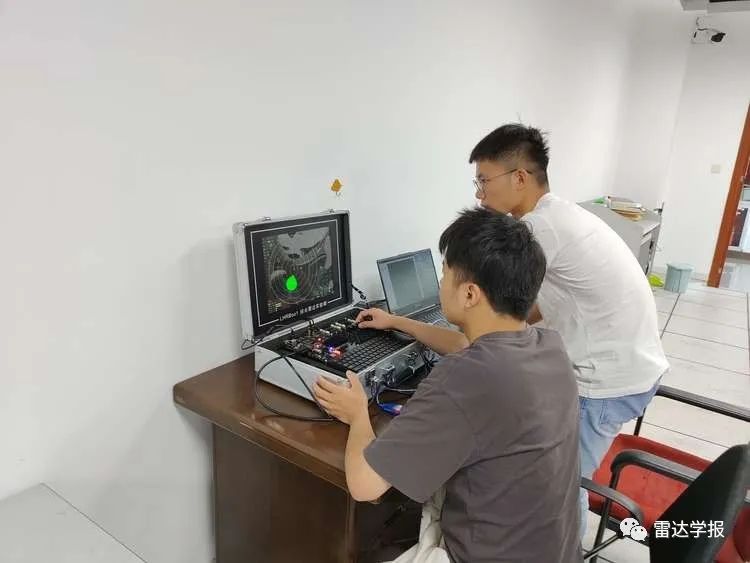
Figure 4: Students conducting experiments
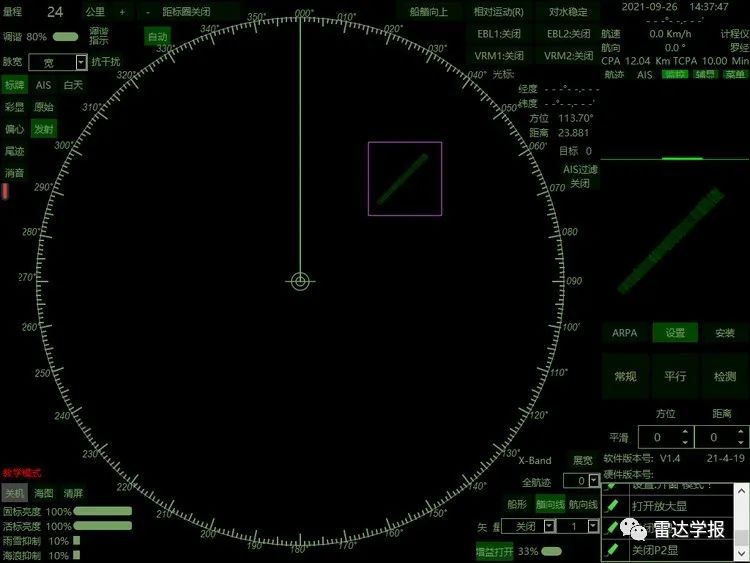
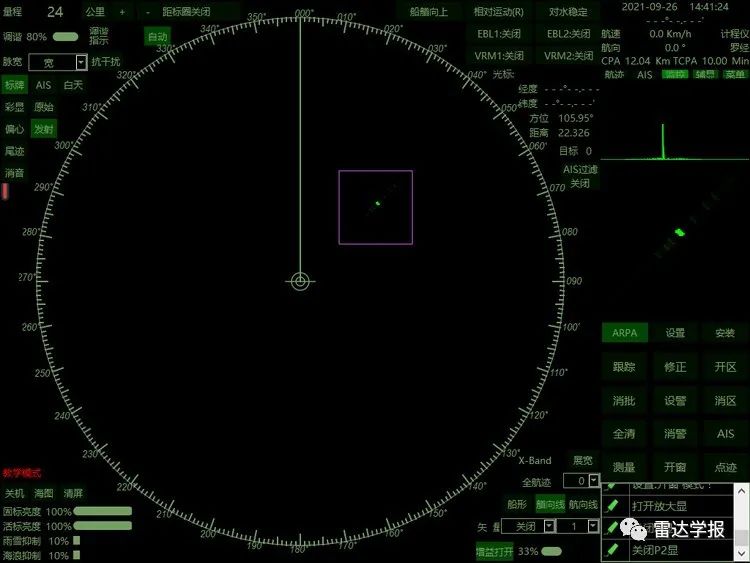
(a) Before pulse compression (b) After pulse compression
Figure 5: Comparison display of simulated video before and after pulse compression
(2) Scientific Research
The semi-physical simulation radar terminal experiment box has been successfully applied in universities for research on sea radar detection algorithms. Researchers utilize the various platforms (land-based, shipborne), various weather conditions (daytime, rainy days, snowy days, etc.), and various systems (coherent, non-coherent) built into the experiment box to conduct verification work, focusing solely on core algorithm research. Communication, information input, and display are all completed by the experiment box, allowing for more concentrated efforts and quickly building a bridge from academic achievements to applications, providing support for publishing high-level papers and applying for patents.
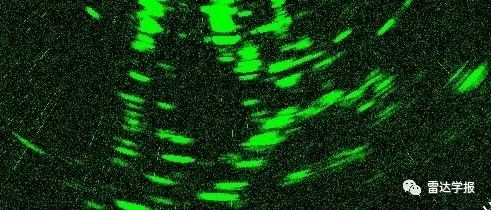
Figure 6: Before signal detection processing
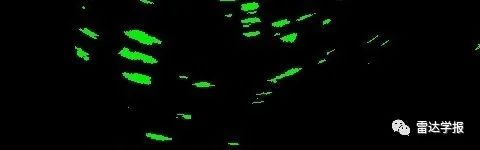
Figure 7: After signal detection processing
(3) Training
In maritime academies, the navigation technology major requires students to obtain both academic certificates and the maritime third officer competency certificate issued by the National Maritime Administration upon graduation. As a key device for ship navigation, radar operation and application has always been a core course in the navigation technology major, generally including courses on “Radar Operation and Application” and “Marine Radar”. For radar navigation, radar manual mapping and Automatic Radar Plotting Aid (ARPA), AIS reporting targets, and trial operation of ships all have practical operation assessment requirements. The semi-physical simulation radar terminal experiment box has built-in radar raw data from various scenarios such as intersections, crossings, AIS, and waterways, specifically providing experimental subjects on basic radar operations and settings, radar positioning, manual mapping, ARPA, etc., effectively supporting course teaching and classroom practice, and improving students’ practical abilities with marine radar.
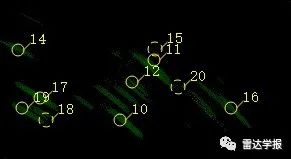
Figure 8: ARPA tracking effect display
For the website section “Radar Popular Science”, please click “Read Original“.↓↓↓
Related Reading
First Radar Journal Doctoral Forum Second Round Notification (Preliminary List) Radar Communication Spectrum Sharing and Integration: Overview and Prospects Parameter Modulation Multi-Carrier Radar Communication Shared Signal Design Communication Radar Detection Technology A Radar Communication Integrated Waveform Design and Processing Method Live Broadcast Preview | First Radar Journal Online Forum Launch Expert Lecture | Radar Communication Integrated Signal Processing (Video)
Journal Class | Radar Principles and Systems Lecture 22 Threshold Detection (1) (Video)

Editor: Chen Lin, Yu Qing
Reviewed by: Jia Shouxin
Statement
Welcome to forward the original content of this account. Reprinting and excerpting require authorization from this account and must indicate the original author and information source as “Radar Journal”.
The information published by this account aims to promote communication, and its content is the responsibility of the author and does not represent the views of this account. If there are any issues regarding text, images, copyrights, etc., please contact this account within 20 days, and we will handle it promptly. “Radar Journal” has the final interpretation right.