In the rapid development of 5G communication technology, antennas, as the core components for wireless signal transmission and reception, directly determine communication quality and coverage. With the increasing density of 5G base stations and the growing demand for miniaturization of terminal devices, balancing antenna gain, size, and cost has become a key issue. Among them, the 11dBi single-polarized PCB antenna, with its high gain, low cost, and easy integration characteristics, has become an ideal choice for mid-high frequency scenarios (such as Sub-6GHz) in 5G.
1. Technical Principles of the 1.5G 11dBi Single-Polarized PCB Antenna: Synergistic Design of Single Polarization and High Gain
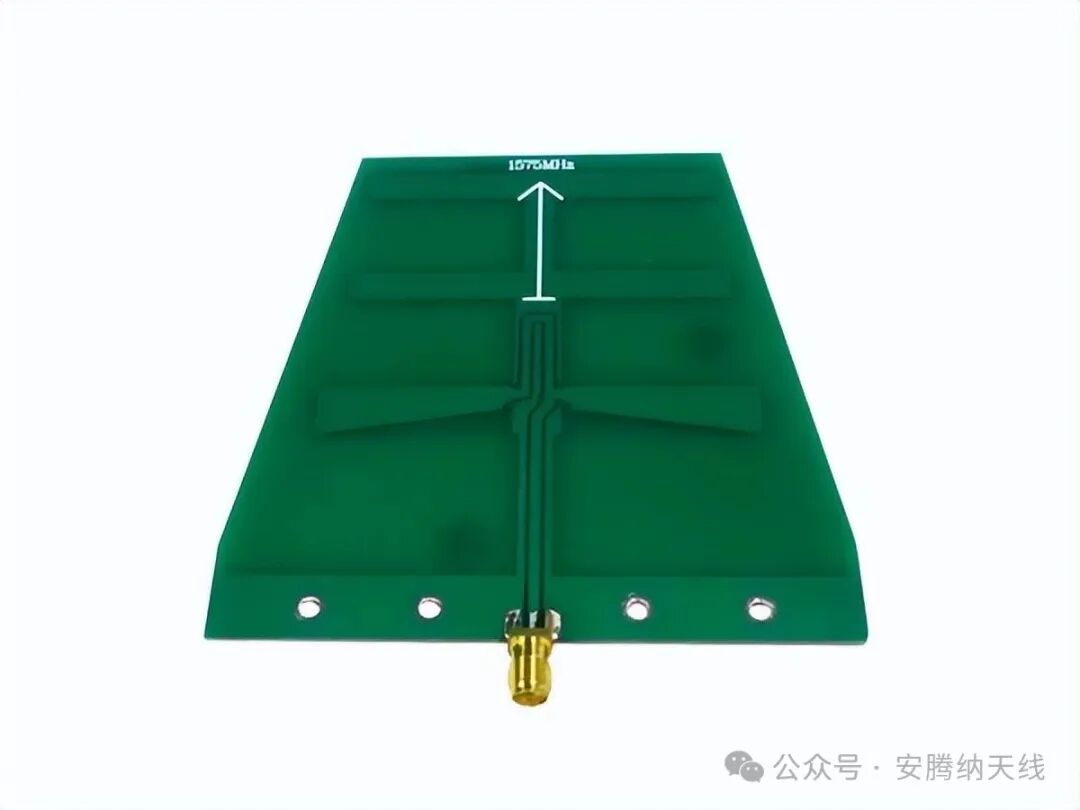
Single-polarized antennas achieve signal transmission through electric field radiation in a single direction (either vertical or horizontal). Compared to dual-polarized antennas, their structure is simpler and costs lower, making them suitable for scenarios with clear polarization direction requirements. The high gain design of 11dBi optimizes the geometric shape of the antenna radiation elements (such as rectangular patches and dipole arrays) and the feeding network (such as microstrip lines and coplanar waveguides), concentrating energy in a specific direction, thus achieving longer transmission distances and stronger anti-interference capabilities under the same input power.
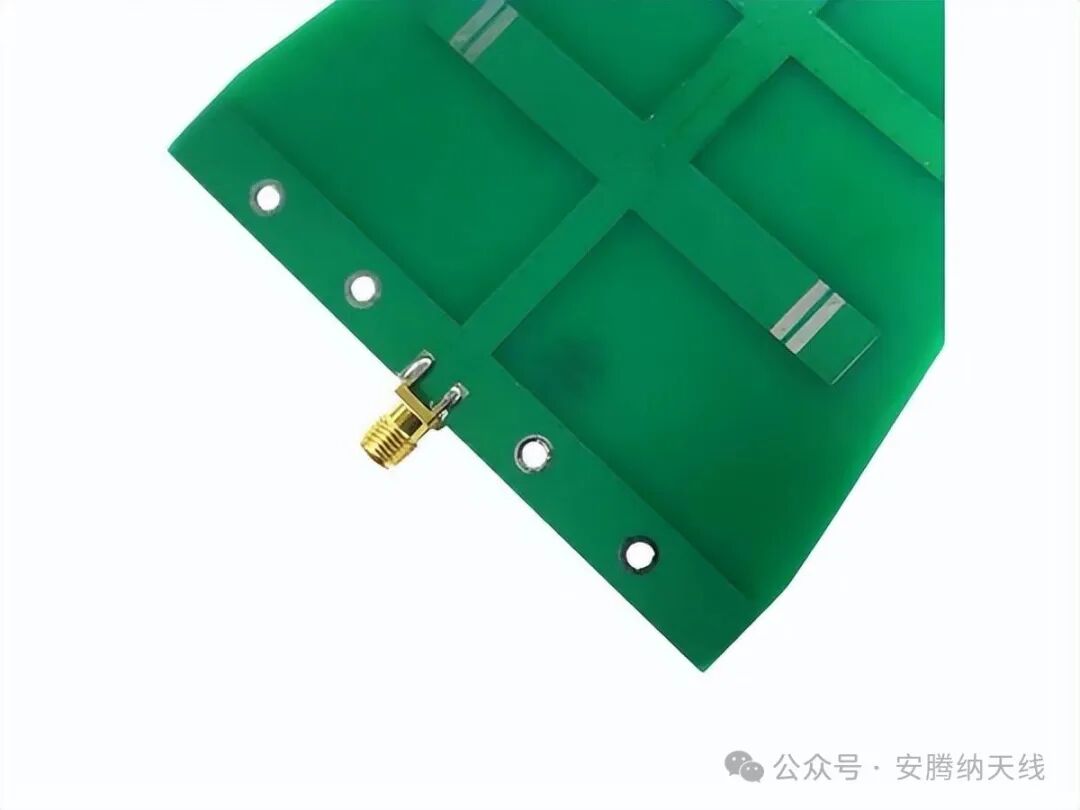
The core of the PCB antenna lies in integrating the radiation elements directly onto the printed circuit board (PCB), utilizing the dielectric constant and thickness of the PCB to control the propagation characteristics of electromagnetic waves. This design not only reduces mechanical processing errors common in traditional antennas but also allows for impedance matching and bandwidth expansion through multilayer PCB technology, making it particularly suitable for the dual demands of miniaturization and high performance in 5G high-frequency bands.
2. Design Advantages of the 1.5G 11dBi Single-Polarized PCB Antenna: A Perfect Balance of Performance and Cost
1. High Gain and Narrow Beam
The 11dBi gain means that the antenna can focus signal energy within a narrower beam range (typically half-power beamwidth ≤ 60°), significantly enhancing signal penetration and resistance to multipath interference. For example, in 5G industrial IoT scenarios, the narrow beam design can reduce signal crosstalk between devices, improving communication reliability;
2. Low Profile and Easy Integration
The thickness of the antenna based on PCB technology can be controlled to within 2mm, and it does not require external coaxial cables or connectors, allowing it to be directly mounted on the device’s mainboard. This design greatly reduces the size and weight of terminal devices, making it especially suitable for space-sensitive scenarios such as drones and smart wearables;
3. Mass Production and Cost Optimization
The manufacturing process of PCB antennas is highly compatible with that of ordinary circuit boards, allowing for large-scale production through automated equipment, with unit costs as low as a few yuan, far below traditional metal or plastic antennas.
3. Typical Application Scenarios of the 1.5G 11dBi Single-Polarized PCB Antenna: The “Invisible Driver” of the 5G Ecosystem
1. Enhanced Coverage for 5G Base Stations
In the Sub-6GHz frequency band, the 11dBi single-polarized antenna can serve as a supplement to AAUs (Active Antenna Units) to fill coverage blind spots of macro base stations or act as the main antenna for micro base stations to achieve deep indoor coverage;
2. Intelligent Transportation and Vehicle Networking
By integrating this antenna, onboard units (OBUs) and roadside units (RSUs) can achieve high-speed and low-latency V2X (Vehicle-to-Everything) communication, supporting real-time traffic perception and decision-making in autonomous driving;
3. Industrial IoT and Remote Control
In factory automation scenarios, high-gain antennas can ensure stable communication between AGVs (Automated Guided Vehicles) and control centers in complex electromagnetic environments while reducing device power consumption and extending battery life.
4. Selection and Deployment Guide for the 1.5G 11dBi Single-Polarized PCB Antenna: Avoiding Common Pitfalls
1. Frequency Band Matching
It is essential to confirm that the antenna’s operating frequency band (e.g., 3.3-3.8GHz or 4.8-5.0GHz) is fully consistent with the 5G frequency bands supported by the device to avoid gain loss due to frequency band offset;
2. Directionality Planning
The installation direction of the single-polarized antenna must be strictly aligned with the device’s polarization direction (usually vertical polarization), otherwise, it may cause polarization loss exceeding 3dB;
3. Environmental Adaptability Testing
In metal-dense or humid environments, it is necessary to verify the antenna’s reliability through salt spray tests and vibration tests to avoid performance degradation due to environmental factors.
In conclusion, with the evolution of 5G-Advanced and 6G technologies, the design of the 1.5G 11dBi single-polarized PCB antenna is moving towards higher integration (such as AiP, packaged antennas), wider bandwidth (such as the integration of millimeter waves and Sub-6GHz), and greater intelligence. However, at this stage, the 1.5G 11dBi single-polarized PCB antenna, with its mature industrial chain and excellent cost-performance ratio, remains a backbone in the large-scale commercial use of 5G. For equipment manufacturers, choosing a stable-performing, reliable supply chain antenna is a crucial step in building 5G competitiveness.