Skip to content

Non-Standard Titanium Alloy 3D Printing Modeling: A New Chapter in Manufacturing
With the rapid development of technology, 3D printing technology is gradually changing the landscape of traditional manufacturing with its unique advantages. Among them, the modeling technology of non-standard titanium alloy 3D printed parts is leading a new trend in high-end manufacturing, showcasing the perfect combination of modern technology and engineering design.
1. Technological Leadership: Innovations in Titanium Alloy 3D Printing
Titanium alloy, a metal alloy with titanium as the main element, is widely used in aerospace, medical devices, automotive manufacturing, and many other fields due to its high strength, lightweight, and excellent corrosion resistance. The rise of 3D printing technology has opened up new possibilities for the application of titanium alloys.
Compared to traditional subtractive manufacturing methods, 3D printing technology enables precise and rapid manufacturing of titanium alloy parts. This technology not only significantly shortens production cycles and reduces material waste, but also makes the manufacturing of complex structured parts possible. Furthermore, 3D printing technology allows for personalized customization based on customer needs, bringing unprecedented flexibility to the manufacturing industry.
2. The Path of Modeling: Technological Innovation and Precise Control
In the modeling process of non-standard titanium alloy 3D printed parts, technological innovation is key. Designers need to use advanced CAD software for 3D modeling to ensure the accuracy and functionality of the parts. This requires designers to have profound engineering knowledge and a deep understanding of 3D printing technology.
Additionally, parameters such as temperature and pressure during the printing process have a crucial impact on the forming quality of titanium alloys. Therefore, precise control of these parameters is essential to ensure print quality. At the same time, suitable print heads and printing materials must be selected to accommodate the high-temperature characteristics of titanium alloy materials to ensure stability and safety during the printing process.
3. Wide Applications: Expanding the Boundaries of Manufacturing
Non-standard titanium alloy 3D printed parts have been widely applied in fields such as aerospace and medical devices. In the aerospace sector, the lightweight and high-strength characteristics of titanium alloys make them ideal materials for aircraft and spacecraft. In the medical device field, the biocompatibility and corrosion resistance of titanium alloys make them the preferred materials for artificial joints, dental implants, and other medical equipment.
With the continuous advancement of technology and the reduction of costs, the application fields of non-standard titanium alloy 3D printed parts will further expand. In the future, we can expect to see this technology applied in more areas such as automotive manufacturing, energy, and construction.
4. Looking Ahead: A New Chapter in Manufacturing
The emergence of non-standard titanium alloy 3D printing modeling technology has brought unprecedented changes to the manufacturing industry. It not only improves production efficiency and reduces costs but also makes the manufacturing of complex structured parts possible. Moreover, the customization capability of this technology brings more business opportunities to the manufacturing industry.
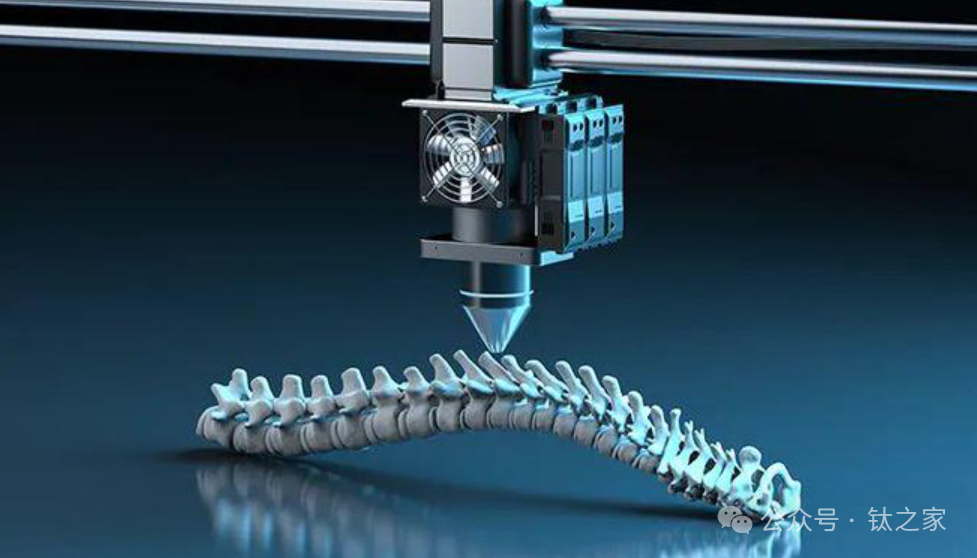
Looking ahead, with the continuous development and improvement of 3D printing technology and advancements in materials science, we have reason to believe that non-standard titanium alloy 3D printed parts will play an increasingly important role in the future of manufacturing. It will continue to expand the boundaries of manufacturing, pushing the industry towards a more efficient, environmentally friendly, and intelligent direction.
In summary, non-standard titanium alloy 3D printing modeling technology is a perfect combination of technology and engineering design, which will reshape the future of manufacturing and bring more surprises and changes to our lives.

Contact Us
Address: No. 90, Gaoxin Avenue, Baoji City, Shaanxi Province