Multi-Agent System: Grounded Thoughts from Geek Toy to Production Tool

01
Pains of AI Products 😣
Recently, while drinking with a few colleagues working on AI products, one of them suddenly slammed the table: “These people working on AI are always bragging about Copilot, what’s the difference from when O2O was all the rage?” This hit me hard 🤯. Three years ago, when we were demonstrating intelligent customer service to a bank, the AI even misidentified the transfer amount, and I still remember the look on the client’s face.
To be honest, I get a headache seeing various Agent implementation solutions now. Last week, I visited a car company where their IT department created a “digital employee” system, but the marketing department refused to use it. Can you guess why? That system required filling out dozens of forms just to initiate a meeting scheduling function, which is less convenient than just creating a WeChat group. This reminds me of the pitfalls we encountered when working on RPA: the tech team always wanted to solve all problems with a perfect architecture, forgetting that what is most valuable in real business scenarios is something that is “good enough” and quick to use.
02
Real Needs on the Frontline 💪
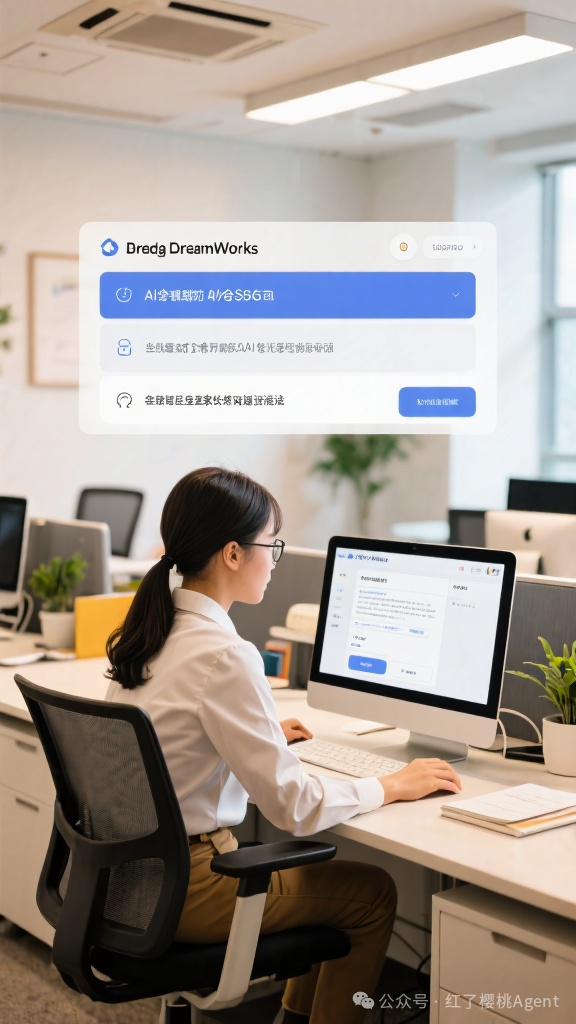
A client in the education SaaS sector shared a true story: the AI lesson preparation assistant they developed for teachers had its most active feature being the automatic generation of “parent communication scripts.” You see, this is the reality on the frontlines—talk of multi-agent collaboration and cognitive architecture is all fluff in the face of the need for “tomorrow’s parent-teacher meeting.” Many teams are obsessed with building the “brain” of the Agent, forgetting to first equip users with usable “limbs.”
03
Successful Insights from Industrial Scenarios 🌟
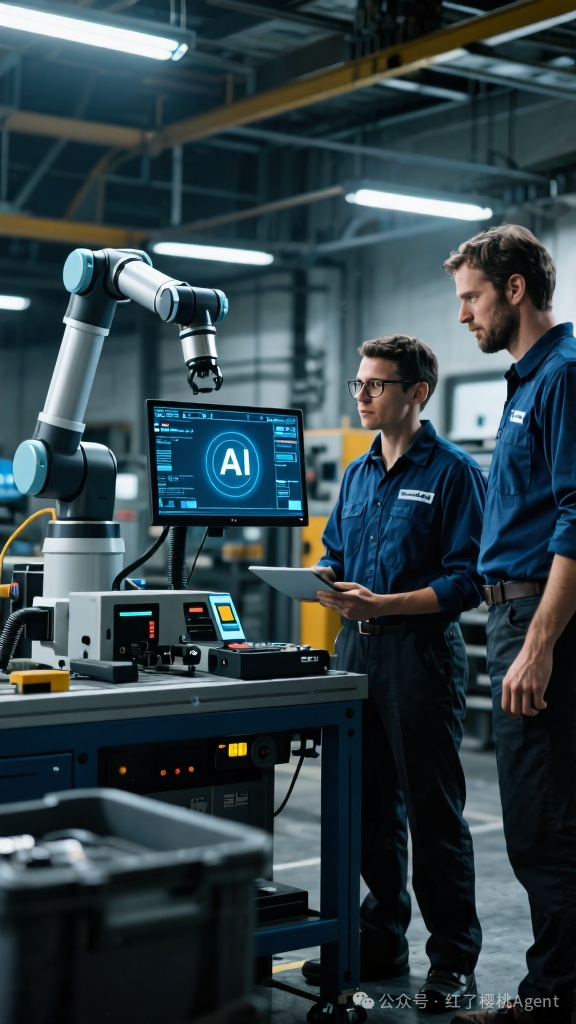
I particularly agree with a CTO who started with factory MES systems: the most successful AI applications in industrial scenarios are often those where a seasoned worker collaborates with an algorithm engineer in the workshop for three months. For instance, their quality inspection Agent started as a voice assistant that could listen to workers curse, and now it has become an indispensable “second team leader” on the production line. This gives me the insight that for Agent systems to truly take off, they may need to first learn to be a “follower” rather than trying to be a “commander” right away.
04
Magical Phenomena in the Real World 🤪
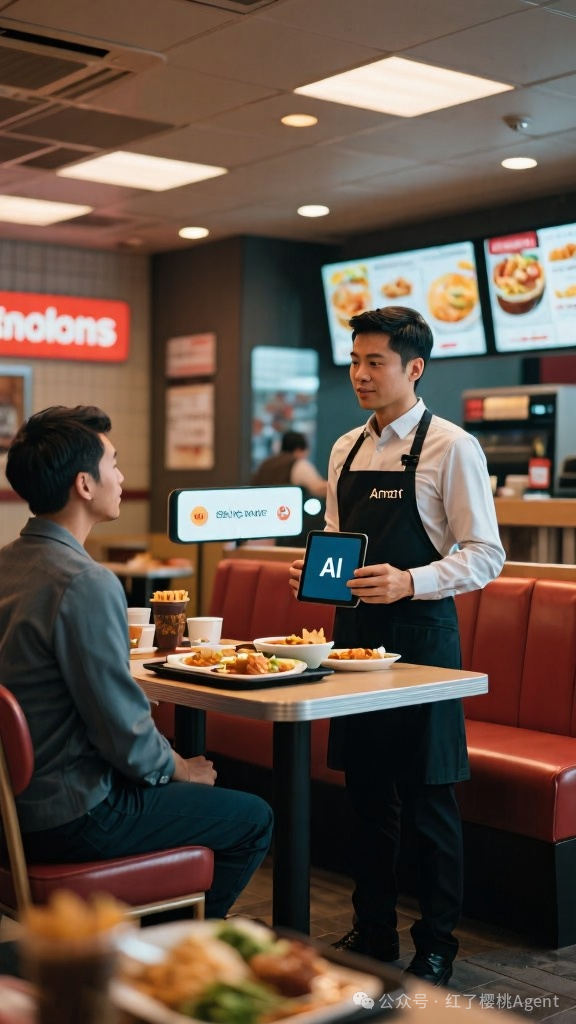
Recently, while helping a chain restaurant develop a ordering Agent, I discovered an interesting phenomenon: customers prefer to converse with a “dumber” AI. During one test, we intentionally slowed the response time by 0.5 seconds, and the conversion rate actually increased. This is perhaps the magical aspect of the real world—technical perfection in parameters may detract from user experience. Now, looking at those Agent solutions that pursue zero latency, it feels like putting snow chains on a racing car.

A friend in cross-border e-commerce put it even more succinctly: “You guys working on Agents are always pondering how to make AI smarter, while we only care about how to make AI better at playing dumb.” Their customer service Agent intentionally retains a 5% transfer rate to human agents, resulting in a lower complaint rate than during purely human service. This reminds me of what Wang Huiwen from Meituan once said: sometimes an appropriate “system loophole” is the best user experience design.

05
Finding Its “Cost-Saving Moment” 💰
Returning to the topic from QCon, I feel that what is most lacking now is not technical practice, but grounded thinking on how to transform Agents from “geek toys” into “production tools.” Just like the popularization of cloud computing, what truly ignited the market was not the virtual machine technology, but the moment when a small business owner discovered they could save on server maintenance costs. Now, looking at Multi-Agent systems, it may also need to find its own “cost-saving moment.”
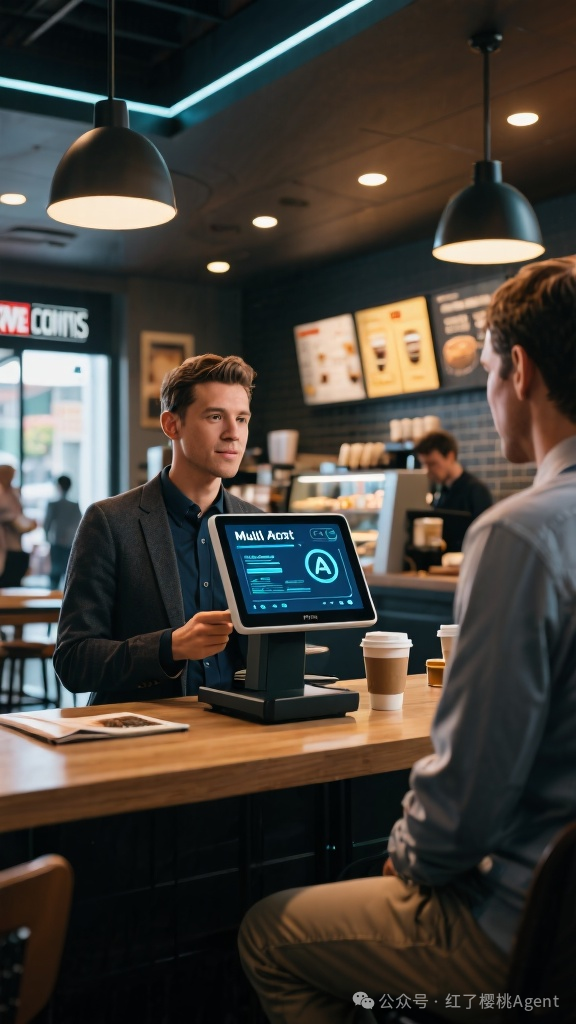
(Suddenly, I thought of something: have you noticed that in the case studies in papers in the Agent field, eight out of ten are about ordering coffee…)
#Multi-Agent System #AI Product Implementation #User Experience #