Cerebral Thrombosis
Cerebral thrombosis is a type of ischemic stroke. Long-term hypertension leads to atherosclerosis of the cerebral artery walls. When the hardened plaque ruptures, platelets adhere, resulting in the formation of cerebral thrombosis. After the formation of cerebral thrombosis, it can lead to hemiplegia, aphasia, dementia, etc., and has the highest disability rate among all diseases, often referred to as the “number one killer” threatening health. Therefore, increasing awareness of cerebral thrombosis and enhancing self-prediction ability is of great significance for its prevention.

What is the method for quickly identifying a stroke?
“FAST” principle is an important method for identifying strokes, and patients may not always have medical personnel present when symptoms occur, the “FAST” principle is a common knowledge that allows non-medical personnel to quickly assess a stroke, by observing changes in the patient’s face, arms, and speech to determine if the patient has had a stroke.
In daily life, some people cannot recognize a stroke immediately, which delays the best treatment time. In the face of an acute disease like a stroke, time is life, using the “FAST” principle, one can quickly identify a stroke in 10 seconds, which helps to save reversible brain damage, and can also reduce sequelae.
(1)F–face(Face):Observe whether both sides of the face are symmetrical, and whether there is any drooping of the mouth when smiling(self-assessment can be done in front of a mirror).
(2)A–arm(Arm):Raise both arms for 10 seconds, observe whether both arms can be raised to the same height, and check for weakness or drooping.
(3)S–speech(Speech):Try to say a complete sentence, recite a part of your home address or phone number, and observe whether you can express logically and clearly without slurring.
(4)T–Time and telephone(Time and telephone):If any of the above situations occur, immediately call emergency services at 120 and get to the nearest hospital for treatment.Identifying a stroke promptly allows the patient to receive early treatment, reducing the sequelae caused by a stroke.
Cerebral Thrombosis Patients Must Seize Treatment Time
Cerebral thrombosis can be treated with thrombolysis through medication or surgery, depending on the time of onset and the patient’s condition. Each blood vessel in the human brain corresponds to a specific brain area; if our nerve cells suffer ischemic damage for too long, it becomes irreversible and cannot recover, so the timing of treatment is crucial.
Seizing the golden window for thrombolysis, the optimal time window is3-4.5 hours. Ifthrombolysis can be performed within 6 hours, some patients can dissolve the thrombus and will not have sequelae, but it does not guarantee 100% recovery for the patient. If it exceeds the 6 hour window, treatment should still be actively pursued, aiming to prevent symptoms from worsening or to improve them, so the 48 hour period is critical; even if the time window is missed, one should still actively go to the hospital to control the progression of the thrombus, alleviate symptoms, and reduce disability.
About the Author
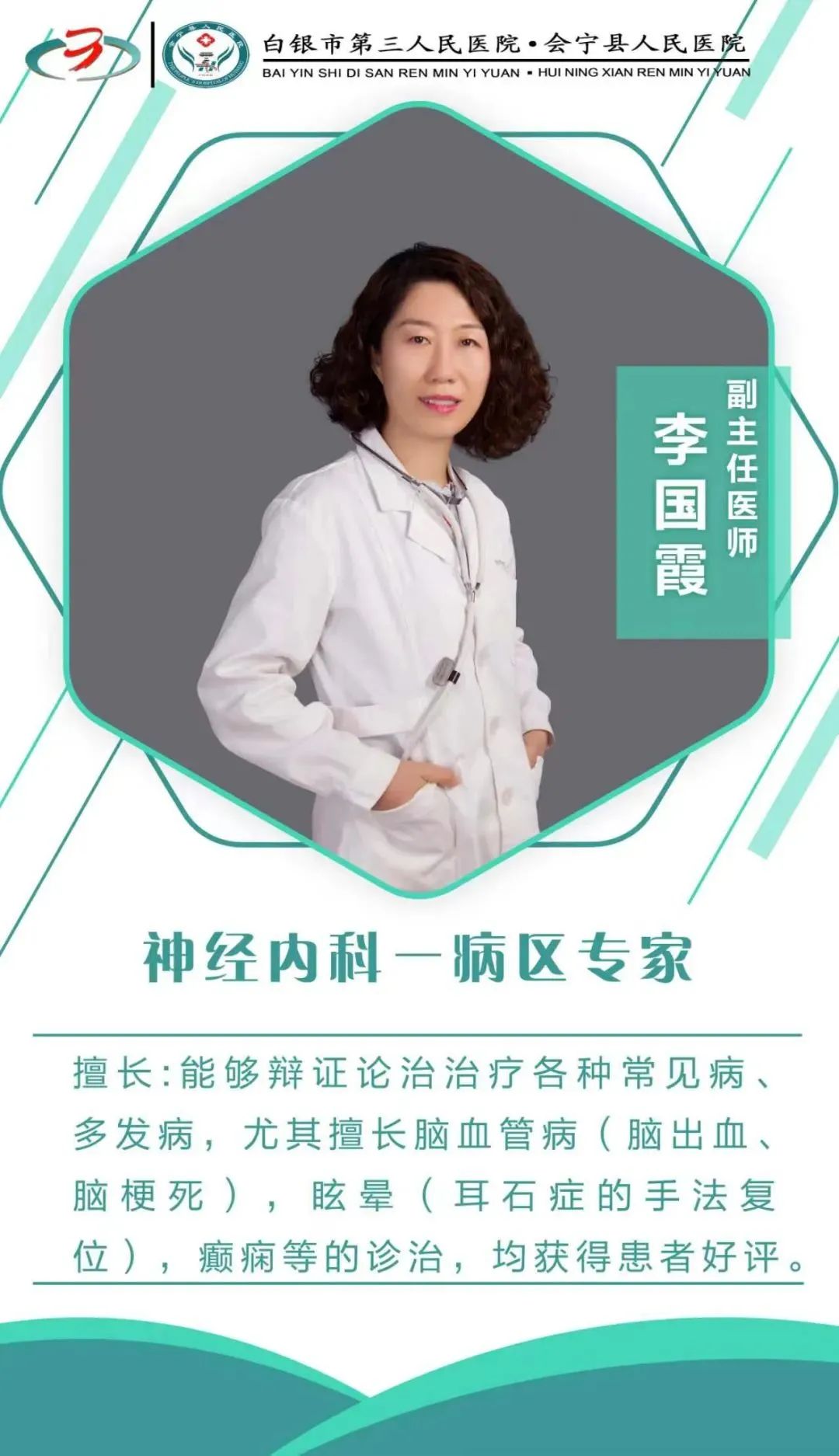
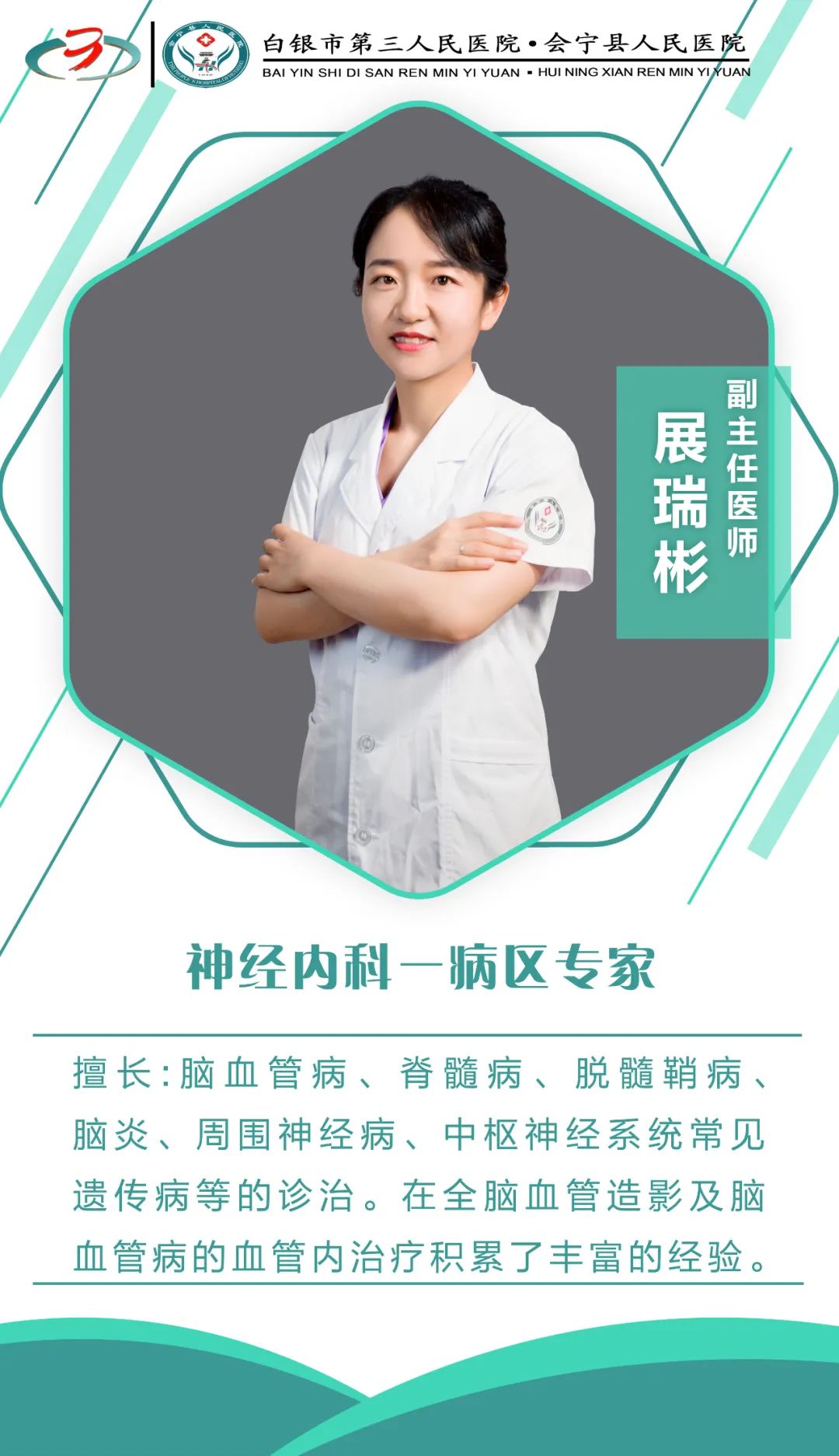
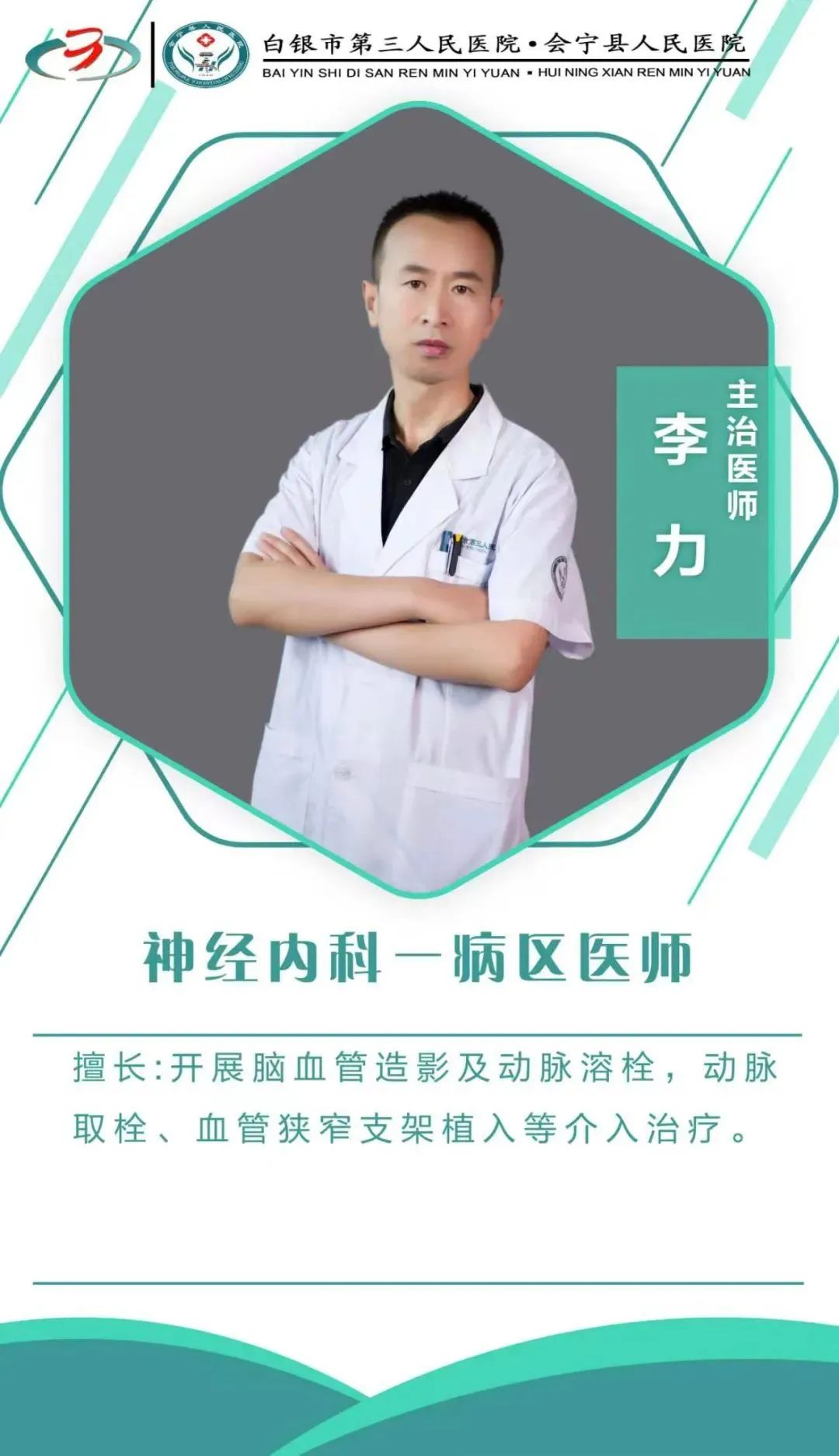
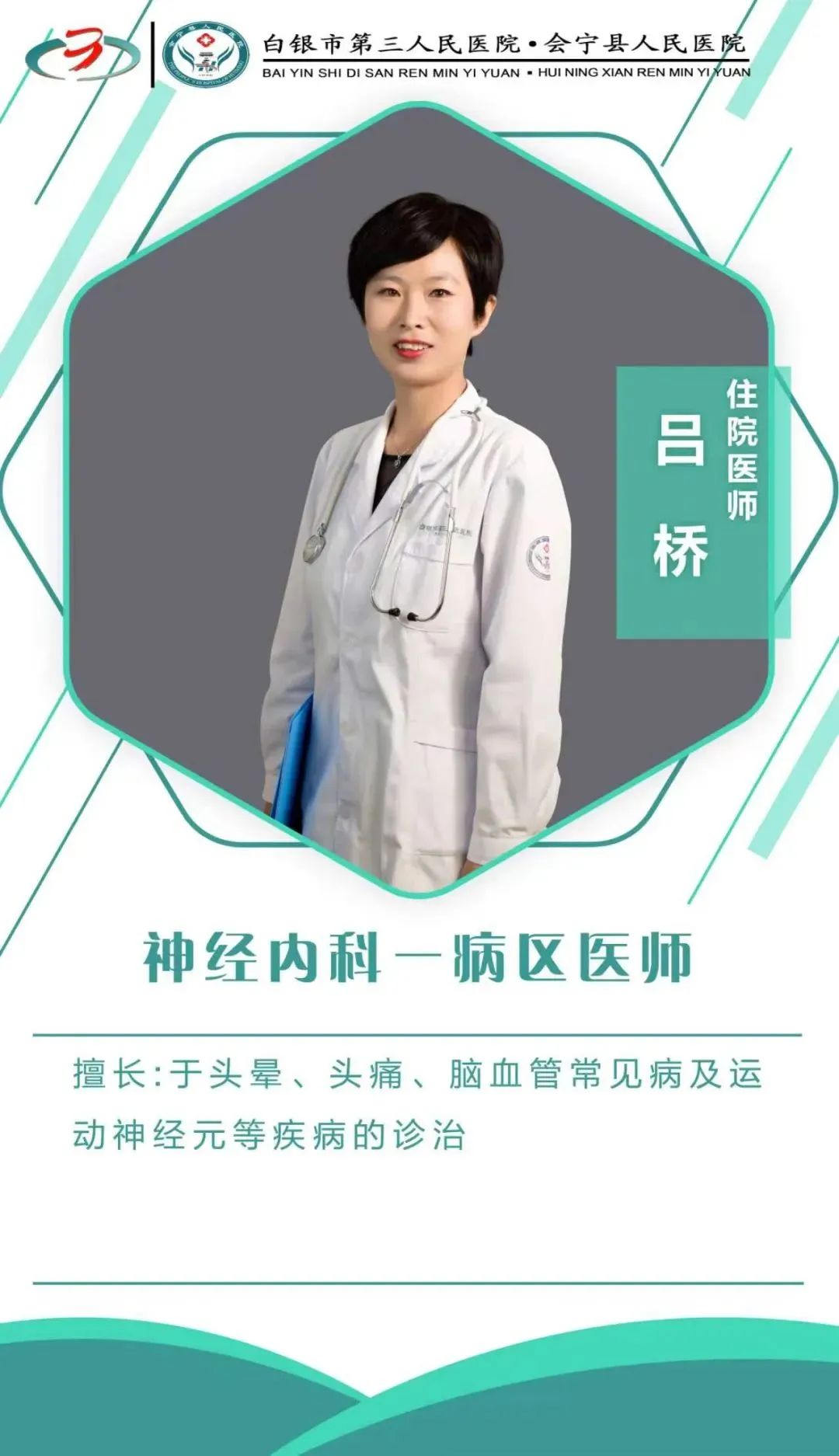

Editor: Liang LiEditor-in-Chief: Zhang LiangSupervisor: Chai ShangwenPublicity Department of Huining County People’s Hospital