Hello everyone! Today, let’s talk about the MSY11 differential pressure transmitter, a powerful tool for measuring wind pressure in the industry! It reveals the secrets of wind pressure with just one measurement, making it incredibly practical! Next, I will share how to utilize this tool to make your wind pressure measurements more accurate and efficient!
First, we need to understand what a differential pressure transmitter is. Simply put, a differential pressure transmitter measures the difference between two pressure values to determine the pressure of the medium being measured. So, how does the MSY11 differential pressure transmitter work? It uses precision internal measuring components to convert wind pressure into an electrical signal, which is then amplified and processed by the circuit, ultimately outputting a stable voltage or current signal.
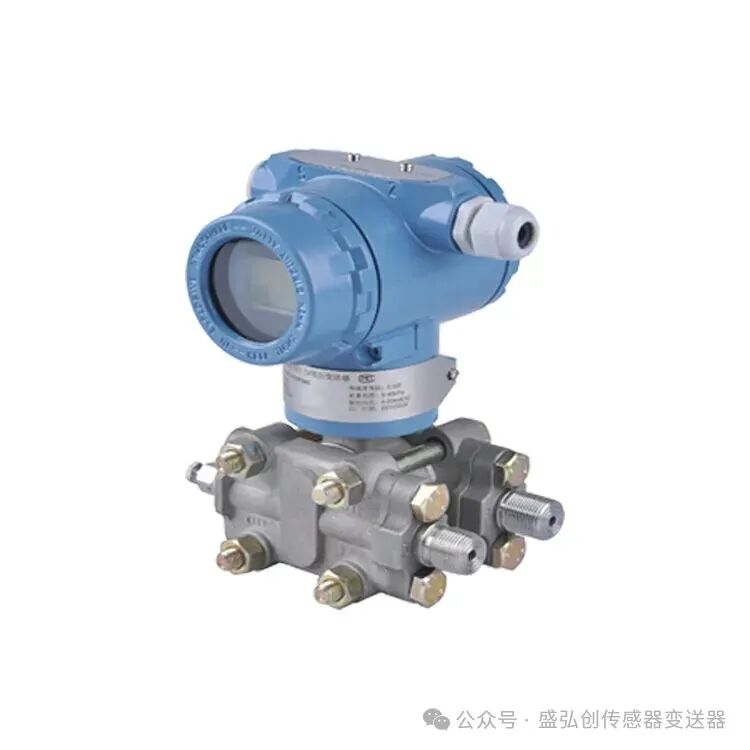
So, how do we use the MSY11 differential pressure transmitter for measurements? Here are some practical tips:
-
Select the appropriate sensor: Choose the MSY11 differential pressure transmitter based on your measurement needs, considering the range and accuracy. Generally, the wind pressure measurement range is between -1000Pa and 1000Pa.
-
Connect the sensor: Connect the sensor to the differential pressure transmitter, ensuring a secure connection to avoid leaks or short circuits.
-
Set parameters: Configure the range, accuracy, and other parameters of the differential pressure transmitter according to your actual measurement needs.
-
Calibrate the sensor: Before official measurements, calibrate the sensor to ensure the accuracy of the results.
-
Measure wind pressure: Place the sensor in the desired measurement location, turn on the differential pressure transmitter, and you can view the wind pressure data in real-time.
-
Analyze data: Based on the measured wind pressure data, analyze the patterns of wind pressure changes to provide a basis for subsequent work.
-
Precautions: During use, avoid exposing the sensor to vibrations, impacts, or other external interferences to prevent affecting measurement accuracy.
Of course, in addition to the above tips, there are some additional tricks to help you better use the MSY11 differential pressure transmitter:
-
Regularly check the sensor: Ensure that there are no foreign objects or damage inside the sensor to maintain measurement accuracy.
-
Keep the sensor clean: Regularly clean the sensor to avoid dust, oil, and other contaminants affecting measurement results.
- Proper maintenance: Depending on the frequency of use, regularly maintain the sensor to extend its lifespan.
In summary, the MSY11 differential pressure transmitter is a highly practical measurement tool. By mastering these practical tips, you can easily handle various wind pressure measurement tasks. Give it a try and make your work more efficient and accurate! 😄