The Dilemma Behind 220 Million Elderly: Companion Robots Are Becoming a Necessity
According to data from the National Bureau of Statistics, the population aged 65 and above in China has exceeded 220 million, accounting for 15.4% of the total population. However, there are only about 20,000 certified elderly care workers nationwide. “Who will take care of our golden years?” has become an unavoidable social question.
The “Cliff” of Care Behind the Numbers
“Having an elderly person at home is like having a treasure,” but as the “silver-haired tide” sweeps in, countless families are feeling unprecedented care pressure.
Let’s first look at two shocking sets of data:
-
220 million: By the end of 2023, the population aged 65 and above in the country will exceed220 million, accounting for 15.4% of the total population, which means that there is one elderly person for every seven people. Among them, the number of disabled and semi-disabled elderly has exceeded40 million.
-
20,000: In contrast, there is a huge manpower gap. According to data from the Ministry of Civil Affairs, the total number of service personnel in various elderly care institutions nationwide is less than 500,000, among which the number of certifiedprofessional elderly care workers is only about 20,000. This number is undoubtedly a drop in the bucket compared to 40 million disabled elderly.
This is not just a numerical gap, but an impending care crisis. The traditional model of “raising children to support the elderly” is difficult to sustain due to smaller family structures and children working in different locations; meanwhile, the professional caregiver workforce faces the dilemma of “older age, lower education, and high turnover”, with nearly 80% of caregivers being women aged 40-60, and young people generally unwilling to enter this demanding and low-paying industry.
Policy Winds Are Blowing, Smart Elderly Care Becomes a National Strategy
In the face of a severe situation, the national level has already taken action, frequently introducing policies to “pave the way” for smart elderly care.
From the early “Action Plan for the Development of the Smart Health and Elderly Care Industry” to the recent “14th Five-Year Plan for the Development of National Aging Undertakings and Elderly Care Service System”, there is a clear encouragement to support the integrated application of technologies such as artificial intelligence, the Internet of Things, and robotics in the elderly care field.
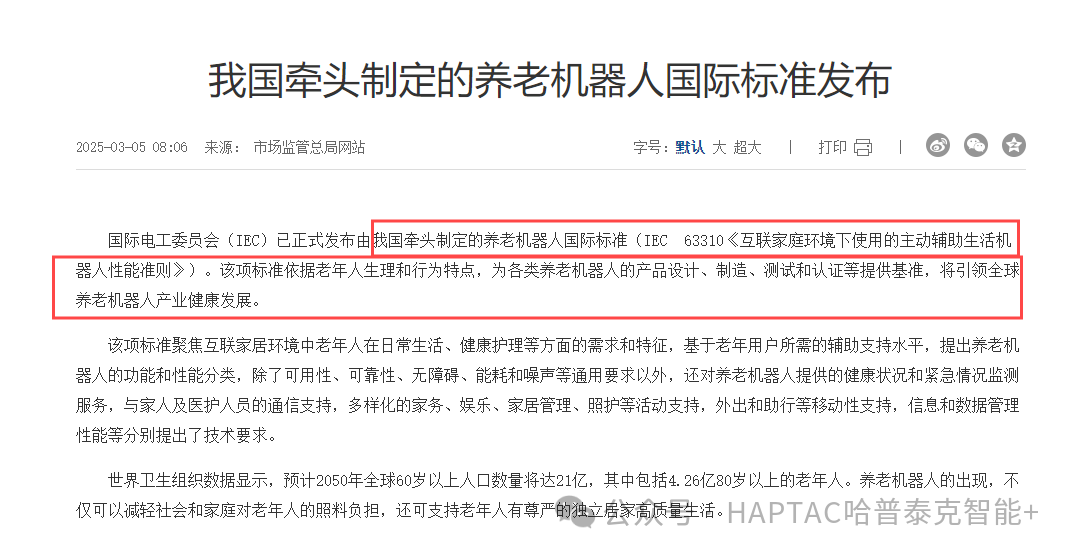
A milestone signal is:By 2025, China will take the lead in formulating and publishing international standards for elderly care robots. This means that China not only aims to solve its own problems in the market but also seeks to compete for global discourse power in technical rules and industry standards, clearing obstacles for the standardized and large-scale development of the elderly care robot industry.
Breakthrough: The Three Battlefields of Companion Robots
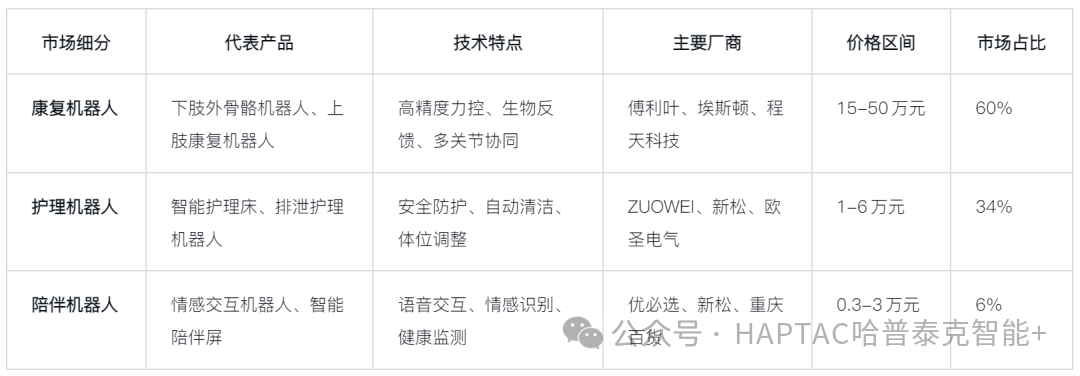
When manpower cannot fill the gap, technology must step in. Elderly care companion robots are not a single product but asystematic solution formed to meet different needs, mainly divided into three types:
1. Rehabilitation Robots
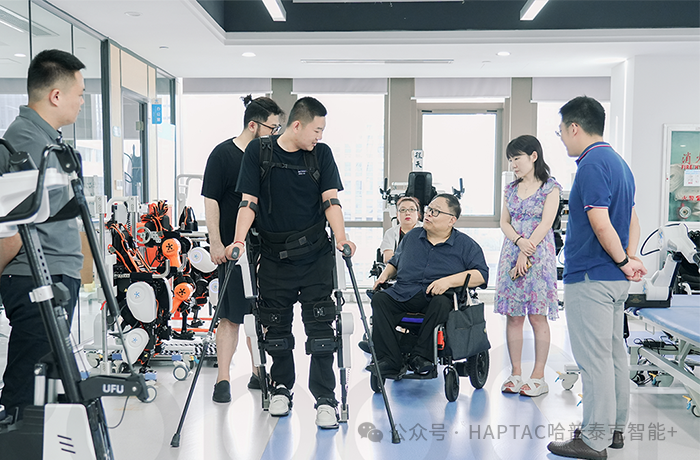
This is currently the most mature and widely used field. Aimed at elderly individuals recovering from strokes, paralysis, or post-operative functional reconstruction, throughexoskeleton robots and rehabilitation training robots, they assist in precise and repetitive exercise training to accelerate the recovery process. They act like “iron-fisted rehabilitation therapists”.
2. Nursing Robots
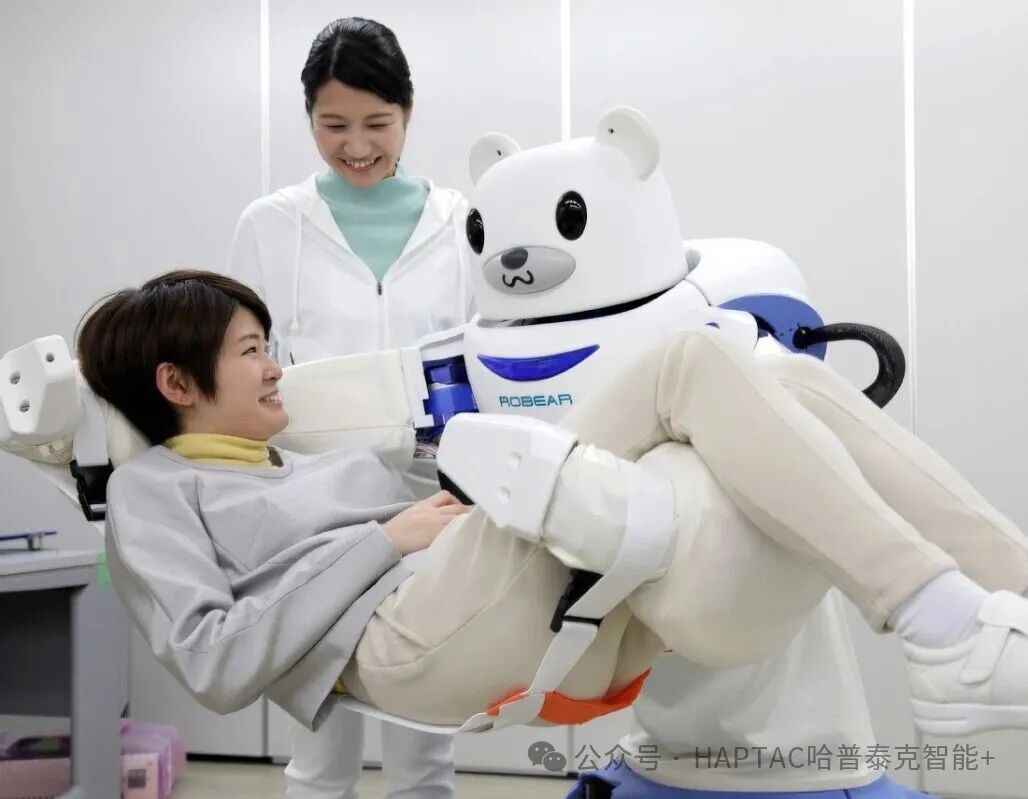
Designed to reduce the physical burden on caregivers and family members, undertakingtransfers, transportation, feeding, and cleaning and other heavy tasks. For example, smart transfer machines can safely move elderly individuals from beds to wheelchairs; bathing robots can assist with bathing. They are the “strong assistant”.
3. Companion Robots
Aimed at alleviating the spiritual loneliness of the elderly. They typically featurevoice interaction, remote communication, health monitoring, and entertainment interaction. Although currently holding the smallest market share, the demand is enormous and the growth rate is the fastest. They are willing to be “thoughtful companions”.
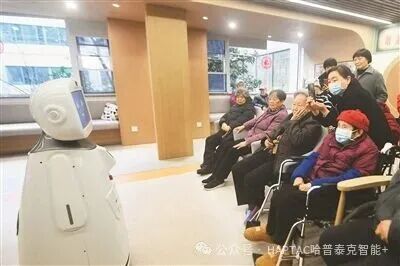
From addressing the rigid needs of rehabilitation care to enhancing the quality of life through emotional companionship, robots are penetrating every aspect of elderly care.
-END-
Previous Reviews
Breaking News! Mengyou Intelligent completes Series A financing, ushering in a new era of AI companionshipLeju Robotics completes share reform, is the path to listing approaching?299,000! UBTECH Tian Gong Xing Zhe listed on JD.comAlibaba Cloud leads investment, Variable Robot secures nearly 1 billion A+ round financing250 million big order! UBTECH breaks humanoid robot commercial record