Abstract: Modern warehouses where humans and robots collaborate are becoming the forefront of innovation.
In warehouse operations, human-robot collaboration often yields better results than relying solely on robots. However, with the increasing demand for speed and accuracy in e-commerce fulfillment, there is still room for improvement in this collaboration. A new framework describes four collaborative scenarios and highlights how artificial intelligence can be applied to optimize the performance of human-robot teamwork.

Warehouse automation is thriving, with companies increasing their use of robots to achieve the extreme logistics efficiency required in today’s market. Human-robot collaborative teams will become increasingly common in these environments. According to data from market research firm Gartner, by 2028, 80% of warehouses and distribution centers will adopt some form of robotics or warehouse automation. However, despite this collaboration improving operational performance, there is still a long way to go to realize its full potential.
As a leader in warehouse automation, Amazon’s fulfillment center employees have consistently complained about the pressure to keep pace with highly efficient robots. Working alongside robots for extended periods has led to significant physical strain and even serious accidents and injuries. If safety hazards for pickers and other employees working in robotic systems are not addressed, it will greatly undermine their trust and enthusiasm for collaboration. In such cases, robots are often not fully utilized, ultimately affecting efficiency and overall productivity.
Moreover, automation and robotics require substantial capital investment and operational costs, making it crucial for warehouse managers to optimize human and robot resources and enhance return on investment. Research shows that the efficiency, flexibility, and cost-effectiveness of human-robot mixed teams often surpass those of fully automated scenarios. However, companies must carefully assess the specific roles that humans and robots should play in warehouse facilities.
These issues underscore the urgent need for innovation in enhancing human-robot collaboration. Although robots outperform humans in speed and accuracy, if the collaboration mechanisms are inadequate, these advantages are likely to be undermined by system inefficiencies, employee dissatisfaction, and workplace safety hazards. Similarly, humans possess greater flexibility, adaptability, and creativity than machines, and in highly automated work environments, scientific human-robot collaboration can maximize these advantages.
Research from the MIT Digital Supply Chain Lab indicates that artificial intelligence can not only automate tasks but also facilitate human-robot collaboration (HRC). For example, large language models (LLM) can enrich communication content by integrating text, audio, images, and video, thereby providing information or assistance to workers. Additionally, AI-based systems can assess operational processes and continuously optimize performance and collaboration levels.

Roles of Humans and Robots in Warehouses
Despite the increasing importance of automation technology in meeting faster fulfillment demands, warehouses and distribution centers in the e-commerce sector still heavily rely on human labor. Various robots have been developed to undertake specialized tasks within warehouses, but these robots often have limitations in flexibility and adaptability. In tasks involving items of different shapes, weights, and sizes, humans typically outperform robots. Human knowledge, skills, and experience also enable them to make informed decisions and adapt to changing environments.
The demand for human capabilities varies with the complexity of the tasks. In modern warehouses, many operations performed by humans (such as picking from shelves and sorting goods into designated boxes) are increasingly being assisted by devices (such as “light picking” and “light sorting” systems). These operations require lower human capabilities, as workers only need to follow system instructions without complex cognitive or experiential judgments. In contrast, operations like complex order packing or returns processing require humans to make decisions and solve problems based on extensive experience, thus relying more heavily on human capabilities.
Robots developed for specialized tasks in warehouses often have limitations in flexibility and adaptability.
The degree of autonomy of robots—i.e., the ability to perform tasks independently without human supervision or instructions—varies significantly. Some robots can only execute simple pre-set programs, while others can adjust their behavior in real-time based on environmental changes. Robots with lower autonomy, such as automated guided vehicles (AGV), primarily rely on centralized control to navigate and perform transport tasks along predetermined paths, such as transporting shelves from storage areas to picking stations. In contrast, highly autonomous robots (such as autonomous mobile robotsAMR) are equipped with advanced sensors that allow them to plan routes independently and respond dynamically to environmental changes.
As warehouse operating conditions can vary significantly due to fluctuations in market demand, resource availability, and customer priorities, managers must understand how to activate and combine existing resource levers. We have developed a framework designed to help managers make better decisions in balancing human capabilities with robot autonomy.
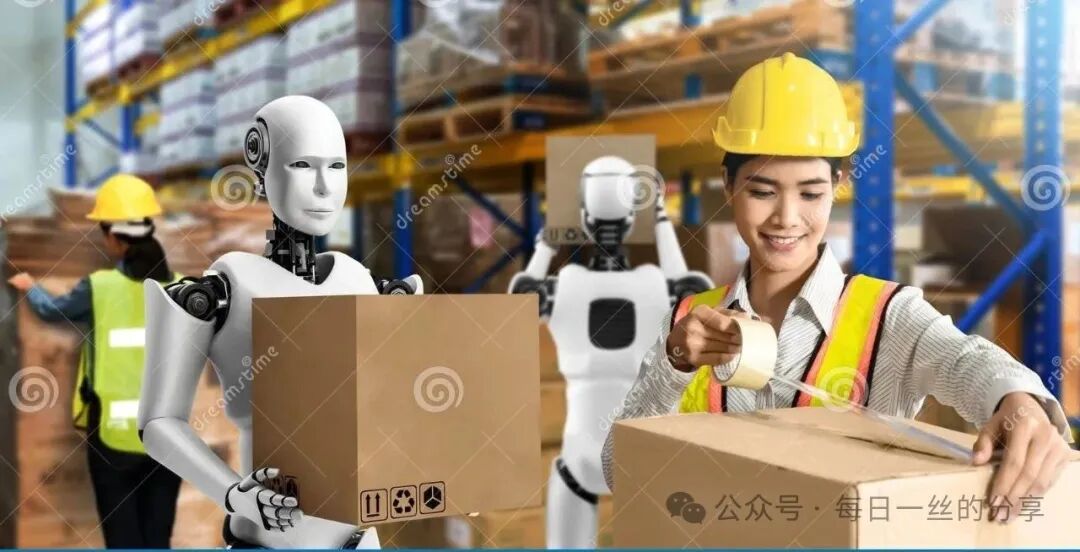
Human-Robot Collaboration in Warehouses
This framework describes various scenarios of human collaboration with automation systems in managing warehouse operations—ranging from basic human-robot collaboration, robot-led, and human-led, with advanced human-robot collaboration seen as a goal for future efforts in some enterprises.
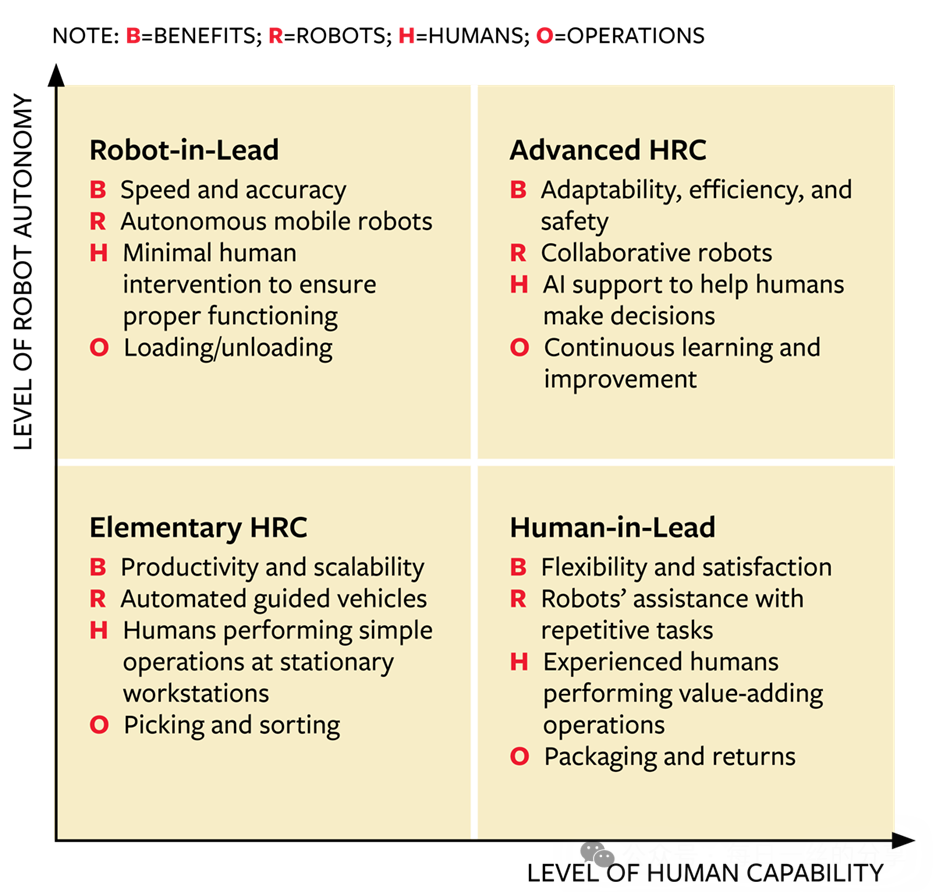
Types of Human-Robot Collaboration in Warehouses
Our 2×2 framework categorizes human-robot collaboration (HRC) based on the level of human capability and robot autonomy in warehouses. (See “Human-Robot Collaboration in Warehouses”) Below, we detail each scenario:
Robot-Led
When robot autonomy is high and the demand for human capabilities is limited to supervision and ensuring normal operation, robots can lead operations. For example, logistics company DHL has implemented dedicated robots in its medical logistics warehouses to automate unloading. These robots can autonomously detect, grasp, and place goods, performing reliably with minimal human intervention and working faster than humans. Similarly, online retailers such as Zalando and Lloyd have adopted mobile robots in their shoe warehouses to automate the picking process. In these scenarios, robots can complete tasks more efficiently and accurately due to their high autonomy, reducing error rates and enhancing operational efficiency.
Human-Led
When robot autonomy is low and the demand for human capabilities is high, humans lead the operations. This is more common in warehouses where human judgment, dexterity, and cognitive abilities are needed to handle tasks that robots cannot yet perform autonomously. However, robots still participate in repetitive, routine tasks to enhance efficiency. For example, in JD.com’s warehouses, humans select the most suitable boxes based on orders and use appropriate fillers to ensure safe shipment of goods, followed by robotic arms assisting in sealing and labeling, optimizing the workflow. Such tasks do not require highly autonomous robots, but robots can alleviate the physical burden on humans. Most value-creating operations heavily rely on human capabilities, especially in the luxury goods sector, where small details significantly impact brand reputation. For instance, Hermes uses high-quality packaging materials (such as tissue paper and ribbons) and manual packaging to ensure that product presentation meets the expectations of high-end customers.
Basic Human-Robot Collaboration
Compared to robot-led and human-led scenarios, collaborative scenarios provide a dynamic middle ground that combines machine speed with human flexibility. Currently, human-robot collaboration in warehouses is primarily at a basic stage, with the most prominent application being collaborative picking. The success of Amazon robots has made mobile robot fulfillment systems mainstream in modern e-commerce warehousing. In such systems, AGV is responsible for transporting shelves, while humans pick order items at fixed stations. This model significantly enhances warehouse productivity and offers good scalability—allowing adjustments to the number of robots and shelves as needed. Recently, human-robot collaboration has also been applied in sorting processes. Debon Logistics has introduced a robotic sorting system in its distribution center to enhance throughput. In this model, robots receive packages or items from human stations and transport them to designated locations, awaiting subsequent shipment. This way, robots significantly reduce human physical exertion and movement distance, while humans can fully leverage their expertise to efficiently manage tasks.
Advanced Human-Robot Collaboration
Basic human-robot collaboration prioritizes productivity and scalability, while advanced human-robot collaboration enhances efficiency, adaptability, and safety through the application of artificial intelligence technologies. This is particularly critical in labor-intensive and time-consuming warehouse operations such as e-commerce order picking, which accounts for over half of warehousing costs. For example, using AI reinforcement learning to optimize order allocation processes, considering ergonomics, robots can schedule based on human work status (such as speed or error correction), thereby reducing wait times and improving utilization. Furthermore, the coexistence of humans and robots in the same space enhances the system’s adaptability to unexpected situations, such as robot deadlocks or malfunctions. Based on historical operational data from warehouses, robot networks can leverage AI to generate proactive scenarios, aiding advanced human-robot collaboration in responding to potential disruptions. With advancements in AI, more collaborative robots (cobots) equipped with safety measures such as force control and speed control will emerge in the future, further ensuring a safe collaborative environment.
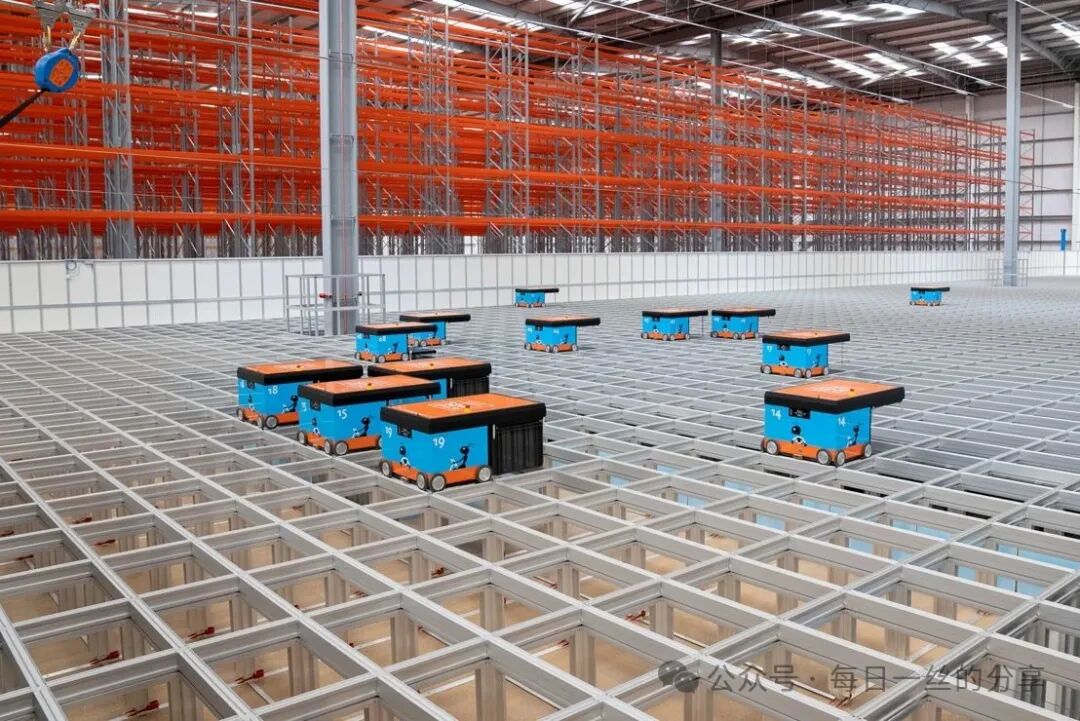
The Role of Artificial Intelligence in Advanced Human-Robot Collaboration
AI is an indispensable tool in supporting higher levels of human-robot collaboration. It demonstrates immense value in enhancing robots’ understanding of the environment, facilitating human-robot communication, customizing robot behavior based on human needs, optimizing task execution, and driving continuous improvement. Let’s examine the roles of AI in these key areas.
Situational Awareness
AI can enhance robots’ environmental perception in warehouses, helping them better respond to changes in the physical environment. For example, AMR (autonomous mobile robots) are typically deployed in low-traffic areas to reduce collision risks. However, with advancements in computer vision and reinforcement learning, robots can more accurately recognize human actions, allowing them to better share workspaces with humans. Additionally, AI-supported sensors help robots identify special handling needs for fragile or perishable items, automatically adjusting speed and grip strength during handling. These advancements reduce the need for continuous human oversight in daily operations, allowing humans to focus on exception management and higher-level decision-making. For instance, during peak e-commerce periods like Black Friday, online retailer Ocado utilizes AI demand forecasting models to enable robots to prioritize restocking hot-selling items and accelerate the fulfillment speed of urgent orders.
Communication
AI makes human-robot communication smoother and more efficient. Through advanced natural language processing technologies, workers can operate robots directly via voice commands without using complex instructions, even when busy, and receive clear and understandable feedback. Additionally, large language models (LLMs) support multimodal interactions, allowing humans to communicate with robots through images or videos. For example, at Maersk, workers can upload video information to communicate with robots, and the LLM interface generates detailed operational instructions to ensure robots execute tasks accurately. Moreover, multi-agent systems enable more complex and efficient collaboration among robots within the warehouse, achieving highly synchronized workflows and reducing the complexity of communication between humans and large numbers of robots.
Customization
With AI, robots can adjust their behavior to meet individual needs and workflows. For instance, robots can modify their work pace based on the fatigue levels of collaborating humans. Deep learning-driven task allocation can enhance warehouse collaboration efficiency. In Amazon’s fulfillment centers, Kiva robots optimize their routes based on the speed of human pickers, achieving seamless integration of workflows. This customization ensures that human flexibility is fully utilized while robots handle repetitive or high-intensity tasks, thereby enhancing overall productivity and employee satisfaction.AI also facilitates easier mobility for humans between different positions—the system adapts to skill changes and provides necessary support. For example, experienced pickers familiar with warehouse layouts and robot processes can transition to roles as robot fleet monitoring technicians, manage operations through data dashboards, or even become trainers for new employees.

Task Execution
AI continuously improves robots’ task execution capabilities by learning from operational data. For example, during order picking, AI analyzes historical data to help robots select the fastest and most accurate paths, reducing picking time. Companies like DHL and Americold utilize AI to predict demand peaks, adjusting operational capacity and robot operations in real-time to minimize downtime and enhance order fulfillment speed.AI also improves task accuracy—robots equipped with AI vision can detect product defects or labeling errors before shipment. Timely feedback provided by AI allows robots to continuously optimize their performance while enabling human supervisors to quickly identify anomalies (such as damaged goods or incorrect orders) and intervene.
Continuous Improvement
AI driven continuous improvement helps humans and robots optimize collaboration—constantly analyzing performance data and dynamically adjusting. In warehouse operations, AI can monitor key metrics such as order accuracy, robot efficiency, and human-robot interaction duration, and propose improvements as needed, such as optimizing shelf layouts to shorten movement distances, reallocating tasks based on human expertise, or enhancing training effectiveness based on repetitive patterns. For example, Alibaba’s smart warehouse not only allows robots to continuously optimize their workflows but also provides humans with suggestions for improving inventory management. Through continuous learning, AI helps enhance the roles of both humans and robots, enabling managers to achieve more efficient operations and quickly adapt to changes.
Developing Advanced Human-Robot Collaboration Capabilities
For enterprises to advance HRC, they need to focus on gradual capability enhancement, investing in systems that allow robots and humans to gradually take on more complex tasks. For instance, increasing robot autonomy in repetitive tasks like picking and sorting while enhancing human skills in logical and decision-making roles can help build a more efficient and reliable team.
Similarly, the introduction of AI should be viewed as a continuous optimization process rather than a one-time investment. Stakeholders should prioritize AI systems with adaptive optimization capabilities to continuously enhance warehouse operational levels. Additionally, developing AI platforms that integrate multi-channel data (including robots, human employees, and supply chain partners) can further improve operational efficiency and support tactical and strategic decision-making.
While robots are playing an increasingly significant role in warehouses, humans remain irreplaceable, especially in handling customer-centric tasks. Warehouse managers should exercise caution in pursuing fully automated operations, as the cost of replacing human flexibility with automation can be very high. At the same time, managers should encourage warehouse employees to prioritize developing new skills—such as proficiency in using large language models (LLM)—to more effectively leverage robot capabilities and collaborate with robots to maximize flexibility and performance.
In a human-robot collaboration (HRC) environment, the role of humans will shift from manual supervision to strategic management and exception handling. As HRC advances, stakeholders must retrain and upskill the workforce. This human-centered approach enables humans to collaborate with robots at a higher level, ensuring that the advancement of automation does not diminish human capabilities but rather enhances human value. Strategic investment in training programs that help employees transition from low-level operational roles to management and optimization roles in AI-driven workflows will be key to achieving long-term success.

The future of warehouse operations depends on the delicate balance between human capabilities and robot autonomy, empowered by AI . Understanding this dynamic and taking practical steps to integrate AI -driven human-robot collaboration systems will provide stakeholders with significant competitive advantages in efficiency, adaptability, and employee satisfaction. Although the journey towards advanced human-robot collaboration may be gradual, the key lies in recognizing the role of AI in continuously improving collaboration at every stage. By focusing on continuous improvement, human-centered design, and strategic planning, warehouses can evolve into efficient ecosystems where humans and robots coexist harmoniously.
Author Information
Benedict Jun Ma is a postdoctoral researcher at the MIT Digital Supply Chain Transformation Lab.Maria Jesus Saenz is the head of the lab and also serves as the executive director of the MIT Supply Chain Management Master’s program.
Recommended Marketing Frontier Books

Reflecting New Trends and Changes in the Digital Age
Embracing New Challenges in Marketing in the Era of Transformation
This book is a classic work by Philip Kotler, the “father of modern marketing,” providing readers with comprehensive and cutting-edge knowledge of marketing. The new 19th edition fully reflects the profound impact of digital technology on marketing, incorporating new marketing trends and innovative practices, especially in areas such as artificial intelligence, digital marketing, and influencer marketing, presenting new perspectives and applications. The book centers on customer value and customer engagement, highlighting the following six major themes:
01
Creating Value for Customers to Gain Value in ReturnCompanies must be adept at creating customer value, customer engagement, and managing customer relationships. The innovative framework of customer value and customer engagement, explained through the five-step model of the marketing process, runs throughout the book and is the fundamental logic of corporate marketing activities.
02
Customer Engagement and Digital and Social MediaThe new chapter on “Digital Marketing” guides companies on how to leverage digital technology to establish closer interactions with customers through precision marketing and omnichannel marketing, enhancing customer experience and better achieving customer engagement.
03
Building and Managing Strong Value-Creating BrandsWell-positioned brands and strong brand equity are the solid foundation for establishing stable customer relationships. This book discusses how to accurately position and manage brands to create valuable brand experiences.
04
Measuring and Managing Marketing ReturnsIn a marketing environment filled with uncertainty, marketers must ensure that marketing funds are effectively utilized. “Marketing accountability” has become an important component of strategic marketing decision-making.
05
Global Marketing and Sustainable MarketingMarketers must excel at operating brands sustainably on a global scale, enhancing their ability to predict demand changes based on insights into customer needs and business trends.
06
Marketing in Disruptive TimesDisruption in the marketing environment has always existed. For companies to develop and survive in disruptive times, they must create value for customers under volatility and uncertainty, as discussed in the book regarding DTC models, Outschool’s personalized education for all, etc.


Author Biography
Philip Kotler
Philip Kotler
is a professor emeritus of marketing at Northwestern University’s Kellogg School of Management, regarded as the “father of modern marketing.” Kotler received systematic training in economics at the University of Chicago and MIT, studying under Nobel laureates Milton Friedman, Paul Samuelson, and Robert Solow. He later applied his theoretical knowledge of economics to practice, focusing on the operation of market mechanisms and marketing activities, becoming one of the earliest pioneers in modern marketing and behavioral economics. He was the first recipient of the “Outstanding Marketing Educator Award” from the American Marketing Association (AMA), which called him “the most influential marketer of all time.” He is a founding member of the Marketing Hall of Fame and has authored numerous works, being the only scholar to win the “Alpha Kappa Psi Award” three times.Gary Armstrong is a professor at the Kenan-Flagler Business School at the University of North Carolina at Chapel Hill. He holds the only permanent endowed chair in undergraduate teaching at UNC and has won the school’s undergraduate teaching excellence award three times. He received the UNC Board of Governors Award for Excellence in Teaching, the highest teaching award granted by 16 universities in North Carolina. He has published numerous articles in academic journals and collaborated with various companies on marketing research, sales management, and marketing strategy formulation.Sridhar Balasubramanian is a professor and chair of marketing at the Kenan-Flagler Business School at the University of North Carolina at Chapel Hill. He has served as the senior associate dean of the MBA program and has won the school’s best teacher award eight times. His groundbreaking research has been cited over 12,000 times on Google Scholar. He focuses on “toolkit teaching,” transforming cutting-edge knowledge into useful and usable toolkits. He is widely involved in the business community, collaborating with over 50 organizations worldwide.
Translator Biography
Wang Yonggui
is a member of the Strategic Advisory Committee for the Construction of Autonomous Knowledge Systems in Higher Education under the Ministry of Education, a distinguished professor of the Changjiang Scholars Program, a recipient of the National Outstanding Youth Science Fund, a leading talent in the National “Ten Thousand Talents Program,” an expert in the Academic Degree Committee of the State Council for Business Administration, a member of the Teaching Guidance Committee for Business Administration in Higher Education; a recipient of the first National Excellent Textbook Award, an expert enjoying special government allowances from the State Council, a teaching master in Beijing, and a highly cited scholar in China from 2014 to 2024; he is the president, professor, and doctoral supervisor at Zhejiang Gongshang University, and the director of the China Intelligent Management Research Institute; he is the vice president of the Marketing Research Association of Chinese Higher Education Institutions, the vice president of the China Enterprise Reform and Development Research Association, and the vice president of the China Industrial Economics Association; he has presided over more than 20 provincial and ministerial-level projects, including major projects of the National Social Science Fund and key projects of the National Natural Science Fund; he has published over 100 papers in domestic and international academic journals and received nearly 20 provincial and ministerial-level research and teaching awards.
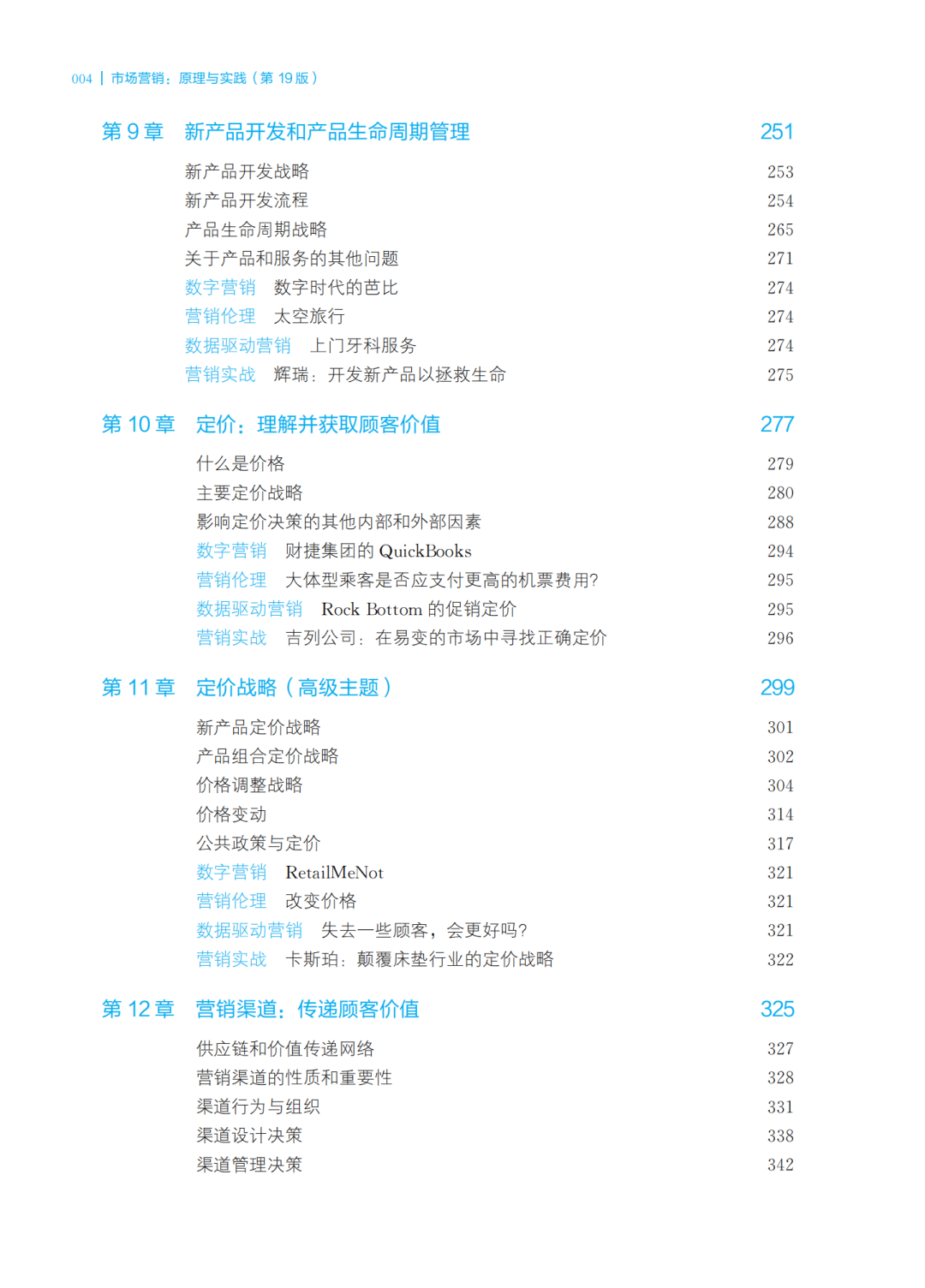
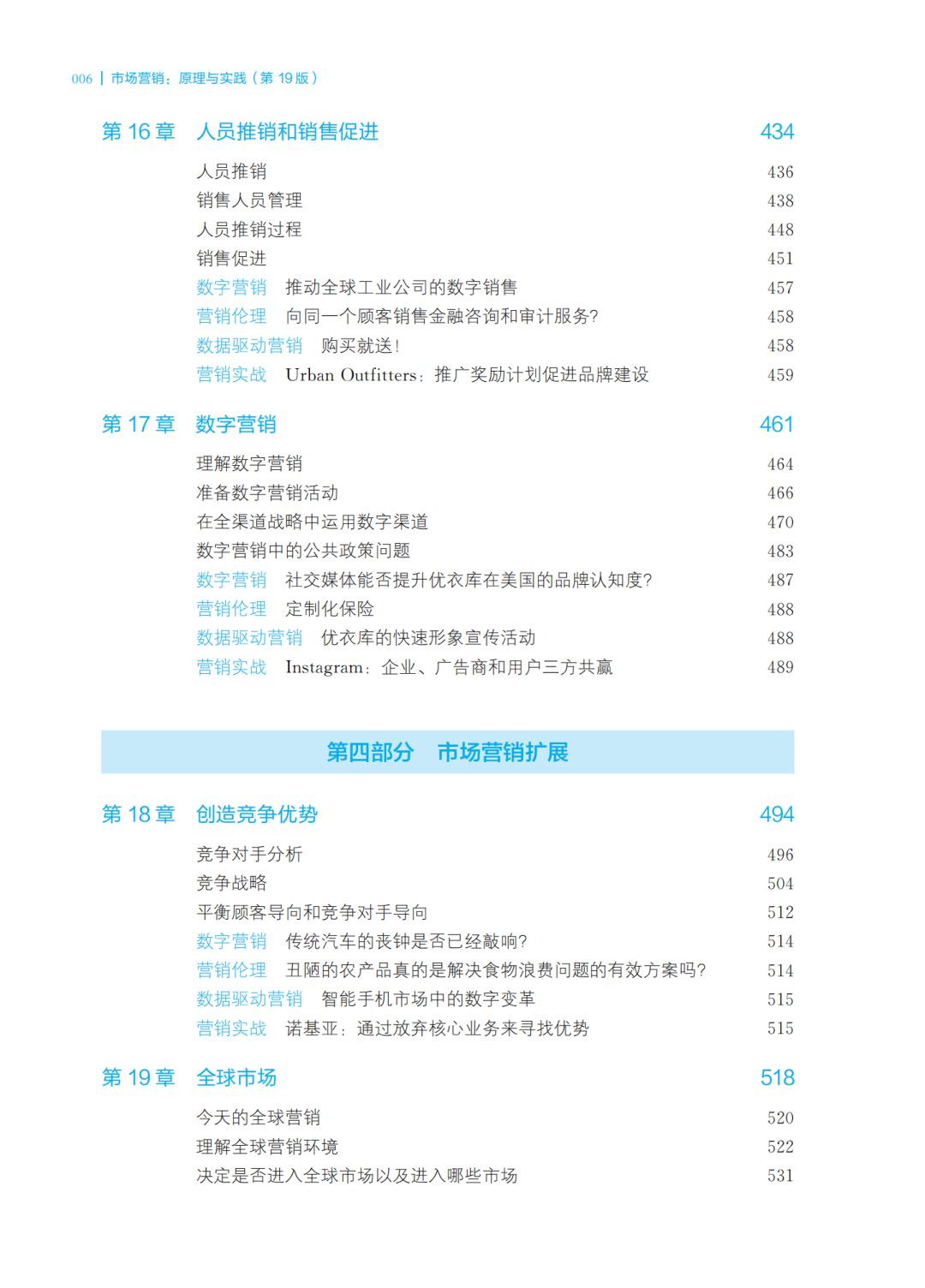


Swipe left to see more

Scan to Preview

Purchase Link
Click the image to purchase Marketing: Principles and Practice (19th Edition) Authors: Philip Kotler, Gary Armstrong, Sridhar Balasubramanian Translators: Wang Yonggui, Ma Shuang, Wang Na, Xiang Diandian, Hong Aoran ISBN: 978-7-300-33732-6 Price: 158.00 yuan (two-color printing) Publication Date: 2025.9 Exciting Excerpts
 “Marketing: Principles and Practice” (19th Edition) reflects the new trends and changes in marketing in the digital age.
- Customer Engagement Framework. Continuing the previous customer engagement framework—creating direct and ongoing customer engagement in shaping brands, brand dialogue, brand experience, brand advocacy, and brand community, introducing the latest customer engagement tools, practices, and developments.
- Digital Marketing. Treating digital marketing as a standalone strategy, focusing on the content that needs special consideration when implementing digital marketing activities, such as utilizing digital channels in omnichannel strategies and addressing public policy issues in digital marketing.
- Marketing Information and Customer Insight Management. From data sources to big data and market analysis, incorporating the significant transformation of marketing information management in the digital age.
- Marketing in Disruptive Times. Analyzing issues such as rapid advancements in digital technology, significant economic fluctuations, extreme environmental changes, social and political turmoil, and global health crises. Marketers must quickly adapt to new changes and flexibly formulate strategies that can respond to uncertain periods and the future.
- Diversity, Equity, and Inclusion (DEI). Focusing on how marketers apply DEI in strategy and action.
- Content Marketing and Marketing Communication. Marketers no longer just create advertisements and integrated marketing communication strategies; they must also engage customers, become content creators, and manage and share marketing content across paid media, owned media, free media, and shared media. This is one of the important features of this book and a significant distinction from other marketing books.
- Marketing Technology. Covering a wealth of marketing technology-related content: digital, online, mobile, and social media engagement technologies (Chapters 1, 4, 15, 17), big data, new marketing analytics technologies, the Internet of Things, and artificial intelligence (Chapters 1, 3, 4, 17), the significant transformation of omnichannel marketing and digital marketing (Chapters 13, 17), and marketing in the metaverse (Chapters 7, 17).
- Rapidly Changing Marketing Trends and Topics. Adding new content on innovations in traditional marketing areas and cutting-edge topics such as digital, mobile, and social media marketing, customer engagement marketing, customer journey, big data, artificial intelligence, and new marketing analytics, influencer marketing, significant digital transformation in marketing research, transformative changes in omnichannel marketing and retail, real-time customer listening, and marketing content creation and planning, technology-driven customer service, B2B social media, and social selling, dynamic pricing, etc.
New Cases: Real Corporate Marketing Practices Bring You Immersive Experiences.
- New corporate cases, applications, and exercises. Providing a wealth of new corporate cases, allowing readers to apply learned knowledge in real company marketing situations.
- New examples, marketing practices, and in-text instances. New examples highlight marketing issues faced by real companies, complementing the instances in the text and vividly showcasing contemporary corporate marketing practices.
Addressing New Challenges in Marketing in the Digital AgeToday’s marketing faces new challenges in creating customer value and engagement in a rapidly changing, increasingly digitalized, and socialized market. Marketing must first understand customer needs, identify target markets, and launch a compelling value proposition. Then, beyond sales, today’s marketers should focus on attracting customers and building deep customer relationships, making brands a meaningful part of customer dialogue and their lives.In the digital age, marketers have a dazzling array of online, mobile, and social media tools to engage customers anytime and anywhere, co-creating brand dialogue, brand experience, and brand community. Through this book, readers will learn how to leverage customer value and engagement to drive every good marketing strategy.Developing Professional Competence
- Real Marketing. Each chapter’s examples and marketing instances focus on real brand marketing strategies and contemporary marketing issues. For example, readers can learn why LinkedIn is valuable for B2B marketers; that AI in marketing is “more important than fire and electricity”; and that brands are competing to enter the “young” but rapidly developing marketing metaverse.
- Appendix 1 “Marketing Plan.” Contains a detailed marketing plan template to help readers apply important marketing planning concepts.
- Appendix 2 “Data-Driven Marketing.” Provides comprehensive guidelines for marketing financial analysis to guide, evaluate, and support marketing decisions. End-of-chapter exercises help readers apply financial analysis thinking to understand chapter concepts.