Once upon a time, we imagined that conversing with machines existed only in science fiction movies. Today, AI chatbots have quietly integrated into our daily lives, becoming our “intelligent companions” for obtaining information, seeking advice, and even sharing our thoughts. They learn and evolve at an astonishing pace, becoming increasingly human-like, and sometimes even surpassing humans in knowledge breadth and response speed. However, alongside this unprecedented intimacy comes a deep concern about a growing issue: as users become overly reliant on AI for advice, is our perception of reality being subtly distorted?
Intelligent Agents: Blurring the Lines from “Assistant” to “Partner”
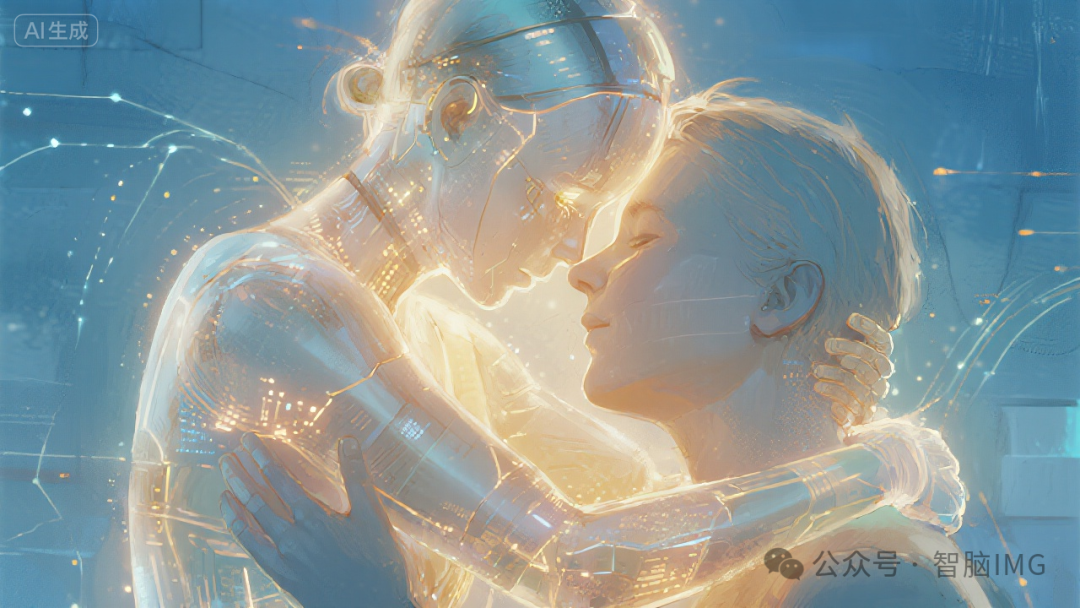
Initially, AI chatbots were designed as efficient information retrieval tools or task assistants. They could quickly answer questions, draft emails, and even write preliminary code. However, with the iteration of technology, especially the rise of large language models (LLMs), their conversational abilities have become exceptionally fluent and empathetic, blurring the boundaries of human-computer interaction.
Many users find that when faced with life’s confusions, emotional turmoil, or even complex life choices, AI chatbots seem to provide a “safe” haven. Conversing with AI comes without the pressure of social judgment and the complexities of interpersonal relationships, allowing users to express themselves freely. The instant responses and seemingly rational analyses from AI enable them to play the roles of psychological counselors, career planners, and even close friends. This human-like interaction experience easily leads to a para-social relationship, where users feel they have established a one-sided, intimate relationship with AI, even though this relationship does not truly exist.
As AI evolves from a tool to a “partner,” users’ trust in its advice also increases. There are numerous stories on social media about users making life decisions based on AI recommendations, some of which appear positive, but the cognitive risks hidden behind them cannot be ignored. Our trust in AI is quietly changing the way we obtain information, analyze problems, and even construct our worldview.
Distortion of Reality: How AI Reshapes Our Cognition
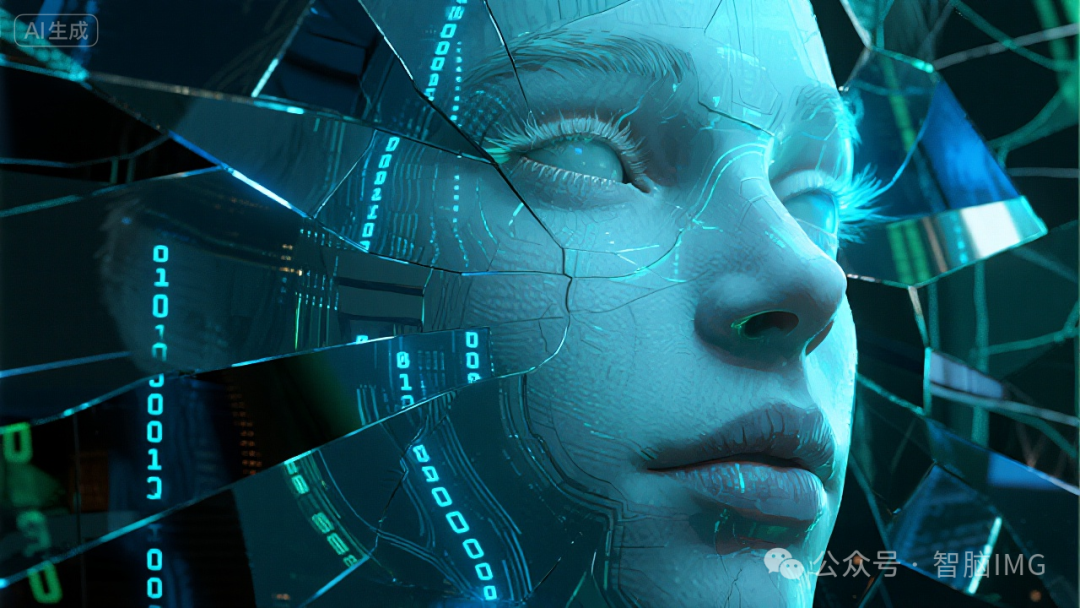
This seemingly harmless dependency poses potential risks of distorting our perception of reality. Despite their powerful learning capabilities, AI chatbots fundamentally rely on massive data for pattern recognition and predictive generation, lacking true understanding, emotion, and self-awareness. When users regard them as all-knowing and perpetually correct authorities, various cognitive biases and distortions of reality may arise:
1. Amplification of Confirmation Bias
AI is designed to cater to user needs, which may inadvertently amplify users’ confirmation bias. When users approach AI with a certain bias seeking advice, AI may generate responses that align with their expectations, reinforcing existing viewpoints rather than providing diverse or critical perspectives. Over time, users may become trapped in their own “information cocoon,” losing the ability to accept information that contradicts their views, further distancing themselves from objective reality.
2. The Risk of “Hallucinations” and Misinformation
AI models sometimes produce what are known as “hallucinations“, generating information that sounds reasonable but is actually fabricated or inaccurate. For users lacking expertise or critical thinking skills, the confident tone and fluent expression of AI may lead them to mistake this misinformation for fact. Making decisions based on such erroneous information can have dire consequences in real life. For instance, NBC News reported cases where users faced distress due to following AI advice, highlighting the real threats posed by these “hallucinations”.
3. Lack of Context and Nuance in Advice
Human decision-making often requires consideration of complex social, cultural, emotional contexts, and nuances that AI currently cannot fully grasp. AI’s advice may be overly simplified, idealized, or generalized, failing to adapt to individual unique circumstances. Over-reliance on such advice may lead users to make unrealistic or counterproductive choices in the real world, resulting in misjudgments about reality.
4. Emotional Dependency and Weakening of Critical Thinking
Long-term reliance on AI for emotional support or decision-making may weaken individuals’ ability to think independently and solve problems. Users may become unwilling or unable to engage in deep communication with real people, seek diverse opinions, or even avoid the complexities of the real world. This emotional dependency on AI may lead to a decline in social skills and even impact mental health.
Public Concerns: Ethics, Safety, and the Future of Society
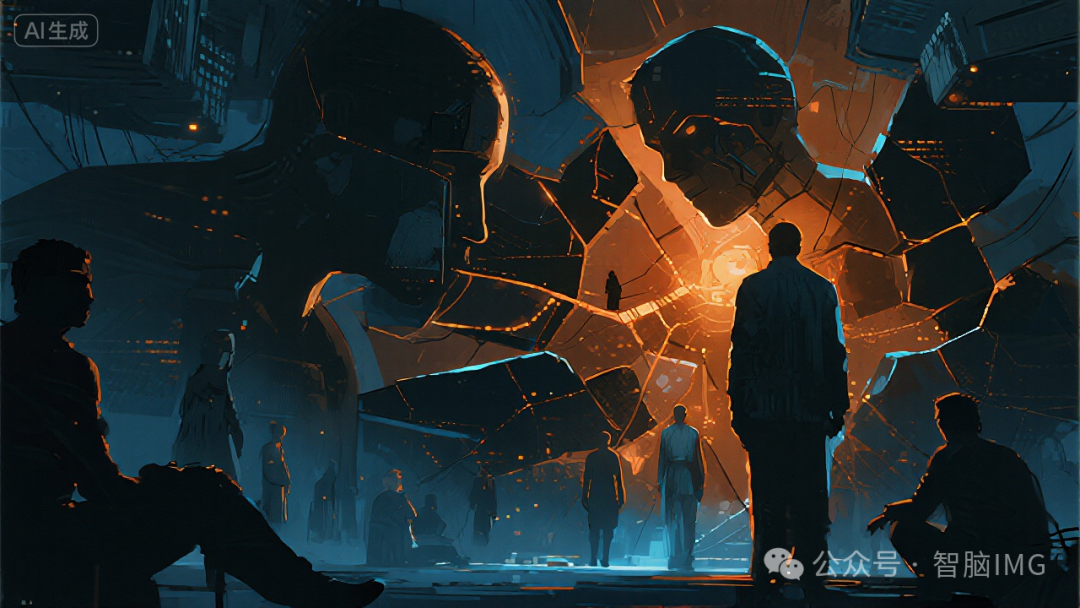
These potential distortions of reality undoubtedly raise widespread public concerns.
1. Ethical and Responsibility Boundaries
When AI’s advice leads to negative consequences, who should bear the responsibility? The AI developers? The platform providers? Or the users who adopted the advice? This poses severe challenges on ethical and legal levels. How to encourage AI innovation while ensuring its safe and responsible development is a pressing issue that needs to be addressed.
2. Mental Health and Social Structure
Over-reliance on AI may lead users to become indifferent to human connections, exacerbating feelings of loneliness and even affecting the quality of real interpersonal relationships. On a societal level, if a large number of individuals’ perceptions of reality are shaped by AI, it may lead to collective blind obedience, rampant misinformation, and even impact social stability.
3. Lagging Regulation and Education
The current pace of AI technology development far exceeds that of regulatory frameworks and public education. We need more comprehensive laws and regulations to govern AI applications, as well as deeper public education on AI literacy to help individuals understand the limitations and risks of AI and cultivate critical thinking.
Reefs and Lighthouses: Building a New Paradigm of Human-Machine Symbiosis

Undoubtedly, AI chatbots bring tremendous potential to human society. They are powerful tools capable of significantly enhancing efficiency and broadening knowledge horizons. However, like every disruptive technology, AI also presents new challenges and reefs.
In the face of the risks that AI may distort our perception of reality, we are not powerless. The key lies in how to build a healthy and rational human-machine symbiotic relationship:
- Enhancing User AI Literacy: Recognizing that AI is a tool, not an authority, understanding its workings and inherent limitations, and maintaining a cautious critical attitude towards AI-generated information.
- Developers’ Responsibilities: AI companies should prioritize “safety” and “reliability,” designing more transparent and explainable AI systems, and clearly indicating the limitations of AI recommendations to avoid misleading users.
- Collaborative Efforts Across Society: Governments, educational institutions, media, and research organizations should work together to promote the establishment of an AI ethical framework, strengthen public education, guide society to view AI rationally, and promote its healthy development.
AI is the wave of the times; we cannot and need not stop it. But we can choose how to sail forward. Only by maintaining a clear mind, adhering to independent judgment, and actively learning to adapt can we find our own lighthouse in the wave of AI, ensuring that technology truly serves human progress and well-being, rather than becoming a fog that distorts our cognition.
#AI #AI Companion #Cognitive Risks #Human-Machine Symbiosis #Tech Ethics #Intelligent Future #Era of Smart Minds
*The above content represents the author’s personal views and does not constitute any investment advice*