Semiconductor manufacturing is one of the most complex and precise fields in the contemporary industrial system, with the wafer fabrication plant (Fab) being its core carrier. Within the Fab, the Sub Fab (support facilities) does not directly participate in wafer processing but is crucial for ensuring the entire manufacturing process operates efficiently, stably, and safely.
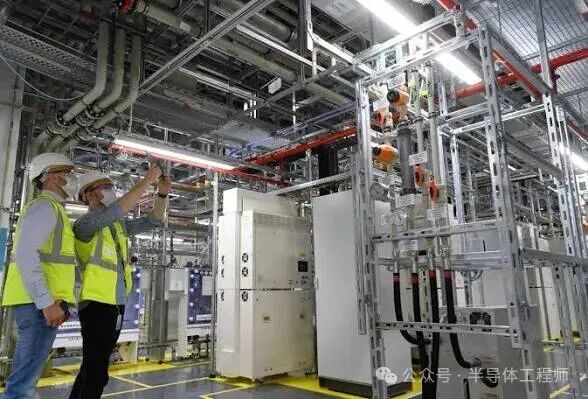
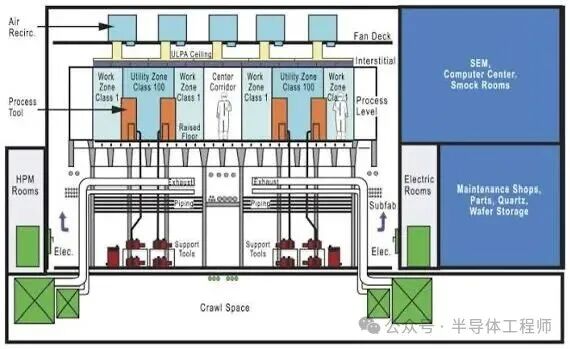
1 Definition and Importance of Sub FabSub Fab, commonly referred to as “support facilities” or “lower support layer,” refers to the supportive space located directly beneath or adjacent to the main wafer manufacturing area (Main Fab). It does not house wafer processing equipment but contains the necessary infrastructure to support the upper process equipment. In semiconductor production, the main Fab layer must maintain extremely high cleanliness; any vibrations, temperature fluctuations, or contaminants can lead to product defects.
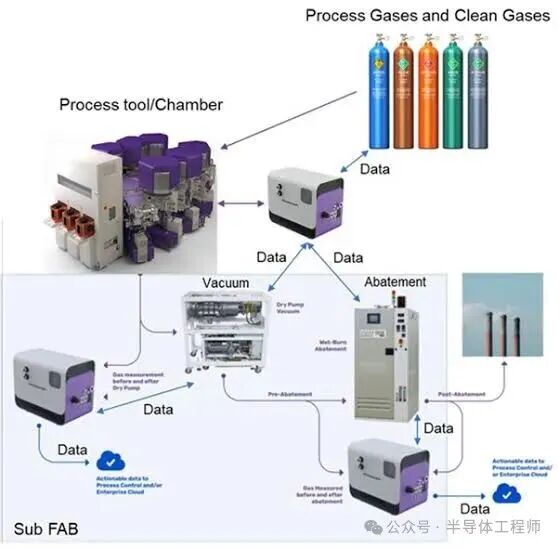
The Sub Fab physically isolates supportive activities from the core manufacturing area by housing equipment that generates vibrations, noise, heat, or potential contamination, thereby ensuring a stable production environment in the main Fab layer.As semiconductor process nodes continue to advance, the requirements for environmental control become increasingly stringent, highlighting the importance of the Sub Fab.
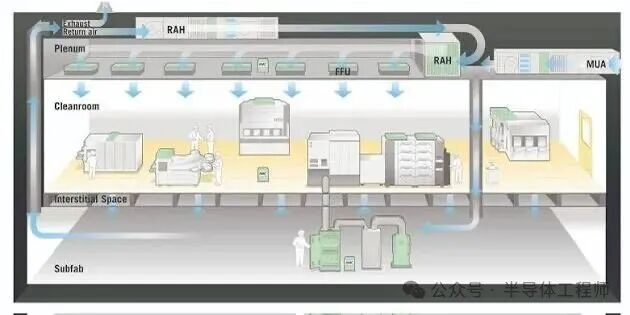
A scientifically designed Sub Fab can significantly enhance equipment utilization, reduce downtime risks, and optimize overall operational costs, making it an indispensable component of modern advanced wafer fabs.2 Core Functions of Sub FabThe functions of the Sub Fab cover several key support aspects of semiconductor manufacturing, which can be summarized into the following three main functions:· Isolation and Support: The Sub Fab serves as the “foundation” of the main Fab layer. It isolates high-vibration or potentially contaminating equipment, such as vacuum systems, power distribution, and chemical delivery, from the sensitive core manufacturing area. This physical separation effectively prevents vibrations from being transmitted to process equipment, avoiding wafer alignment deviations or pattern distortions. At the same time, it also isolates heat and noise, creating a stable production environment for the upper layer.
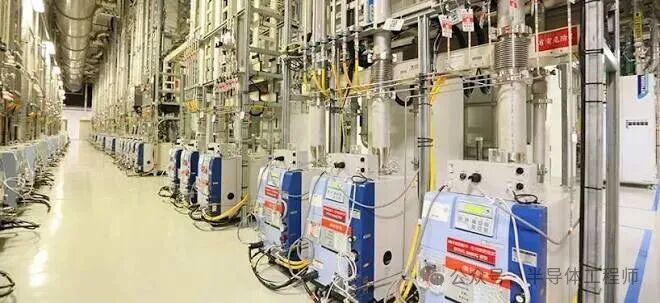
· Resource Allocation and Management: The Sub Fab is the “arterial system” of the wafer fab. All critical process media—including ultra-pure process chemicals, specialty gases, ultra-pure water, and vacuum—are precisely delivered to each production device above through a pipeline network distributed within the Sub Fab. This centralized distribution and management enhance resource utilization efficiency and facilitate monitoring and control.
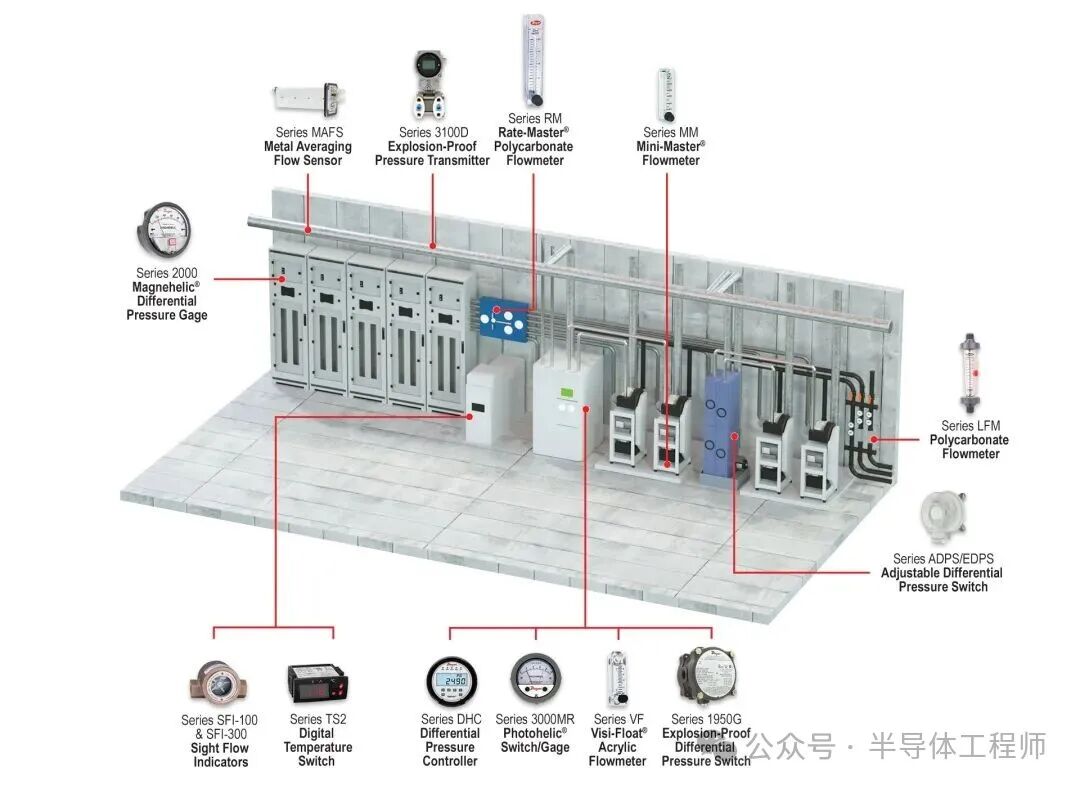
· Safety and Environmental Control: The Sub Fab acts as the “safety barrier” of the factory. Many devices involving hazardous chemicals or gases are placed here; in the event of a leak, the Sub Fab’s independent space and dedicated ventilation system can handle the situation promptly, preventing hazards from spreading to the main Fab. Additionally, the Sub Fab typically has pre-treatment devices for some wastewater and exhaust gases to meet environmental discharge requirements.3 Internal Facilities of Sub FabThe Sub Fab is a space dense with equipment and complex systems, primarily composed of the following key systems:Table: Main Systems and Functions within Sub Fab
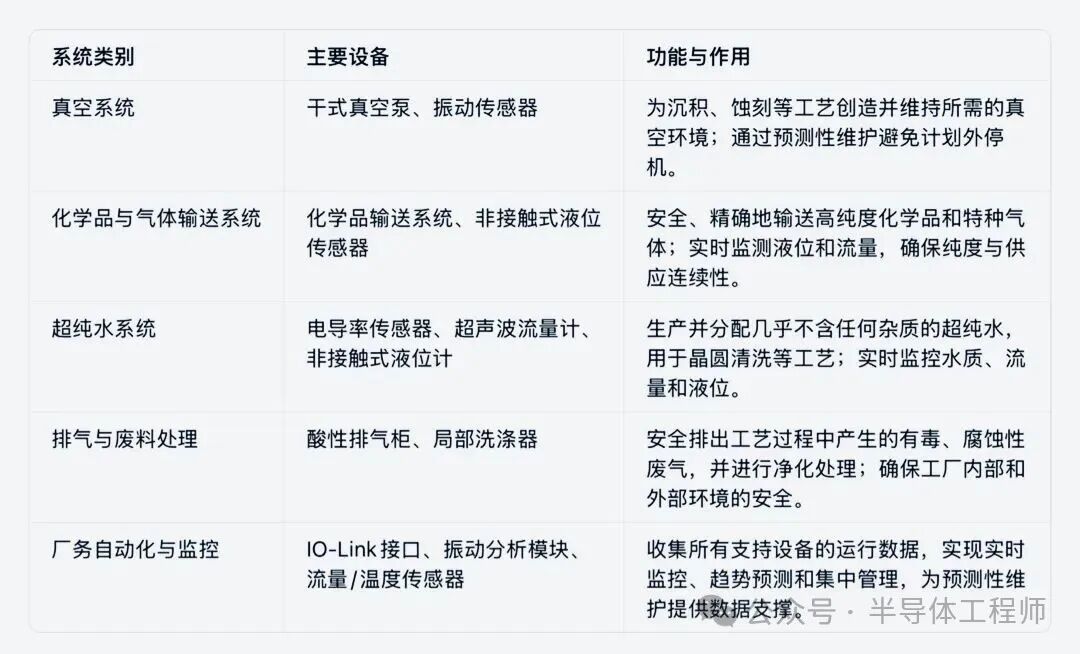
Moreover, the Sub Fab is usually equipped with numerous power distribution units, cooling water pipelines, etc., providing stable power and cooling support for all equipment.
In advanced wafer fabs, the application of communication technologies such as IO-Link has significantly improved the intelligence level of the Sub Fab, with data collected by sensors being sent to higher-level software systems for trend prediction and analysis, enabling real-time monitoring of equipment health.
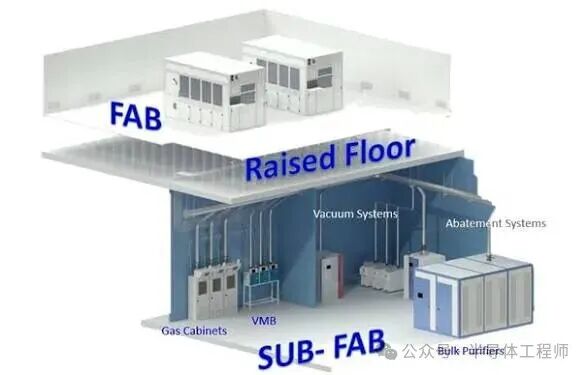
4 Differences Between Sub Fab, Main Fab, and “Basement”Understanding the Sub Fab requires clarity on its distinctions from the main Fab and the traditional “basement” concept.· Sub Fab vs. Main Fab: The core difference between the two lies in their functional positioning. The main Fab is where core wafer manufacturing processes such as lithography, etching, and deposition occur, carrying out direct value-added activities. In contrast, the Sub Fab is a supportive space, with all activities centered around ensuring the stable operation of the main Fab.
The environmental requirements of the main Fab are ultra-clean, temperature and humidity controlled, and micro-vibration, while the Sub Fab focuses more on functional practicality, safety isolation, and efficient maintenance.· Sub Fab vs. Traditional Basement: The phenomenon where “some small fabs (like 8-inch fabs) only have basements” essentially reflects differences in the integration and scale of support facilities, rather than an absolute difference in functionality.
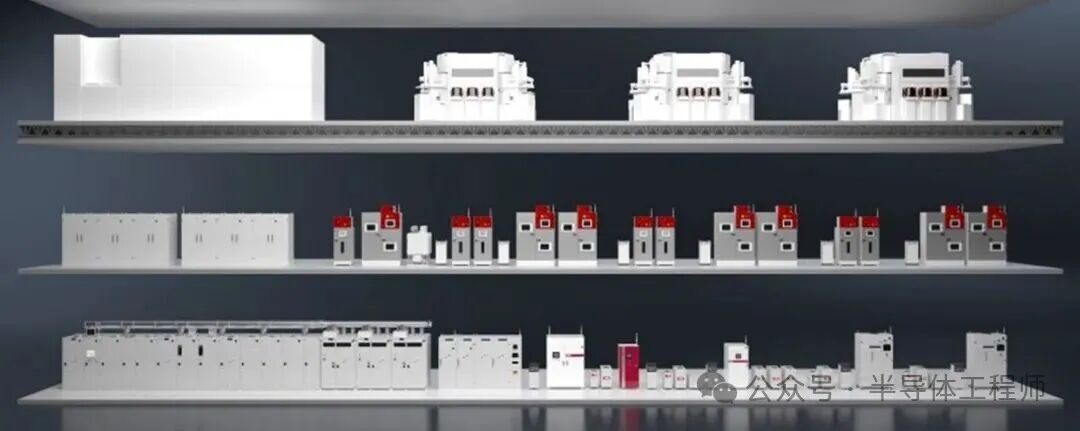
· Advanced Sub Fab: This is an integrated space designed with high specialization and modularity. Its layout is meticulously planned, with high standards for equipment installation, ample maintenance pathways, and strict correspondence with the equipment positions in the main Fab, reflecting the design philosophy of “proactive support.” · Traditional Basement: In some older or lower-technical 8-inch fabs, the basement may merely serve as a basic shared equipment storage space. It performs functions similar to the Sub Fab (such as housing pumps, pipelines, etc.), but the design and standards regarding spatial layout, environmental control, automation monitoring, and vibration isolation are typically not as strict and optimized as those of a specially designed Sub Fab. In this model, the matching efficiency between support equipment and main process equipment, as well as the flexibility to respond to failures, may be relatively low.5 Hazard Factors and Safety Protection in Sub FabThe Sub Fab is a high-risk operational area due to its dense equipment and complex systems, making it crucial to fully understand its hazard factors and implement safety protections.
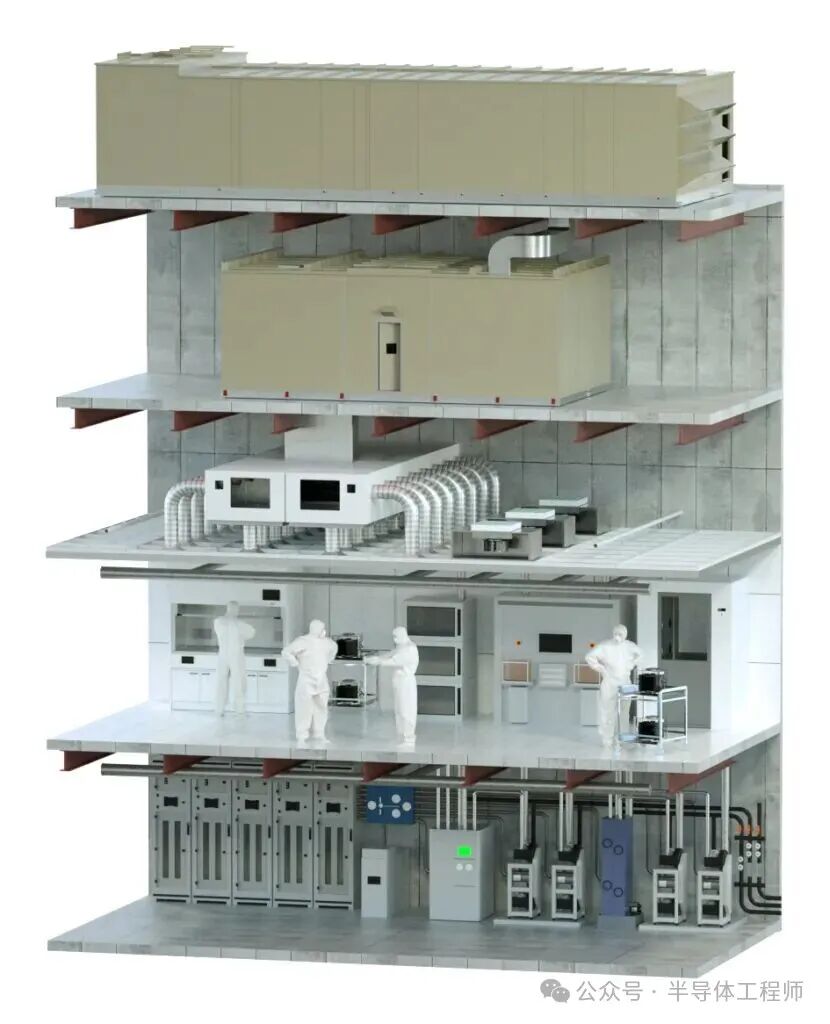
5.1 Main Hazard Factors· Mechanical Hazards: The space is filled with pipelines, pumps, large storage tanks, and various valves, with a typically compact layout. Personnel inspecting or maintaining the area face risks of bumps, tripping, or even head impacts against hard equipment edges.
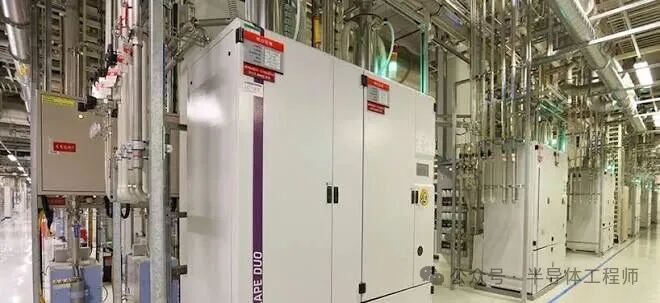
· Chemical Hazards: The chemicals being transported and stored may be corrosive, toxic, or flammable. If pipelines, joints, or storage tanks leak, it could lead to chemical burns, poisoning, or fire and explosion incidents.· Falling Objects: The Sub Fab often employs a multi-layer layout, with equipment pipelines arranged in layers. Tools, parts, and other objects placed on upper platforms or supports may fall due to looseness, posing a threat to personnel below.· Electrical Hazards: With numerous power cabinets, motors, and cables distributed throughout, there is a risk of electric shock. This risk is further exacerbated in humid environments (such as near water system equipment).· High/Low Temperature Surfaces: The surfaces of equipment such as vacuum pumps, cooling water pipelines, or steam pipelines may be extremely hot or cold, and accidental contact could result in burns or frostbite.5.2 Core Protective Role of Safety HelmetsIn environments like the Sub Fab, safety helmets are the most basic and essential personal protective equipment for protecting the head safety of workers. Their roles mainly include:
· Protection Against Falling Objects: Preventing fatal injuries to the head from falling objects (such as tools or loose parts).· Prevention of Collision Injuries: Avoiding severe impacts to the head from fixed equipment, pipelines, or structures when personnel bend down or look up.5.3 Selection and Standards for Safety HelmetsIn the specific environment of the Sub Fab, the selected safety helmets must meet strict national or international standards. For example, in China, they must comply with GB 2811-2019 “Head Protection Safety Helmets” standard, which requires helmets to pass impact absorption performance (5kg steel hammer dropped from 1m, impact force ≤4900N) and puncture resistance tests (3kg steel cone dropped from 1m, no penetration). For areas with electrical risks, helmets with appropriate electrical insulation performance (such as E-class helmets that can withstand 20000V voltage tests) should be chosen. Additionally, safety helmets must be within their effective usage period (plastic helmets generally do not exceed two and a half years) and any helmet that has been subjected to a heavy impact or is damaged must be immediately discarded.
6 Design Considerations for Sub FabDesigning an efficient and safe Sub Fab is a complex system engineering task that requires comprehensive consideration of several aspects:· Spatial Layout and Accessibility: The design must be forward-looking, accommodating not only current equipment but also reserving space for future technology upgrades or capacity expansions. Equipment layout should follow clear logic and reasonable flow principles, with functionally related systems arranged nearby to shorten pipeline paths, reduce pressure drops, and minimize energy consumption. At the same time, sufficient width and unobstructed maintenance pathways must be reserved to ensure personnel can safely and conveniently access equipment for routine inspections, maintenance, and component replacements.· Safety Protection Design: · Structural Safety: Platforms and supports that bear heavy equipment must undergo rigorous structural calculations to ensure stability. · Chemical Safety: Areas storing hazardous chemicals should have leak containment and emergency wash facilities. · Gas Safety: Areas using toxic or flammable gases must be equipped with highly sensitive gas leak detectors and accident exhaust systems, with the exhaust system linked to alarm devices. · Fire Protection System: Appropriate automatic fire extinguishing systems, such as gas extinguishing or water spray systems, should be configured based on risk types (electrical, chemical, etc.).· Operation and Maintenance and Human-Centric Design: · Environmental Comfort: Although it is an equipment area, basic lighting, ventilation, and temperature should also be considered, as these factors affect personnel comfort, equipment lifespan, and inspection quality. · Signage System: Establish clear and uniform color coding for pipelines and equipment labels, indicating media, flow direction, voltage, and other key information to reduce the risk of operational errors. · Ergonomics: Frequently operated components such as valves and switches should be installed in easily accessible positions to avoid personnel climbing or adopting unsafe postures during operation.
The Sub Fab is a highly specialized and indispensable component of the semiconductor manufacturing ecosystem.
It silently supports the efficient and stable production of advanced chips in the main Fab layer through careful functional zoning, system integration, and safety design. As semiconductor technology advances towards finer processes, the design and operational management of the Sub Fab will undoubtedly continue to evolve towards greater intelligence, integration, and safety.
Author: Semi Dance

Engineer Zhao
13488683602
Submission/Promotion/Group Entry/ Reprint