In real-time systems, memory is not just about efficiency, but also about predictability and reliability. Poor memory management can lead to missed deadlines, instability, and even become a barrier to safety certification.

Here are some proven best practices:
• Prefer static allocation → predictable and controllable.
• Correctly size tasks and system stacks → cover every event.
• If dynamic allocation is unavoidable → use strictly constrained memory pools.
• Avoid nested interrupts → reduce unpredictability.
• Fail safely under pressure (e.g., if the memory pool is exhausted) → high watermarks and graceful degradation.
In safety-critical systems, every byte is a liability, and every byte needs to be accounted for.
Read the original article to learn how SAFERTOS enforces reliability where predictability is paramount.
Recommended reading: “Embedded Real-Time Operating Systems – Theoretical Foundations”. This book introduces the basic concepts of embedded real-time operating systems (RTOS), including what an RTOS is, the components and structure of an RTOS, why to use an RTOS in design, the microprocessor architectures (single-core and multi-core) on which RTOS runs, and centralized and distributed computing systems. It then delves deeper into RTOS kernel mechanisms, detailing scheduling methods, communication mechanisms, memory management, and resource sharing, which are core theoretical knowledge of RTOS. The author, drawing on extensive experience in real-time systems engineering and research, analyzes scheduling strategies, discusses the use of performance testing and related analysis tools for RTOS, and provides solutions to practical problems. Safety-critical systems are an important application scenario for embedded real-time operating systems, and the book concludes with a dedicated chapter discussing issues related to using RTOS in safety-critical systems, which is very specific and practical. Readers of “Embedded Real-Time Operating Systems – Theoretical Foundations” can be students in related majors at higher education institutions, engineers looking to enter the software field, software engineers about to enter the embedded field, or enthusiasts interested in real-time systems.
Recommended reading Chapter 6 on Memory Usage and Management and Chapter 13 on Using RTOS in Critical Systems
For teaching needs, please contact Teacher He at [email protected].
 Functional Safety Article Recommendations
Error Checking Mechanisms in RTOS
Information Security in Embedded Systems
Stream Buffer Communication Mechanism in RTOS
Use of Local Storage Pointers in RTOS
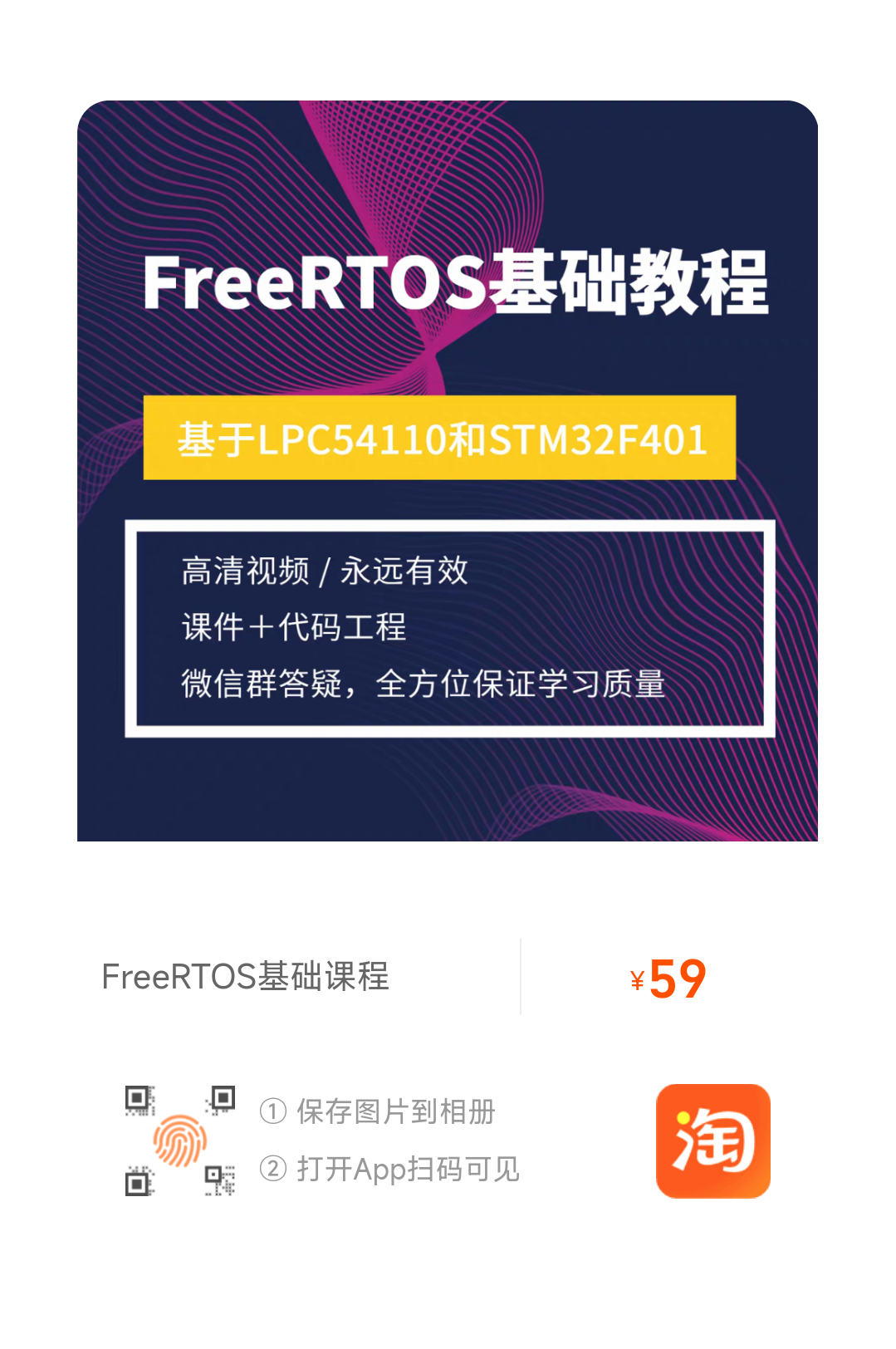
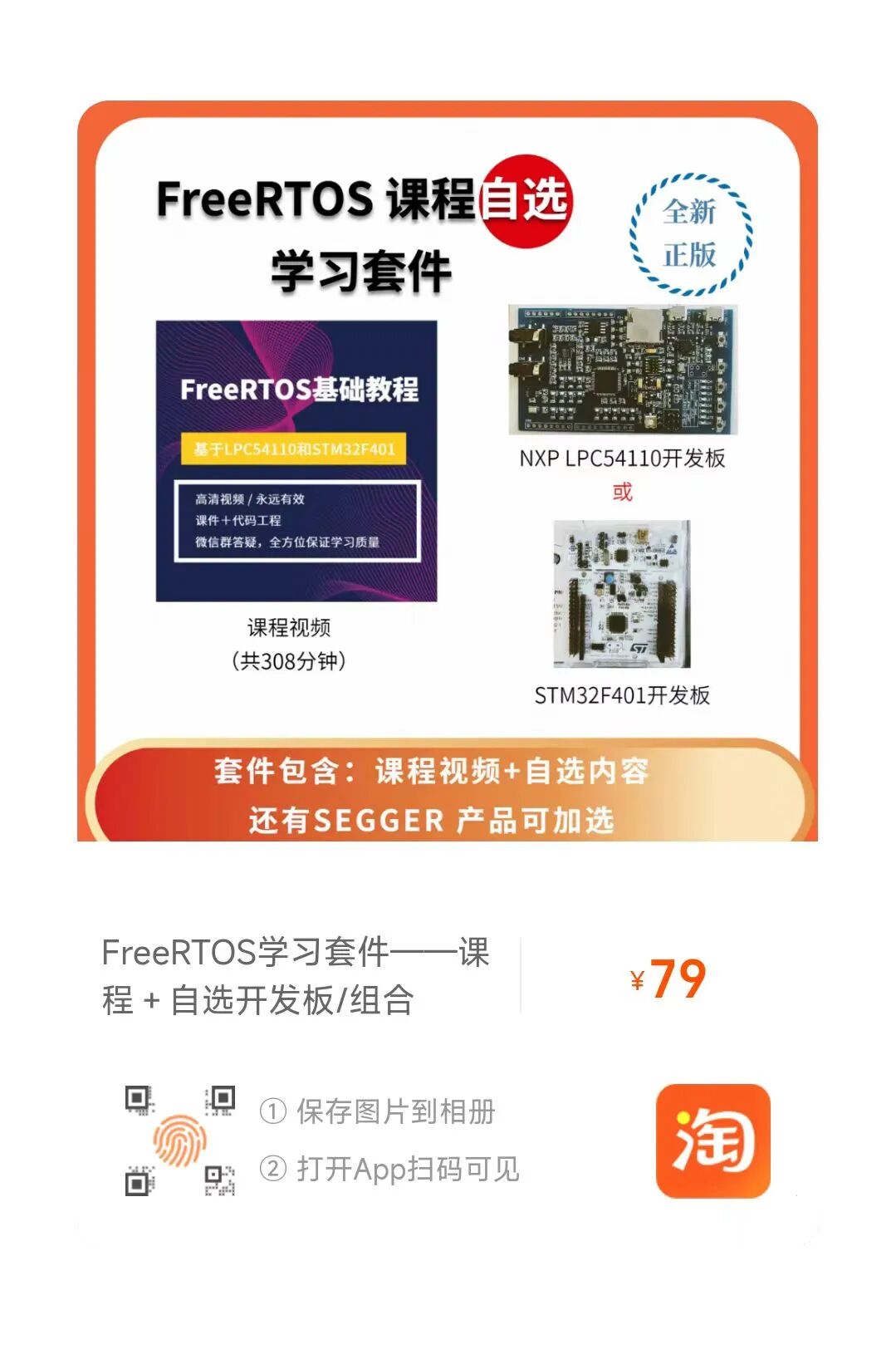
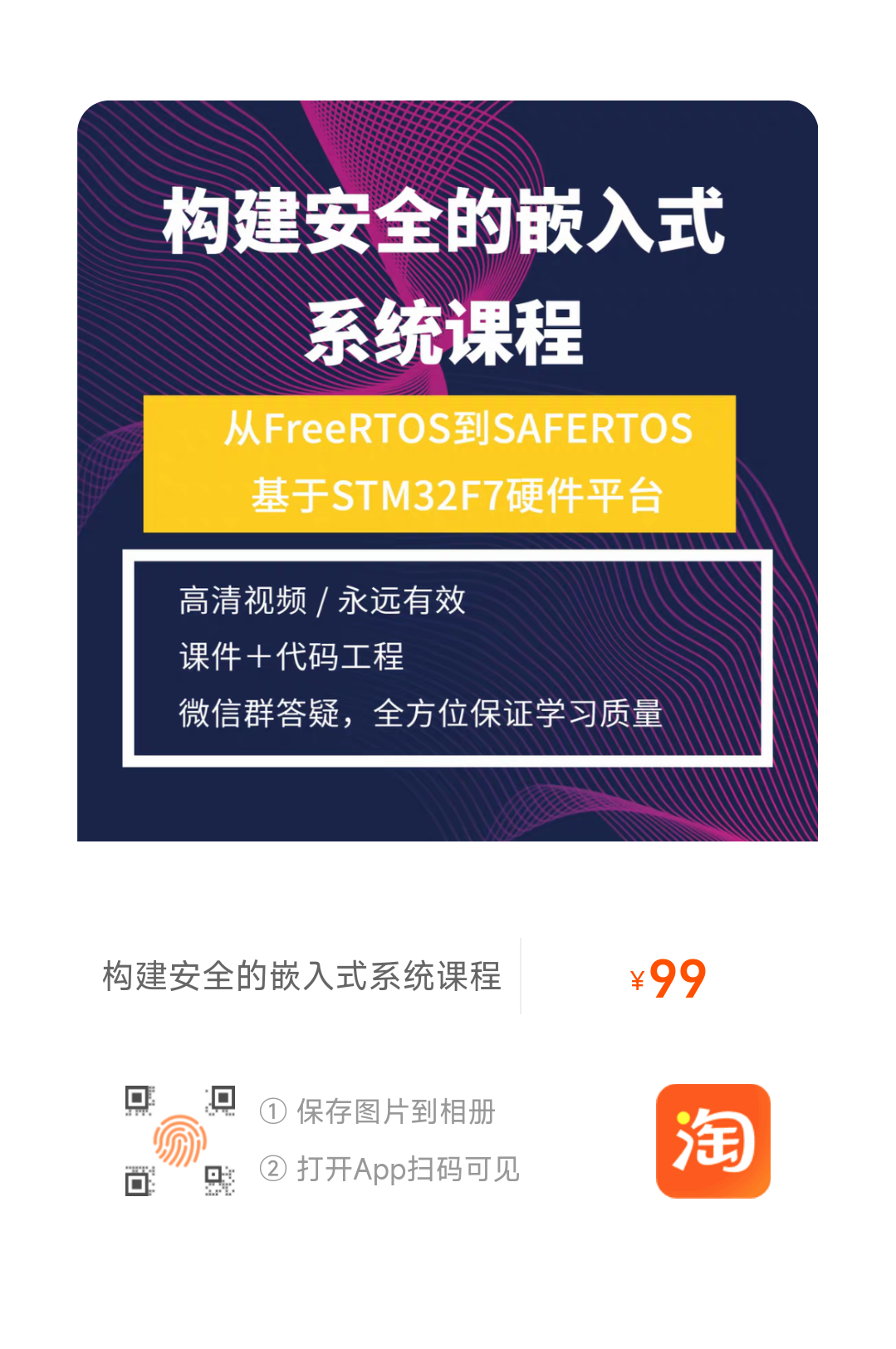
Save the image to your album, open Taobao on your phone and scan to purchase.

Product Purchase (Taobao)

Online Courses (Web School)
Welcome to follow our WeChat public account【MicTech Technology】, reply “Join Group” to join the technical exchange group as prompted.
Product Consultation:
Beijing: 010-62975900
Shanghai: 021-62127690
Shenzhen: 0755-82977971
 Share, view, and like, at least I want to have one!