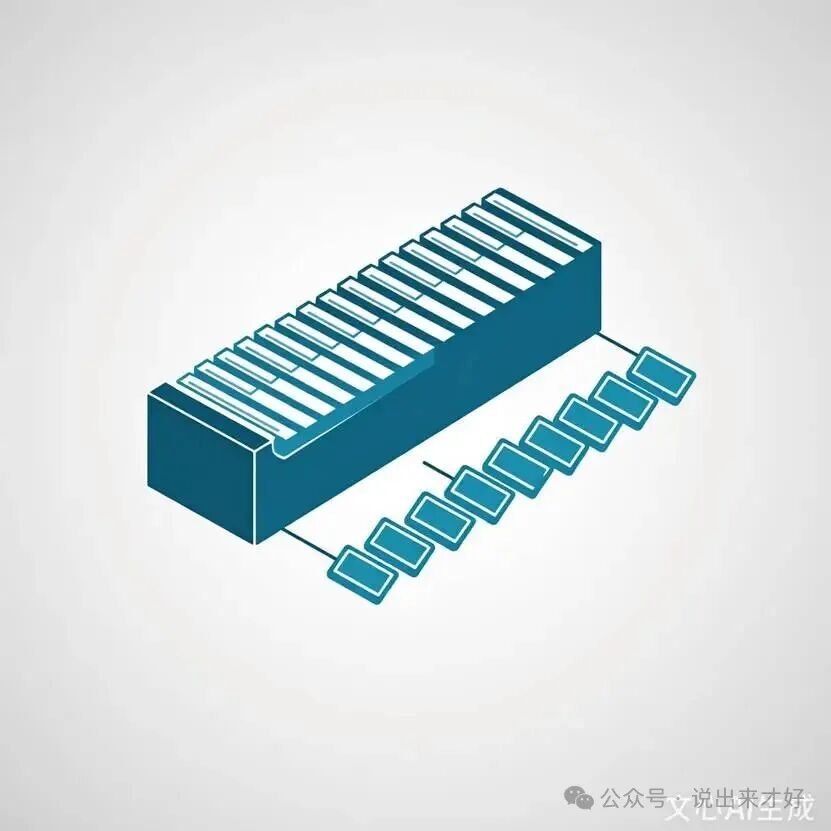
 1. Core Differences: Memory Structure Determines Performance CharacteristicsVector uses a contiguous memory layout, with elements arranged neatly like soldiers, supporting O(1) complexity for random access, but insertion and deletion require moving subsequent elements. List, on the other hand, resembles a pearl necklace, with each node connected by pointers, supporting O(1) complexity for insertion and deletion at any position, but sacrificing random access performance. As shown in the image above, vector will trigger a “relocation” memory reallocation when expanding, while list only needs to adjust pointer references.
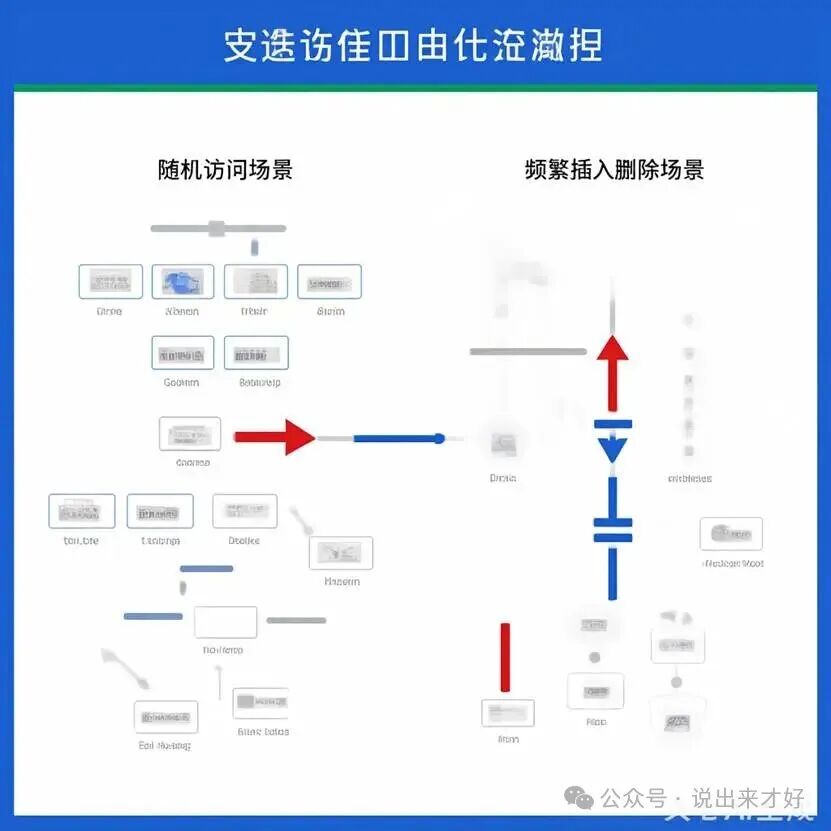 2. Scene Selection: Efficient Matching with Scenarios
·Vector Suitable Scenarios: High-frequency tail operations (such as logging), random access needs (such as matrix calculations), and scenarios with known maximum capacity. Typical cases include dynamic storage of pixel arrays in image processing and temporary containers in sorting algorithms.
·List Suitable Scenarios: Frequent middle insertions (such as task queues), need for stable memory addresses (such as observer patterns), and scenarios with large differences in element sizes. Typical cases include implementing linked data structures and recording for undo/redo functionality in editors.
 3. Iterator Comparison: Essential Differences in Operation MethodsVector is equipped with random access iterators, supporting ++, —, +, –, and other arithmetic operations, allowing direct jumps to any position. List uses bidirectional iterators, only supporting forward and backward movement, but insertion and deletion do not invalidate the iterator (except for the deleted element). As shown in the image above, vector iterators often become invalid during expansion, while list iterators remain valid after insertion and deletion.
4. Detailed Explanation of Key Operations and Practical Tips
1.empty() vs clear(): empty() is a state detector, while clear() is a content clearer that does not release memory. To release memory, use the combination of clear() + shrink_to_fit() or the swap technique: vector<int>().swap(myVec).
2.resize() vs capacity(): resize(n) adjusts the number of elements to n, filling with default values if insufficient and truncating if excessive; capacity() reflects the current memory capacity. The dynamic expansion strategy: when size exceeds capacity, vector will expand by a factor of 1.5 or 2.
3.Erase Return Value: The iterator to the next element is returned after deleting an element, which is key for efficient traversal deletion. As shown in the code below:
cpp
|
for(auto it=vec.begin(); it!=vec.end(); ) { |
|
if(condition) it = vec.erase(it); |
|
else ++it; |
|
} |
4.Memory Release Trio:
oshrink_to_fit(): Reduces capacity to the size of size.
oswap technique: Swap with an empty vector to achieve memory release.
oMove semantics: vector<int> newVec = std::move(oldVec)
 5. Performance Optimization Practices
·Batch deletion optimization: Using the erase-remove idiom is more efficient than loop deletion.
cpp
|
vec.erase(std::remove(vec.begin(), vec.end(), target), vec.end()); |
·Pre-allocation strategy: For scenarios with known capacity, use reserve(n) to avoid multiple expansions.
·Mixed usage: deque as a compromise between vector and list, supporting efficient operations at both ends.
6. Selection Philosophy: There is No Best, Only the Most Suitable As the STL designers say: “Choosing a container is like choosing a tool; a hammer cannot replace a screwdriver.“ When quick random access is needed, vector is the first choice; when frequent insertions and deletions are required, list excels. Understanding the underlying principles allows for optimal decision-making in actual development.
Conclusion Mastering the essential differences between vector and list is a must for C++ programmers. Through this in-depth analysis and practical cases, you should now be able to make informed choices based on specific scenarios.