In the previous chapter, we discussed how OpenCPU surpasses MCU+AT in seven dimensions: performance, power consumption, stability, cost, development efficiency, security, and ecosystem. For enterprises, it reduces hardware costs; for developers, it unleashes creativity.
Today, let’s talk about the three forms of OpenCPU, from lightweight communication to edge intelligence.
Chapter 5:
Typical OpenCPU Application Architecture
OpenCPU is not a single form but a collection of architectural ideas.
Its core concept is:to enable communication modules not only to “connect to the network” but also to “compute, visualize, display, store, and make decisions”.
Based on project complexity and computational requirements, practical applications can be roughly divided into three mainstream architectures.
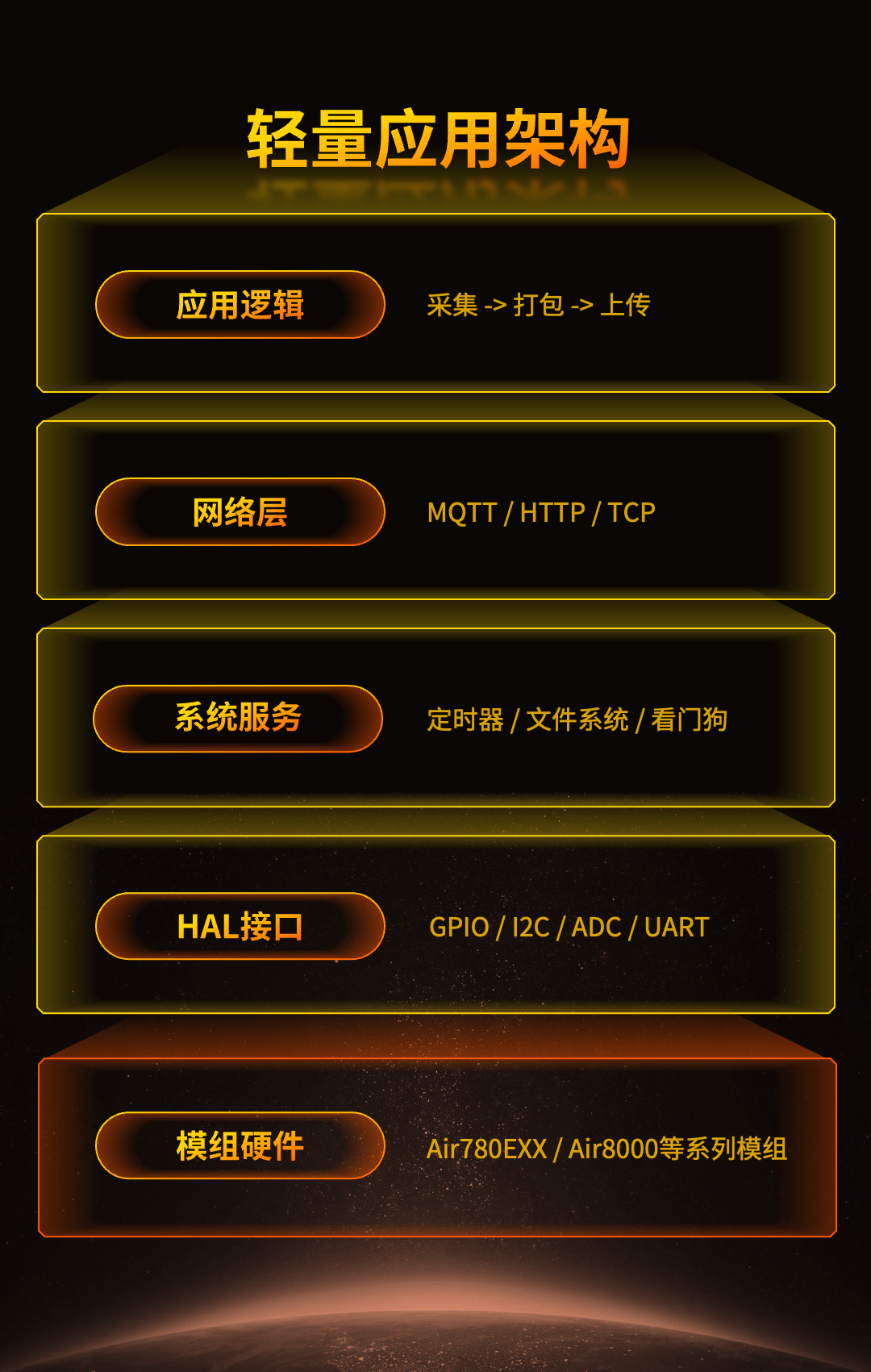
5.1Lightweight Application Architecture: Embedded Communication, Minimal Logic
Typical Scenarios:Smart manhole covers, vehicle tracking devices, meter terminals, agricultural terminals, hydrological terminals.
1) Architectural Features
-
Main task: data collection and reporting;
-
Few peripherals (I²C sensors, GPIO control);
-
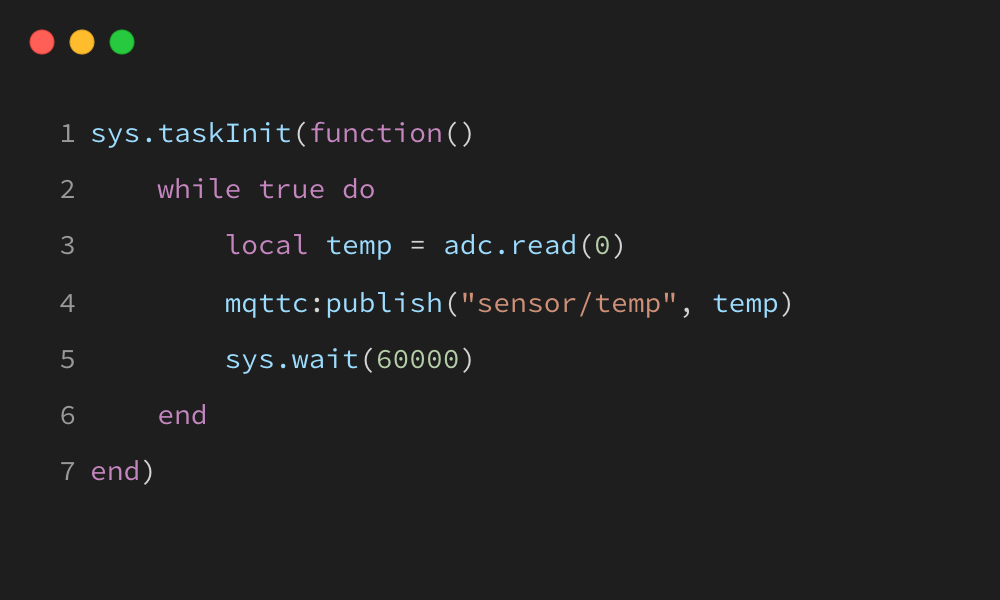
Logic primarily based on periodic collection + MQTT upload;
-
Focus on optimizing power consumption and stability.
2) Schematic Structure
3) Main Advantages
-
Low power consumption, extremely low cost;
-
Module directly manages network and sampling;
-
No additional MCU required.
4) Implementation Example
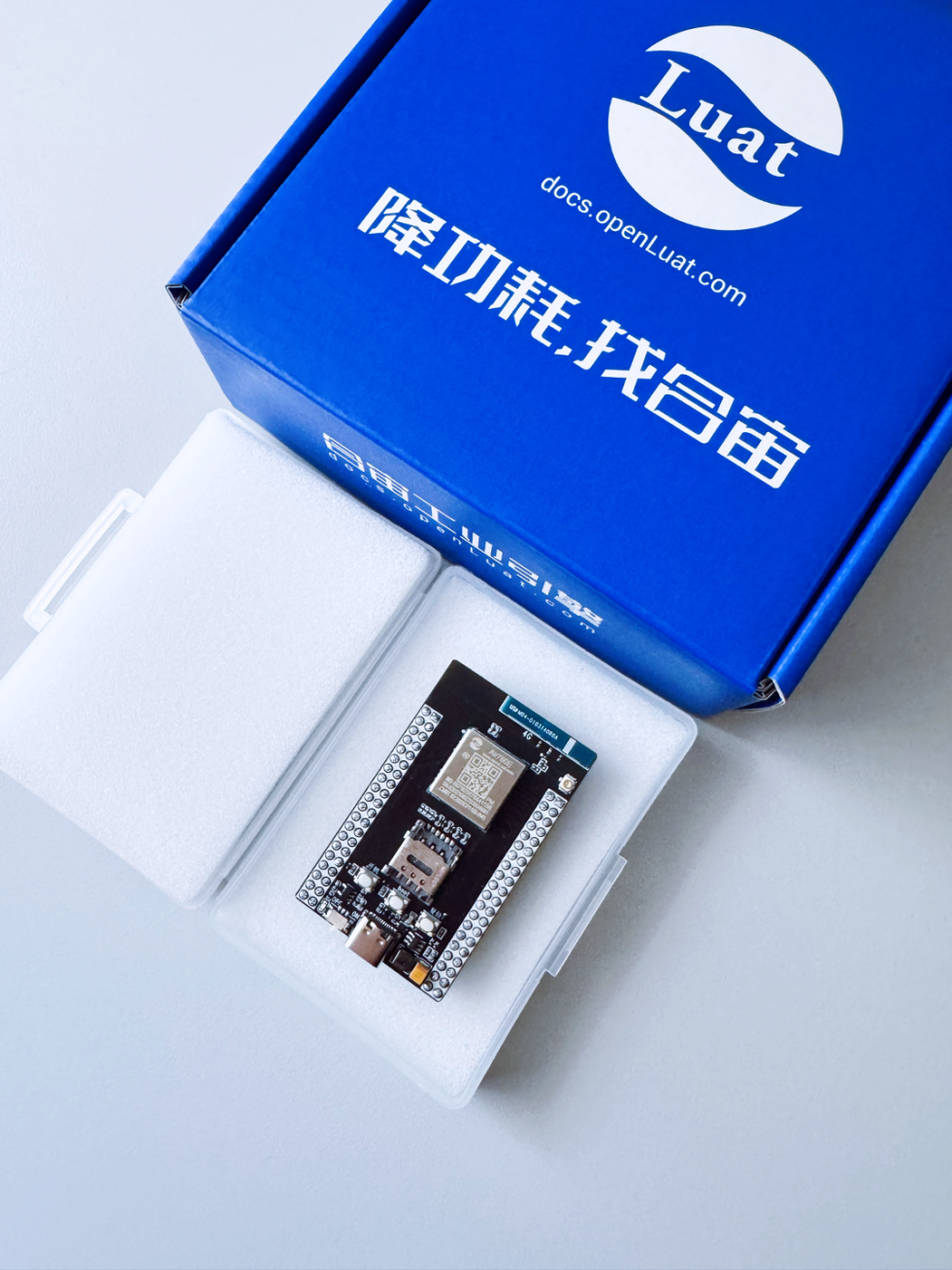
Hardware + Software = Air780EPM + LuatOS, achieving temperature and humidity sensor data collection and reporting functionality.
5.2Event-Driven Architecture: Multi-Task Concurrency, Clear Logic
Typical Scenarios:Industrial collection, gateways, logistics terminals, environmental monitoring, RTUs.
1) Architectural Features
-
Composed of multiple tasks;
-
Decoupled through event messages;
-
Supports multiple sensors and communication channels;
-
Emphasizes data reliability and remote maintenance.
2) Schematic Structure
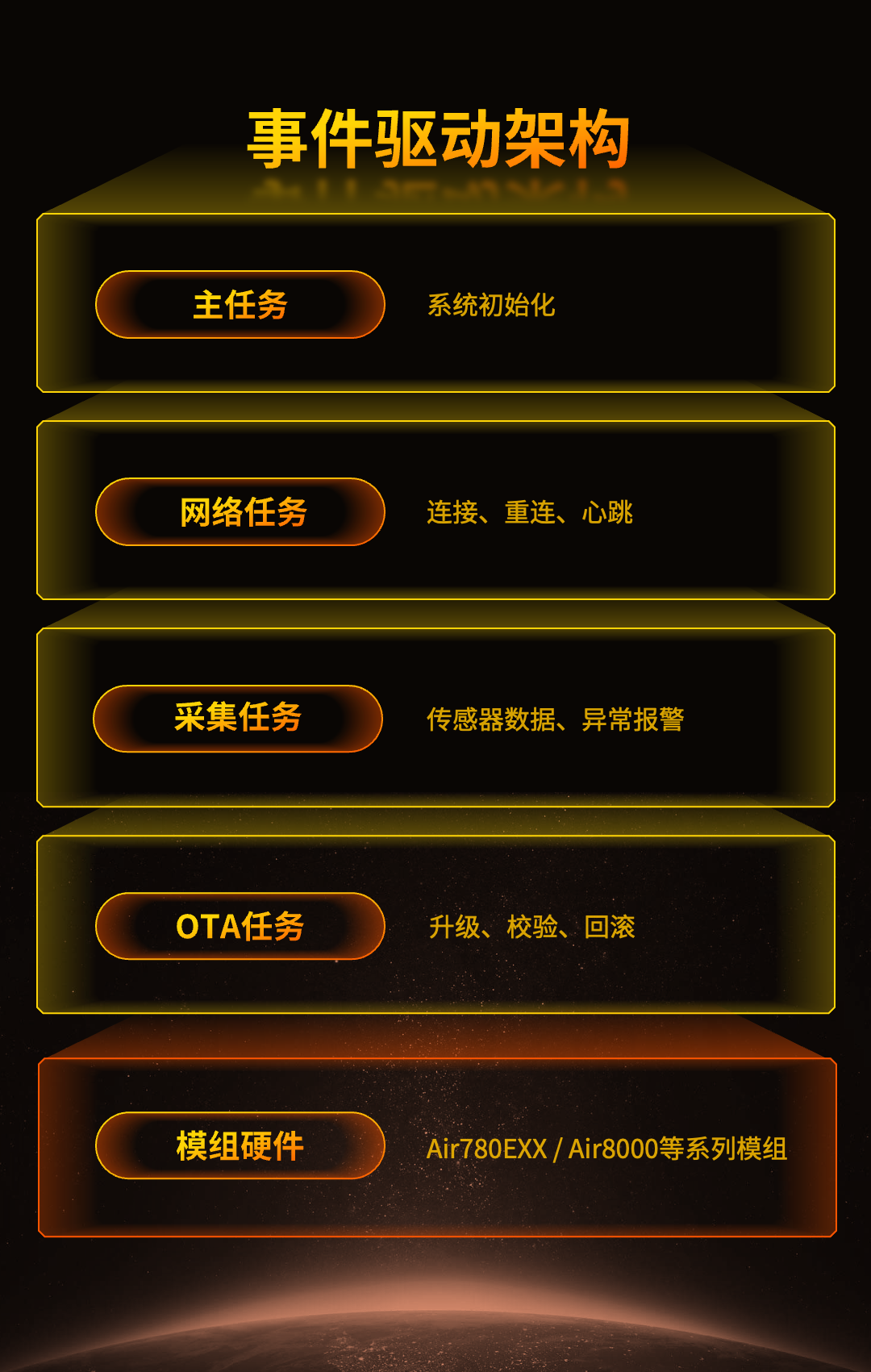
Tasks communicate through sys.publish() and sys.subscribe(), forming a loosely coupled system.
3) Main Advantages
-
High concurrency;
-
Clear modularity;
-
Easy to expand;
-
Strong fault tolerance.
4) Implementation Example
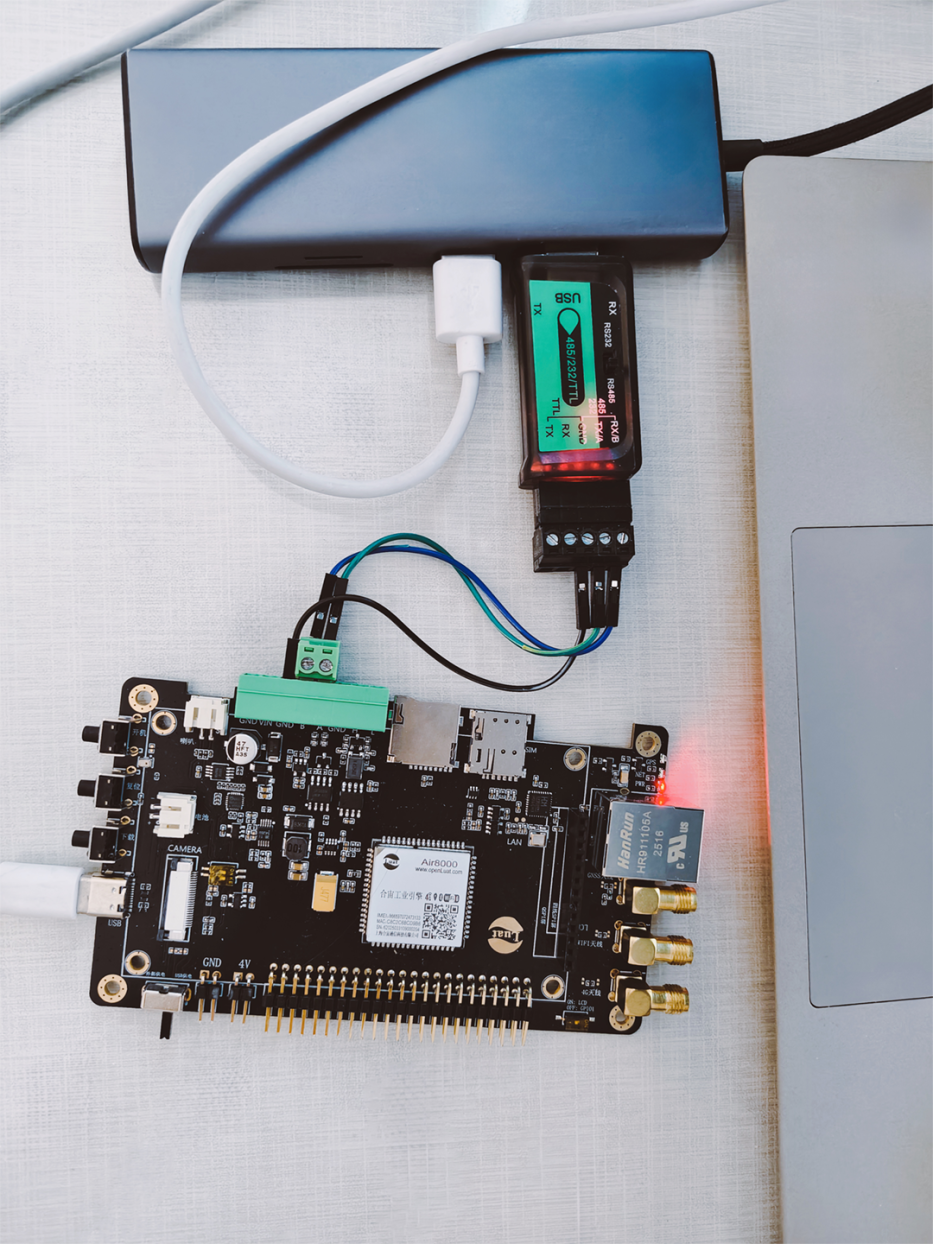
Hardware + Software = Air8000 + LuatOS, running 6 concurrent tasks (network, MQTT, RS485, logging, upgrades, exception alarms), with no downtime over 180 days of continuous operation.
5.3Hybrid Edge Computing Architecture: Vision + UI + Cloud Collaboration
Typical Scenarios:Smart cameras, fault prediction, energy consumption optimization, payment terminals.
As module computing power increases (e.g., the Hezhuo Air8101), OpenCPU begins to undertake more local intelligent tasks.
1) Architectural Features
-
Locally executes simple vision + UI applications (1 million Camera recording, easyUI framework, vibration recognition);
-
Combines interactive UI of the terminal with the cloud to achieve a visual remote operation and maintenance model.
2) Schematic Structure
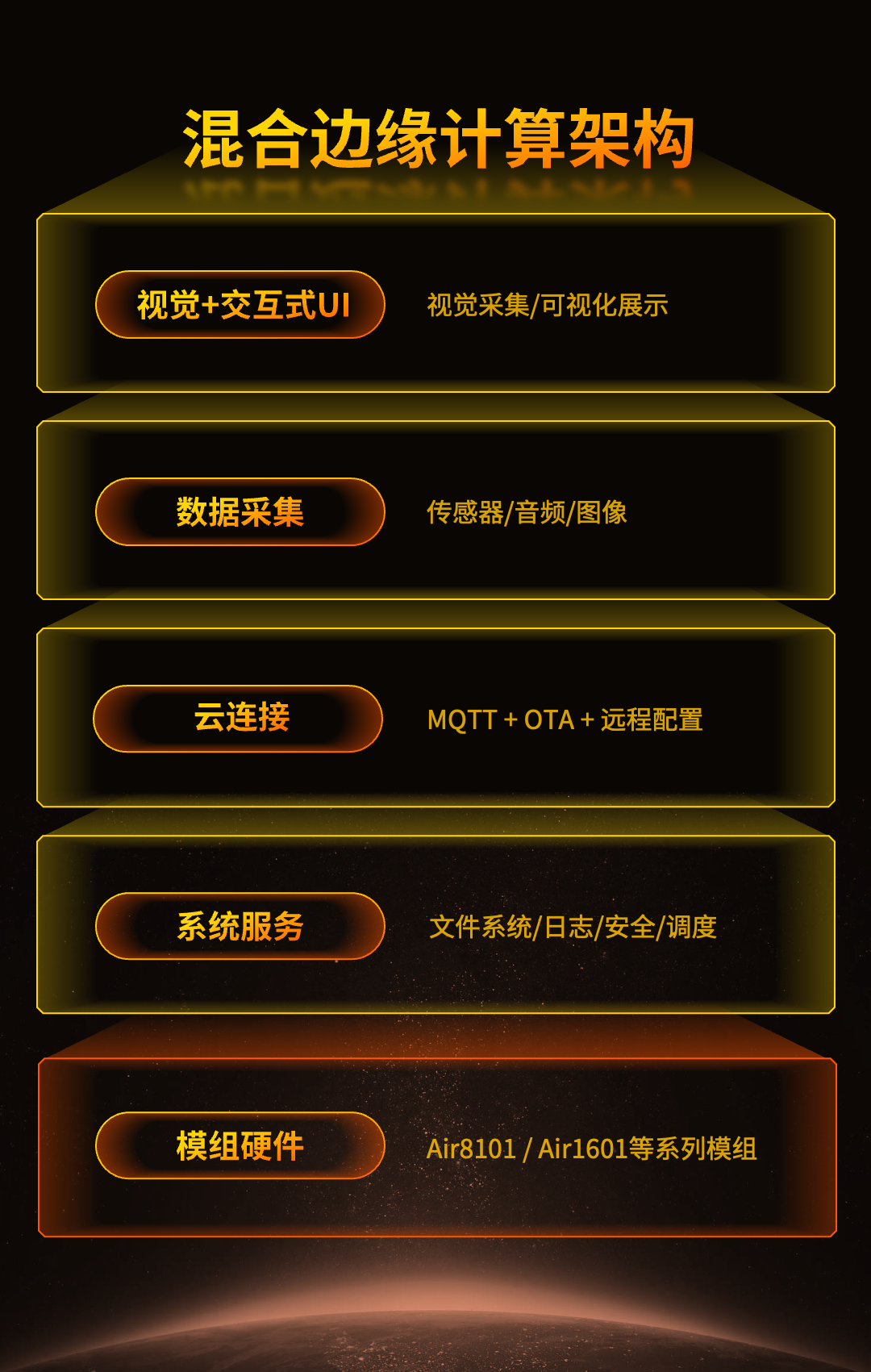
3) Main Advantages
-
Low latency;
-
Small cloud load;
-
Strong data privacy;
-
Can continue to operate in offline mode.
4) Implementation Example
Hardware + Software = Air8101 + LuatOS, achievingUSB multi-cameraswitching photo and file upload functionality.
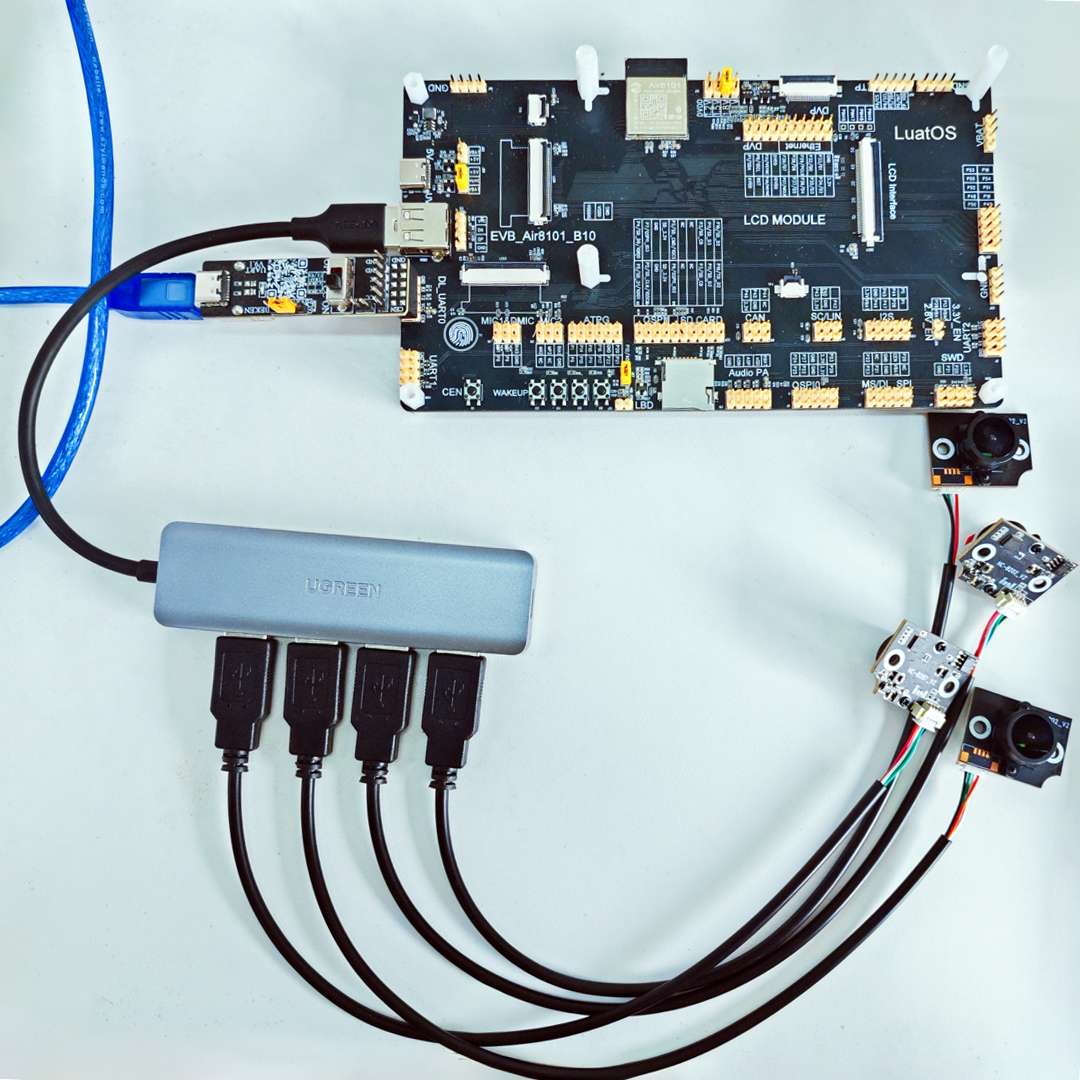
5.4 Summary
OpenCPU can be categorized into lightweight, event-driven, and edge intelligence architectures based on project complexity.
The common feature of all forms is:“Integration of communication, control, computation, and storage”.
The event-driven architecture is the most versatile and currently mainstream. With the increase in computing power, edge intelligence will become the next growth point.
The Hezhuo LuatOS platform provides mature development frameworks, detailed documentation, and a robust development community across these three architectural categories.
– To be continued, welcome to discuss –


That’s all for today’s content~ If you have any questions regarding IoT development selection, feel free to join the technical discussion group.
For more development materials, please refer to the Hezhuo Resource Center:
docs.openluat.com