Embedded systems consist of hardware and software, which are devices capable of operating independently. The software content includes only the software runtime environment and its operating system. The hardware content encompasses various components, including signal processors, memory, communication modules, etc. Compared to general computer processing systems, embedded systems exhibit significant differences; they cannot achieve large-capacity storage functions due to the lack of matching large-capacity media. Most storage media used are E-PROM, EEPROM, etc., and the software part relies on API programming interfaces as the core development platform.
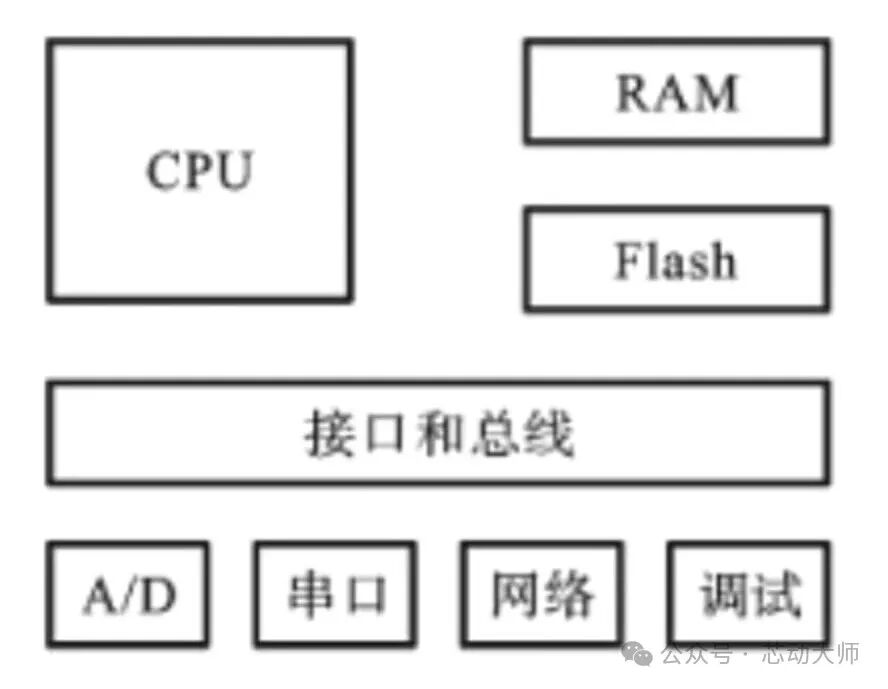
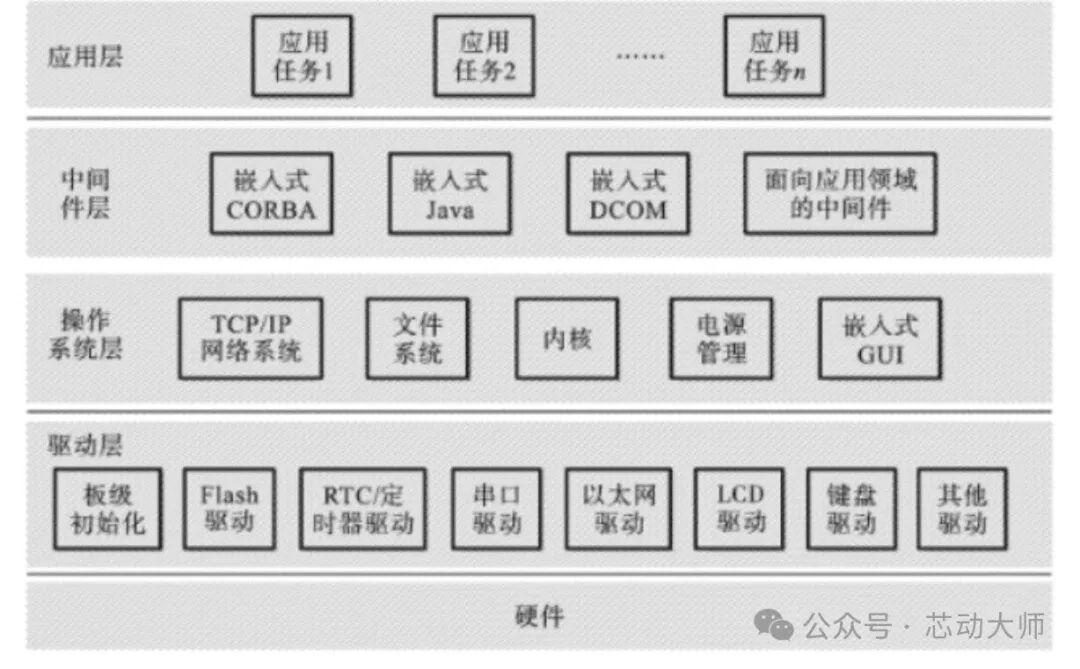
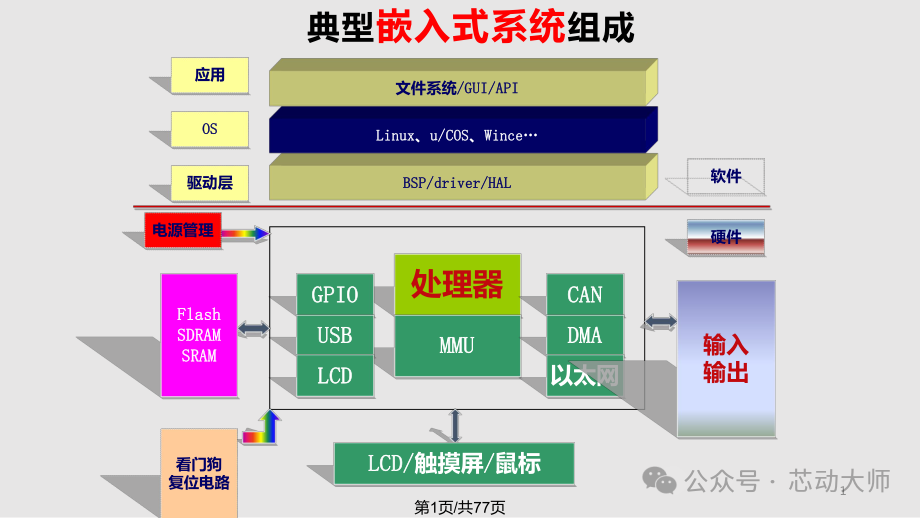
In our daily lives, from smartphones to smart home appliances, from automotive electronics to industrial control systems, embedded technology is ubiquitous. However, few people truly understand how these smart devices work behind the scenes. Today, we will delve into the two core components of embedded systems: the differences between hardware and software, as well as their advantages and disadvantages.
Embedded Hardware: The Physical Foundation of the System
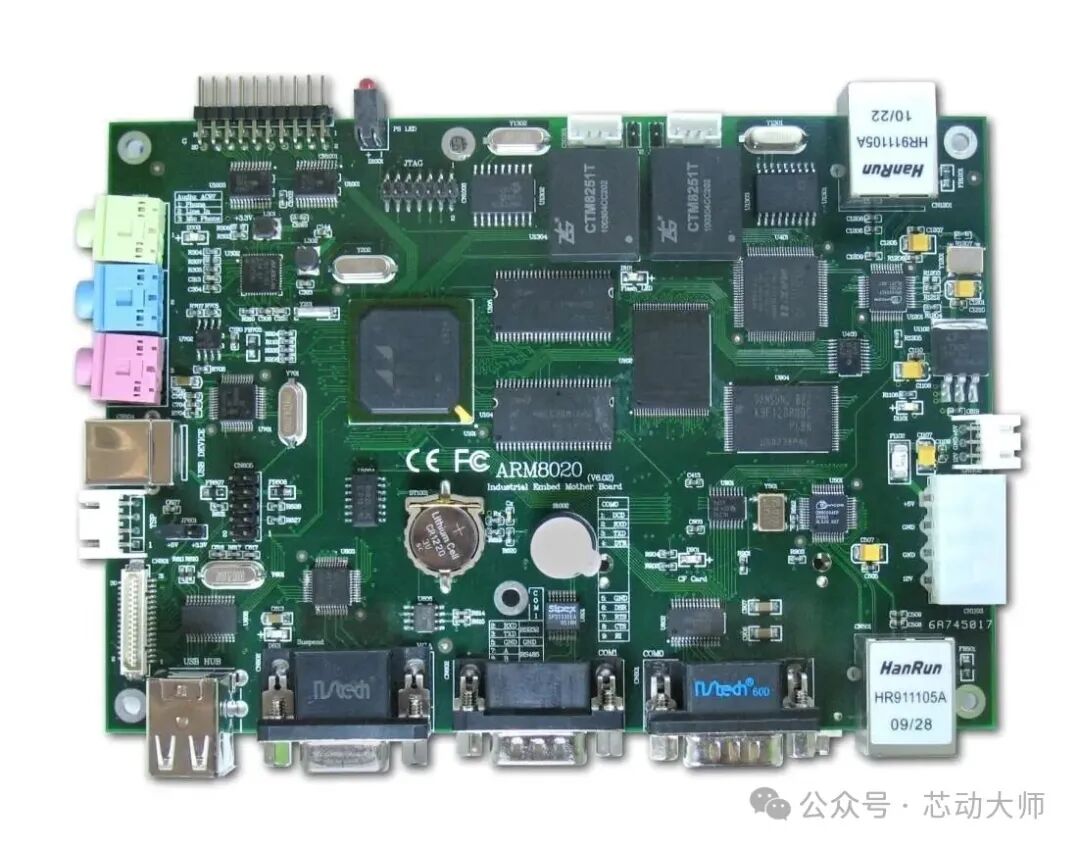
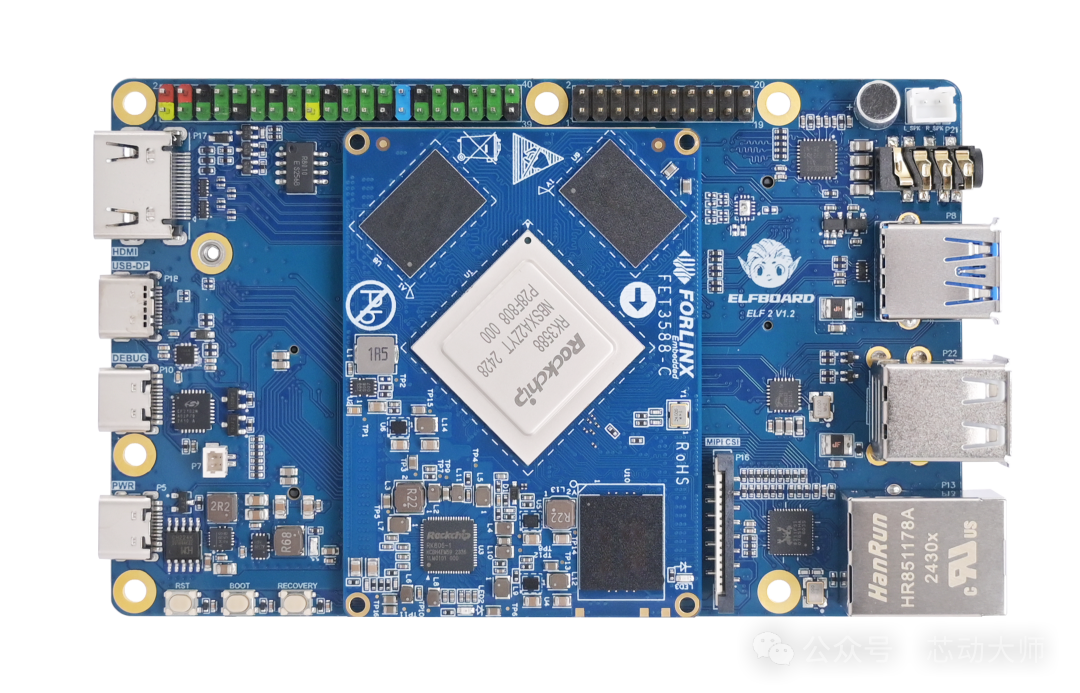
Embedded hardware refers to the physical components within an embedded system, serving as the carrier for software execution. It mainly includes processors (MCU/MPU), memory, input/output interfaces, and various peripheral devices.
Advantages of Hardware:
-
Deterministic performance: Hardware executes tasks with high determinism and real-time capability.
-
Parallel processing capability: Can handle multiple tasks simultaneously, achieving high efficiency.
-
Low power operation: Hardware designed for low power consumption can significantly extend device battery life.
-
Rich physical interfaces: Provides various peripheral interfaces for direct connection to sensors and actuators.
Disadvantages of Hardware:
-
Once manufactured, it is difficult to modify and upgrade.
-
Long development cycle and relatively high costs.
-
Poor flexibility, making it hard to adapt to changing requirements.
-
Fault repair requires physical replacement, leading to high maintenance costs.
Embedded Software: The Intelligent Soul of the System
Embedded software consists of program code running on embedded hardware, responsible for controlling hardware resources, processing data, and implementing device functions. This includes operating systems, drivers, and application programs.
Advantages of Software:
-
Highly flexible: Functions can be easily modified through updates and upgrades.
-
Relatively short development cycle with fast iteration speed.
-
Easy to replicate and distribute, with low marginal costs.
-
Capable of implementing complex algorithms and intelligent decision-making.
-
Remote update capability, reducing maintenance costs.
 Disadvantages of Software:
-
Performance depends on the hardware platform.
-
May have stability and security issues.
-
Real-time performance is not as good as direct hardware implementation.
-
Requires storage space and memory resources.
Coexistence of Hardware and Software
In actual embedded system development, hardware and software are not opposing forces but partners that need to be designed collaboratively. Excellent embedded systems require finding the best balance between hardware and software.Principles of Hardware-Software Co-Design:
-
Function allocation: Determine which functions are implemented by hardware and which by software.
-
Performance balance: Find the optimal solution among cost, power consumption, and performance.
-
Interface design: Define clear and efficient hardware-software interfaces.
-
Development synchronization: Hardware and software development proceed in parallel to shorten the development cycle.
Development Trends and Future Outlook
With the development of IoT and artificial intelligence technologies, embedded systems are facing new challenges and opportunities:
Hardware Development Trends:
-
Widespread use of application-specific integrated circuits (ASICs) and field-programmable gate arrays (FPGAs).
-
Low power design becoming a core consideration.
-
Emergence of heterogeneous computing architectures.
Software Development Trends:
-
Real-time operating systems (RTOS) are becoming increasingly feature-rich.
-
Deployment of artificial intelligence algorithms on embedded devices.
-
Security becoming a primary consideration in software design.
Conclusion
Embedded hardware and software each have their strengths and weaknesses. Hardware provides a solid foundation and reliable performance, while software grants flexibility and intelligence to the system. Just like the human body and mind, both are indispensable. Only through the integration of hardware and software, and collaborative design, can truly excellent embedded systems be created.
For developers, understanding the characteristics and advantages and disadvantages of hardware and software can help make better design decisions, creating more efficient, reliable, and intelligent embedded products.
Whether hardware engineers or software engineers, those in the embedded field need to possess a certain level of interdisciplinary knowledge, enabling them to think about problems at the system level and design truly excellent products.
<strong><strong><img alt="Embedded Hardware vs Embedded Software: Who is the True Brain of Smart Devices?" src="https://boardor.com/wp-content/uploads/2025/11/5709f1ff-bf10-48bd-badd-fdebdef7fd0c.png" /><p><span>Follow our official account to</span><strong><span>receive article updates in real-time</span></strong><span>.</span></p><p><span><span><span><span>For collaboration and communication, please add WeChat: <img alt="Embedded Hardware vs Embedded Software: Who is the True Brain of Smart Devices?" src="https://boardor.com/wp-content/uploads/2025/11/4c25b397-0776-4720-8580-1a7df77fcb86.png" /> </span></span></span></span></p><span><span>If you need to join the technical group, please reply "join group" in the background.</span></span><span><span>Good things should be shared.</span></span><span><span>If you think this content is good, please forward or share it to your</span></span><strong><span><span>circle of friends</span></span></strong><span><img alt="Embedded Hardware vs Embedded Software: Who is the True Brain of Smart Devices?" src="https://boardor.com/wp-content/uploads/2025/11/9e202162-dfd6-4a97-a0d0-8338a6901008.webp" /></span><pre><code>Copyright statement: The content created or reproduced by Xindong Master is owned by the original author, and the views only represent the author's personal opinion. Xindong Master is only for knowledge sharing. If you need to reproduce or quote, please contact the original author. Xindong Master cites online articles, all of which are credited to the source and author, except for untraceable articles. If there are any objections, please contact us.
Like
Collect
Share
Disclaimer: All articles, images, audio, video files, and other materials reproduced by this public account are owned by the copyright holder (those whose copyright cannot be verified or not indicated are all sourced from the internet). If there is any infringement, please contact us for deletion. The purpose of reproduction is to convey more information and does not represent the views of this public account.