The U.S. GCC certification, known as the General Certificate of Conformity (GCC), is a requirement enforced by the U.S. Consumer Product Safety Commission (CPSC) for general use products. These products must undergo testing or accept a reasonable testing program and possess a written GCC to demonstrate compliance. General use products refer to those that are not intended for children.
Scope of Controlled Products
Products such as clothing, paints and similar surface coatings, magnet products, button batteries or coin batteries, diving sticks and other similar items, all-terrain vehicles, bicycle helmets and bicycles, lighters, portable gas containers, multi-purpose lighters, pool slides, electric lawn mowers, trash cans, antennas, cellulose insulation, bunk beds, matchboxes, mattresses, pool and spa drain covers, lawn darts, metal candle wicks, fireworks, vinyl plastic film, carpets, drywall, refrigerator doors, special packaging, etc.
Platforms Requiring GCC Certification
When selling products on U.S. e-commerce sites such as Amazon, TEMU, SHEIN, TITOK, eBay, and AliExpress, it is necessary to provide the corresponding GCC certificate for the products; otherwise, there is a risk of product removal or legal action.
About GCC Certificate Issuance
The issuer is the manufacturer or importer, who is legally responsible for the issued certificate, which can be drafted by a third-party laboratory or other third parties.
Common Platform Approval Points
1. Consistency requirements for qualification documents: testing items / Citation Rule must be consistent, testing report numbers must match (if available), model / style numbers must be consistent, and other details such as third-party testing institutions must be consistent, as well as the manufacturer’s name and address (if available), testing time, and address must be consistent;
2. Qualification document requirements: must include a Test Report, the qualification document must be an official version, must include at least an English version, and must include the GCC certificate;
3. Requirements for physical images linked: model / style number, manufacturer / producer, the manufacturer’s address cannot be in pinyin. Physical packaging must include warning labels required by regulations / standards;
4. Validity of the testing report: The U.S. Consumer Product Safety Commission recommends that manufacturers and importers of general products regularly retest their products, usually once a year;
5. GCC certificate content requirements: name, address, contact number, email of the certificate holder, name, address, contact number of the importer / manufacturer, name, address, contact number of the third-party testing institution, production date, production address, testing items / Citation Rule, title General Certificate of Conformity, product information such as name, model, color, etc., if there is a signature and seal, it must be signed and sealed by the manufacturer, sample testing time, and address.
Magnets GCC (General Certificate of Conformity)
Which products require GCC? GCC applies to non-toy items that use magnets, including loose or separable magnetic products. Non-toy magnetic products are those designed, marketed, or intended for use as entertainment items, jewelry (including children’s jewelry), or consumer goods for mental stimulation or stress relief.
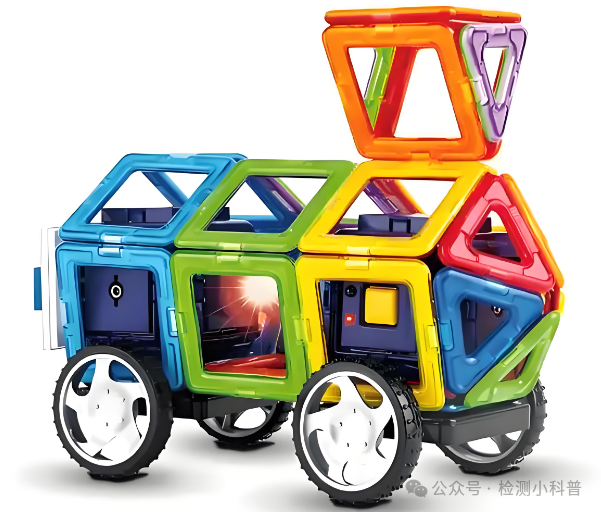
The U.S. Consumer Product Safety Commission defines “magnetic products” as consumer goods that meet the following requirements:
A: Designed, marketed, or intended for entertainment purposes, jewelry making (including children’s jewelry), mental stimulation, stress relief, or products that achieve these purposes;
B: Contains one or more loose or separable magnets;
C: Does not include products sold solely to educators, researchers, professionals, and commercial or industrial users, specifically for educational, research, professional, commercial, or industrial use. If the magnet can fit entirely within a small parts testing cylinder and has a very strong magnetic force (specifically, a magnetic flux index equal to or greater than 50 kG2 mm2), it is considered a hazardous magnetic product.
Clothing GCC (General Certificate of Conformity)
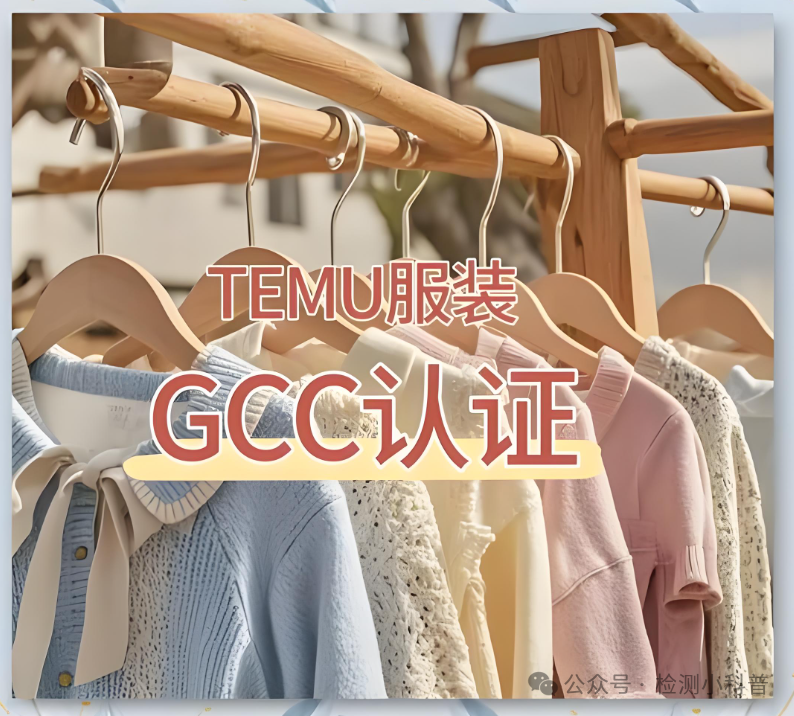
When obtaining GCC certification for adult clothing, it is recommended to conduct the 1610 flammability test for overseas versions of Pinduoduo, and obtain the corresponding GCC certificate, as specified in the U.S. Federal Regulations Title 16, Part 1610 regarding the flammability of textile clothing.
Scope of Application
This test applies to all fabrics made from natural or synthetic fibers, whether treated or untreated, as well as clothing made from these fabrics. However, hats, gloves, socks, and linings are not included in this test.
Product Classification
1st Level (General Flammability): For flat-surfaced textiles, the flame spread time is equal to or greater than 3.5 seconds.
For pile-surfaced textiles, the flame spread time is greater than 7 seconds when the flame is very weak, so it does not ignite or burn the fabric base. Textiles with rapid surface flashing flames within 0-7 seconds are also classified in this level. Level 1 textiles are generally considered to have no abnormal burning characteristics and can be used for clothing production.
2nd Level (Moderate Flammability): Only for pile-surfaced textiles, the flame spread time is between 4-7 seconds, and the intensity of the fire is sufficient to burn, char, or scorch the base fabric. Such textiles should be used with caution in clothing production.
3rd Level (Rapid and Intense Burning): For flat-surfaced textiles, the flame spread time is less than 3.5 seconds.
For pile-surfaced textiles, the flame spread time is less than 4 seconds, and the base fabric melts or ignites. Such textiles are not suitable for clothing production and are prohibited from being imported into the U.S.
Testing Method
Test Samples: Prepare 10 samples, each measuring 50x150mm (2×6 inches), with 5 original and 5 treated samples.
Sample Treatment: Follow a specific procedure, first dry cleaning, then washing in water at 35°C with a bath ratio of 1:30 for 5 minutes, washing twice, and finally low-temperature drying for 1 hour. Specific testing operation: Check the flame length, and after the flow stabilizes (about 5 minutes), adjust the flame length to make the test flame 16 mm (5/8 inch), place the prepared sample on the sample rack in the test chamber; activate the triggering device to make the flame impact the sample for 1.0 seconds, at which point the timing device automatically starts, recording the burning time between the two thread marks.
In summary, the 16 CFR 1610 flammability test is an important safety testing standard established for textile clothing products in the U.S., which is significant for ensuring consumer safety. Companies must ensure that their textile clothing products comply with regulatory requirements when producing and exporting to the U.S.