3D printing of shoe molds is bound to replace traditional manufacturing due to its advantages in design freedom, time efficiency, and environmental protection.
[Qiming Additive Manufacturing] If you were to list the currently popular fields of 3D printing applications, shoe molds would surely be among them.
According to relevant reports, the global market size for metal 3D printed shoe molds is expected to reach $1.14 billion in 2023, and is projected to grow to $3.66 billion by 2030, with a compound annual growth rate of 21.47%. The booming market demand is driving 3D printing companies to compete for market share, with continuous technological innovation and rapid penetration of application scenarios, even gradually showing a trend of “involution.”
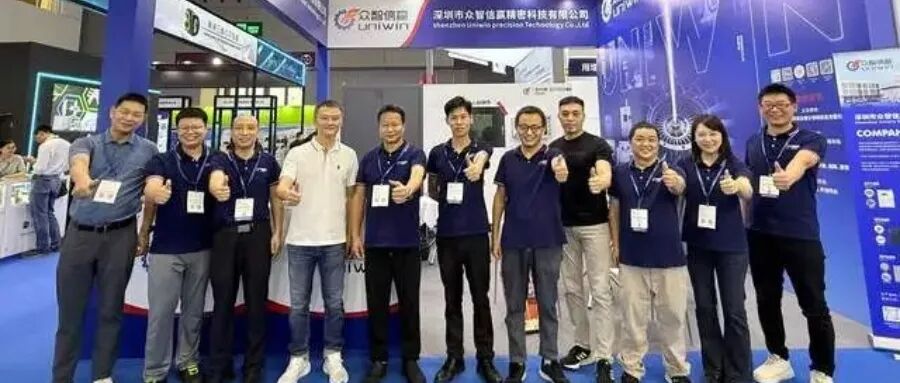
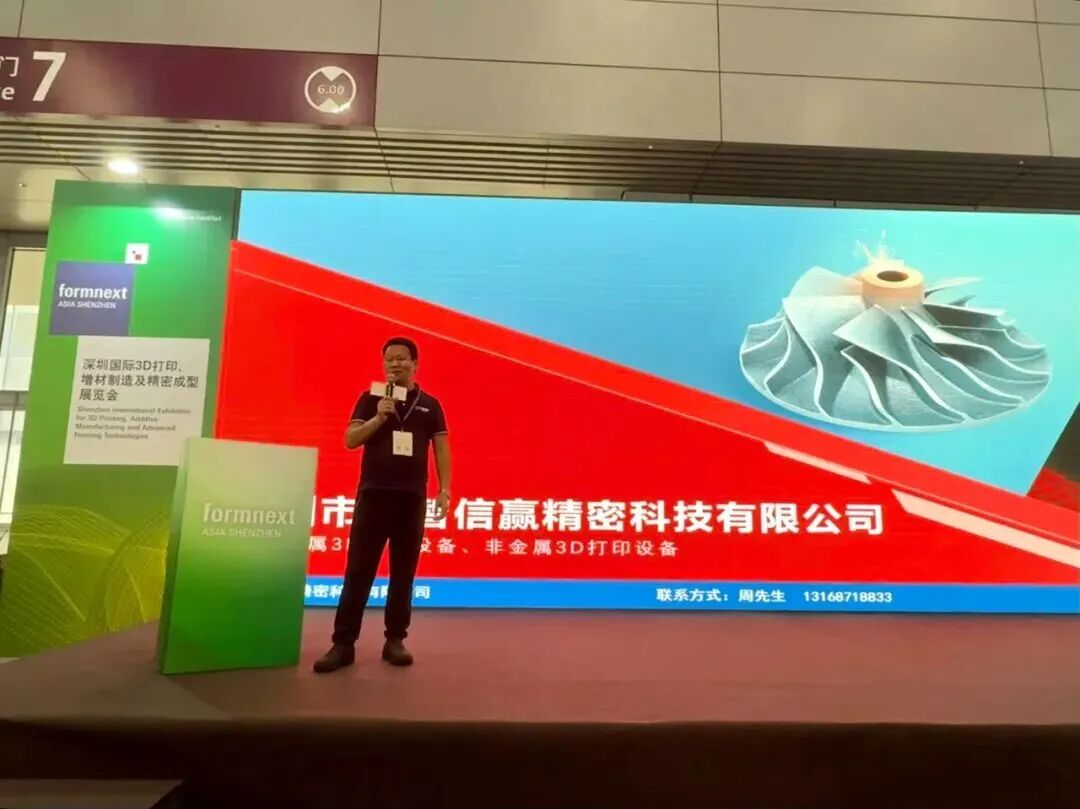
For industry experts, how do they view this “involution”? What is the future direction of 3D printing for shoe molds? Let’s hear from Zhou Guibing, Chairman of Shenzhen Zhongzhi Xinying Precision Technology Co., Ltd. .
Source: Zhongzhi Xinying
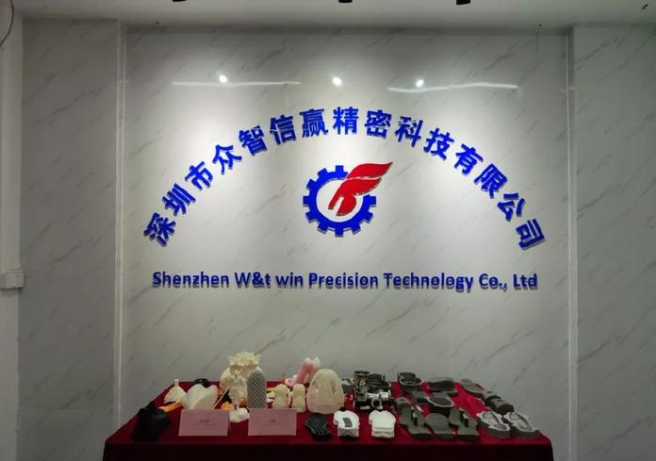
Zhongzhi Xinying was established in 2023, and its founder Zhou Guibing has over 20 years of experience in the industry, having served as a technical backbone at the Changchun Institute of Optics, Fine Mechanics and Physics, Chinese Academy of Sciences, and as a core executive of a listed laser group (leading the R&D and commercialization of metal 3D printing product lines), leading 6 national additive manufacturing projects, and obtaining over 70 patents and technology awards.
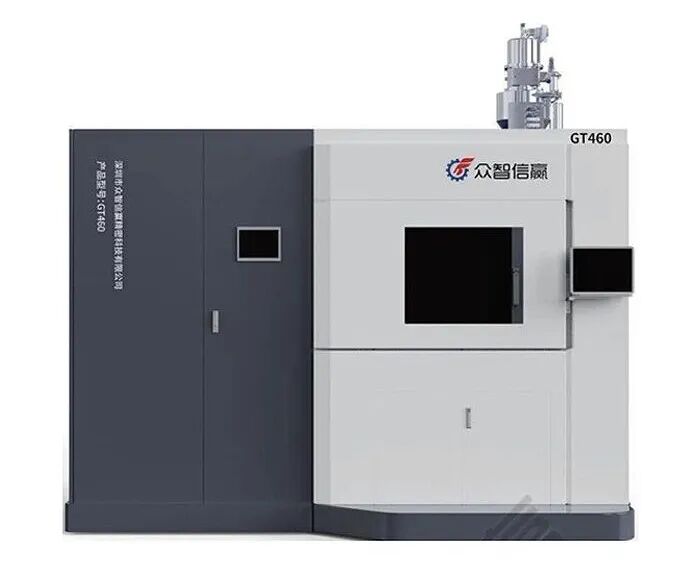
The company has independently developed the GT360-2 equipment, mainly used for high-precision, high-accuracy printing of shoe molds; the GT460-4/6 equipment, equipped with 4 or 6 laser heads, suitable for mass production, effectively solving the problem of high-efficiency production; and the GT500 equipment, configured with up to 8 laser heads, which significantly enhances production efficiency while greatly reducing printing costs, greatly meeting the urgent demand of shoe companies for personalized and customized shoe molds, and strongly promoting the technological upgrade of the shoe industry.
Source: Zhongzhi Xinying
Qiming Additive Manufacturing: In your opinion, what unique advantages does 3D printing offer for shoe mold manufacturing?
Zhou Guibing, Chairman of Zhongzhi Xinying: In the field of shoe mold manufacturing, 3D printing technology demonstrates multiple unique advantages compared to traditional processes, mainly reflected in the following aspects:
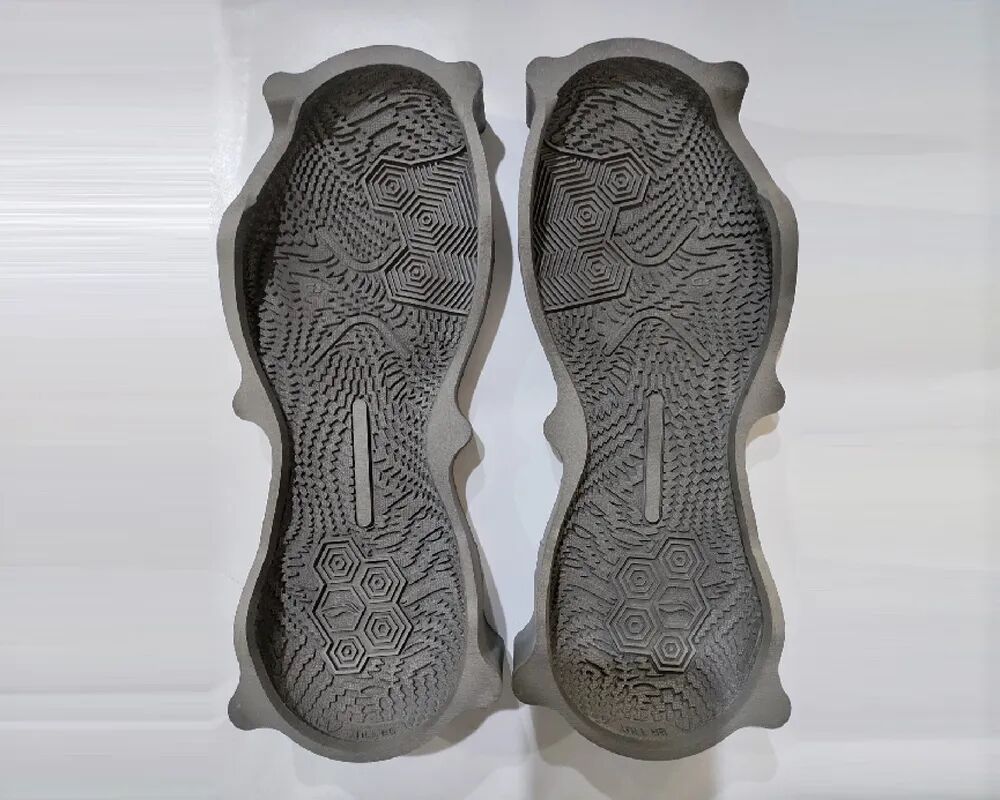
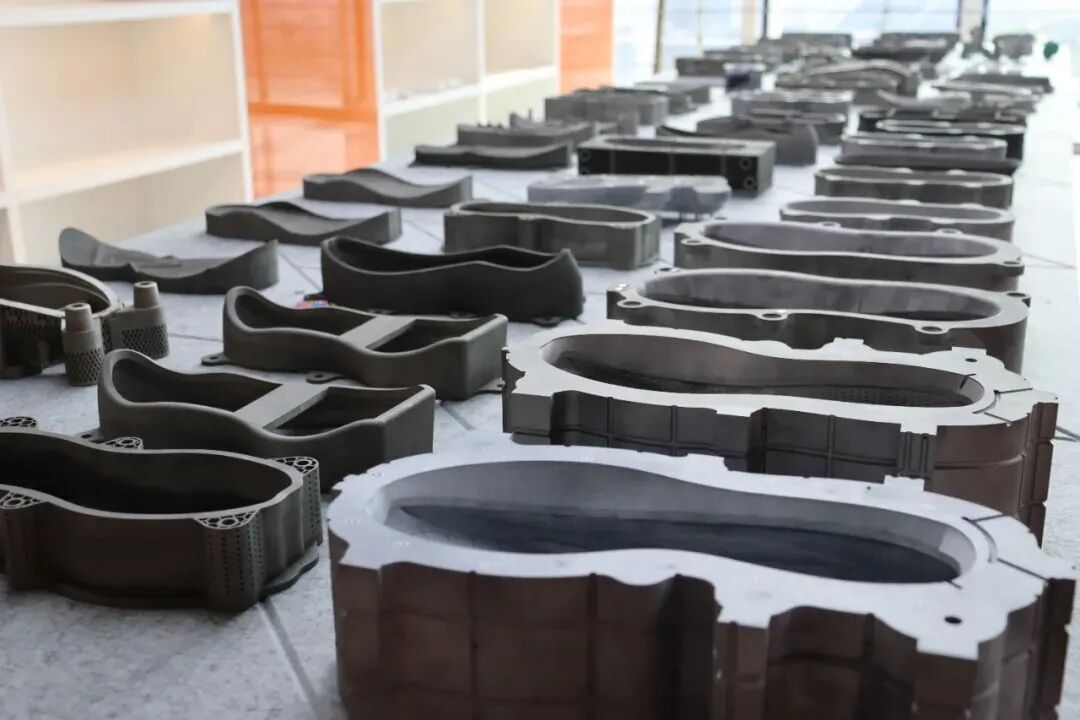
First, in terms of processing patterns and complex structures, 3D printing has significant advantages. This technology can achieve extremely high precision in fine textures and complex patterns, even deep grooves, micro-holes, or irregular curved surfaces that are difficult to achieve with traditional CNC machining can be completed in one go through additive manufacturing. This not only enhances the aesthetic precision of shoe molds but also provides greater space for design innovation.
Second, by printing built-in air mold holes or combining breathable steel structures, it enhances the surface smoothness of the sole and sides during the injection molding process. This advantage reduces subsequent processing steps such as repairs and polishing, thus shortening the production cycle and lowering production costs.
Third, by printing built-in air mold holes or combining breathable steel structures, along with thermal flow analysis to improve thermal balance time, it shortens the thermal balance time of plastic particles, thus improving efficiency.
Finally, by printing built-in air mold holes or combining breathable steel structures, along with thermal flow analysis to improve thermal deformation, it ensures the accuracy of the mold, thereby ensuring the accuracy of the final product, avoiding multiple returns from consumers due to size accuracy issues. With guaranteed size accuracy, it significantly reduces the additional costs caused by returns, enhancing consumer experience and brand value.
Source: Zhongzhi Xinying
Qiming Additive Manufacturing: How do you view the current “involution” in the shoe mold industry?
Zhou Guibing, Chairman of Zhongzhi Xinying: Currently, the shoe mold industry indeed feels the competition is becoming increasingly fierce, especially in the early stages of technology maturity, many companies have already felt the pressure from price levels. However, price fluctuations essentially reflect market rules, and behind this also indicates that the industry is at a critical period of transformation and upgrading.
First, from the perspective of technological development, competition actually drives the overall improvement of technological levels. When multiple companies participate in competition, in order to win customers, companies will voluntarily invest in R&D and optimize processes, thus accelerating the technological progress of the entire industry. This “many-to-many” competitive landscape objectively promotes shoe mold technology to develop towards higher efficiency and precision.
Second, as technology matures and market competition intensifies, related equipment and production costs will gradually decrease, which is beneficial for the popularization and application of technology, thus providing more companies with opportunities to enter the market, forming a virtuous cycle.
From my own experience in equipment manufacturing for over twenty years, competition has never been a key factor hindering development; rather, the existence of sustained demand in the market is the real core. As long as there is still demand in the downstream market, the industry has room for sustainable development, and companies have the opportunity to find their footing by enhancing their competitiveness. Therefore, in the face of the current “involution” phenomenon, we should view it as a necessary process for the industry to reach maturity and actively build core competitiveness through technological and management innovation.
Source: Baochenxin
Qiming Additive Manufacturing: What do you think the development trend of 3D printing in the shoe industry will be in the coming years?
Zhou Guibing, Chairman of Zhongzhi Xinying: In the coming years, the application of 3D printing technology in the shoe industry is expected to show a trend of deep expansion and gradual replacement of traditional manufacturing methods. This shift is mainly based on the following significant advantages:
First, in terms of manufacturing capabilities, 3D printing can achieve complex geometric structures and fine textures that traditional CNC machining cannot complete, greatly expanding the design freedom of shoes to meet the increasingly personalized product demands.
Second, this technology has outstanding environmental characteristics. As an additive manufacturing process, 3D printing significantly improves material utilization, reduces waste generation, and lowers overall energy consumption while avoiding high-pollution processes like acid washing, aligning with the industry’s direction of green manufacturing and sustainable development.
Third, from an economic perspective, as technology matures and scale effects become apparent, 3D printing is gradually establishing significant advantages in cost and performance. It can produce high-precision, high-quality shoe molds and final components at more competitive prices.
Finally, production process efficiency will see fundamental improvements. Traditional shoe mold manufacturing typically involves over twenty processes, while 3D printing significantly shortens the process through integrated manufacturing. With the iteration of technologies such as thermal flow control and multi-laser systems, production efficiency is expected to increase by 3 to 5 times or even higher, further reducing the number of processes, thus promoting the entire production model towards digitalization and intensification.
Based on the above factors, 3D printing will not only gradually replace some traditional shoemaking processes but will also drive the industry towards a new stage of comprehensive digital manufacturing.

Source: Zhongzhi Xinying
The second important trend is that the application of 3D printing technology for shoe molds will gradually deepen, and is expected to be divided into three progressive development stages:
Currently, we are in the first stage, characterized by complex texture forming and surface quality improvement. Utilizing 3D printing technology, high-precision fine patterns that are difficult to achieve with traditional processing methods can be realized; at the same time, through the integrated printing of breathable steel and air hole structures, the exhaust effect of molds is significantly improved, allowing key areas such as the sides of shoes to achieve high surface smoothness directly after injection molding, reducing subsequent processing steps.
The next stage will enter deep optimization of thermal flow systems and thermal balance control. By integrating thermal flow design and cooling analysis of printed molds, rapid and uniform thermal balance of molds can be achieved. Currently, traditional molds often require thermal balance times ranging from 300 to 800 seconds, while structural optimization and cooling efficiency improvements brought by additive manufacturing are expected to reduce this time by more than half—for example, from 800 seconds to 400 seconds, which means production efficiency can double.
The third stage will focus on fundamental breakthroughs in system-level thermal management and manufacturing precision. By achieving more precise temperature control and deformation suppression technology, the stability of molds during the entire production cycle will significantly improve, thereby greatly enhancing the dimensional consistency and fitting accuracy of molded shoe products. This not only helps reduce return rates but will ultimately enhance the wearing experience and satisfaction of end consumers, driving the shoe industry towards customized, high-quality manufacturing.
Source: Internet
Qiming Additive Manufacturing: What are your company’s future plans?
Zhou Guibing, Chairman of Zhongzhi Xinying: In the current product structure, the shoe mold manufacturing business occupies an important position. Looking ahead, the company is actively promoting a diversified strategy for technology application and market expansion, focusing on high-end precision manufacturing fields such as aerospace, automotive manufacturing, industrial equipment, medical health, and consumer electronics.
To support the implementation of this strategy, we have established a specialized subsidiary in Guiyang, with a production base covering an area of 3,000 square meters, primarily aimed at serving the high-precision manufacturing needs of the aerospace sector, with the goal of creating a regional advanced manufacturing technology center to further enhance the company’s comprehensive competitiveness in high value-added industries.
To provide precise demand matching and services, Qiming Additive Manufacturing has officially launched aerospace and shoe mold communication groups, welcoming everyone to join the groups for more exchanges. Scan the code below to add the group owner as a friend and invite you to join the group ↓↓↓
 Content InformationCover : Zhongzhi Xinying The content of this article is for industry information transmission and sharing only; users should carefully consider and independently judge any viewpoints, opinions, and conclusions in the text. Welcome to participate in submissions and sharing! If you have any questions, please contact us: 18067519625(WeChat), [email protected].