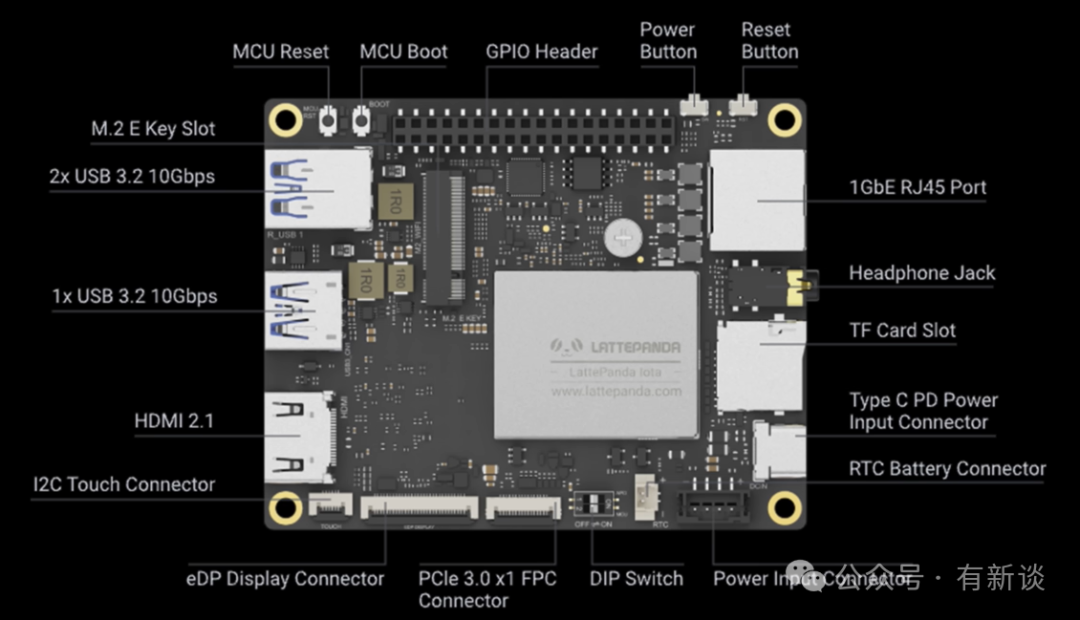
In the era of artificial intelligence, edge AI is bound to flood into thousands of households like home appliances, with machines gradually replacing domestic labor from service production to household services, creating a wide range of application scenarios. Understanding edge AI is very helpful for future employment, creation, or investment. From the evolution of artificial intelligence, the current AI brain and AI devices are evolving in sync. The LattePanda Iota, as an edge AI control board, has recently gained attention from maker friends. It maintains the “palm-sized” form factor of the first generation while providing about 8 times the performance of the original, and is equipped with modern interfaces and co-processors.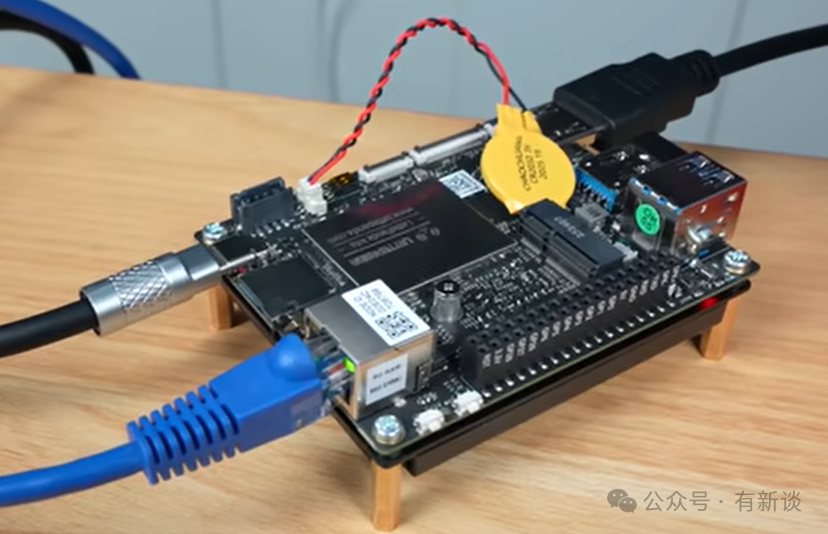 1. Hardware IntroductionThe LattePanda Iota is very compact, measuring only 88mm (length) * 70mm (width) * 19mm (thickness), yet it offers rich interfaces and powerful performance.
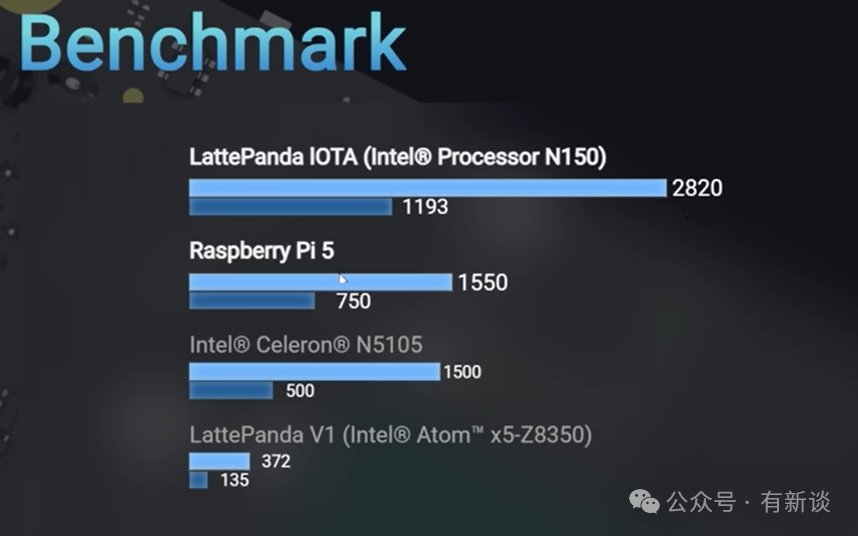
 It is equipped with a 4-core, 4-thread Intel N150 CPU, with a maximum frequency of 3.6GHz. The performance is strong while the power consumption is extremely low, surpassing the Raspberry Pi 5 by a level.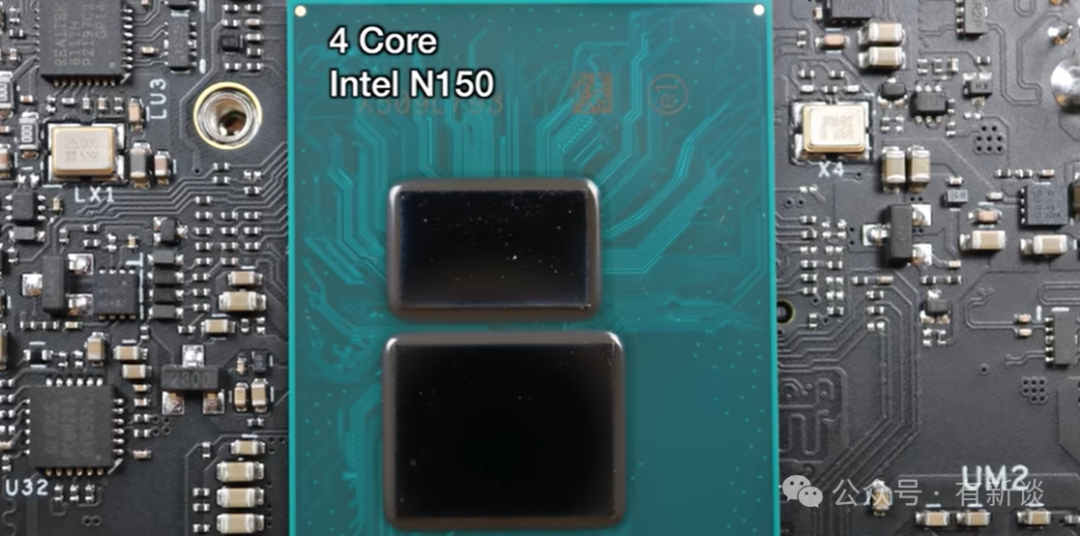
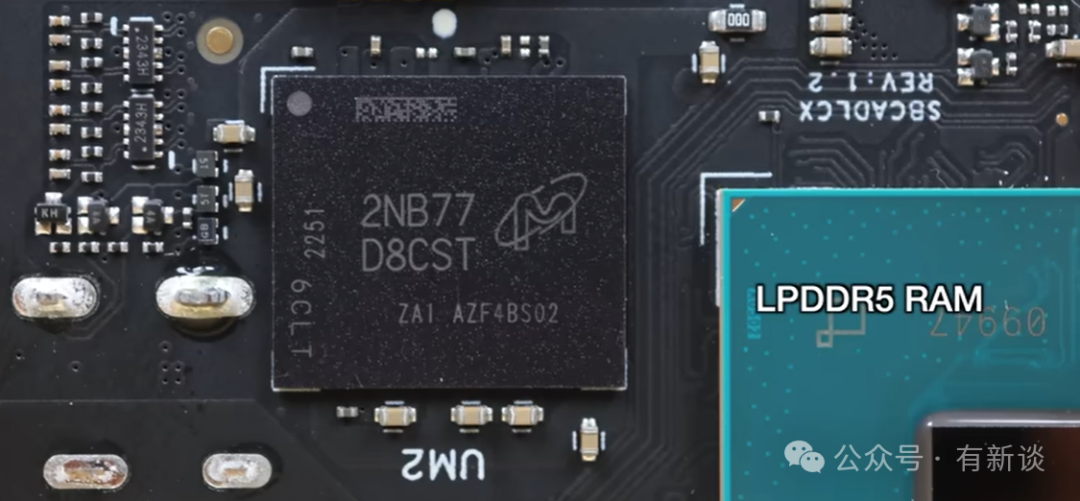
 It is equipped with LPDDR5 memory, with a capacity of 8GB-16GB.Due to the Intel N150 processor on the Iota integrating a strong integrated graphics, however, the integrated graphics does not have dedicated memory and can only borrow from the system memory. LPDDR5 with a frequency of 4800MHz means that its integrated graphics (iGPU) performance will be very strong (the integrated graphics heavily relies on memory speed). The high bandwidth of LPDDR5 allows the integrated graphics to run AI inference (OpenVINO) or decode 4K video more smoothly. The “LP” in LPDDR5 stands for Low Power, supporting a “deep sleep” mode, which can almost cut off power consumption when the CPU is not working, making it extremely power-efficient.
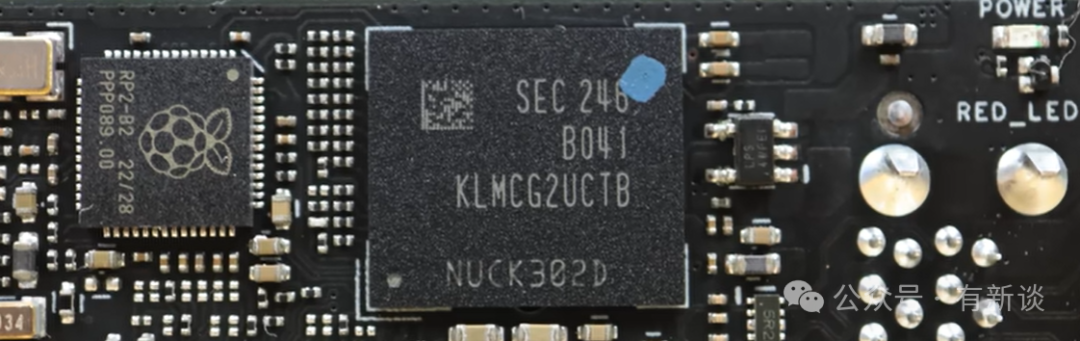
 It provides eMMC storage with capacities of 64GB-128GB. eMMC 5.1 can typically reach speeds of 200-300 MB/s, leading the Raspberry Pi SD card speed of 30-90 MB/s. It has a wear leveling mechanism similar to SSDs, ensuring long lifespan, suitable for long-term industrial operation. It also providesan M.2 slot for NVMe with extremely fast access speeds (1000~7000 MB/s), allowing for quicker read and write of massive AI files.
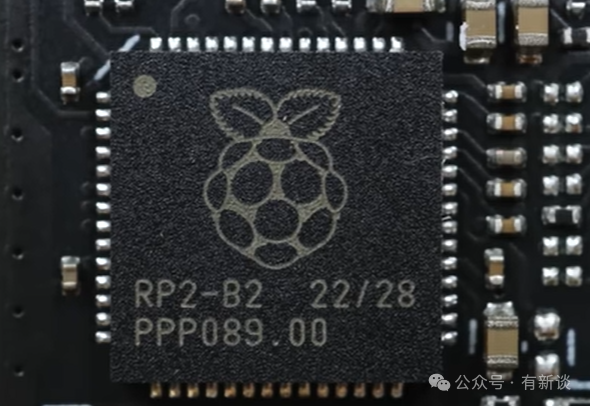
 It provides an RP2040 microcontroller to control the GPIO (General Purpose Input/Output) interface circuits. The RP2040 has two ARM Cortex-M0+ cores, allowing one core to specialize in reading sensor data while the other core specializes in controlling motors, without interference. The default frequency is 133MHz, far exceeding Arduino Uno’s 6MHz. It provides 264KB of on-chip memory, capable of running the MicroPython interpreter and even some mini machine learning models. The RP2040 has 8 independent state machines, which can be thought of as 8 minimal independent CPUs. When writing a small program to tell the PIO: “pull this pin high every 1 microsecond,” the main CPU can perform complex mathematical calculations while the PIO automatically completes this task with hardware-level precision.
On the Iota, the main CPU Intel N150 (Windows) is responsible for running the UI interface, processing complex business logic, connecting to WiFi/databases, and running Python scripts. The RP2040 is responsible for generating PWM signals to control servos, reading analog signal sensors, or simulating keyboard and mouse inputs.
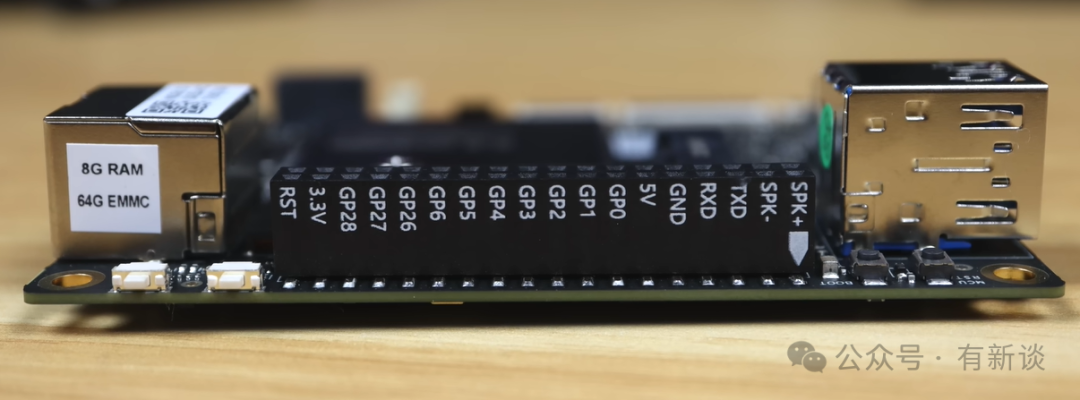
 On the main side, it is equipped with GPIO, similar to the Raspberry Pi, allowing control of various circuits.
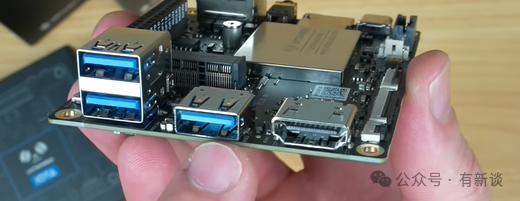
 The control board side provides USB 3.2 interfaces and HDMI 2.1 video interfaces. The video interface supports 4K 60HZ output.
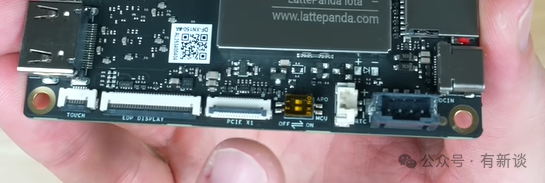
 It also provides RTC interfaces, EDP interfaces, and PCIe 3.0 interfaces.
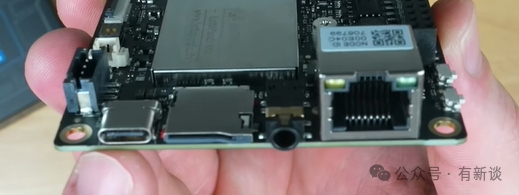
 Additionally, it includes Type-C interfaces, Micro SD slots, and RJ45 gigabit network interfaces, equipped with WiFi functionality.
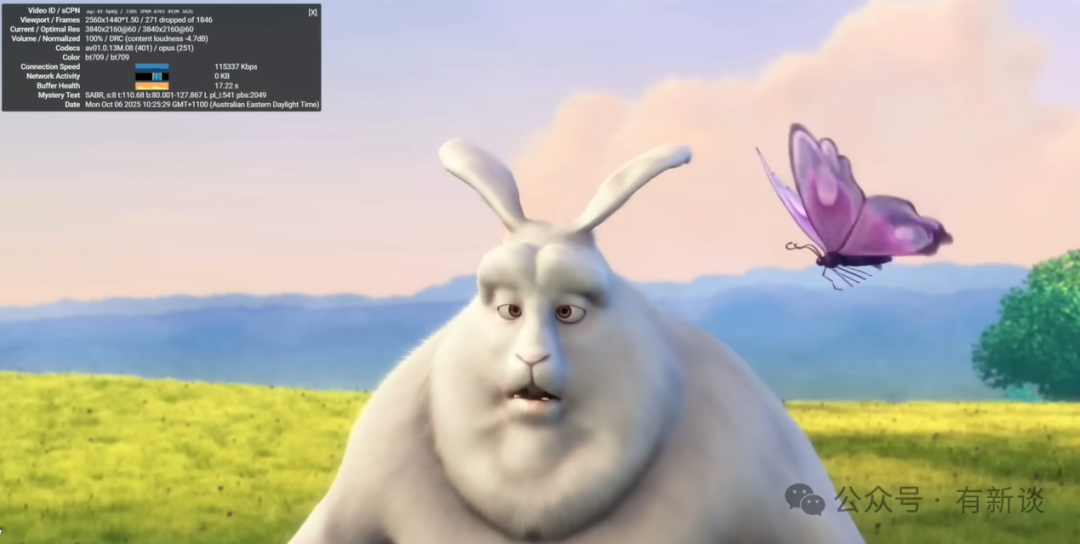
 2. Application Testing1. Video Testing. In the video playback test, the LattePanda Iota can decode 1080P high-definition video without dropping frames, and playback is smooth. However, in 4K video, there are minor frame drops and playback stutters.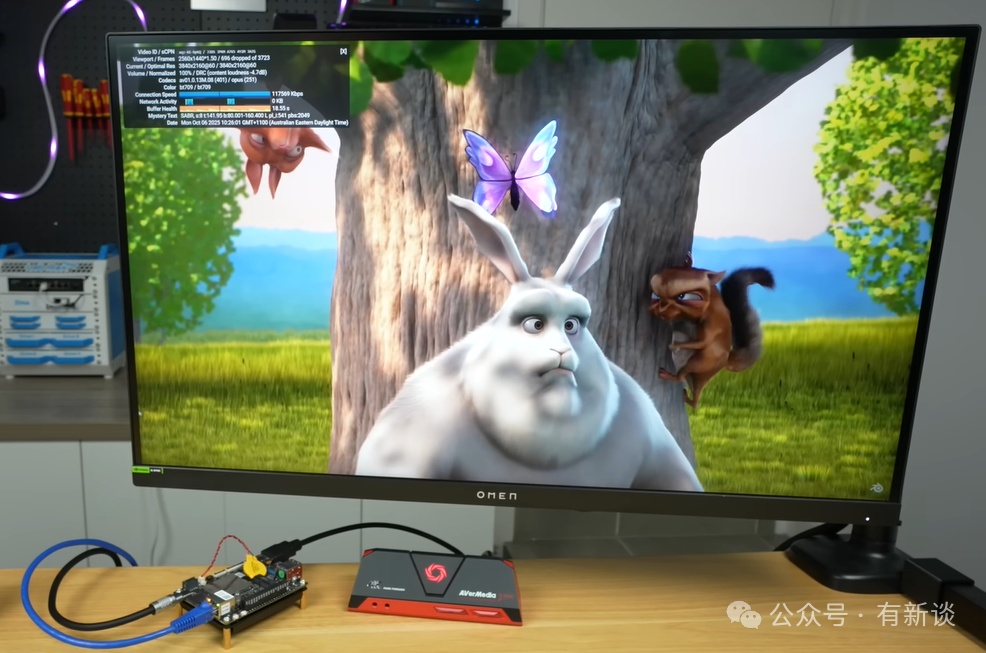
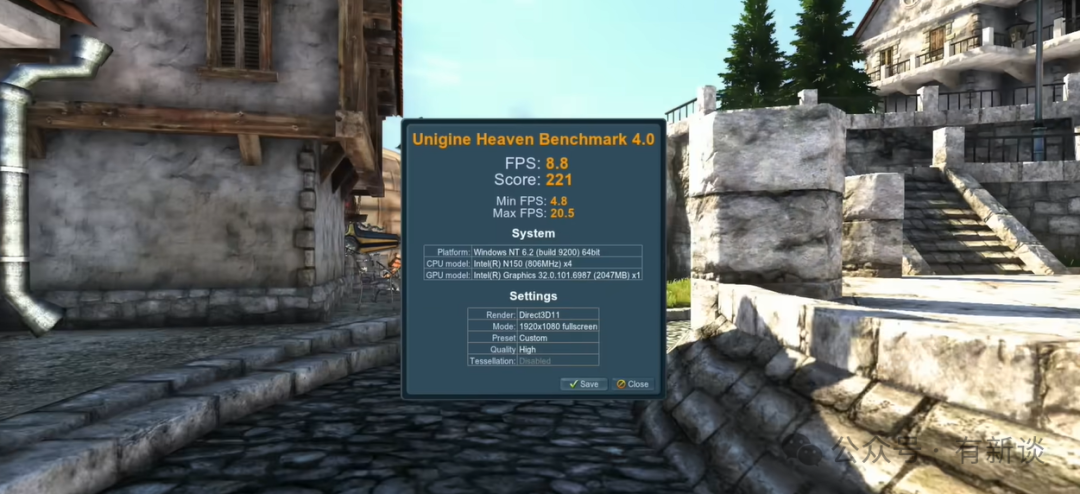
 2. Gaming Testing. In the Unigine Heaven benchmark test, under high-quality settings at 1080P, the average frame rate is 8.8 FPS, scoring 221 points, which is low and results in a poor experience.
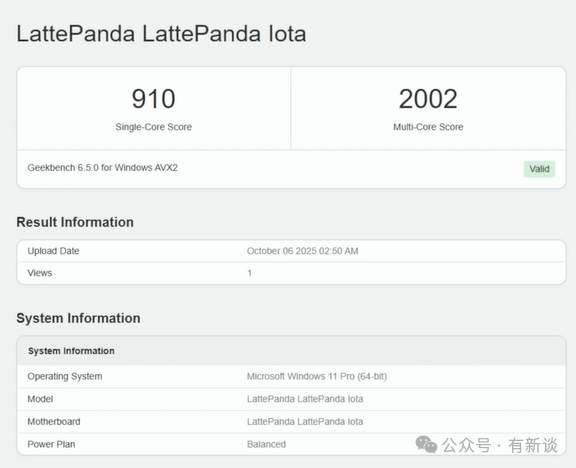
 3. Daily Applications. In the Geekbench daily application test, the single-core score is 910, and the multi-core score is 2002, fully capable of handling web browsing, video playback, and light office productivity.
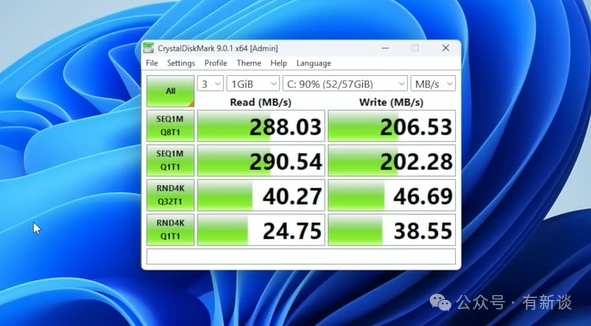
 4. Disk Testing. Running the Crystal Disk Mark test on the hard drive, the read speed can reach 288MB/s, and the write speed can reach 206MB/s, higher than mechanical hard drives but lower than NVMe SSDs. RND4K (4K random read/write) Q32T1 read 40.27 MB/s, write: 46.69 MB/s, higher than Raspberry Pi SD cards, but lower than NVMe SSDs.
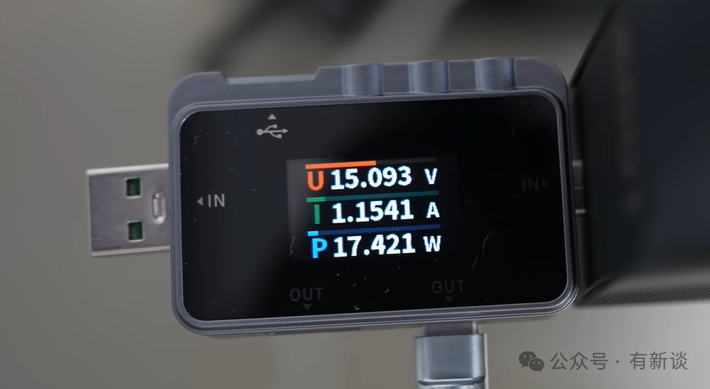
 5. Power Consumption. In normal applications, the power consumption is only 3-5 watts. However, when the CPU is fully loaded and the GPU is activated, it can rise to 15 watts, peaking at 19 watts.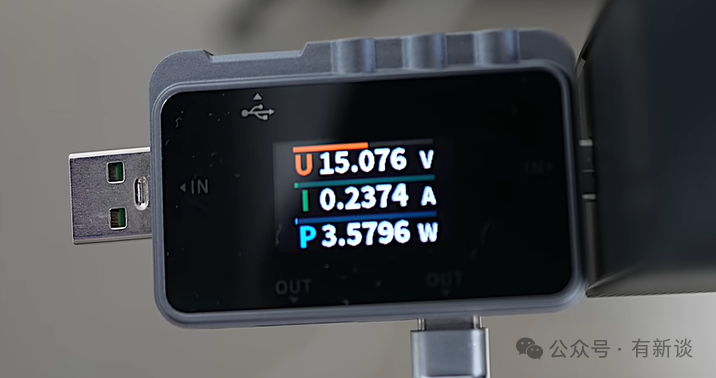
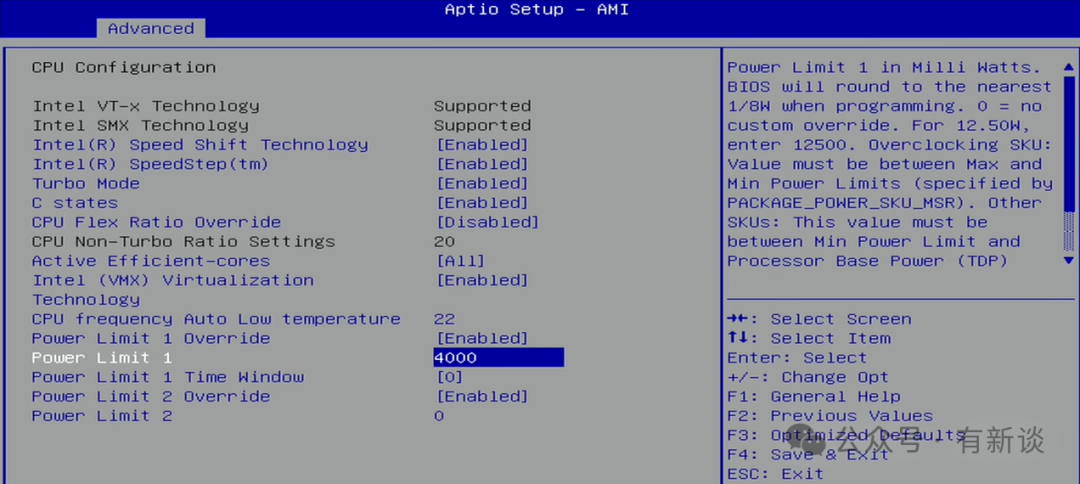
 The power consumption can be set in the BIOS, and generally, it only makes sense to set it under lightweight operating systems like Linux; limiting power in Windows can lead to slow system performance.
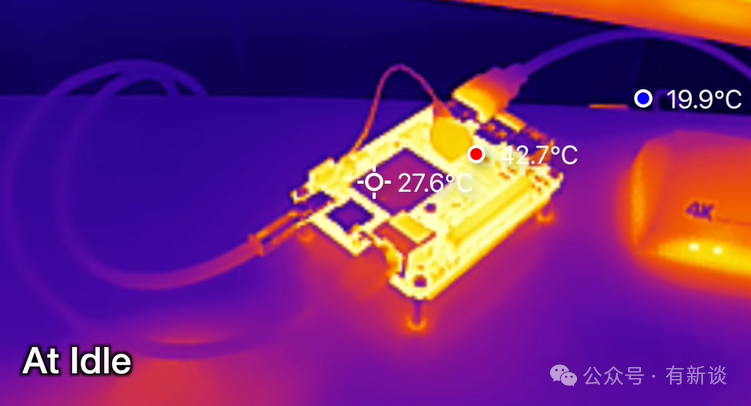
 6. Operating Temperature. In infrared temperature detection, the CPU idle state is generally 45-50℃, while under full load with GPU enabled, the CPU temperature reaches 70℃.
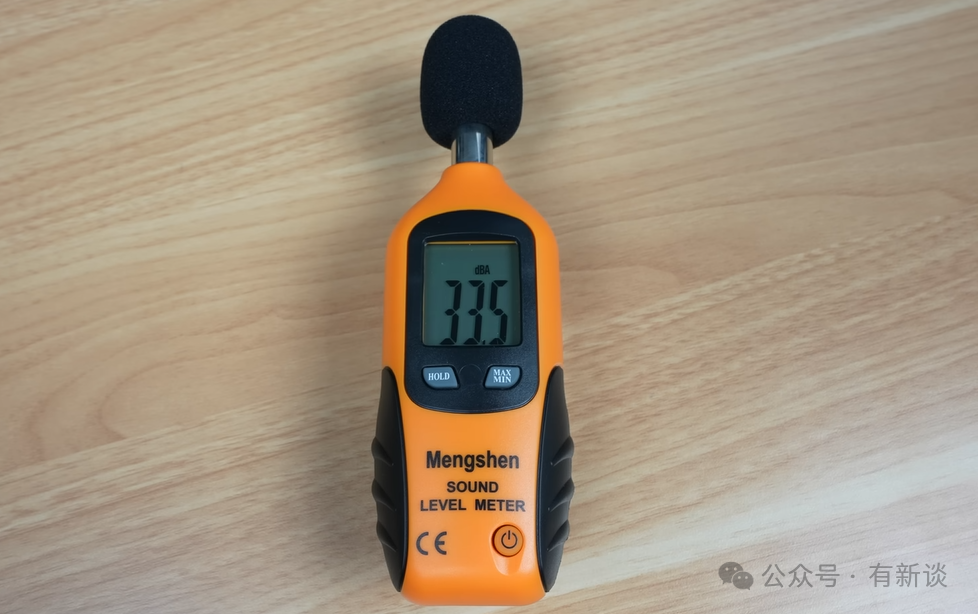
 7. Operating Noise. In the noise test, under idle conditions, the fan noise is 34-35 decibels. Under full load, it reaches 50 decibels, which is quite loud.
 3. ConclusionIn summary, the LattePanda Iota is an excellent microcontroller board, a “little powerhouse” in the low to mid-power, ultra-compact field, suitable for scenarios that require running Windows/Linux desktop-level software while directly controlling motors/sensors. If you plan to create a robot automatic recognition controller, smart shelf, or a very small smart home central control project, it is a super tool, providing x86 architecture + hardware control capabilities in a small board. However, if you need to write documents, watch high-definition movies, play games, or require high-performance code compilation, please choose a PC, as the Iota will be too slow and too expensive for you, with a single board priced around 1500 yuan.Follow this public account to avoid getting lost on your return visit.