In the manufacturing process of PCBA (Printed Circuit Board Assembly), material substitution is a critical step that directly affects the performance, quality, and reliability of the final product.

Taking Hengtian Yi Electronics Co., Ltd. as an example, it has accumulated rich practical experience in material substitution and procurement, forming a systematic management strategy. This article will explore the key considerations for material substitution in PCBA manufacturing from Hengtian Yi’s perspective.
Key Considerations for Material Substitution in PCBA Manufacturing
1. Technical Compatibility is the Core of Material Substitution
In PCBA manufacturing, material substitution must be based on the principle of technical compatibility. For example, in high-frequency and high-speed PCBA, changes in the resin system and fillers of the copper-clad laminate may lead to traditional de-gluing processes being unable to completely remove residual glue, thus affecting circuit quality. Therefore, substitute materials must undergo rigorous testing and validation to ensure they meet process requirements. Hengtian Yi has gradually replaced imported components with domestically produced components in military electronic products, focusing on the process and quality issues of component packaging. By optimizing packaging design and adjusting production processes, they successfully resolved compatibility issues of domestic components in the assembly process.
2. Cost and Benefit Balance is an Important Consideration for Material Substitution
Material substitution not only requires consideration of technical compatibility but also needs to assess cost-effectiveness. For instance, some high-end PCB manufacturers prioritize the technical support capabilities and rapid response capabilities of suppliers when selecting substitute materials. Additionally, Hengtian Yi has effectively shortened the material procurement cycle and improved production efficiency by optimizing the BOM (Bill of Materials) and flexible production systems. In practice, companies should reasonably select substitute materials based on their product positioning and market strategy to achieve a balance between cost control and performance enhancement.
3. Environmental Protection and Regulatory Compliance are the Bottom Line for Material Substitution
With the increasing awareness of environmental protection, material substitution must meet environmental standards such as RoHS to avoid the use of harmful substances.
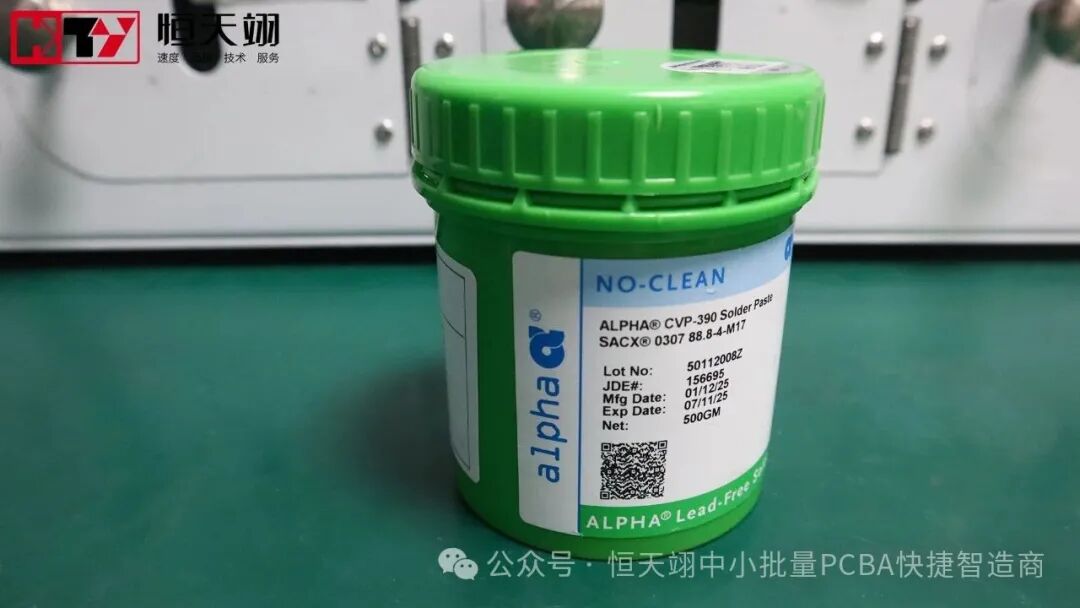
At the same time, Hengtian Yi strictly adheres to relevant regulations during production to ensure that all substitute materials meet international certification requirements. In the current global context of increasingly stringent environmental requirements, companies should prioritize selecting substitute materials that comply with RoHS standards and reduce waste emissions through improved production processes to achieve the goal of green manufacturing.
4. Supply Chain Management is the Key Guarantee for Material Procurement
Stable supply chain management is the foundation for ensuring material quality and supply stability. Hengtian Yi maintains long-term cooperative relationships with original component suppliers to ensure procurement from reputable and reliable manufacturers. Good supply chain management can minimize the risk of counterfeit or substandard components, thereby ensuring the lifespan and performance of assembled PCBs. Additionally, companies should establish a comprehensive supplier evaluation system, regularly auditing and assessing suppliers to ensure they have sufficient production capacity and quality control capabilities.
5. Quality Control is the Final Guarantee for Material Substitution
Quality control of material substitution runs through the entire production process. Hengtian Yi introduces advanced testing equipment and methods, such as flying probe testing and AOI (Automated Optical Inspection), to ensure that each PCBA meets quality standards.
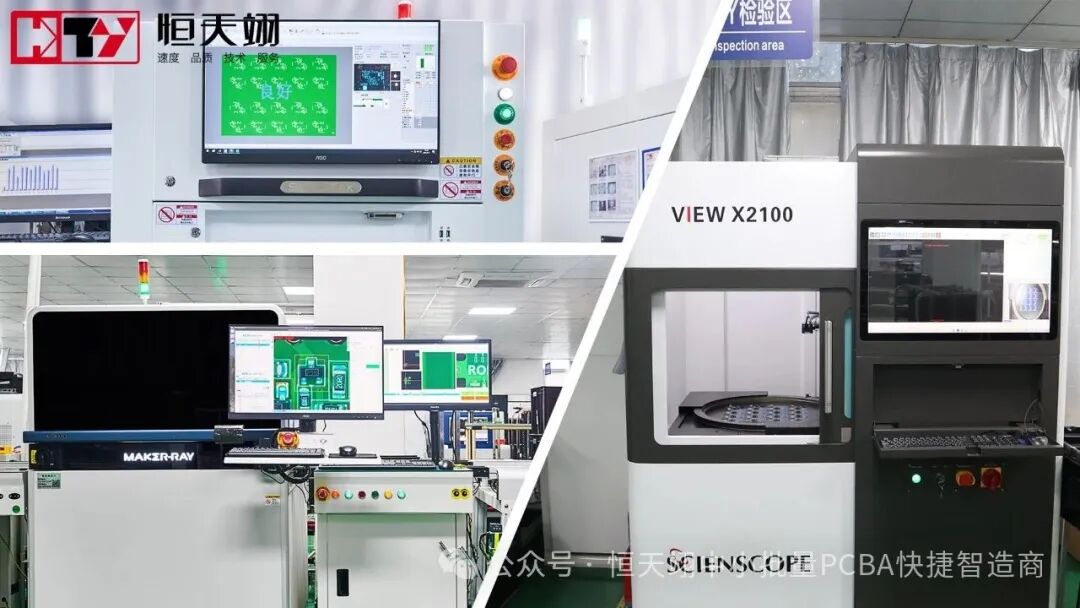
At the same time, the company has established a strict incoming material inspection system to accurately inspect component materials, ensuring raw material quality. During the material substitution process, companies should establish a comprehensive quality management system, including incoming inspection, process control, and finished product testing, to ensure that each link meets quality requirements.
6. Flexible Production Systems are Powerful Tools for Responding to Material Changes
During the material substitution process, companies often face situations where the BOM is not fully determined. At this time, flexible production systems can provide rapid adaptability, optimizing the BOM through material specification completion and preferred substitution, thus improving the operability of material procurement.
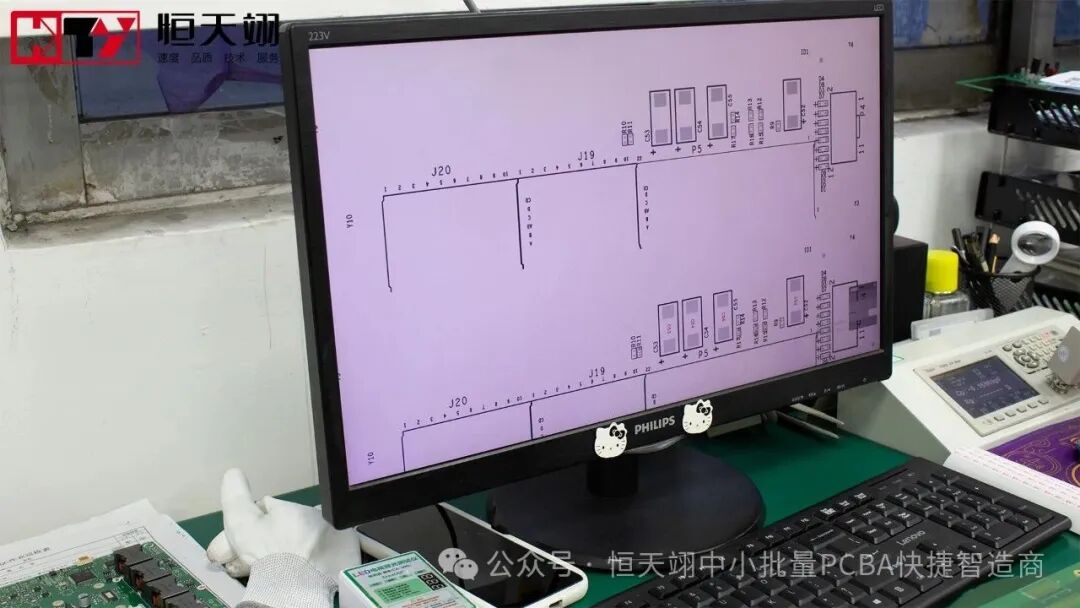
Hengtian Yi has achieved rapid adaptability to different materials by introducing flexible production systems, thereby improving production efficiency and response speed. Companies should flexibly configure production systems based on their product characteristics and market demands to address the challenges posed by material changes.
7. Customer Communication and Technical Support are Important Guarantees for Material Substitution
In the material substitution process, customer communication and technical support are equally important. Hengtian Yi has a professional customer support team that can promptly respond to customer inquiries and needs, providing necessary technical support to help customers solve technical issues during the production process.
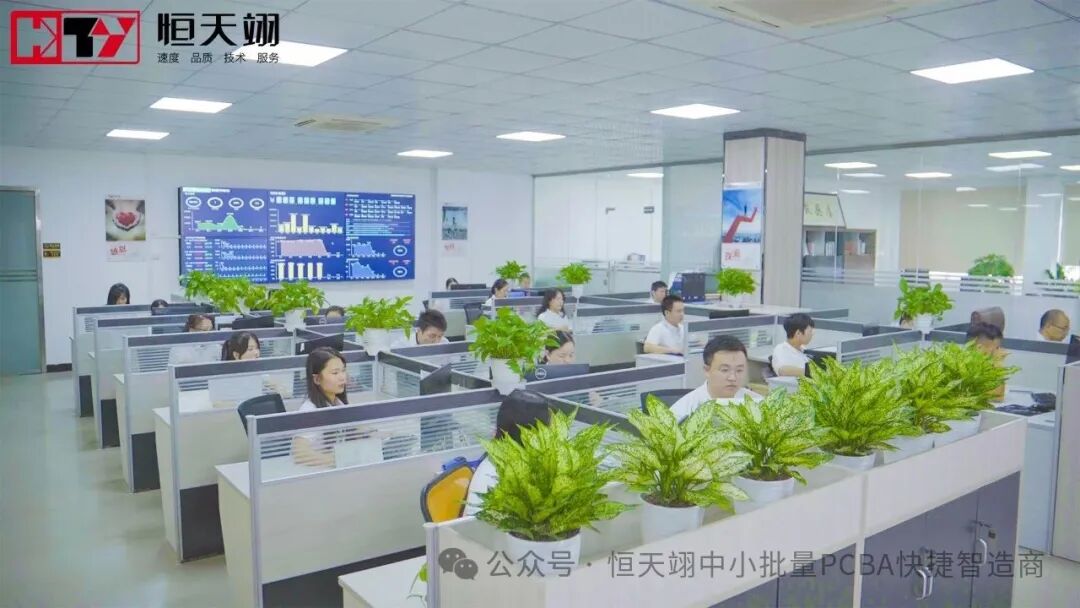
Good customer communication not only improves customer satisfaction but also enhances the company’s market competitiveness. Companies should establish smooth communication channels, regularly communicate with customers, and understand their needs and feedback to continuously optimize services.
Material substitution in PCBA manufacturing is a complex and critical task that involves multiple aspects such as technology, cost, environmental protection, and supply chain. Taking Hengtian Yi as an example, it adheres to comprehensive considerations of technical compatibility, cost-effectiveness balance, environmental compliance, supply chain management, quality control, flexible production systems, and customer communication in its material substitution process, forming a systematic management strategy. In the future, with continuous technological advancements and changes in market demand, Hengtian Yi will continue to explore more efficient and environmentally friendly material substitution solutions to provide customers with higher quality services.