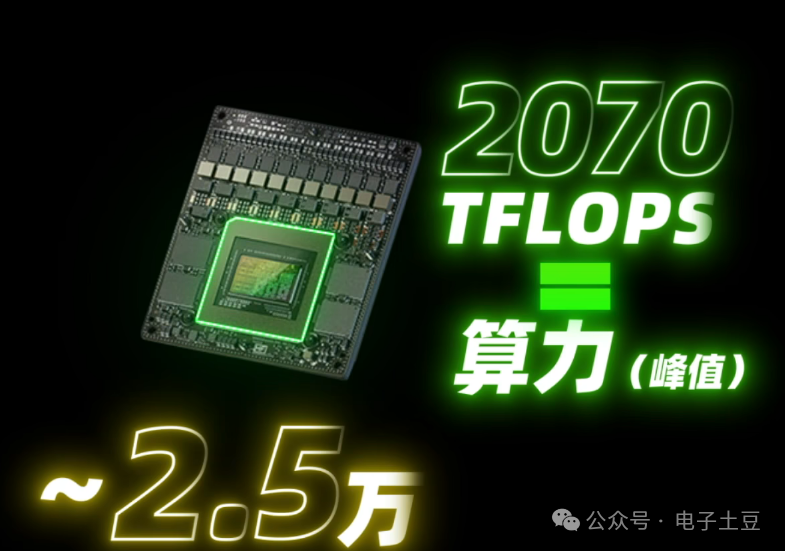
 Currently, the most powerful robot has a brain computing power of about 2000 Tflops and a power consumption of 130 watts.
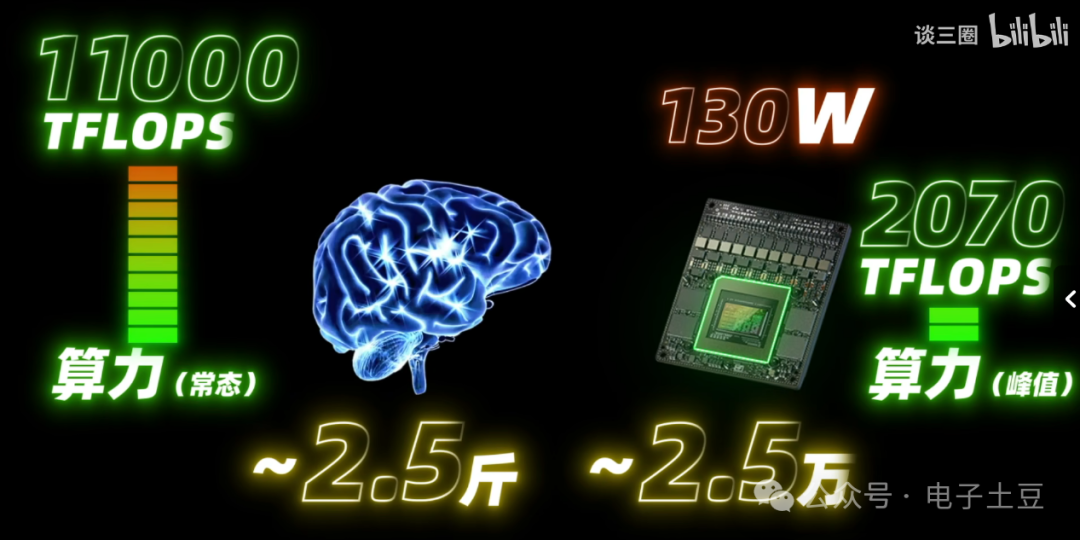 In contrast, a rather ordinary human brain has a computing power of about 11000 Tflops and only requires 20 watts. Is the reason why robots are not smart enough due to chips and computing power?
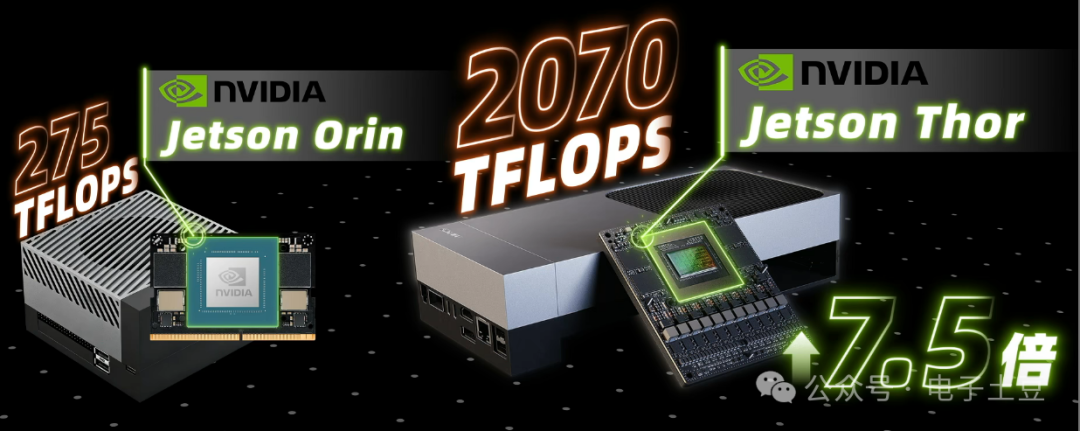 This is the most powerful brain of a robot, the newly released robot-specific chip Jetson AGX Thor, which has a computing power that has increased by 7.5 times compared to the previous generation, reaching up to 2070 Tflops, capable of executing up to 20 trillion FP4 precision calculations per second.
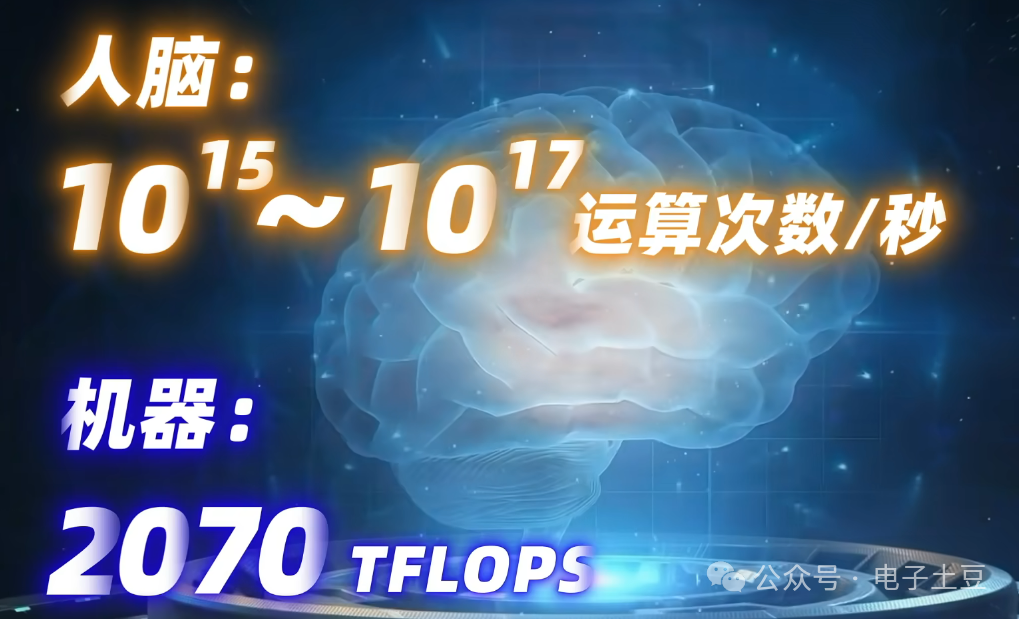 This local computing power of the robot is roughly touching the lower limit of human brain computing power, as scholars estimate that the computing power of the human brain is roughly between several thousand to tens of thousands of Tflops based on the number of active synapses and their transmission frequency.
 Of course, this estimate is very rough because the information processing method of the human brain is different from the floating-point operations of digital circuits. The integrated structure of the brain’s neural network is also not comparable to the Von Neumann architecture of chips in terms of computational efficiency. Moreover, in tasks such as associative learning, emotional abstraction, and intuitive reasoning, the human brain has undergone millions of years of natural optimization.Therefore, although in certain specific tasks, such as large-scale calculations and playing Go, humans have been surpassed by computers and AI, in terms of generality and generalization ability, we are still much stronger than robots.
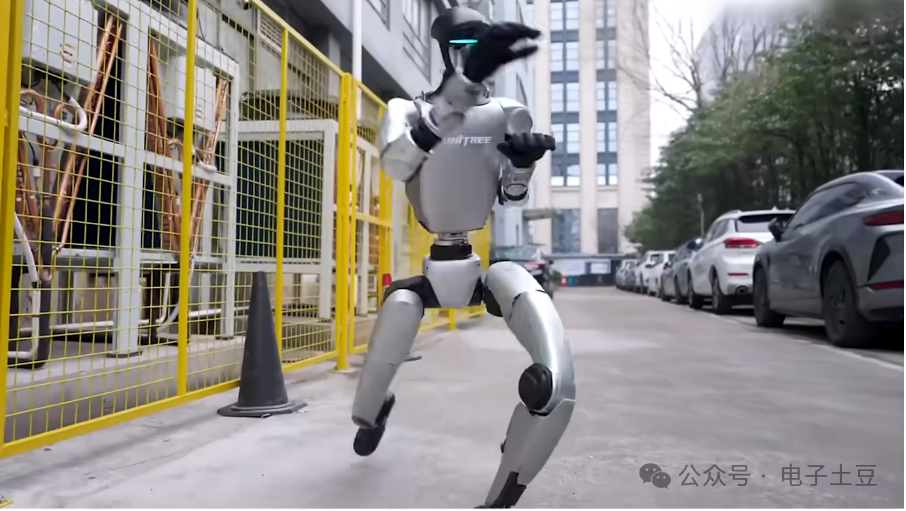 In the past two years, robots, especially humanoid robots pursuing generality, have made impressive progress in motion control, but they are often limited to specific scenarios, such as dancing or boxing, appearing quite realistic, yet they still lack self-adaptation and learning capabilities, and their intelligence level is actually quite inadequate.
 Therefore, from the robot conference to the latest Huawei All-Connect Conference, everyone is focusing on one thing: embodied intelligence. Simply put, it is giving AI a physical entity, such as a robot, allowing intelligence to have a body, enabling it to acquire broader knowledge and skills through continuous feedback interaction with the real physical world, thus allowing robots to possess task generalization ability and real productivity.
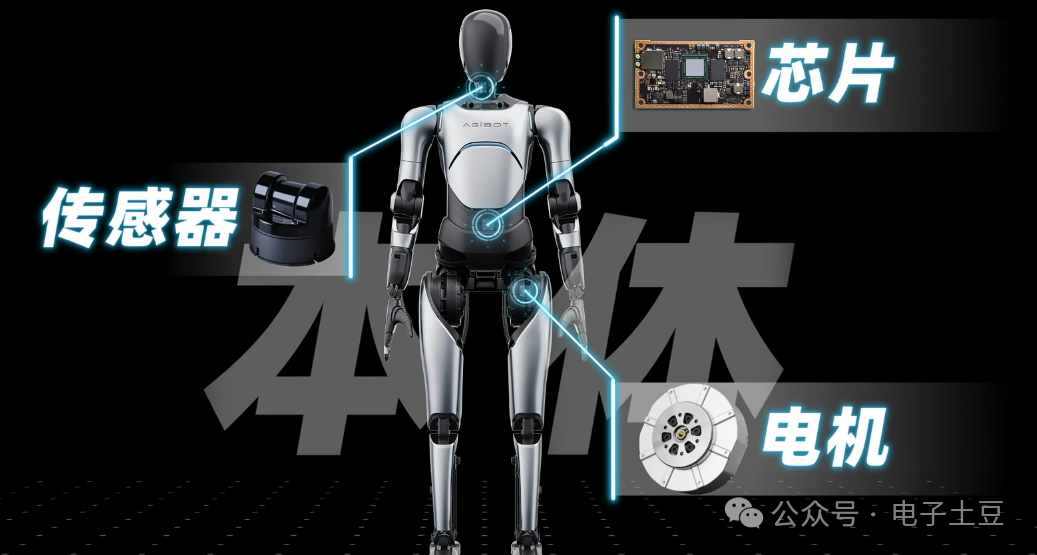
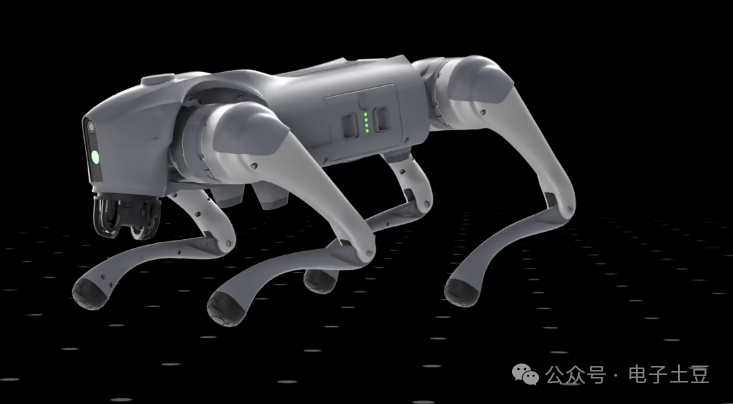 To achieve embodied intelligence, there are several key points. The first is the body, which includes all hardware such as chips, motors, sensors, and mechanical structures.
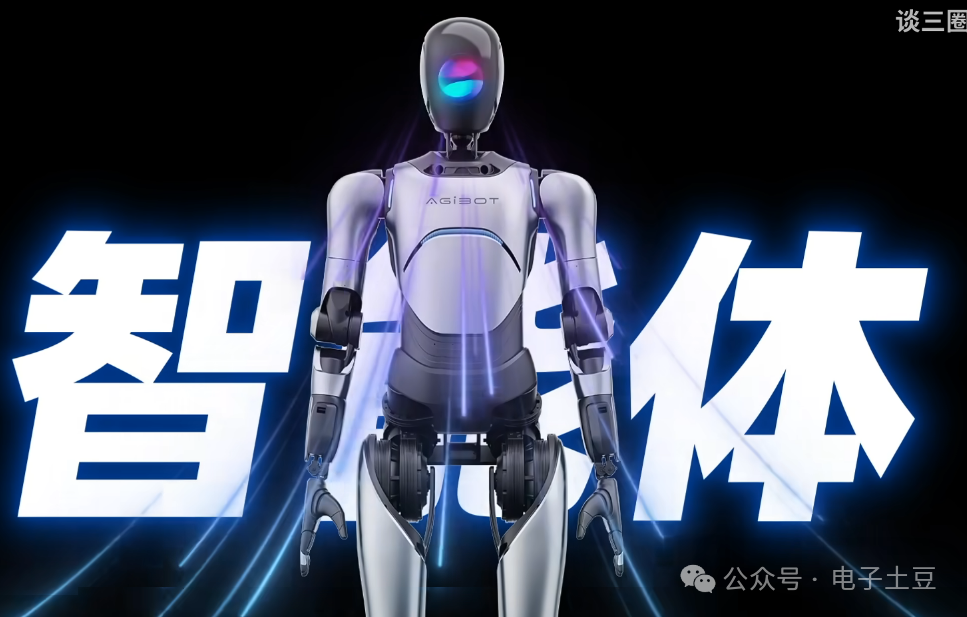
 The second is its intelligence agent, which is simply the robot’s AI responsible for perceiving the environment, understanding and analyzing various information from the outside world, and outputting corresponding control commands to the body.
 The performance of the hardware in the body, from computing power, size, motion output to perception ability, will directly affect the performance and growth of the internal intelligence agent.Currently, robot bodies can be said to have various forms of movement, including wheeled, quadrupedal, and humanoid, with perception capabilities such as vision, radar, and some even equipped with tactile feedback.
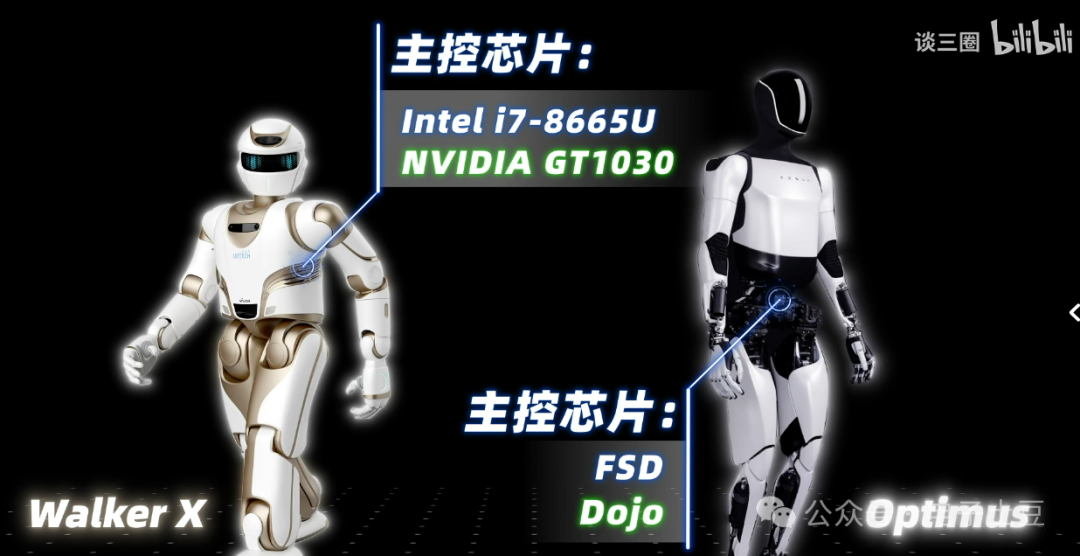 There are many solutions for the main control chip, including dedicated chips and direct use of computer X86 CPUs and GPUs. Currently, the diverse hardware in robotics has actually brought some problems to embodied intelligence.However, whether it is motion capability or chip computing power, they are not the biggest challenges for robots,data is.The AI models for robots already have frameworks, whether it is reinforcement learning combined with VLA end-to-end or world models, but why is it still impossible to emerge true embodied intelligence?
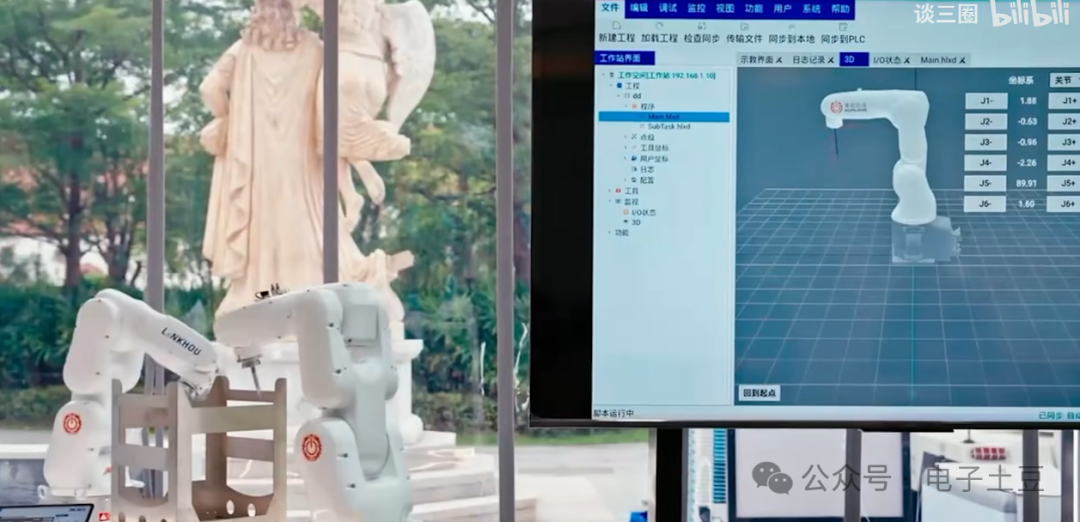 The biggest bottleneck is data, which is the third key to embodied intelligence and one of the recognized major shortcomings in the industry.We all know that training a large model requires massive amounts of data; only a quantitative change in data scale can trigger a qualitative change in intelligence.The reason why large language models can be developed is that a large amount of text and images have already been accumulated on the internet, providing a wealth of data that can be easily crawled.
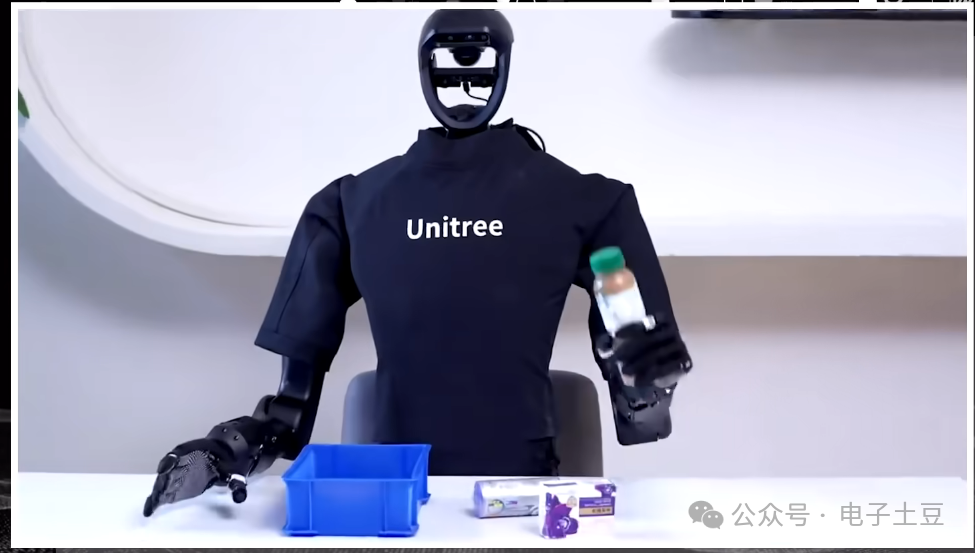 However, obtaining data for robots is very difficult because it involves not only text and images but also visual information, location, depth tactile feedback, time perception, etc. It requires a lot of time to conduct physical experiments, manual labeling, and real machine data collection.
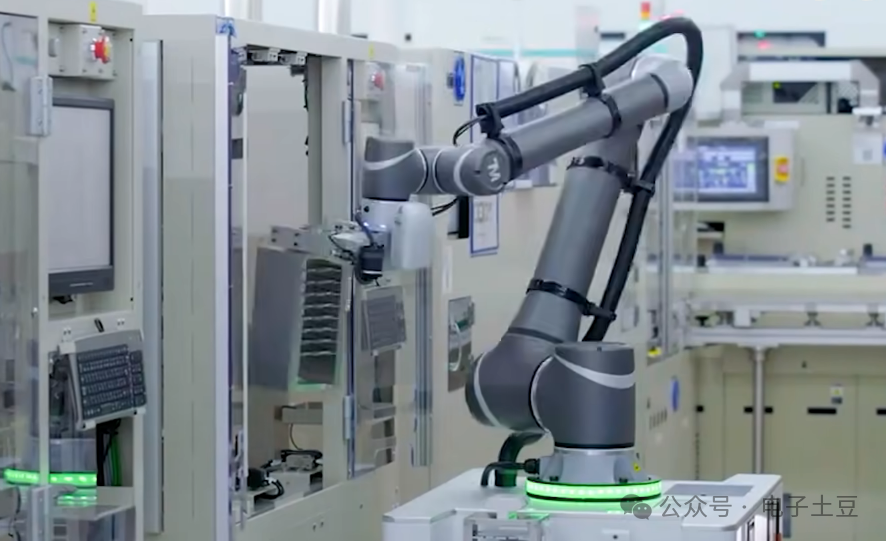 For example, to train a robotic arm capable of sorting and picking, where does the AI data come from? Often, it requires a person to manually operate the robotic arm to record videos of different grasping targets and scenes, which is very time-consuming and labor-intensive, taking several hours to record about a hundred high-quality video data. Large professional teams like Google spent 17 months to collect 130,000 operational trajectories for training the RT-1 and RT-2 models, which is a drop in the bucket compared to the trillions of characters used to train a GPT model.
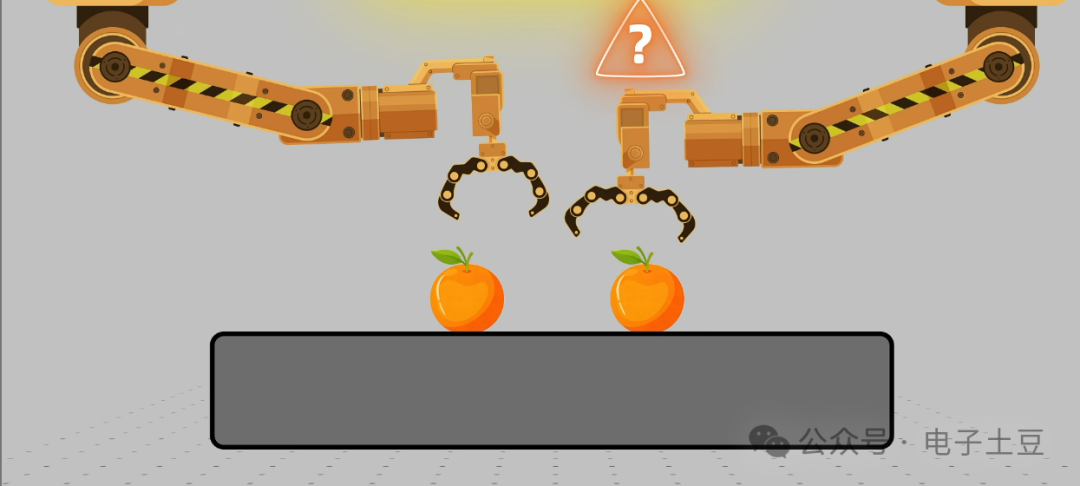 Insufficient data can lead to extremely poor generalization ability of robot AI. For example, if a robotic arm is trained to pick apples, it may not be able to pick oranges. Objects that can be recognized on a table may not be recognized on a conveyor belt. For instance, if the data is collected during the day, it may not work at night under different lighting conditions.With insufficient training data, as long as the target position or scene changes slightly, the robot’s intelligence behaves as if it is disabled, lacking adaptive capabilities. So how can we solve the data problem for robots?Since the real machine data collection method is costly and inefficient, are there other ways to obtain data?
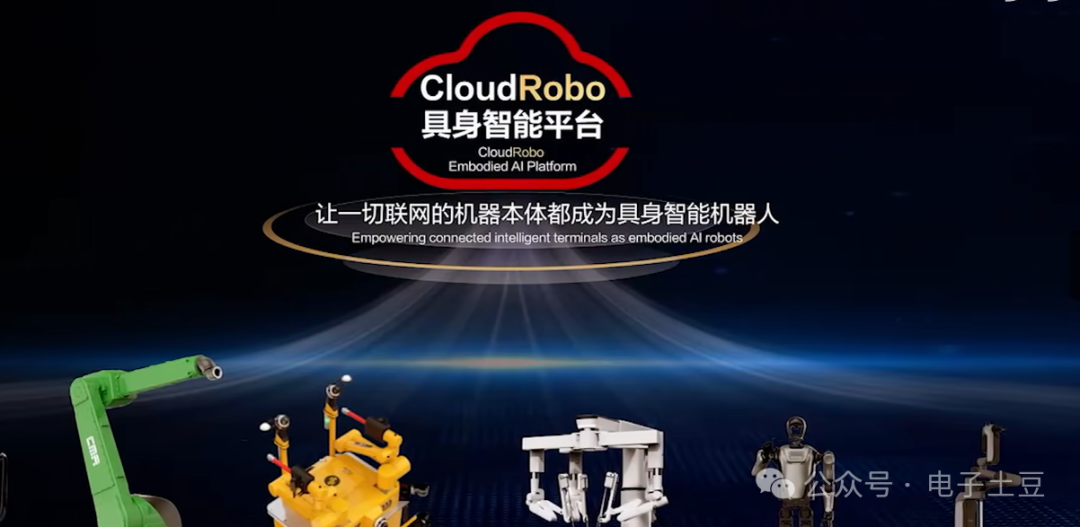 We can use virtual synthetic data.This is the cloud Robo embodied intelligence platform launched by Huawei Cloud, where robot manufacturers can utilize its physical simulation engine, Meta engine, to produce a large amount of touchable, diverse synthetic data for annotation, including RGB, visual radar depth, and various other information.
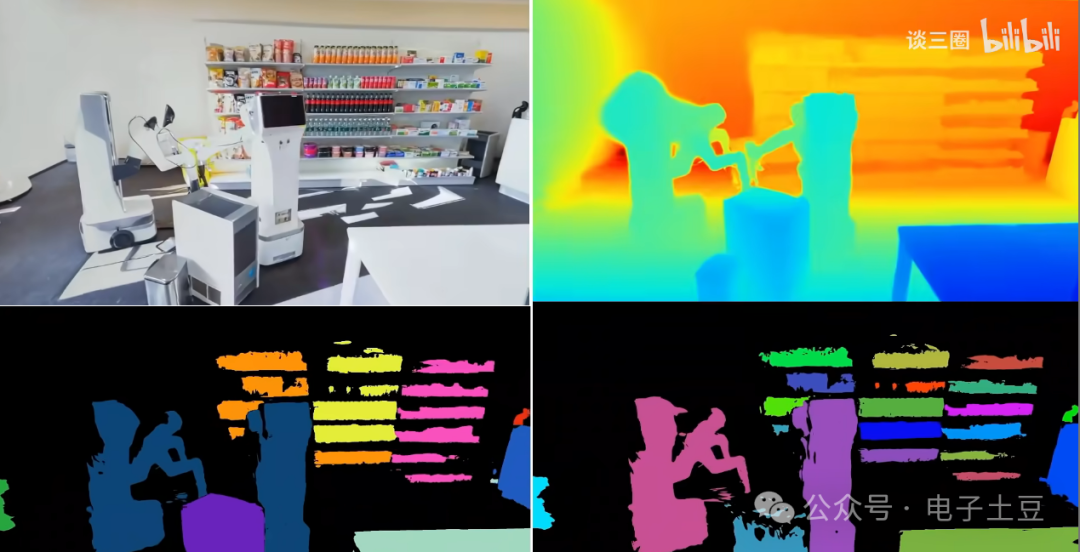 For example, the previously mentioned method of collecting training data for robotic arm picking through manual operation is time-consuming and labor-intensive. Instead, a small amount of video data samples can be fed into cloud Robo, which can directly produce a large amount of synthetic data with randomized layouts, materials, environments, and lighting, significantly reducing the workload and cost of real data collection.
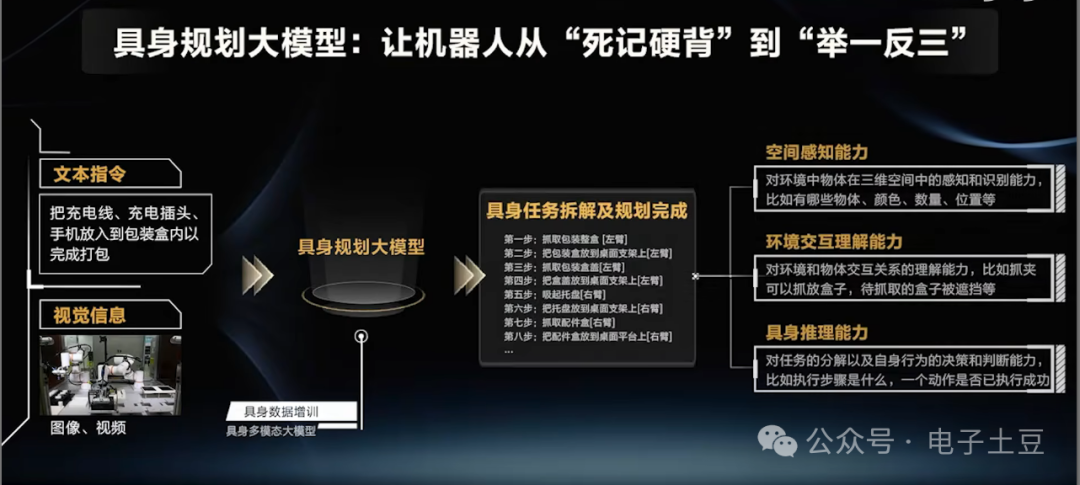 At the same time, virtual data has the added benefit of reducing the risk of damaging equipment during real machine data collection.
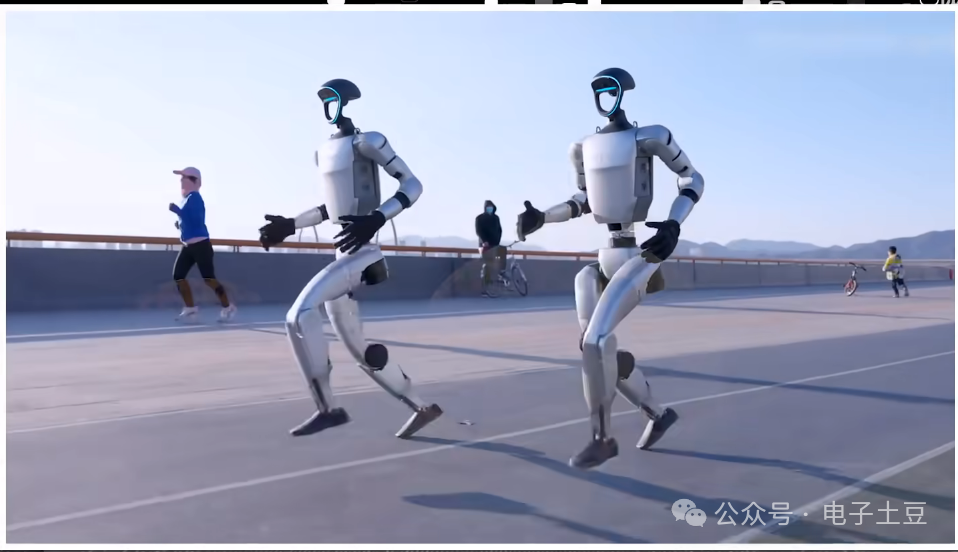 For instance, during the recent robot marathon, many manufacturers trained robots through reinforcement learning, requiring countless trial-and-error strategies during the running process. A slight mistake could lead to the expensive robot falling and getting damaged, unlike humans who have self-repair capabilities.
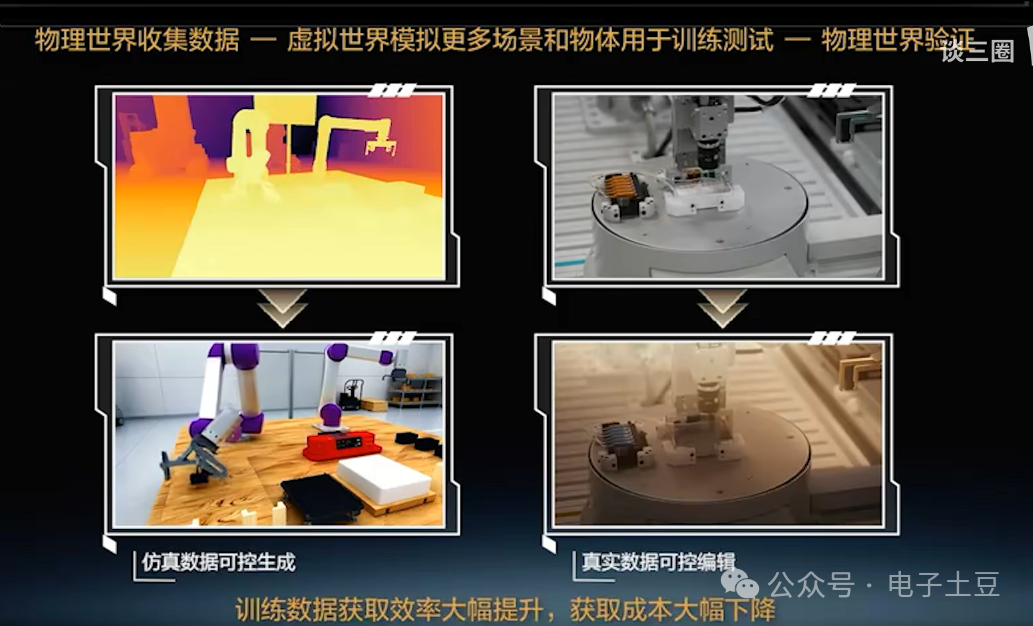 Synthetic robot data should not only focus on its advantages; there are many technical challenges. First, it is essential to ensure the efficiency and diversity of the produced data, achieving minute-level data collection and hour-level spatial reconstruction, quickly generating multi-modal embodied data without human intervention. These are the keys for cloud Robot to accelerate the generalization ability of robots.
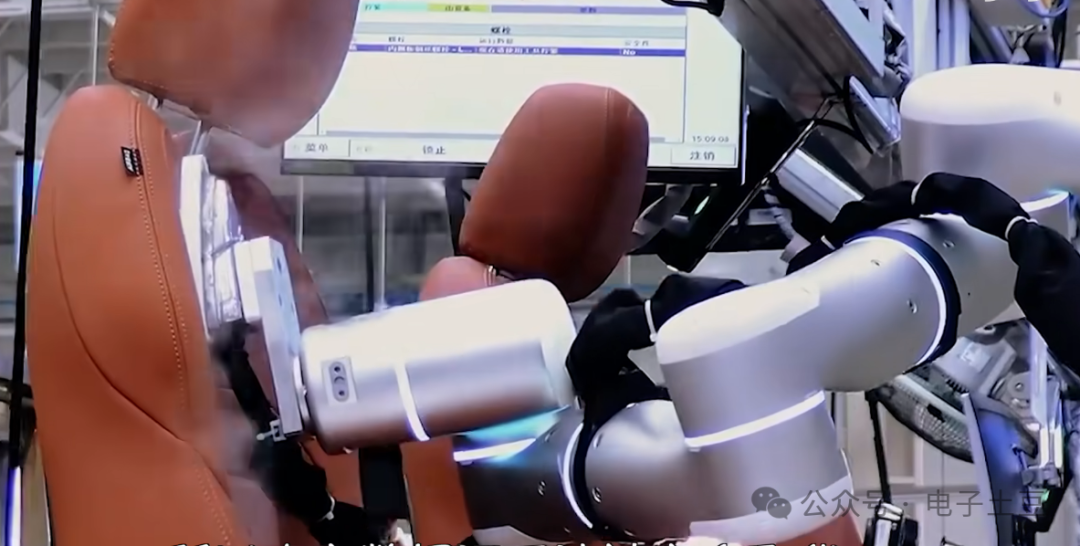 Second, how realistic the virtual data is. It is important to know that the real physical world is continuously dynamic and complex. Many common phenomena, such as friction, wind resistance, and flexible contact, are challenging to accurately restore and simulate.
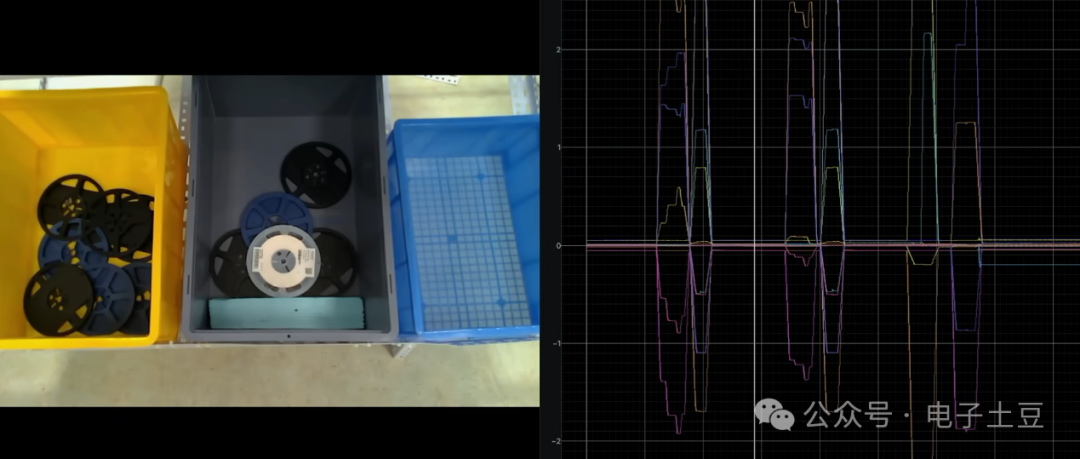 Therefore, real data cannot be completely replaced. What we want is to make virtual data as close to reality as possible to reduce the demand for real data. To achieve this, Huawei’s cloud Robot uses various formats, including point clouds, 3D GS, and Mesh (supporting physically realistic interactions) for fusion simulation to ensure that virtual data is not only visually realistic but also has physical and geometric errors of less than 1%, while also supporting robot movement and operational interaction in virtual scenes, generating first-person data with depth temporal information.
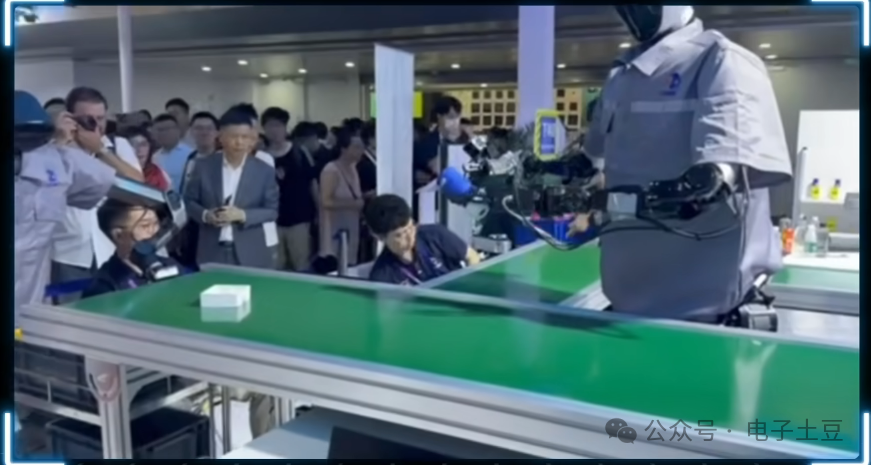 This can reduce the cost of real machine data collection by 70%, increase the model’s generalization ability by 5 times, and improve the success rate of robots performing tasks in various environments.
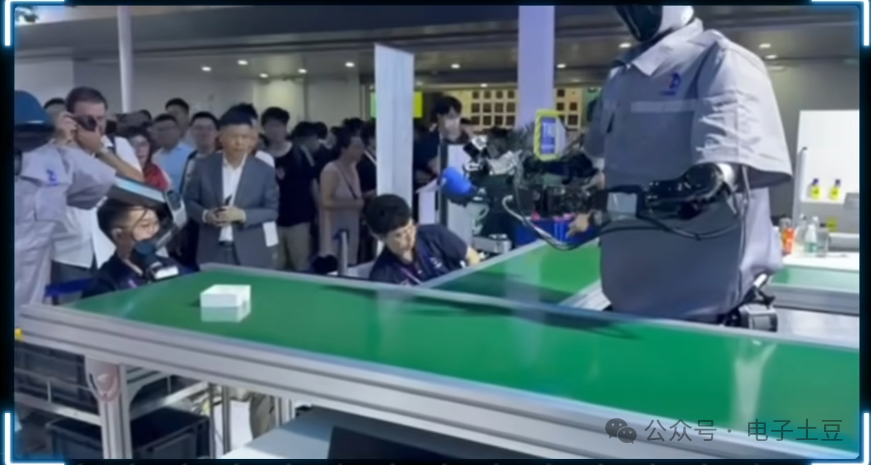 For example, at the Shanghai World Artificial Intelligence Conference, we saw sorting robots exhibited by the International Center. In the past, if data were collected manually for motion trajectories, it would require setting up material conveyor belts on-site, and a day’s trial data would yield less than 300 entries. However, using cloud Robo to synthesize virtual data can automatically generate over 800 entries in a day.This combination of virtual and real data is very helpful for accelerating robot training. Of course, data is currently the biggest challenge constraining robot intelligence, but it is certainly not the only challenge.
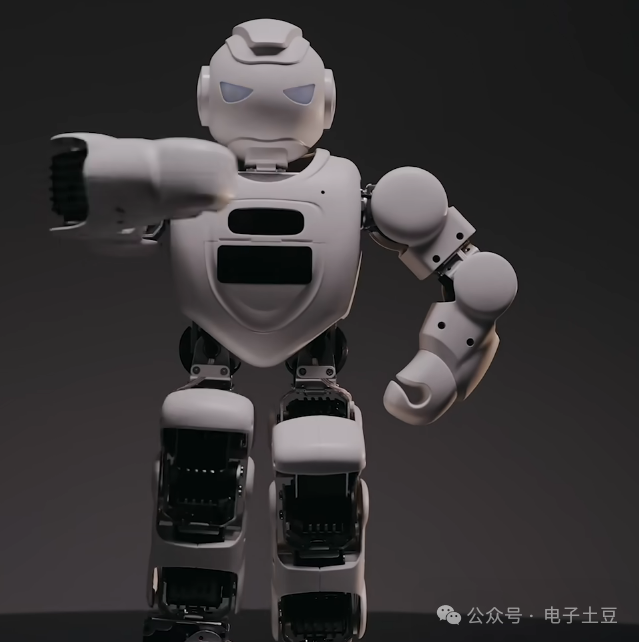 As we compared the gap between the robot brain and the human brain at the beginning, in fact, besides the brain, current mainstream robots are still in the early stages of development in various aspects. For example, they lack the fine tactile feedback that humans have and are also missing biological senses such as taste and smell, which cannot receive complete modal information. This leads to a fundamental insufficiency in robots’ understanding of the environment, making it impossible for them to grow and adapt as quickly as humans.
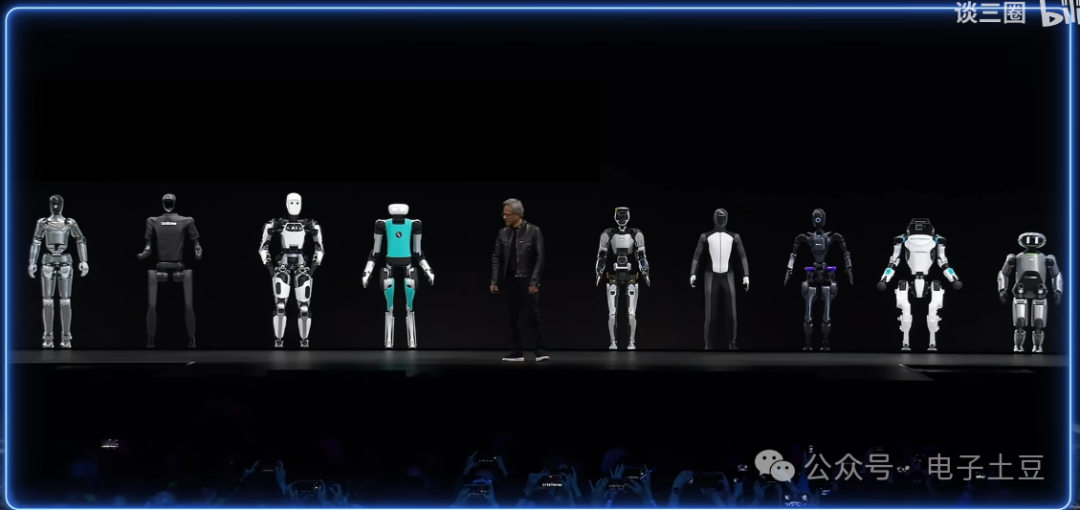 Additionally, from the perspective of the entire robotics industry, it has been mentioned that currently, different manufacturers have diverse hardware platforms and technical routes, with robots’ chips, hardware, driving methods, sensor configurations, control frameworks, and even communication protocols lacking unified standards.
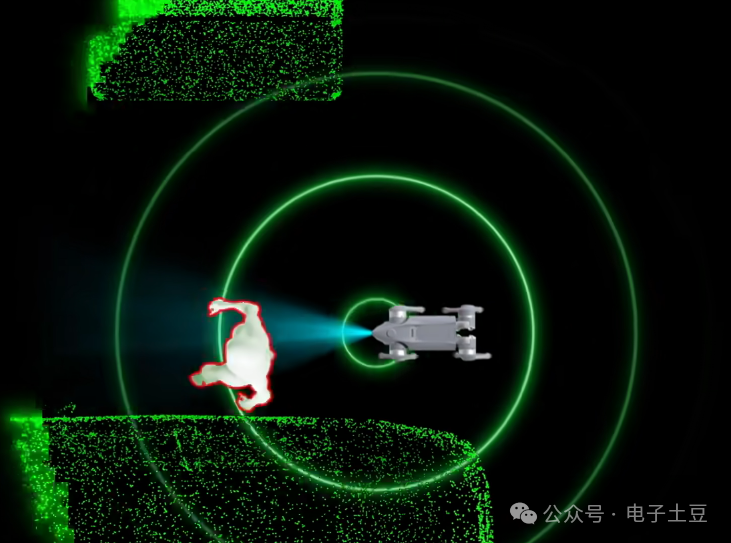 This fragmentation is actually not conducive to the rapid development of embodied intelligence because the differences between each type of robot make it difficult to establish general models and data. When a balance control algorithm developed for a quadrupedal robot cannot be directly applied to a humanoid robot, the data collected from a robot equipped with LiDAR cannot be reused for a purely vision-based robot.
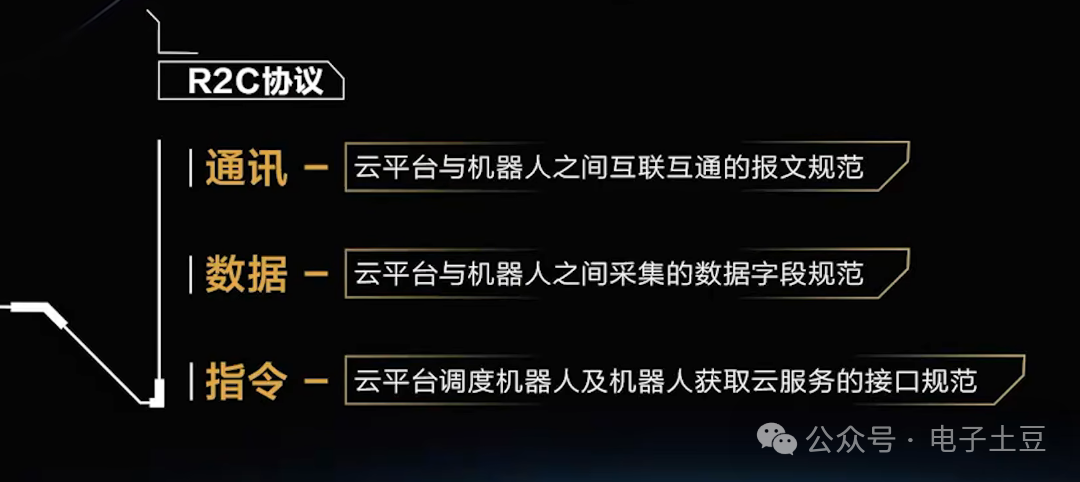 Therefore, at the Huawei All-Connect Conference, the entire industry is reaching a consensus to co-build an ecosystem. In addition to the technology of cloud Robo to solve the data shortage problem, Huawei Cloud is also working to promote the R2C standardized protocol to achieve efficient and secure cloud robot communication through standardized interfaces.In the future, through the combination of virtual and real data training, and the joint efforts of the entire robotics industry, we may be able to give birth to a Deepseek moment in the field of embodied intelligence in the short term, witnessing robots breaking through in certain vertical fields.
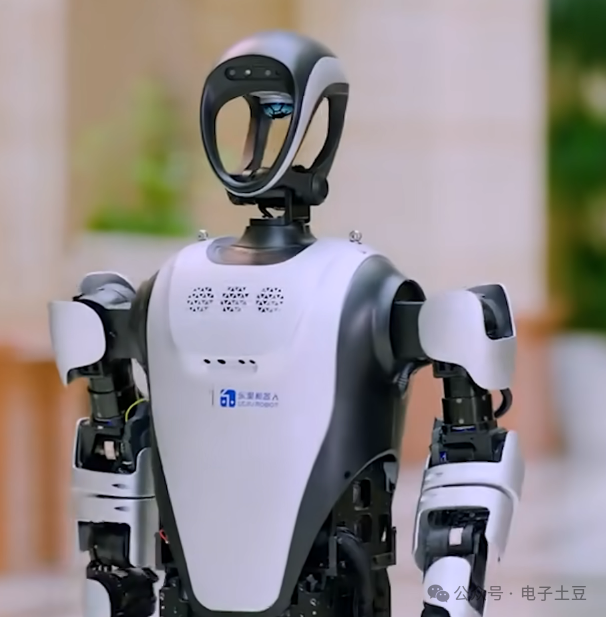 For example, in relatively less complex scenarios such as warehousing logistics and factory inspection, a robot with performance far exceeding previous models, capable of actual production benefits and large-scale commercial use, may emerge first.This will definitely be a milestone event for embodied intelligence, recorded in the history of future general-purpose robots.Disclaimer: This article is from Bilibili UP master Tan Sanquan.