Free for commercial use! A low-code visual development platform for industrial web with over 1500 components.
Finally, someone has clarified the differences between Modbus master and slave.
Finally, someone has clarified the differences between RS-485 and Modbus.
In the field of industrial automation and communication, the Modbus protocol is widely used for data transmission between devices. However, a common question during installation and maintenance is: Is a termination resistor always necessary for a Modbus network? To answer this question, we need to analyze it from multiple perspectives, including technical principles, application scenarios, and practical needs.

The Role of Modbus Termination Resistors
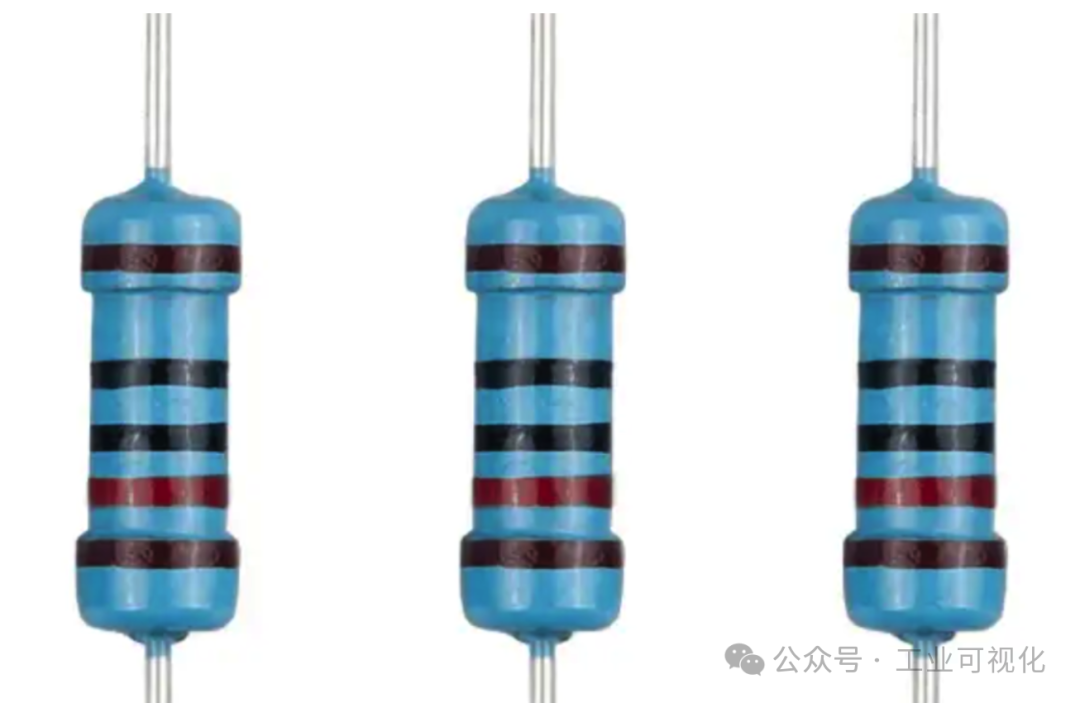
Termination resistors are used to match the impedance of communication lines and are typically placed at both ends of a Modbus network to reduce signal reflections and improve communication stability. When signals are transmitted along the communication line, if the ends of the line are not properly matched, signal reflections may occur, leading to data transmission distortion or noise interference. Termination resistors help absorb unattenuated signals, preventing them from reflecting back and forth in the network, thus ensuring communication quality.
Not All Situations Require Termination Resistors
Although termination resistors theoretically play an important role in signal integrity, in practical applications, not all Modbus networks require the installation of termination resistors. This depends on several factors:
- Network Length: If the Modbus communication distance is short (e.g., less than 50 meters), the impact of signal reflections is minimal, and termination resistors may not be necessary.
- Baud Rate: At lower baud rates (e.g., 9600 bps), the signal propagation speed is slower, and the effects of line loss and reflections are reduced, thus decreasing the necessity for termination resistors.
- Number of Devices: When there are fewer nodes in the communication network, the complexity of the signal is lower, and additional termination resistors may not be needed.
- Cable Quality: High-quality shielded cables that meet RS-485 standards have relatively stable impedance characteristics, which can also mitigate signal reflection issues.
Potential Challenges of Using Termination Resistors
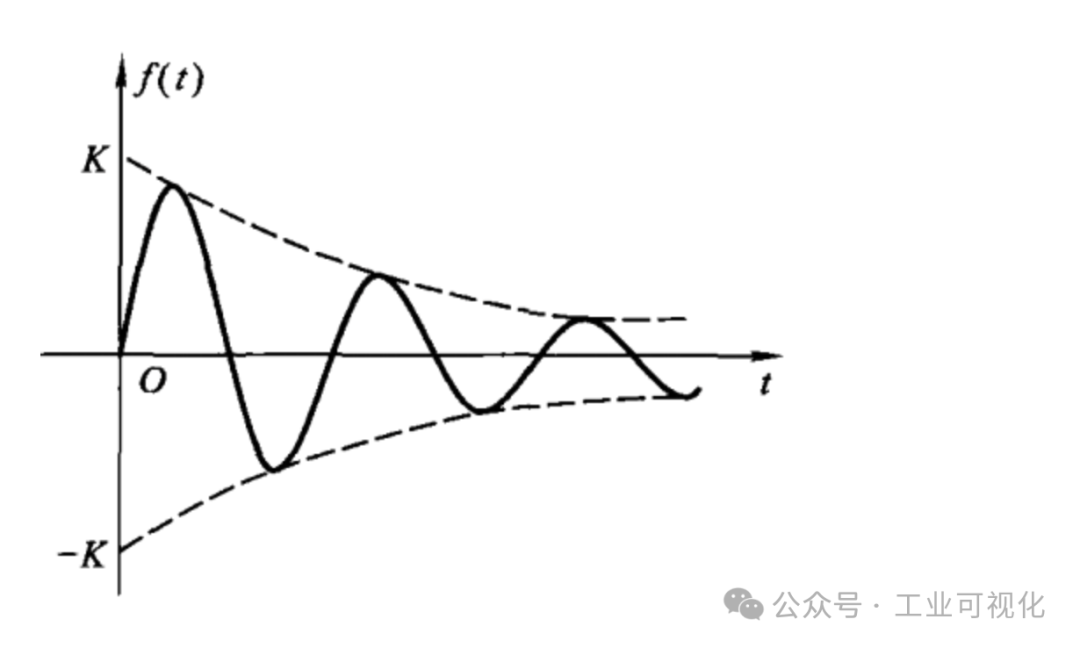
When installing termination resistors, some practical challenges should be noted, such as:
- Excessive Attenuation: If there are both termination resistors and numerous connectors or branches in the network, it may lead to excessive signal attenuation, affecting communication stability.
- Resistance Value Selection: The commonly used value for termination resistors is 120 ohms, but improper resistance selection may cause excessive current consumption or even damage the communication ports of devices.
Therefore, the installation of termination resistors should follow the principle of “applicability” to avoid unnecessary resource waste or hidden risks.
Methods to Determine the Need for Termination Resistors
To determine whether termination resistors are needed, the following steps can be referenced:
- 1.Calculate Communication Distance: If the network length exceeds approximately 100 meters, it is recommended to use termination resistors.
- 2.Observe Signal Quality: Use an oscilloscope to monitor the signal waveform; if there are significant reflections or distortions, termination resistors should be installed to improve it.
- 3.Gradually Optimize the Network: Adjust baud rates, device locations, and line layouts to gradually troubleshoot and optimize, ultimately deciding whether termination resistors are necessary.
Whether a Modbus network requires termination resistors depends on specific factors such as communication distance, baud rate, number of devices, and cable quality. Although termination resistors can theoretically improve communication efficiency, they may not be essential in small networks with short distances and low speeds. Conversely, in long-distance, high-speed, and complex communication environments, termination resistors are an important component for ensuring stable system operation.
Recent Hot Articles:
| Finally, someone has clarified the differences between SCADA and MES.Finally, someone has clarified the differences between PLC and MCU.Finally, someone has clarified PCS 7.Save!!! The MQTT debugging tool is amazing.This serial port tool is really impressive!!! |