
 Intelligent Library Management Solutions:AI Library Management Robot Smart Library Upgrade Solutions
In traditional library management models, the task of inventorying books faces severe challenges that are time-consuming and labor-intensive. Librarians need to spend a significant amount of time and effort verifying the information of books on the shelves one by one, which not only leads to low efficiency but also increases the likelihood of human error. At the same time, for readers, finding the required books quickly amidst a sea of books is not an easy task, often requiring repeated searches on the shelves, wasting valuable time. These issues severely impact the management efficiency of libraries and the user experience of readers, making the introduction of an efficient and intelligent library management solution imperative.
01Project Objectives
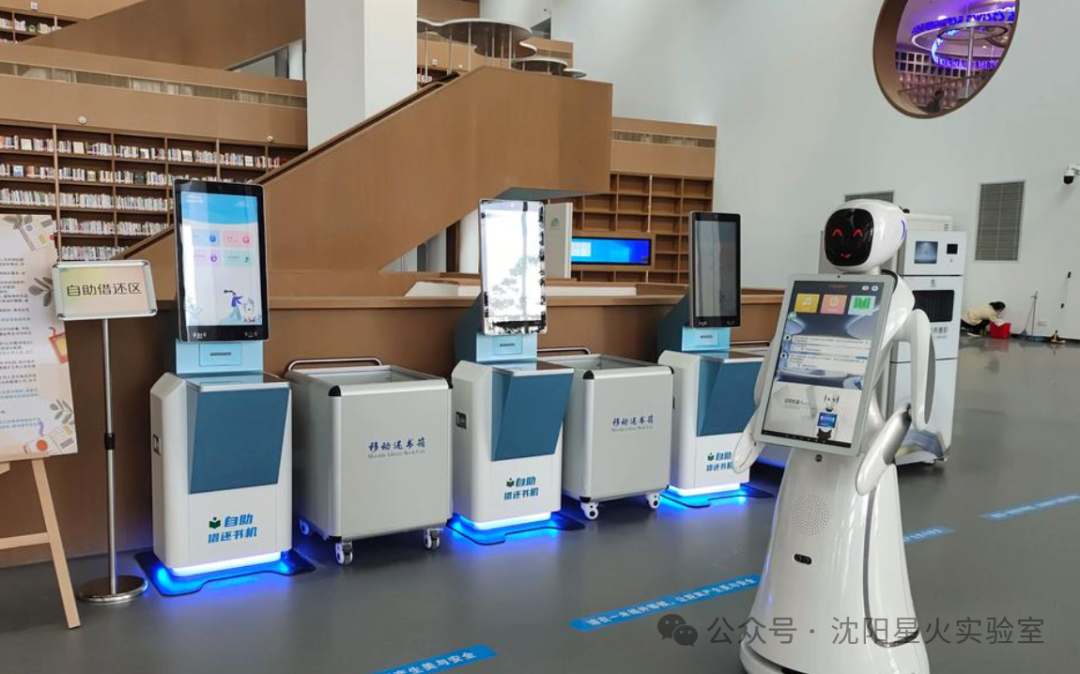
This project aims to develop an AI robot for library book management, utilizing advanced recognition technology and AI algorithms to achieve efficient and accurate inventorying of books, as well as convenient book-finding for readers.The specific objectives are as follows:
-
The book inventory recognition rate is greater than 98%, supporting barcode, QR code, ISBN, and OCR image recognition, meeting the recognition needs of different types of books.
-
Using a camera for rapid scanning, achieving an inventory speed of 100,000 books per hour, with results output within two minutes, significantly improving inventory efficiency.
-
Through AI data computation and optimization, the inventory data is output to the management backend, helping librarians quickly identify misplaced books and improve book reshelving efficiency.
-
Based on large model analysis of book movement frequency, recommend more quality books to readers, enhancing their reading experience.
-
Support inputting the book title, and the robot will accurately guide the reader to find the book, saving time.

 02Core Functions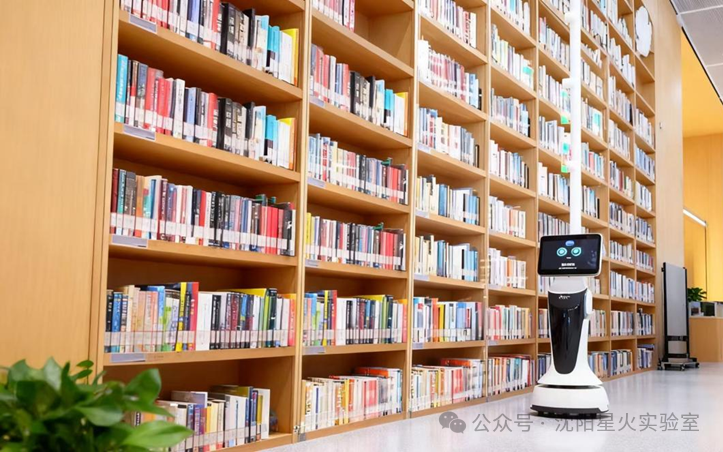
(1)Efficient Book Inventory
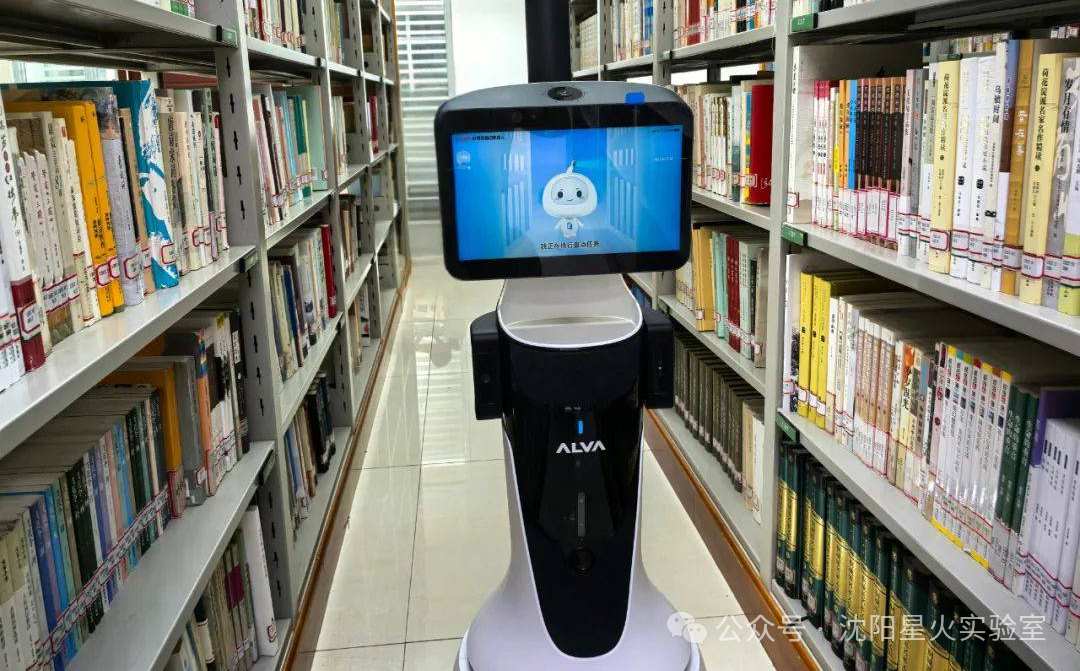
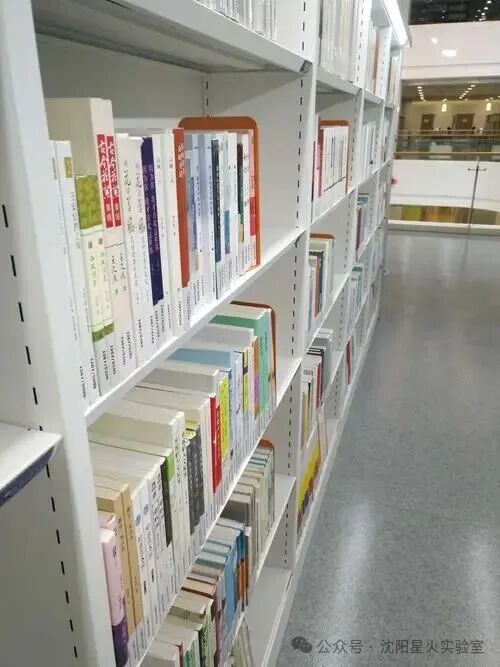
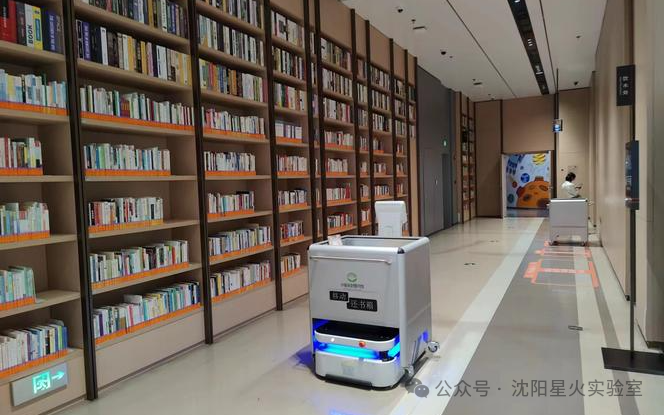
The robot is equipped with dual high-definition cameras, capable of quickly scanning books on the shelves. It supports multiple recognition methods including barcode, QR code, ISBN, and OCR image recognition, ensuring accurate identification regardless of the book’s labeling format. The recognition rate exceeds 98%, ensuring the accuracy of inventory data. It can inventory 100,000 books per hour, and results can be output within two minutes after completion, greatly reducing inventory time and lowering the workload of librarians.

(2)Detection of Misplaced Books and Reshelving Assistance
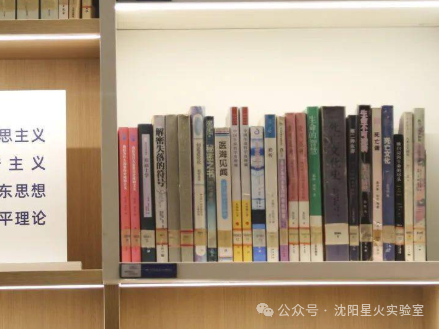
The robot transmits the scanned book information to the data processing module, which, after AI computation and optimization, compares it with the library management backend’s book inventory information. It quickly identifies which books are misplaced and provides real-time feedback to the management backend. Librarians can efficiently reshelve books based on backend prompts, significantly improving reshelving efficiency.
(3) Book Recommendations
Utilizing large models to analyze the frequency of book movements, including borrowing frequency and movement records on shelves. By deeply mining and analyzing this data, it identifies popular and highly regarded books among readers. This recommended book information is displayed in the library’s recommendation area or pushed to readers via the library app, providing personalized reading recommendations.

(4) Accurate Guidance for Finding Books
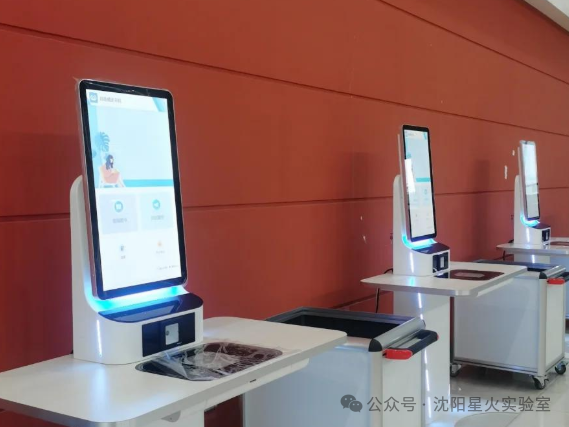
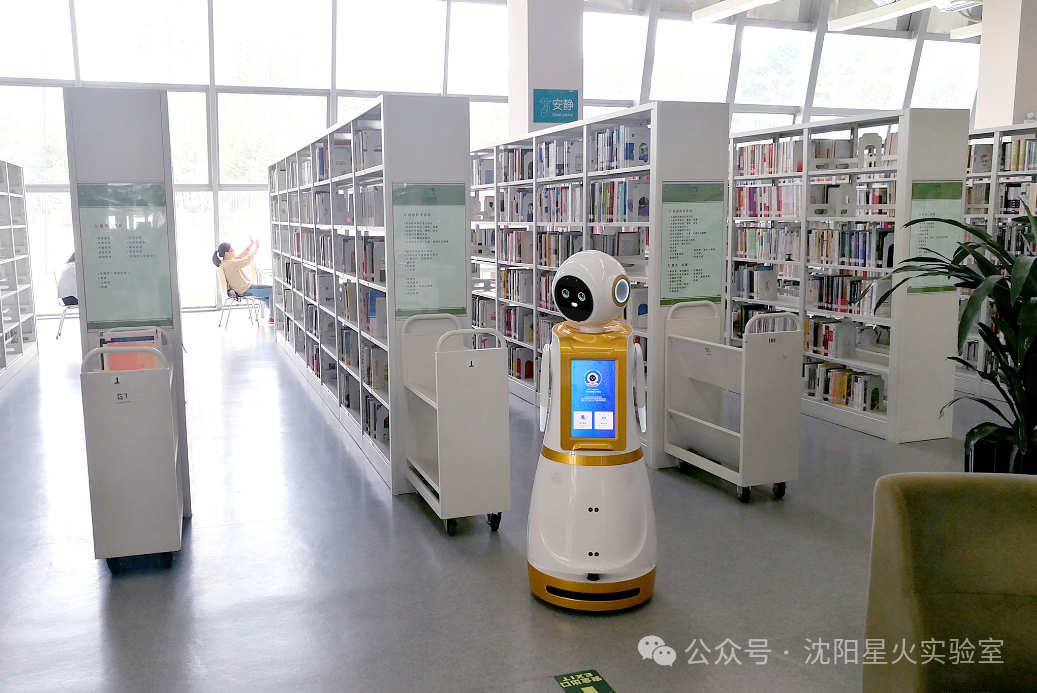
Readers only need to input the book title they wish to find in the robot’s interactive interface, and the robot will immediately retrieve the specific location information of the book in the library. Subsequently, the robot will guide the reader to the target shelf through voice prompts and light indicators, helping them quickly find the required book and saving their search time..
03Technical Solutions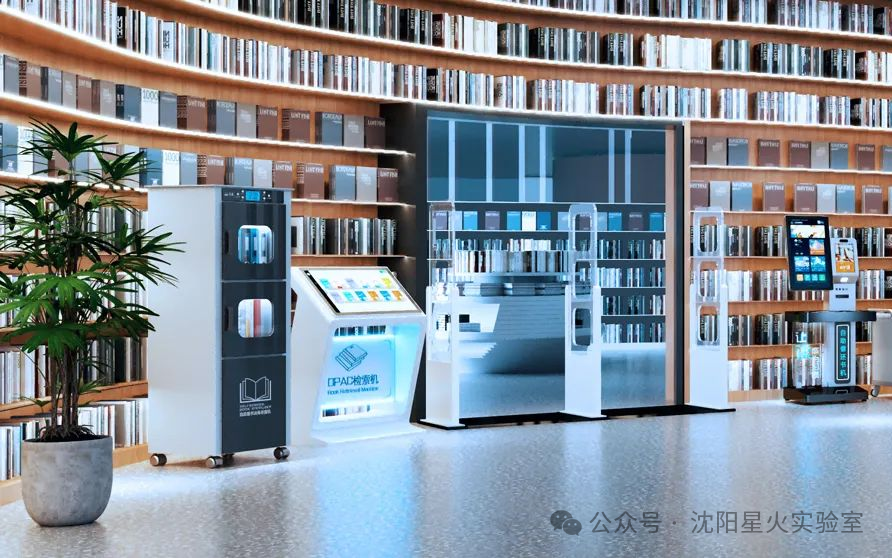
(1) Recognition Technology
Utilizing multimodal recognition technology that integrates barcode recognition, QR code recognition, ISBN recognition, and OCR image recognition. For barcodes and QR codes, rapid decoding is performed using a dedicated barcode scanning module; for ISBNs and book cover information, high-definition cameras capture images, combined with advanced OCR algorithms for character recognition. The integration of multimodal recognition technology improves recognition accuracy and adaptability, ensuring a recognition rate greater than 98%.
(2) Rapid Scanning Technology
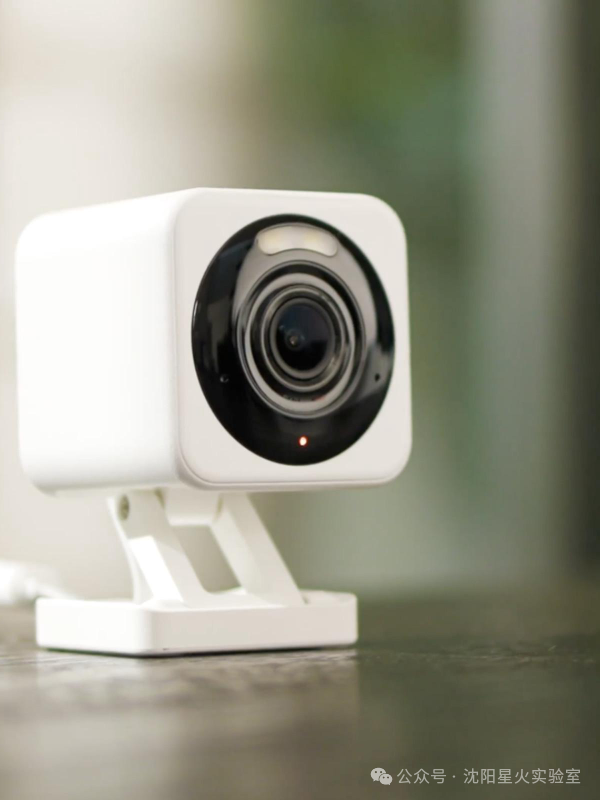
The robot is equipped with a set of high-definition cameras on each side, utilizing high frame rate and high resolution image sensors to quickly capture book information on the shelves. Additionally, by optimizing the camera angles and scanning paths, it achieves full coverage scanning of the shelves. Coupled with efficient image transmission and processing algorithms, it achieves a scanning speed of 100,000 books per hour.
(3) AI Data Processing and Analysis Technology
Building a high-performance data processing server, utilizing deep learning frameworks to perform AI computation matching optimization on the scanned book information. Using trained models for rapid matching and verification of book information, comparing and analyzing it with the library management backend’s book data to identify misplaced books. Additionally, utilizing large models to analyze book movement frequency data, uncovering readers’ reading preferences to support book recommendations.
(4) Navigation and Guidance Technology
The robot employs SLAM (Simultaneous Localization and Mapping) technology to construct a map of the library environment, enabling autonomous navigation. When a reader inputs a book title, the robot plans the optimal path based on the book’s location information and accurately moves to the target position using its navigation system. During the guidance process, it provides real-time instructions to the reader through voice and light modules, ensuring they can successfully find the target book.
 04System Architecture
This system mainly consists of three parts: the librarian robot terminal, data processing server, and management backend.
• Librarian Robot Terminal:Responsible for collecting book information, interacting with readers, and guiding them to find books. It is equipped with cameras, recognition modules, navigation modules, voice modules, light modules, and interactive interfaces.
• Data Processing Server:Receives book information transmitted from the robot terminal, performs AI computation matching optimization, book movement frequency analysis, and other data processing tasks, and transmits the results to the management backend.
• Management Backend:Used by librarians to manage book information, including viewing inventory results, information on misplaced books, and book inventory data, while also receiving book recommendation information pushed from the data processing server for display and management.
 05Implementation Steps
-
Requirement Analysis and Solution Design: In-depth understanding of the actual needs of the library, refining project objectives and functional requirements, and completing detailed solution design.
-
Hardware Selection and Development:Based on the solution design, select appropriate cameras, sensors, processors, and other hardware devices for the development and assembly of the robot terminal.
-
Software Algorithm Development: Develop recognition algorithms, AI data processing algorithms, navigation guidance algorithms, and management backend software.
-
System Integration and Testing:Integrate hardware and software, conduct system functionality tests, performance tests, and stability tests, and promptly identify and resolve issues.
-
Pilot Application and Optimization:Conduct pilot applications in selected libraries, collect user feedback, and optimize and improve the system.
-
Full Promotion and Operation Maintenance:After successful pilot applications, conduct full promotion. At the same time, establish a professional operation and maintenance team to provide technical support and system maintenance services for libraries.
06Expected Benefits
(1) For Library Management
Significantly improve book inventory efficiency, reducing what used to take days or even weeks to just a few hours, lowering the workload of librarians. Quickly identify misplaced books, improve reshelving efficiency, and ensure the orderliness of library collections. By analyzing book movement frequency, provide data support for library collection procurement and shelf layout optimization.
(2) For Readers
Achieve precise guidance for finding books, saving readers’ search time and enhancing their user experience. The recommendation function based on book movement frequency provides readers with more quality books that match their reading preferences, broadening their reading horizons.
Conclusion:
The AI library management robot, as the inspector of libraries in the AI era, will fundamentally change the management model of traditional libraries. Through efficient book inventory, precise detection of misplaced books, intelligent book recommendations, and convenient guidance for finding books, it brings a new transformation to library management while providing readers with higher quality and more convenient reading services. It is believed that the implementation of this project will promote libraries towards intelligence and efficiency, making a positive contribution to the dissemination and development of cultural undertakings.
END Shenyang Spark Laboratory
Contact Number: 15042390604
Email: [email protected]
Welcome to contact us for innovative cooperation!