As the global population ages, traditional elderly care models are facing unprecedented challenges. The demand for personalized care among specific groups such as elderly individuals living alone and those with disabilities is increasing, while a shortage of human resources and rising costs make innovative solutions imperative. The integration of artificial intelligence (AI) and robotics has injected new vitality into the elderly care industry. Through vertically specialized application scenarios, AI systems can accurately analyze the living habits, health conditions, and emotional needs of different elderly individuals, thereby providing customized services. For example, smart sensors can monitor the activity trajectories of the elderly in real-time to prevent falls and other accidents; voice interaction devices can alleviate feelings of loneliness and enhance mental health. This technology-driven approach not only improves care efficiency but also significantly reduces the risk of human error, paving a sustainable development path for the elderly care industry.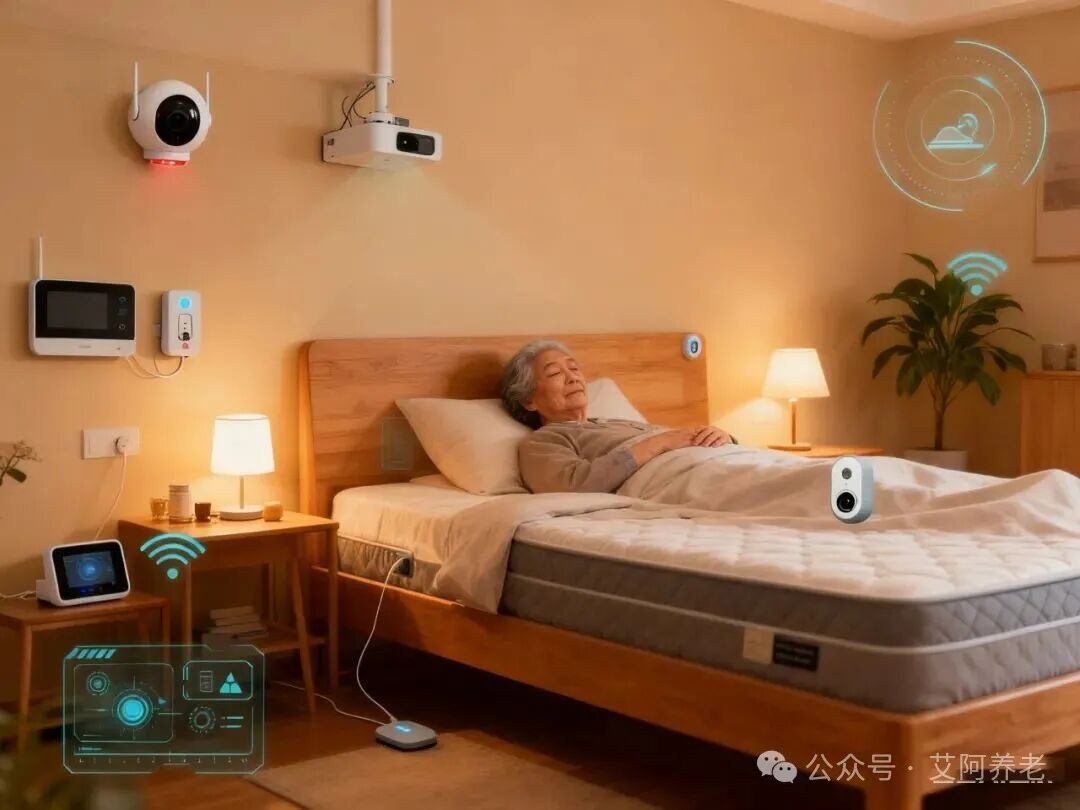
In the field of elderly care, the application of AI is no longer limited to general functions but has delved into vertical niche markets, designing solutions for specific needs such as those of elderly individuals living alone or with disabilities. Elderly individuals living alone often face safety risks and social isolation; AI systems achieve round-the-clock monitoring through the integration of smart home devices. For instance, environmental sensors can detect indoor temperature, humidity, and smoke, providing timely warnings for safety hazards; behavior analysis algorithms can identify abnormal activities, such as prolonged stillness or frequent nighttime awakenings, and automatically notify family members or caregivers. For elderly individuals with disabilities, AI-assisted rehabilitation robots can provide physical therapy support, adjusting training intensity based on data feedback to promote functional recovery. This specialized adaptation not only enhances the precision of services but also makes the allocation of elderly care resources more efficient, reducing waste.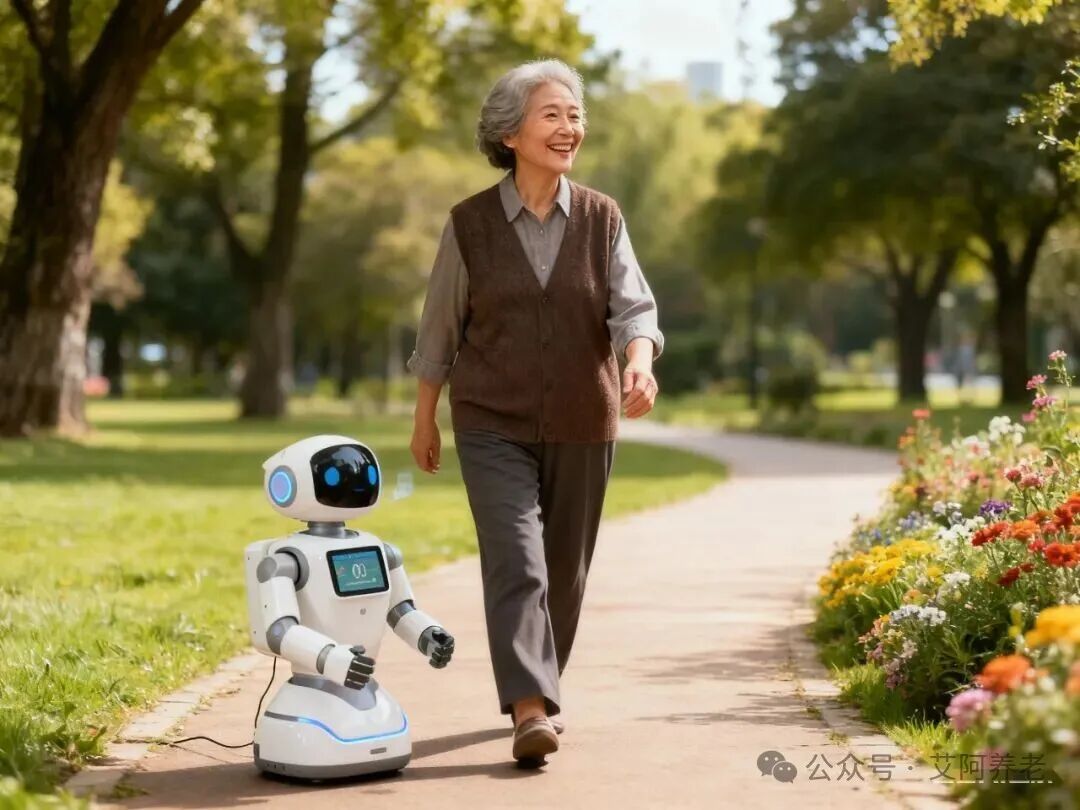
Robots, as important carriers of AI in elderly care, are gradually moving from concept to reality. Companion robots can interact with the elderly through natural language processing, providing entertainment, medication reminders, and schedule management functions, effectively alleviating the burden on caregivers. For example, some robots possess emotional computing capabilities, enabling them to recognize changes in the elderly’s emotions and respond accordingly, thereby enhancing psychological comfort. In terms of physical care, nursing robots can assist with turning, feeding, and other daily activities, especially suitable for elderly individuals with disabilities or mobility issues. These robots typically integrate multiple sensors and AI algorithms to ensure gentle and safe movements. Additionally, telemedicine robots allow doctors to conduct virtual rounds, transmitting health data in real-time and shortening emergency response times. The introduction of robots not only compensates for the shortage of human resources but also makes elderly care services more humane and technologically advanced.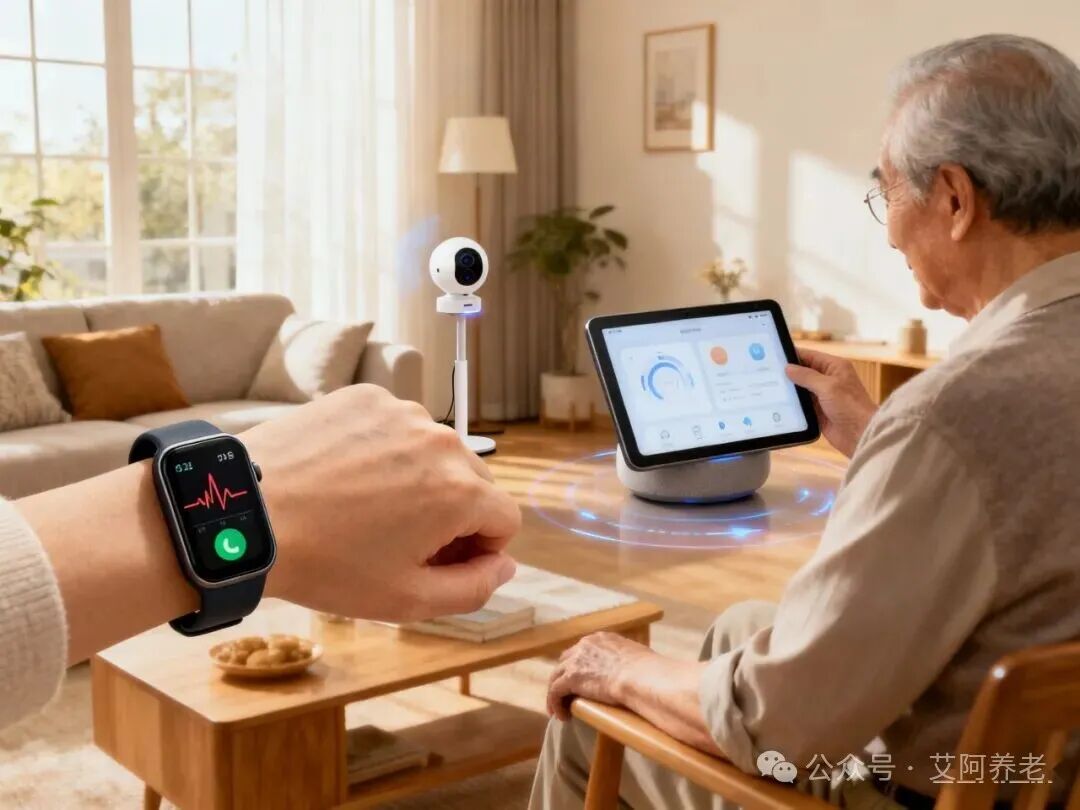
Elderly individuals living alone are a key focus group for AI-powered elderly care, with their needs concentrated on safety, health, and social interaction. AI systems build a comprehensive protection network through smart wearable devices and home IoT. For example, smart wristbands can monitor physiological indicators such as heart rate and blood pressure, and combined with AI algorithms, predict potential health risks; home cameras equipped with behavior recognition technology can automatically detect falls or abnormal behaviors and trigger alarms. On the social front, virtual assistants and social robots provide chatting, gaming, and remote family connection functions, helping the elderly maintain contact with friends and family, thereby reducing feelings of loneliness. These solutions not only emphasize functionality but also highlight user experience, ensuring that technology is easy to operate and understand. Through data-driven personalized services, AI allows elderly individuals living alone to enjoy an independent and safe life in their later years.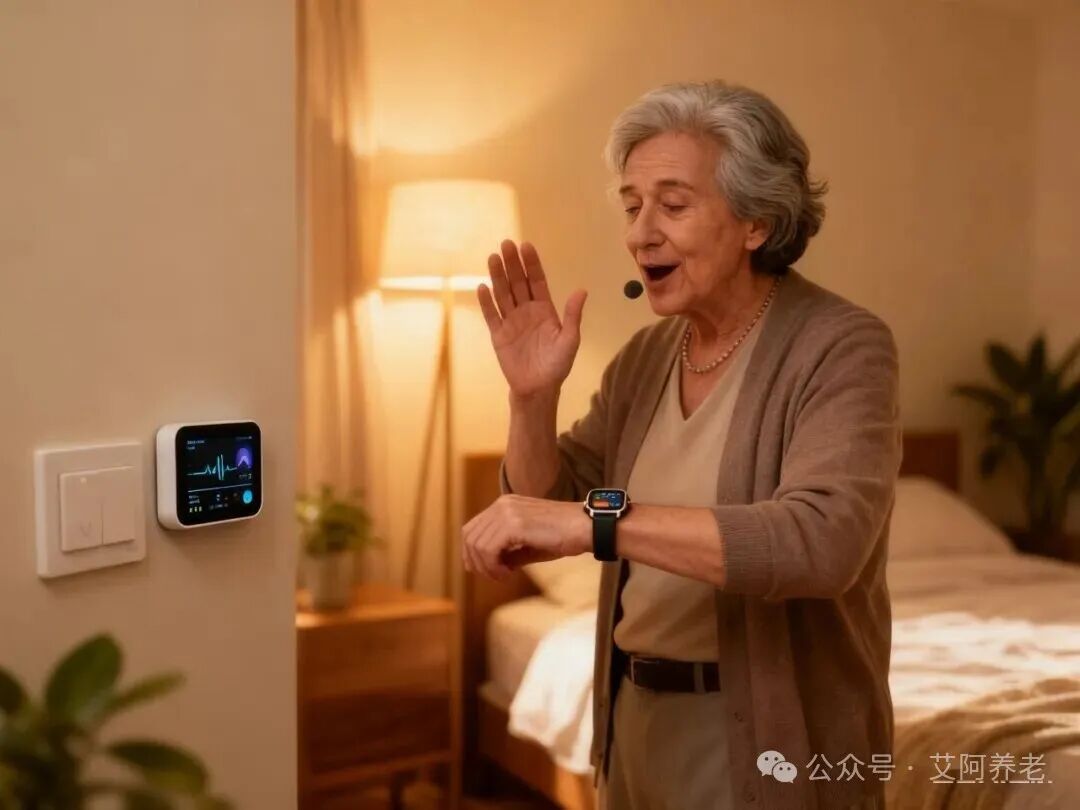
Elderly individuals with disabilities are highly dependent on professional care due to their limited physical capabilities. AI and robotics technologies show great potential in this field, providing continuous and precise support through smart rehabilitation devices and adaptive systems. For example, exoskeleton robots can assist elderly individuals in walking training, adjusting support strength based on real-time feedback to promote muscle recovery; AI-driven nursing beds can automatically adjust positions to prevent bedsores and other complications. On a cognitive level, virtual reality (VR) combined with AI algorithms provides memory training and sensory stimulation for elderly individuals with dementia, slowing the progression of the disease. These technologies not only enhance the quality of care but also empower elderly individuals with more autonomy, allowing them to maintain dignity and positivity even under limited conditions. Data analysis and machine learning further optimize service processes, ensuring resources are directed to the most needed areas.
Despite the broad prospects of AI-powered elderly care, challenges such as technology adoption, data privacy, and cost control remain. Many elderly individuals have a low acceptance of new technologies, necessitating simplified interfaces and training support; at the same time, the sensitivity of health data requires strict encryption and compliance measures. In the future, with advancements in 5G, IoT, and AI algorithms, elderly care robots will become more intelligent and user-friendly, potentially achieving breakthroughs in emotional interaction. Governments, enterprises, and society must collaborate to promote standardization and resource sharing, ensuring that technology benefits a wider population. Ultimately, the goal of AI-powered elderly care is to build an inclusive and efficient ecosystem, allowing every elderly individual to enjoy their later years peacefully.