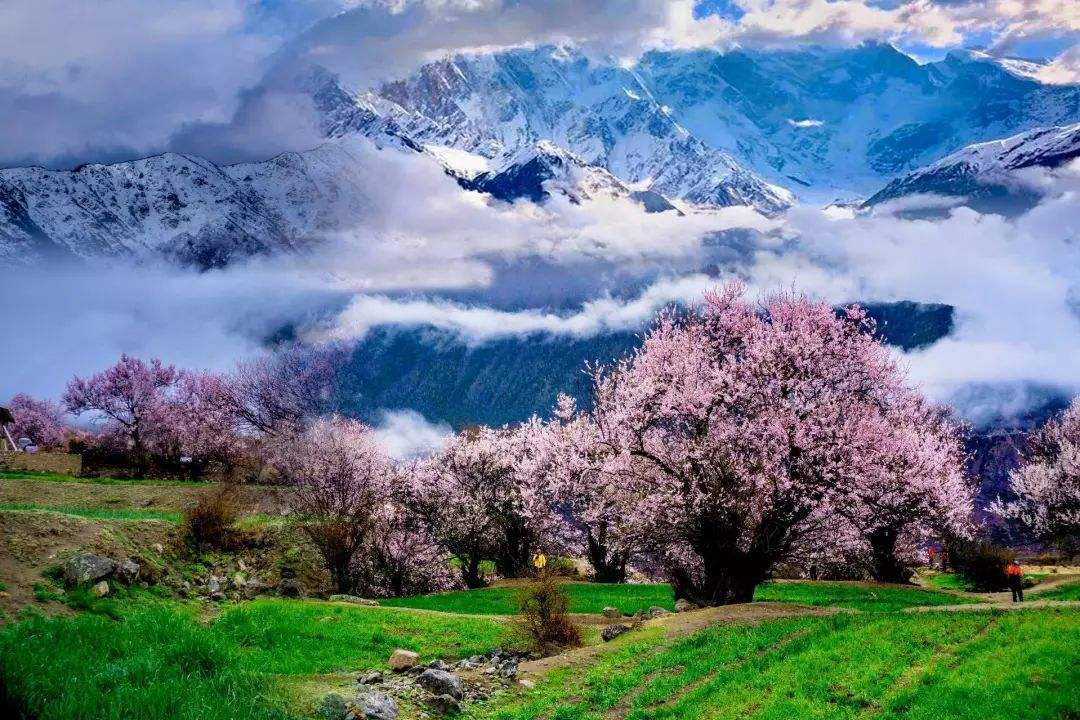
One common dilemma when choosing a memory card is which type among the various brands and models available on the market is the most suitable for us.?
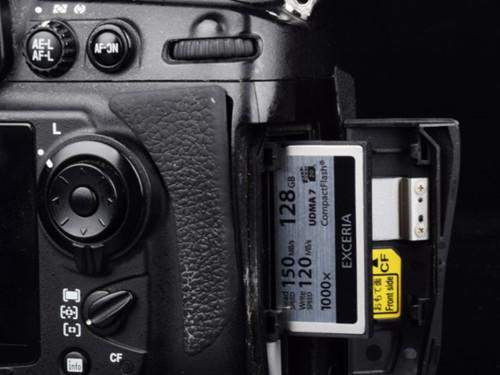
Many people mistakenly believe that the best way to choose a memory card is to simply buy the most expensive one or the one with the largest storage capacity. However, judging solely based on these factors may lead you to purchase a memory card that is not suitable for your needs. Why is this the case? Because currently, the size and class of memory cards are designed with different characteristics in mind, so we must choose based on our specific shooting needs.First, we should understand the categories of memory cards. The mainstream memory cards used in cameras generally include:The first type is the large CF card, which is commonly used in high-end full-frame DSLRs;The second type is the more mainstream SD card, which you should be familiar with, as it is frequently used in mirrorless cameras, DSLRs, and compact cameras.The third type is Sony’s proprietary “Memory Stick,” which is similar in size and type to SD cards.The fourth type is the mini SD card, which is relatively smaller and is also known as a TF card. This type is commonly used in smartphones.
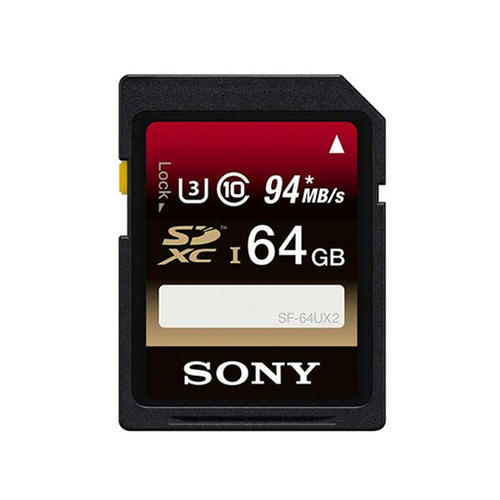
Currently, we tend to choose SD cards. Some may ask, which brand of memory card is better to buy?In fact, most brands of memory cards are quite similar; what we need to observe is their read and write speeds and the internal size. It’s essential to remember that bigger isn’t always better; many photographers suggest that a memory card size of 32 or 64GB is sufficient. What’s the benefit of this? Having one 128GB or even 256GB memory card is not as convenient as having two or four 32GB cards. Using two or four smaller cards offers better portability and security. If a large card encounters an unavoidable issue, such as accidental hot-swapping or short-circuiting, it can lead to damage that prevents access to the photos or other content on the card. However, using smaller cards can help you develop a habit of regularly organizing your photos. If the card is larger, people may tend to procrastinate.This can make it especially troublesome to find specific photos. Therefore, I generally recommend using smaller memory cards.
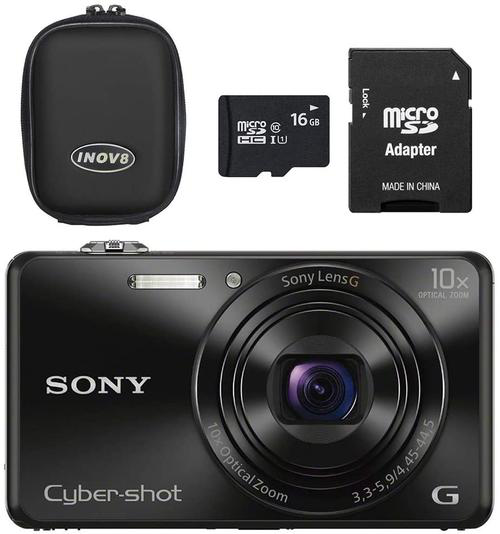
However, if you are primarily shooting videos, then you can choose a slightly larger card. But when shooting video, we need to pay more attention to the read and write speeds of the memory card. Currently, the standard mainstream UHS-I U3 cards typically have a read speed of about fifty megabytes per second. This is sufficient for photo shooting. If you want to shoot videos, you can opt for a better card with a read speed that reaches U3 level, which is generally about twice as expensive as U1 cards.So, choosing an SD card should depend on your specific needs.That concludes today’s sharing; follow us for more photography knowledge to share with you.
New class announcement:

Photography Basics Course Introduction
Upcoming photography teaching activities:
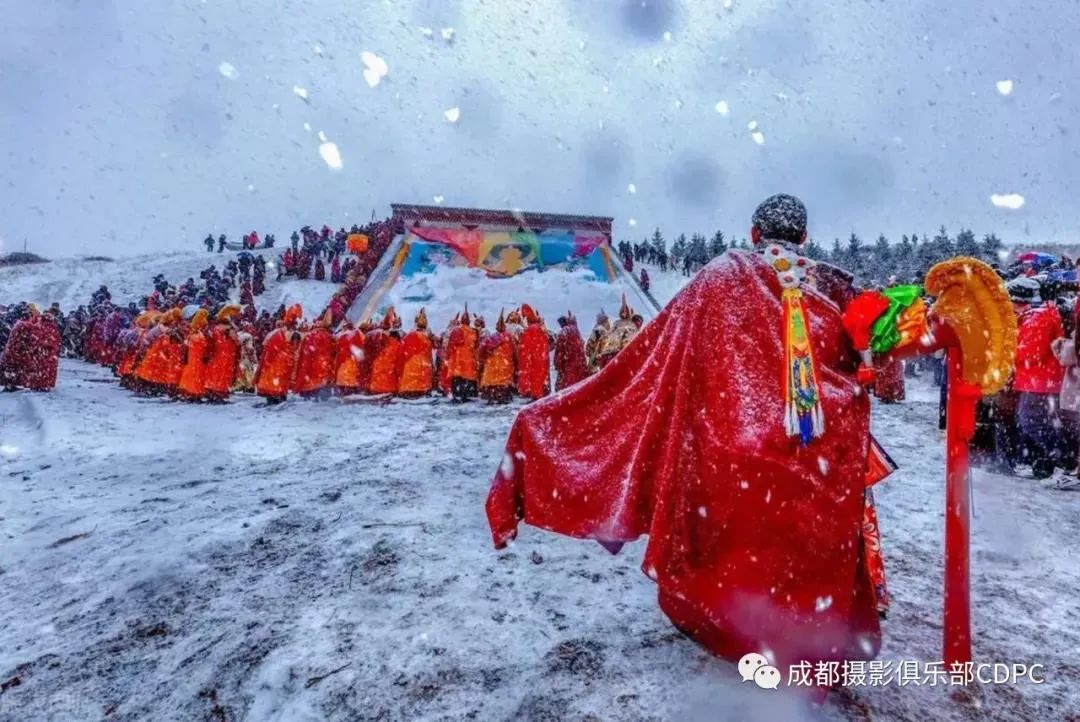
【February Schedule】 Gannan Cultural Photography Creation Tour: Buddha, Bright Treasure Festival, Butter Lamp Festival 【5-person Creation Group】